Wayground logo

Free Printable Worksheets

Font size

S
M
L
XL
Worksheets

Plants, Fungi, and protist test review

Total questions: 50

Worksheet time: 30mins

Name
Class
Date
1.
Which are examples of fungi?
a)
mold
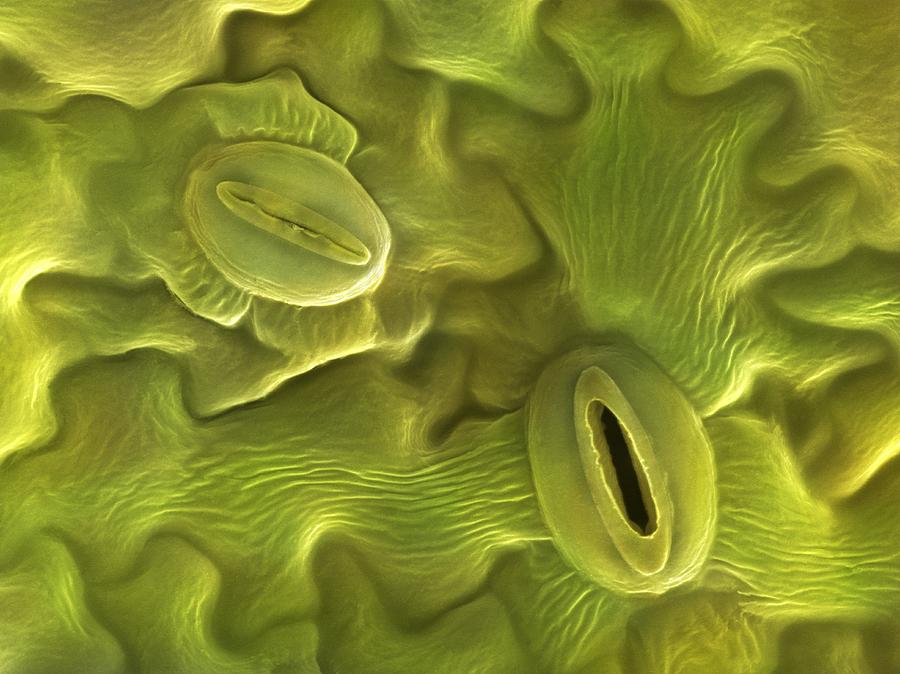
b)
yeast
c)
mushrooms
d)
all of the above
2.
Fungi are like animals because...
a)
they all reproduce sexually.
b)
they get their food from other organisms.
c)
they can move from one place to another.
d)
They are not like animals.
3.
What part of a fungus is described as long, thread-like structures that absorb nutrients?
a)
roots
b)
fruit body
c)
hyphae
d)
spores
4.
What part of a fungus is used for reproduction?
a)
spores
b)
flagellum
c)
cilia
d)
hyphae
5.
What vocabulary word describes the breaking off of dead things and recycling it's nutrients through the food chain?
a)
Symbiosis
b)
Decomposing
c)
Budding
d)
Mycelium
6.
How can humans benefit from fungi?
a)
 Eats the bacteria in their yards.
b)
Makes pretty flower-like structures.
c)
Used dish soaps
d)
Used in antibiotics
7.
A collective mass of hyphae are referred to as ____________
a)
parasitic
b)
fruiting
c)
mycelium
d)
spores
8.
The best environment for fungi is...
a)
Cool and damp
b)
Warm and dry
c)
Cool and dry
d)
Warm and moist
9.

Alan noticed that his foot itched between his toes after coming home from the gym. He now believes he may have contracted athlete’s foot. What type of pathogen most likely caused this possible infection of his foot?

a)

bacterium

b)

fungus

c)

virus

10.
Name this protist?
a)
Euglena 
b)
Amoeba 
c)
Paramecium 
d)
Volvox
11.
Fine hairs that allow protist to move is called what? 
a)
Pseudopods 
b)
Euglena 
c)
Flagella 
d)
Cilia 
12.
What is the name of the structure shown in the model?
a)
cilia
b)
flagella
c)
amoeba
d)
pseudopod 
13.
Which protist is this?
a)
Amoeba
b)
Paramecium
c)
Plasmodium
14.
This is an example of a(n)
a)
amoeba
b)
paramecium
c)
euglena
d)
fungus
15.
A finger-like projection of the cell membrane and cytoplasm used to catch food and/or move (false foot)
a)
cilia
b)
flagellum
c)
pseudopod
d)
ooey gooey
footie wootie
16.
How do fungi obtain water and resources?
a)
roots
b)
flowers
c)
hyphae
d)
spores
17.
Xylem and Phloem are both __.
a)
Transpiration
b)
Absorption
c)
Photosynthesis
d)
Vascular tissue
18.
Opening that allows gas exchange
a)
Stomata
b)
Leaves
c)
Roots
d)
Vascular tissue
19.
___ opens and closes the stomata.
a)
Guard cells
b)
Xylem
c)
Roots
d)
Phloem
20.
Type of root
a)
fibrous root 
b)
taproot
21.
Why are flowers very colorful (and why do they produce odor?)
a)
So people buy them
b)
To make gardens look good
c)
To attract pollinators
d)
To attract sunlight
22.
Male reproductive parts of a plant....
a)
Petals and ovary
b)
Ovary and ovule
c)
Anther and filament
d)
Stigma and style
23.
In which part of the flower is pollen found?
a)
Filament
b)
Anther
c)
Ovary
d)
Xylem
24.
After fertilization the ovule will....
a)
Be carried away by a pollinator
b)
Be blown away by the wind
c)
Will grow into a new plant
d)
Develop into a fruit that contains seeds
25.
What is the female part of the plant called?
a)
Stigma
b)
Pistil
c)
Stamen
d)
Style
26.
What is the sticky part of the flower that catches pollen?
a)
style
b)
stigma
c)
ovary
d)
petal
27.
What part of the flower will turn into a seed?
a)
ovary
b)
anther
c)
ovule
d)
filament
28.
The venus fly trap will close if a fly touches two hairs on the leaves. Which of the following Tropism does this show?
a)
Phototropism
b)
Gravitropism
c)
Thigmotropism
d)
Hydrotropism
29.
A plant's leaves turned toward the light. This is an example of _______.
a)
Phototropism
b)
Gravitropism
c)
Thigmotropism
d)
Hydrotropism
30.
Bean plants wrap themselves around a trellis. This is an example of _____________.
a)
Gravitropism
b)
Thigmotropism
c)
Dormancy
d)
Hydrotropism
31.
Sally planted seeds last year but they did not sprout until this spring. This is an example of ______.
a)
dormancy
b)
fertilization
c)
germination
d)
photosynthesis
32.
Roots of a new plant grow down. This is an example of _______
a)
Phototropism
b)
Gravitropism
c)
Thigmotropism
d)
Hydrotropism
33.
What happens in the phloem?
a)
water moves up from the roots
b)
food moves down from the leaves
c)
food moves up from the roots
d)
water moves down to the roots
34.
Germination will not happen unless a seed
a)
is dispersed far from the plant that produced it
b)
absorbs water
c)
uses its stored food
d)
grows stamens and a pistil
35.
Root hairs help a plant
a)
transport food to the root
b)
absorb water and nutrients
c)
protect the root
d)
store food
36.

Type of plant that is usually taller (longer) and has vascular tissue (xylem and phloem) that provides support

a)

vascular plant

b)

nonvascular plant

c)

xylem

d)

phloem

37.

Examples of these plants include mosses, liverworts, and other plants with no xylem or phloem

a)

dicot

b)

vascular plant

c)

monocot

d)

nonvascular plant

38.

A type of plant with a seed that has one food storage area

a)

monocot

b)

dicot

c)

vascular

d)

nonvascular

39.

A type of plant with a seed that has two food storage areas

a)

monocot

b)

dicot

c)

vascular

d)

nonvascular

40.

These classifications of flowering plants have leaves with veins that are parallel to each other.

a)

Monocot Plants

b)

Dicot Plants

c)

Nonvascular Plants

d)

Spore Producing Plants

41.

These classifications of flowering plants produce flowers with 4 or 5 petals.

a)

Monocot Plants

b)

Dicot Plants

42.

Which of the following plants are considered nonvascular plants?

a)

Monocot Plants

b)

Dicot Plants

c)

Ferns

d)

Moss

43.

What structure on a conifer or evergreen plant produces seeds?

a. Flowers b. Cones c. Spores d. Pine Needles

a)

Flowers

b)

Cones

c)

Spores

d)

Pine Needles

44.
Which of the following is the correct equation for PHOTOSYNTHESIS?
a)
CO2 + light + H2O --> O2 + Sugar
b)
CO2 + sugar + H2O --> O2 + light
c)
O2 + light + H2O --> CO2 + Sugar
d)
CO2 + O2 + H2O --> Light+ Sugar
45.
What is the pigment in chloroplasts that performs photosynthesis?
a)
Chlorosynthesis
b)
Chlorophyll
c)
ADP
d)
Electron Transport
46.
What are the products of photosynthesis?
a)
water and carbon dioxide
b)
oxygen and glucose
c)
oxygen and carbon dioxide
d)
oxygen and water
47.
Cellular respiration takes place in the
a)
nucleus
b)
cytoplasm
c)
ribosomes
d)
mitochondria
48.
The burning or breaking down of glucose is known as...
a)
photosynthesis
b)
transpiration
c)
respiration
d)
transport
49.
What is transpiration?
a)
Excess water being released from the leave
b)
Excess sugar being released from the leave
c)
The way a plant makes its food
d)
When the plant uses sugar for energy
50.

In order for a plant to reproduce

a)

pollen must transfer from the anther to the pistil

b)

pollen must transfer from the pistil to the anther

c)

pollen must transfer from the stigma to the ovule

d)

pollen must transfer from the ovule to the stigma