wayground logo

Free Printable Worksheets

NEW

Font size

S
M
L
XL
Worksheets

5th Grade Matter Physical & Chemical Changes GMAS Review

Total questions: 64

Worksheet time: 50mins
Name
Class
Date
1.
Which of the following tells you that a chemical change may have occurred?
a)
Change Shape
b)
Melting
c)
Vaporizing
d)
Change in color
2.
What happens in ALL chemical changes?
a)
Change in state of matter
b)
A new substance is formed
c)
Bubbles are produced
d)
An explosion
3.
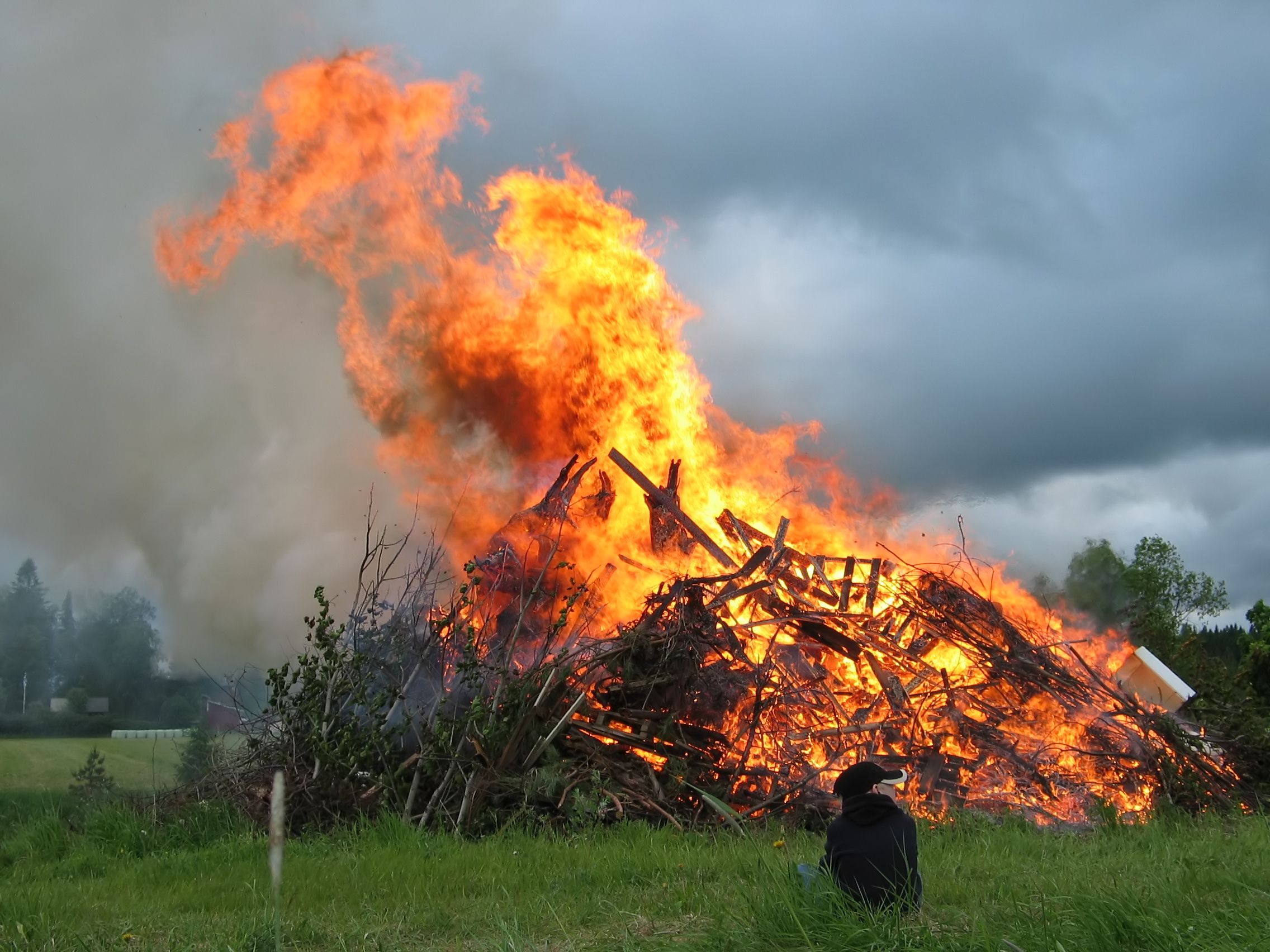
Is wood burning a physical or chemical change?
a)
Physical 
b)
Chemical
4.
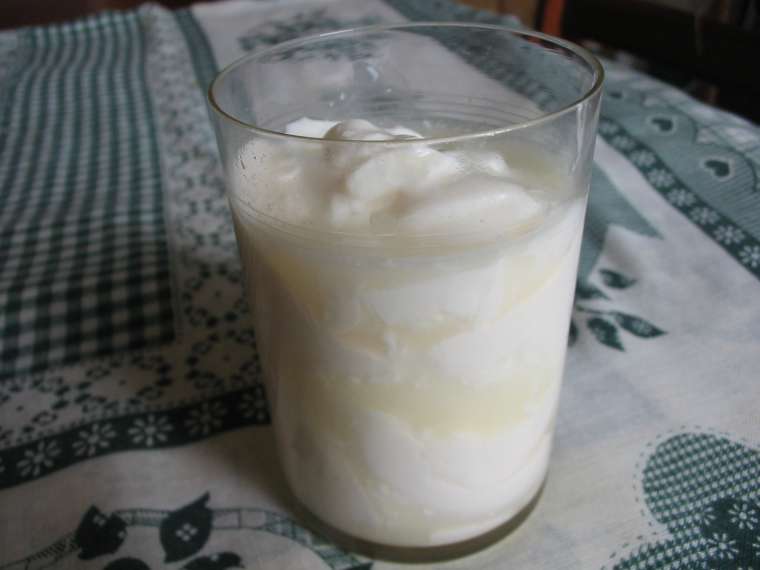
Is milk going sour a physical or chemical change?
a)
Physical 
b)
Chemical
5.
Is Gatorade powder dissolving in water physical or chemical change?
a)
Physical 
b)
Chemical
6.
Is mold growing on cheese a physical or chemical change?
a)
Physical 
b)
Chemical
7.
Is making orange juice a physical or chemical change?
a)
Physical 
b)
Chemical
8.
Is sharpening a pencil a physical or chemical change?
a)
Physical 
b)
Chemical
9.
Is copper tarnishing a physical or chemical change?
a)
Physical 
b)
Chemical
10.
Is the formation of the grand canyon a physical or chemical change?
a)
Physical 
b)
Chemical
11.

Which of the following is not a clue that a chemical reaction has taken place?

a)

Changing size

b)

Changing color

c)

A gas being formed

d)

Formation of a precipitate

12.
Which of the following IS a clue that a chemical change has occurred? 
a)
State of matter change
b)
Size Change
c)
Change in temperature
d)
Shape change
13.
Freezing Juice?
a)
Physical Change
b)
Chemical Change
14.
Exploding Fireworks?
a)
Physical Change 
b)
Chemical Change 
15.
If enough heat is taken away from a container of water, what will happen to the water?
a)
It will begin to boil.
b)
It will become a solid.
c)
It will turn into a gas.
d)
It will increase in weight.
16.
What happens when a piece of wood burns?
a)
A physical change takes place.
b)
A chemical change takes place.
c)
The wood loses its gravity.
d)
The wood loses its inertia.
17.
Which answer makes a correct statement?
a)
Physical change only changes the size.
b)
Physical change only changes the color.
c)
Physical changes begin and end with the same matter.
d)
Physical changes change the matter into something total different.
18.
Which is NOT an example of condensation?
a)
Dew is found on the grass on a summer morning.
b)
Drops of water form on a cold can of soda on a hot day.
c)
A bucket of water left uncovered eventually becomes empty.
d)
The walls of a bathroom are damp after someone takes a showers.
19.
The diagram below shows changes happening to water in a specially shaped bottle.
What changes did the water undergo?
a)
melting and then freezing
b)
freezing and then evaporation
c)
condensation and then melting
d)
evaporation and then condensation
20.
Which action would cause the weight of an object or substance to decrease?
a)
stirring it
b)
burning it
c)
freezing it
d)
dissolving it
21.
Which property of a substance depends on how much of the substance there is?
a)
mass
b)
density
c)
boiling point
d)
melting point
22.
______ is the amount of space that an object takes up.
a)
volume
b)
space
c)
room
d)
density
23.
A change that does not result in a new substance.
a)
Physical Change
b)
Chemical Change 
24.
Students observed as small drops of water collected on the outside of a glass.
Which statement BEST describes why the water vapor in the air formed liquid water on the outside of the glass?
a)
The humidity outside the glass turns the vapor to liquid water.
b)
The water vapor pulls the water from inside the glass to outside the glass.
c)
The temperature of the water inside the glass is colder than the air outside the glass.
d)
The temperature of the water inside the glass is warmer than the air outside the glass.
25.
A teacher is demonstrating physical and chemical changes to her class. Which action should she use to demonstrate a chemical change?
a)
cutting a piece of paper
b)
folding a piece of paper
c)
tearing a piece of paper
d)
burning a piece of paper
26.
A student is creating a potting soil mix. She combines 100 grams of sand, 200 grams of soil, and 200 grams of pebbles to make her potting soil. What is the mass of the potting soil?
a)
100 grams 
b)
200 grams
c)
300 grams
d)
500 grams
27.
A group of students investigated physical and chemical changes using paper.  The students recorded their observations in a table.
Which student correctly recorded all the changes that took place?
a)
Student 1
b)
Student 2
c)
Student 3
d)
Student 4
28.

Baking Cookies

a)

Physical Change

b)

Chemical Change

29.

Lighting a Match

a)

Physical Change

b)

Chemical Change

30.

Melting Ice Cream

a)

Physical Change

b)

Chemical Change

31.

Popping Popcorn

a)

Physical Change

b)

Chemical Change

32.

Blowing up a balloon

a)

Physical Change

b)

Chemical Change

33.

Rusting Nail

a)

Physical Change

b)

Chemical Change

34.

Dying your hair blonde

a)

Physical Change

b)

Chemical Change

35.

Evaporating Water

a)

Physical Change

b)

Chemical Change

36.

Adding baking soda to vinegar

a)

Physical Change

b)

Chemical Change

37.

Bending a metal rod

a)

Physical Change

b)

Chemical Change

38.
Name the states of matter?
a)
solid, liquid, gas
b)
mass, volume, density
c)
hardness, odor, taste
d)
texture, color, sound
39.
How many grams are in a kilogram?
a)
10 grams
b)
100 grams
c)
1,000 grams
d)
10,000 grams
40.
What is best to use to identify matter
a)
properties of matter
b)
states of matter
c)
density of matter
d)
mass of matter
41.
200g of water was added to a pot weighing 400 grams. Next, 3 glasses each weighing 100g. Lastly, a 100g air tight lid was placed on top and the water boiled for 10 minutes. What was the total mass of the pot after it boiled?
a)
1,000 grams
b)
10 kilograms
c)
900 grams
d)
200 grams
42.
mix together the following: 500g of peanut butter, 100g of melted chocolate, 250g of oatmeal. Form cookie balls and freeze. How many grams of cookie balls do you have?
a)
850g
b)
750g
c)
650g
d)
550g
43.
Explain what is mass?
a)
it measures the weight of matter
b)
it measures the size of matter
c)
it measures how tightly packed the matter is
d)
it measures the hardness of matter
44.
Explain what density is?
a)
it measures the weight of matter
b)
it measures the size of matter
c)
it measures how tightly packed the matter is
d)
it measures the hardness of matter
45.
Name a state of matter that has definite (easily measured) volume and mass
a)
solid
b)
liquid
c)
gas
d)
hardness
46.
What best explains what matter is.
a)
anything that has mass and volume
b)
solid, water and gas
c)
anything that you can see
d)
any fluid
47.
If an ice cube weighs 50g. then how much will the water weigh that is produced after it melts?
a)
50g
b)
49g
c)
40g
d)
45g
48.
What best explains what volume is.
a)
the amount of space matter occupies
b)
the amount the matter weighs
c)
the measurement of how tightly packed the matter is
d)
the shape it is
49.
A Lego house weighs 20 grams. When it is taken apart each piece is weighed separately. What will be the sum of all the parts?
a)
20 grams
b)
10 grams
c)
25 grams
d)
23 grams
50.
The ability to move, work or cause a change in matter is
a)
mass
b)
volume
c)
energy
d)
density
51.
All of the following are examples of solids except which one?
a)
a hamburger
b)
rain
c)
sleet
d)
snow
52.
Which of the following is a gas?
a)
helium in a balloon
b)
oil that you cook with
c)
wood from a tree
d)
gas you put in a car
53.
Which of the following is an example of a liquid?
a)
honey
b)
styrofoam
c)
marshmallows
d)
oxygen
54.
The ability of an object to either float or sink is controlled by its...
a)
volume
b)
density
c)
gravity
d)
energy
55.
The force that gravity exerts on an object measures its...
a)
density
b)
weight
c)
mass
d)
matter
56.
Which of the following is true of liquids?
a)
definite shape
b)
densely packed atoms
c)
no definite mass
d)
takes the shape of container
57.
Which of the following is true of solids
a)
has a definite shape
b)
atoms are densely packed
c)
has a definite mass
d)
all choices listed are true
58.
Which of the following is  true about gases?
a)
atoms are sort of close and can move a little
b)
atoms are densely packed, no movement
c)
atoms spread far apart and vibrate quickly
d)
definite shape and volume
59.
What is the boiling point in degrees Celsius?
a)
0 degrees
b)
32 degrees
c)
100 degrees
d)
212 degrees
60.
All things are made up of this...Molecules come together to create this
a)
volume
b)
matter
c)
mass
d)
gravity
61.
What happens to water when it is cooled to freezing or below?
a)
it contracts
b)
it melts
c)
it expands
d)
there is no change
62.

What is the boiling point measured in degrees Fahrenheit? (F)

a)

100 degrees

b)

212 degrees

c)

200 degrees

d)

32 degrees

63.

What is the freezing point in degrees C (Celsius) and F (Fahrenheit)

a)

0 degrees C and 100 degrees F

b)

0 degrees C and 212 degrees F

c)

32 degrees C and 100 degrees F

d)

0 degrees C and 32 degrees F

64.

During the process of evaporation, heat energy is

a)

gained

b)

lost

c)

maintained, it doesn't change

d)

condensed