
 Worksheets
Solids, Liquids, and Gases
Total questions: 69
Worksheet time: 1hrs 27mins
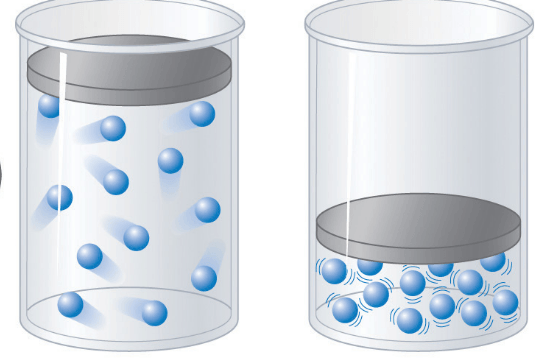

How is pressure measured?
kPa, mmHg, L
kPa, mmHg, mL
kPa, mmHg, K
kPa, mmHg, atm

In order to solve gas law calculations, temperature must be measured in:
Fahrenheit
Celsius
Kelvin
It doesn't matter

What is 50 degrees C in Kelvin?
223
323
273
50

Standard Temperature and Pressure is ______________
100 atm, 300 K
200 atm, 0 K
10 atm, 0 C
1 atm, 0 C
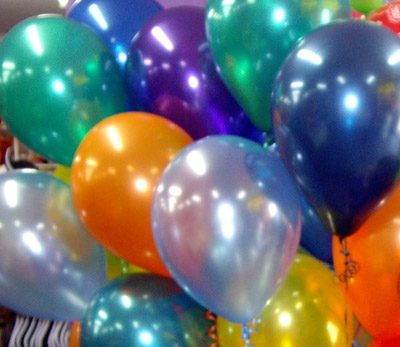

Julian and Jimmy are playing basketball outside in 82°C weather. If they leave the ball outside and temperature drops down to 53°C, what will happen to the volume of the gas in the ball if the pressure remains constant?
volume will remain the same
volume will increase
volume will decrease
volume will double in size
If 200 mL of a gas at 57°C is cooled to 33°C at a constant pressure, the volume will be
250 mL
9.4 mL
115 mL
185 mL

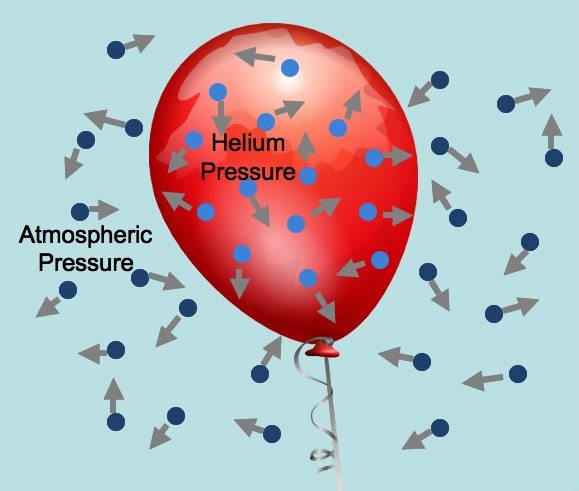
[pressure is constant (k)]
Can be compressed
Little space between particles
Can be compressed
Lots of space between particles
Cannot be compressed
Lots of space between particles
Can be compressed
Lots of space between particles
Temperature increases // Pressure increases
Temperature decreases // Volume decreases
Pressure decreases // Volume increases

[Hint: Space and Heat]
What does R stand for
Ideal gas constant
Real gas constant
Temperature constant
Ideal gas law

Identify the factor that determines rates of diffusion and effusion for different molecules at a given temperature.
Size of the molecules
Polarity of the molecules
Temperature of the gas
Molar mass of the gas
Don't forget to check for diatomics!


Freezing point
The classification of matter as a solid, a liquid, or a gas
Physical change in matter from a gas to a liquid
The temperature at which a substance changes states from a solid to a liquid
The temperature at which a substance changes from a liquid to a solid
The change in state from liquid to gas is called
vaporization
sublimation
condensation
deposition
Both boiling and evaporation are forms of vaporization. What is the difference between them?
Boiling liquids have intense heat added to it, evaporating liquids take heat from their environment.
Boiling happens quickly, evaporation happens slowly.
Evaporation occurs only at a liquid's surface, boiling occurs throughout the liquid
All of these reasons
A substance's melting point is the same as its
freezing point.
condensation point.
boiling point.

On a hot, humid summer day drops of water form on a can of cold soda. What process caused this to happen?
condensation
freezing
vaporization
deposition

Which model represents a LOWER Vapor Pressure?
A
B
Imagine A & B represent the same substance. Which model would be at a HIGHER temperature?
A
B

