
 Worksheets
8th Science STAAR Periodic Table Review
Total questions: 190
Worksheet time: 6hrs 40mins

The vertical (up and down) columns in the Periodic Table are called
groups
towers
periods
atomic numbers
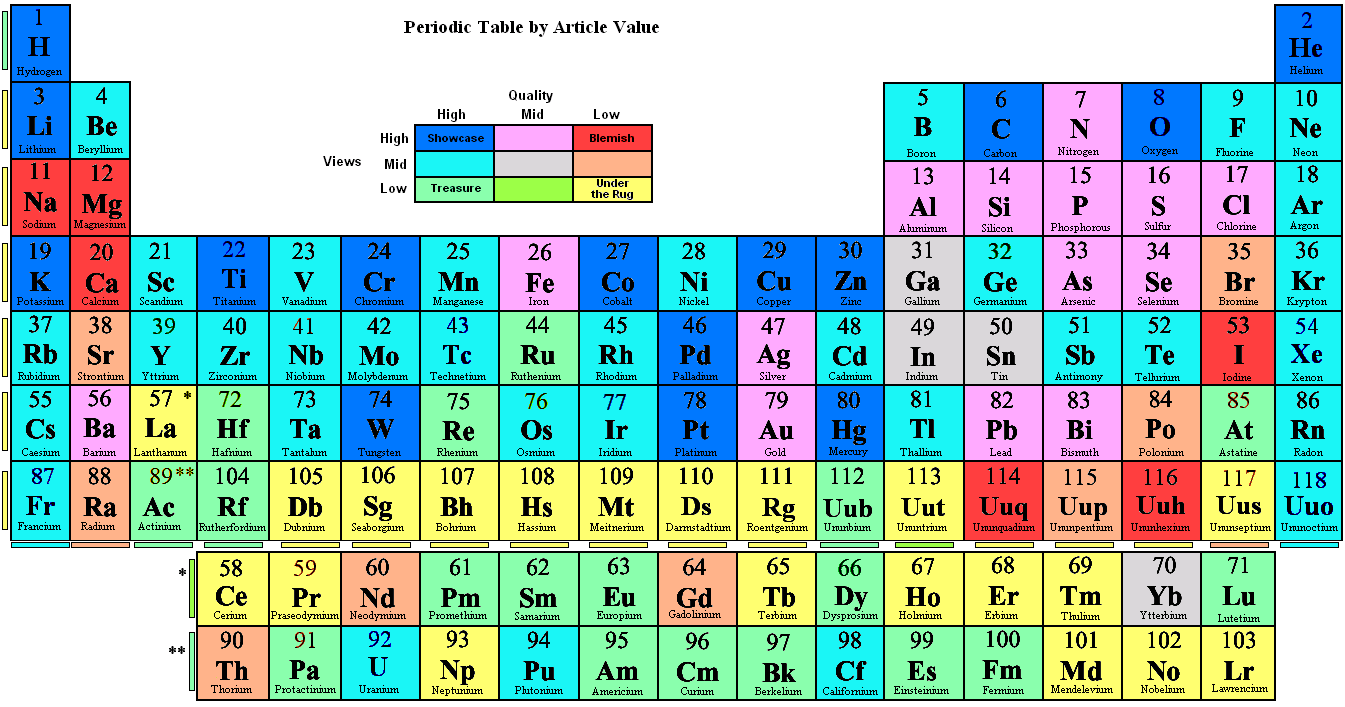
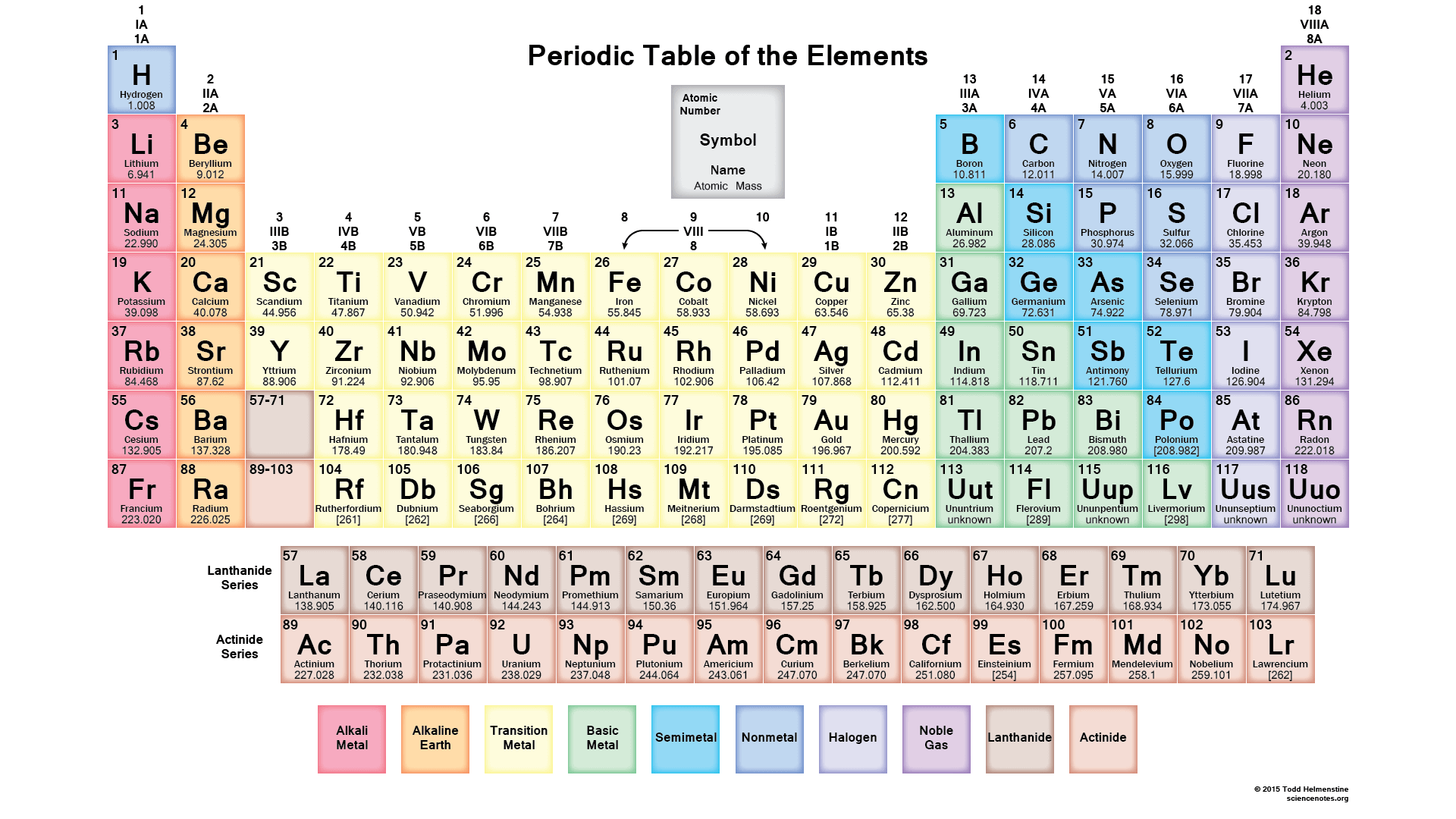

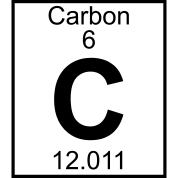
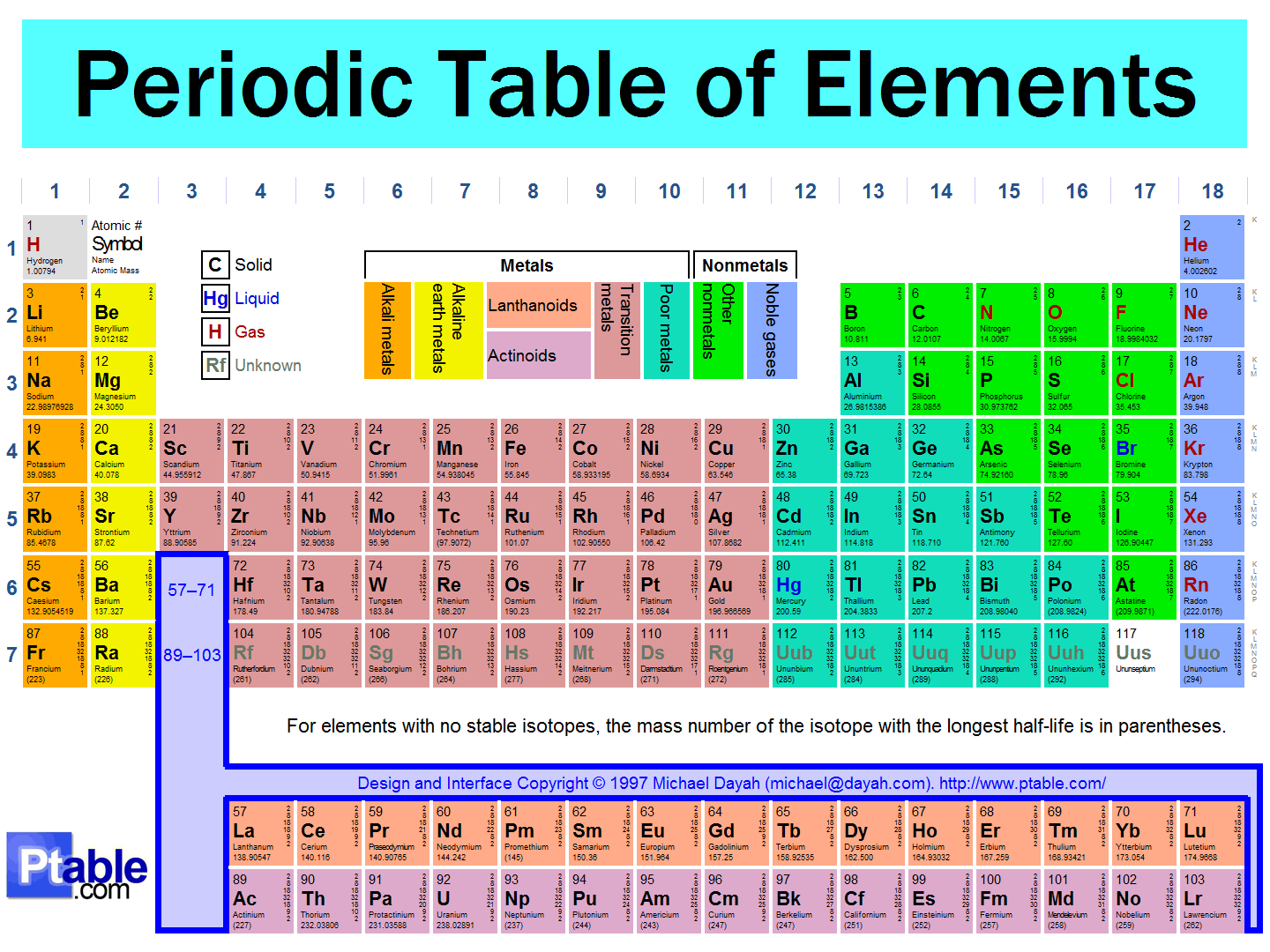
The horizontal (side to side) rows in the Periodic Table are called
groups
families
periods
atomic numbers
What are valence electrons?
Any of an atom's electrons
Electrons located on the first energy level
Electrons not attached to any atom
electrons located on the outer energy level
What period is Lead (Pb) in?
6
4
Metals
4A
What group or family is lead in?
6
4
Metal
4A
What category is silicon (Si) a part of?
Metal
Nonmetal
Metalloid
Halogens
What Element is in period 4, group 5A?
Antimony
Arsenic
Tin
Germanium
How many electrons does Barium (Ba) have?
13
2
71
56
How many neutrons does Bromine (Br) have?
35
80
45
7
What period contains the element Plutonium (Pu)?
8
6
7
Plutonium doesn't exist
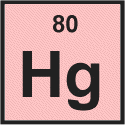
What group or family is Mercury (Hg) in?
2B
2A
Metals
Alkali metals
How many valence electrons does a carbon atom have?
8
4
2
6
Which element conducts electricity the best?
Silicon
Fluorine
silver
Arsenic


what is the biggest group on the table
metals
nonmetals
metaloids
halogens
how many rows are on the table
4
5
6
7
how many groups/families are on the table
15
16
17
18
where are the metaloids found
far left, vertical
stair step/diagonal
far right horizontal
at the bottom
what group number are the noble gases
17
18
14
15
what group number are the noble gases
17
18
14
15
what group number are the noble gases
17
18
14
15
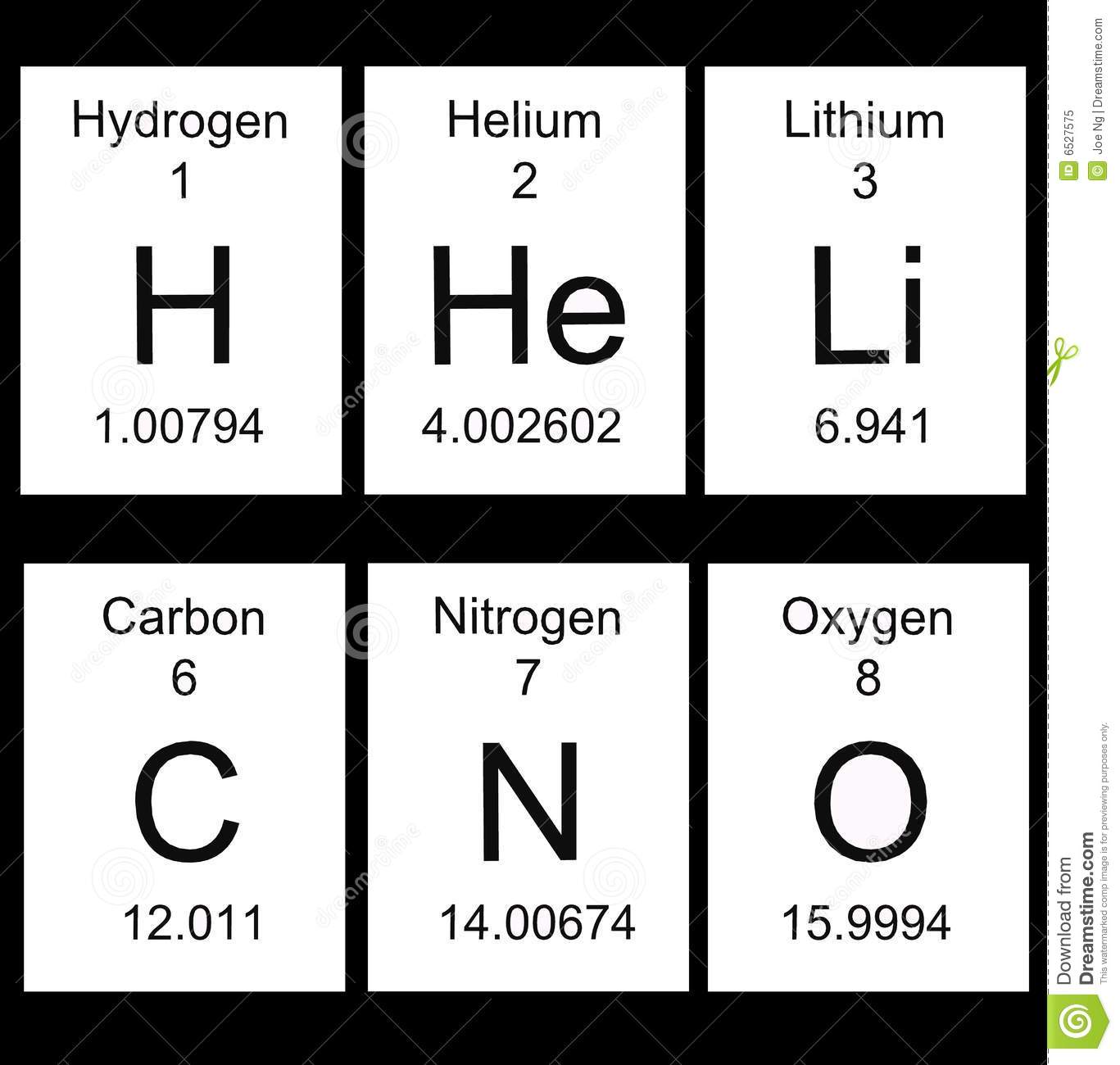
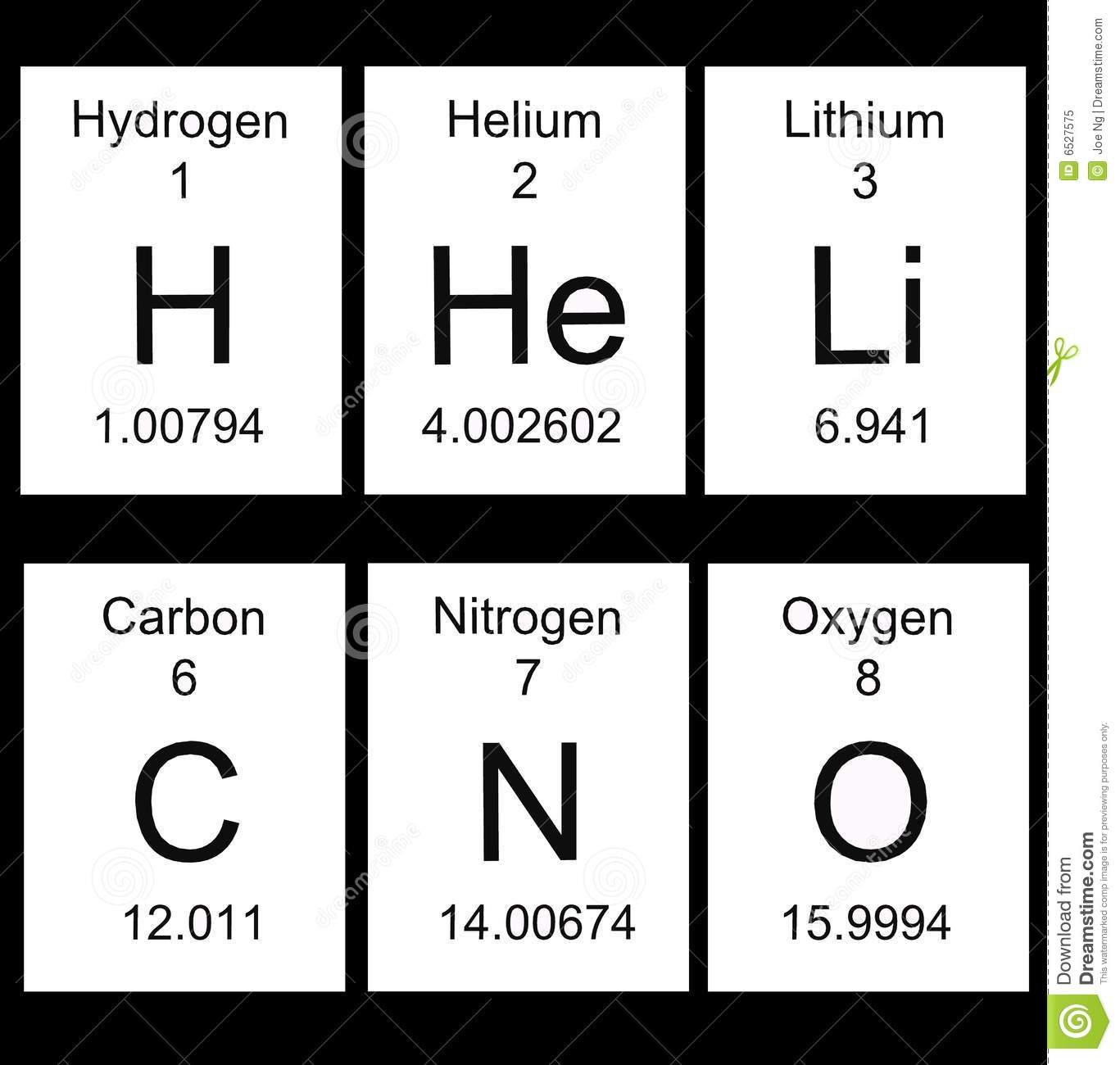
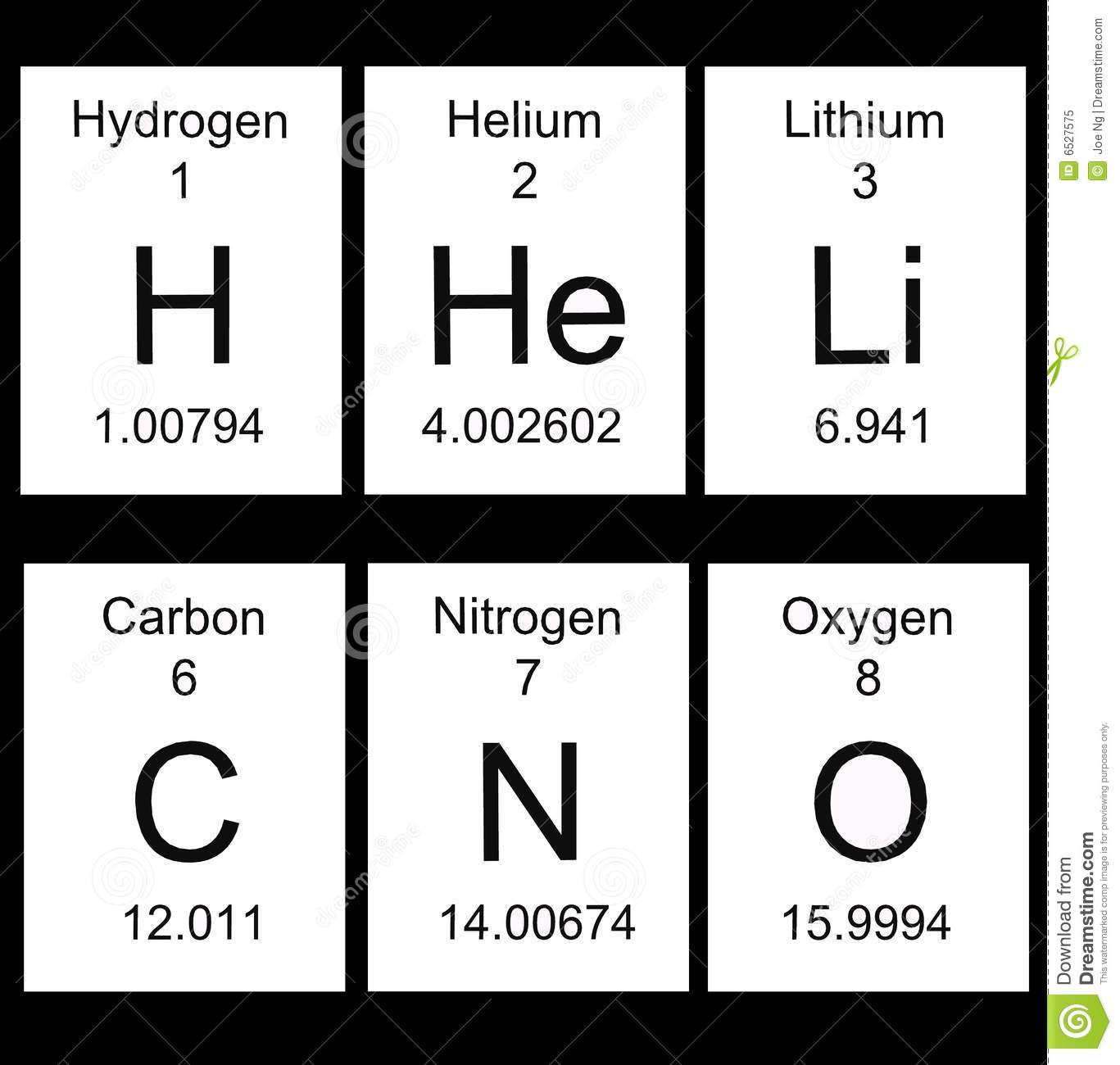
what is the small group of elements called that include C,N,O
metals
nonmetals
metaloids
noble gases
symbols must have at least
1 cap. letter
2 cap. letters
2 lower case letters
any letter you want



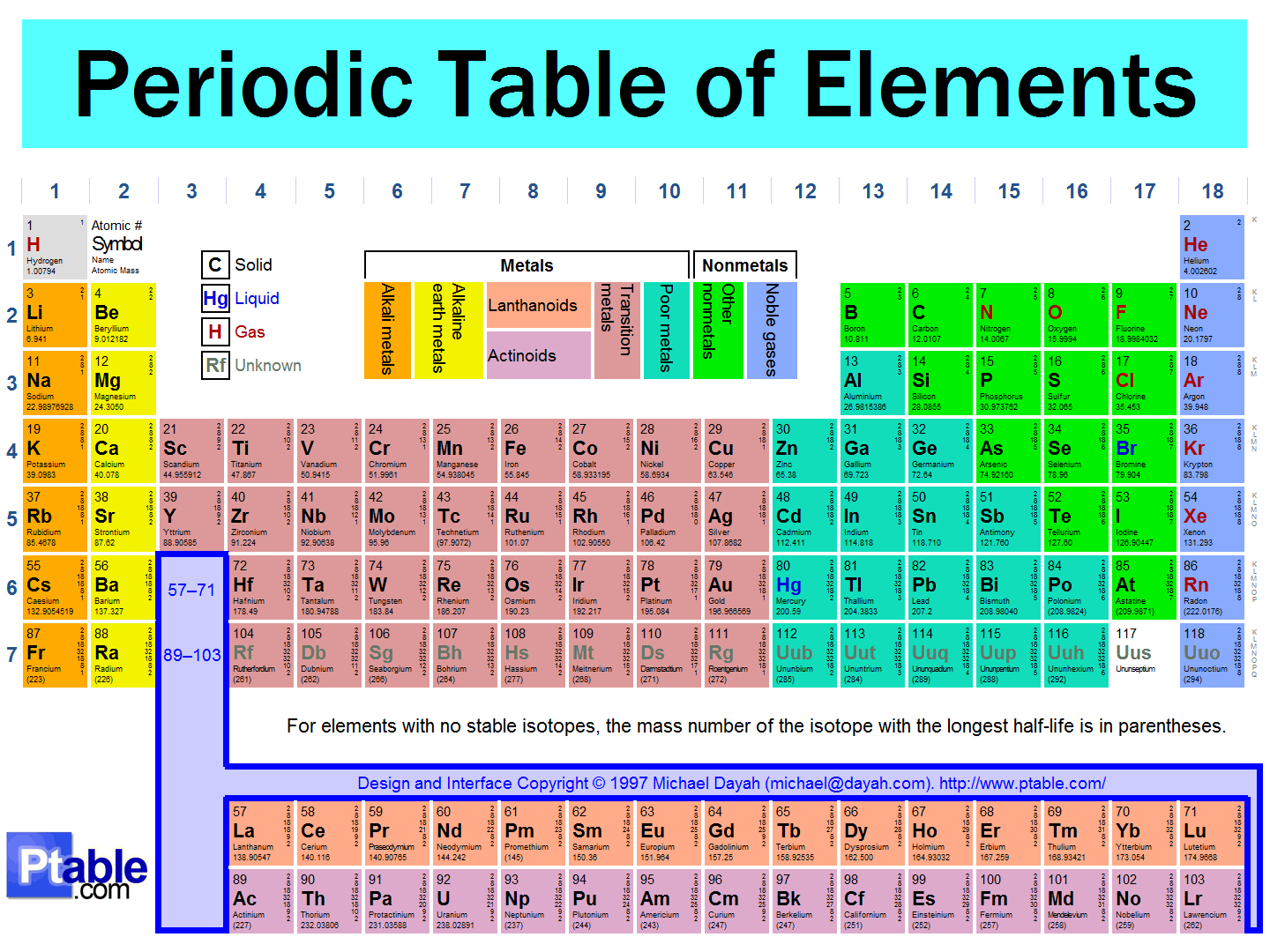


Which element is a metalloid?
H
Re
Ne
B
What are the elements in group 18 (the far right) of the periodic table called?
Alkali metals
Alkaline earth metals
Halogens
Noble gases
What are the elements found along the "staircase" called? They have properties of both metals and non-metals.
Metalloids
Non-metals
Transition metals
Metals
Hydrogen is a:
Alkali metal
Metalloid
Non-metal
Noble gas
The positively charged particle in the nucleus of an atom is a:
Proton
Neutron
Electron
Shell
The neutral particle in the nucleus of an atom is a:
Proton
Neutron
Electron
Shell
A tiny, negatively charged particle that moves around the nucleus of an atom in clouds/shells is called:
An electron
A proton
A neutron
A shell
The number of protons in the nucleus of an atom is equal to the:
Atomic number
Atomic mass
Number of neutrons
Number of valence electrons
The total number of protons and neutrons in an atom's nucleus is equal to the:
Atomic number
Atomic mass
Number of valence electrons
Number of electron shells
The horizontal rows on the periodic table are called:
Shells
Periods
Groups
Horizontals
The vertical columns on the periodic table that have common properties are called
Groups
Periods
Shells
Valences
The Russian scientist who created one of the first periodic tables by using atomic mass was:
Bohr
Rutherford
Mendeleev
Thomson
The subatomic particles that are located the farthest from the nucleus are:
Valence electrons
Valence protons
Periodic electrons
Periodic protons
The number of electron shells an atom has is equal to the element's:
Period number
Group number
Valence number
Atomic number
The number of electron shells an atom has is equal to the element's:
Period number
Group number
Valence number
Atomic number
The subatomic particles that are located the farthest from the nucleus are:
Valence electrons
Valence protons
Periodic electrons
Periodic protons
What happens to the number of shells as you move down a group?
They decrease by 1
They increase by 1
Nothing
The first energy shell can hold ______ electrons.
2
8
18
The first energy shell can hold ______ electrons.
2
8
18
The first energy shell can hold ______ electrons.
2
8
18
The first energy shell can hold ______ electrons.
2
8
18
Valence means......
inside
outside
full
We use M.A.N. to find the number of .....
Protons
Electrons
Neutrons
Shells

Elements in the same group or column have the same ...
# of valence electrons
# of shells
# of protons
Mass Number

Rows on the periodic table are called ___________.
Periods
Sentences
Fences

The columns in the periodic table are called ___________.
Towers
Herds
Groups
Elements in the same group have __________
Similar Properties
Same number of shells
Similar Mass
Elements in the same group have __________
Similar Properties
Same number of shells
Similar Mass


A
B
C
D

F
G
H
J
What is the main difference between the offspring produced by sexual reproduction and asexual reproduction?
Offspring produced sexually receive genetic material from one parent.
Offspring produced by asexual reproduction receive genetic material from two parents.
Offspring produced by sexual reproduction receive genetic material from two parents.
Asexual and sexual reproduction are the same thing.


Saliva in the mouth reacts with the food
Swallowing the food from the mouth down to the esophagus to the stomach
Digestive juices in the stomach breaks down the food
Hydrocloric acid and bile from the liver help digest and break down the food in the small intestine



