wayground logo

Free Printable Worksheets

Font size

S
M
L
XL
Worksheets

DCA Review

Total questions: 147

Worksheet time: 2hrs 14mins

Name
Class
Date
1.
In the energy pyramid here, which organisms have the most energy available?
a)
Producers
b)
Carnivores
c)
Herbivores
d)
Top Predator
2.
In the energy pyramid below, which organism has the least amount of energy available?
a)
Producers
b)
Herbivores
c)
Carnivores
d)
Top Predator
3.
In the energy pyramid here, how much of the energy in the producers gets passed to the herbivores?
a)
10%
b)
20%
c)
80%
d)
90%
4.
The diagram represents a pyramid of energy in an ecosystem.  Which level would most likely contain members of the plant kingdom?
a)
A
b)
B
c)
C
d)
D
5.
A third-level consumer has to be which type?
a)
Carnivore.
b)
Decomposer.
c)
Producer.
d)
Herbivore.
6.
A secondary consumer 
a)
eats primary consumers
b)
eats producers
c)
eats plants
7.
The way energy is passed from one organism to another
a)
food chain
b)
energy
c)
extinct
d)
habitat
8.
Examples of a producer
a)
frog
b)
algae
c)
worm
d)
mouse
9.
Which food chain is in the correct order?
a)
cat, grass, bird, snail
b)
bird, snail, grass, cat
c)
grass, snail, bird, cat
d)
grass, cat, bird, snail
10.
Which of these organisms would receive energy from the snake?
a)
Plant
b)
Rabbit
c)
Mouse
d)
Hawk
11.
What does it mean to hibernate?
a)
To change your physical characteristics
b)
To sleep for an extended period of time during the winter
c)
To travel to a warmer location
d)
To eat all the oreos
12.
If an animal migrates then they
a)
find a hole to sleep in
b)
change the color of their fur
c)
travel to a warmer location
13.
Animals that adapt...
a)
Stay the same
b)
Change certain characteristics to survive
c)
Bake cookies
14.
What is mimicry
a)
Taking the background and copy it
b)
coping another animal or thing to survive 
15.
An animal can blend in with its surrounding by using __________________
a)
migration
b)
camouflage
c)
hibernation
d)
prey
16.
A producer?
a)
Eats other plants and animals
b)
Makes its own food
c)
Eats dead plants or animals
d)
Makes toys for kids
17.
Plants and animals are often referred to as?
a)
Organism 
b)
Things
c)
Werid
d)
Ugly
18.
A consumer?
a)
Makes its own food
b)
Eats dead plants and animals
c)
Eats plants and other animals for energy
d)
Buys toys for kids
19.
A decomposer?
a)
Eats dead plants or animals and breaks down to put nutrients in the soil
b)
Eats plants or other animals for food
c)
Makes its own food
d)
Machine that gathers trash
20.
Cactus. Is it a.....
a)
Producer
b)
Consumer
c)
Decomposer
21.
Frog. Is it a....
a)
Producer
b)
Conusmer
c)
Decomposer
22.
Earthworm. Is it a...
a)
Producer
b)
Consumer
c)
Decomposer
23.
Fungi. Is it a...
a)
Producer
b)
Consumer
c)
Decomposer
24.
Pine Tree. Is it a...
a)
Producer
b)
Consumer
c)
Decomposer
25.
Flower 
a)
Producer
b)
Consumer 
c)
Decomposer 
26.
Grasshopper 
a)
Producer
b)
Consumer 
c)
Decomposer 
27.
Cow 
a)
Producer
b)
Consumer
c)
Decomposer 
28.
Grass 
a)
Producer 
b)
Consumer
c)
Decomposer 
29.
Where does digestion begin?
a)
In the small intestine
b)
In the mouth
c)
In the throat
d)
In the stomach
30.
Saliva breaking down carbohydrates into sugars is...
a)
physical/mechanical
b)
chemical
31.
Chewing and tearing apart food into smaller pieces is...
a)
physical/mechanical
b)
chemical
32.
Hydrochloric acid in the stomach breaking down food is...
a)
physical/mechanical
b)
chemical
33.
The stomach pushing and churning food is...
a)
physical/mechanical
b)
chemical
34.

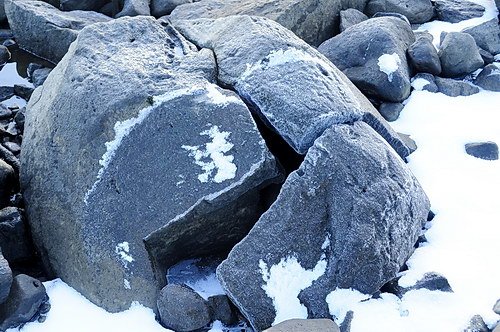
How does freezing water cause the weathering of rocks? The freezing water—

a)

keeps the rocks in place.

b)

makes the rocks last longer.

c)

expands cracks and breaks rocks.

d)

causes rocks to fall in landslides.

35.

Over long periods of time, deposition may change the Earth’s surface by _____.

a)

forming new land features.

b)

breaking down large rocks into smaller ones.

c)

washing away beaches.

d)

moving topsoil.

36.
What is the process that picks up and moves weathered rocks?
a)
Deposition
b)
Landslide
c)
Weathering
d)
Erosion
37.

What causes the greatest erosion effect on our beaches?

a)

Waves

b)

Gravity

c)

Glaciers

d)

Wind

38.

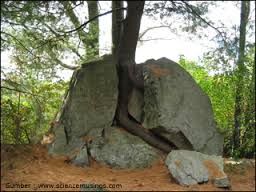
How do plants weather rocks?

a)

During photosynthesis

b)

When roots grow into cracks of rocks and expand the rock breaks.

c)

When the plant moves water from the roots to the leaves, the rock breaks.

d)

Plants don't weather rocks.

39.
What is the small broken down pieces of rock called?
a)
dirt
b)
grime
c)
sediment
d)
popcorn
40.

Wind blasting sand at rock and carving out arches

a)

weathering

b)

erosion

c)

deposition

41.
An avalanche is an example of which process?
a)
Weathering
b)
Erosion
c)
Deposition
d)
Volcanic Eruption
42.
Rain washing away soil from a hillside
a)
Weathering
b)
Erosion
c)
Deposition
43.
Muddy water being carried away by a fast-moving river
a)
Weathering
b)
Erosion
c)
Deposition 
44.
Flood waters moving soil from one location to another
a)
Weathering
b)
Erosion
c)
Deposition
45.
Which option is abiotic?
a)
Plants
b)
Bacteria
c)
Water
d)
Fungi
46.
Which option is abiotic?
a)
Plants
b)
Rocks
c)
Animals
d)
Fungi
47.
 Which biome is more likely to survive a change in the environment?
a)
High (rich) biodiversity
b)
Low (poor) biodiversity
48.
What does biodiversity mean?
a)
Only one species in an area.
b)
The different amount of species in an area
c)
All abiotic life
d)
Nitrogen fixation
49.

Image "B" shows more biodiversity than image "A". Why?

a)

Because "B" shows more different species than image "A"

b)

Because image "B" has less different species than "A"

c)

"A" has a greater number of same species plants so this statement is wrong.

d)

Both images show the same biodiversity

50.
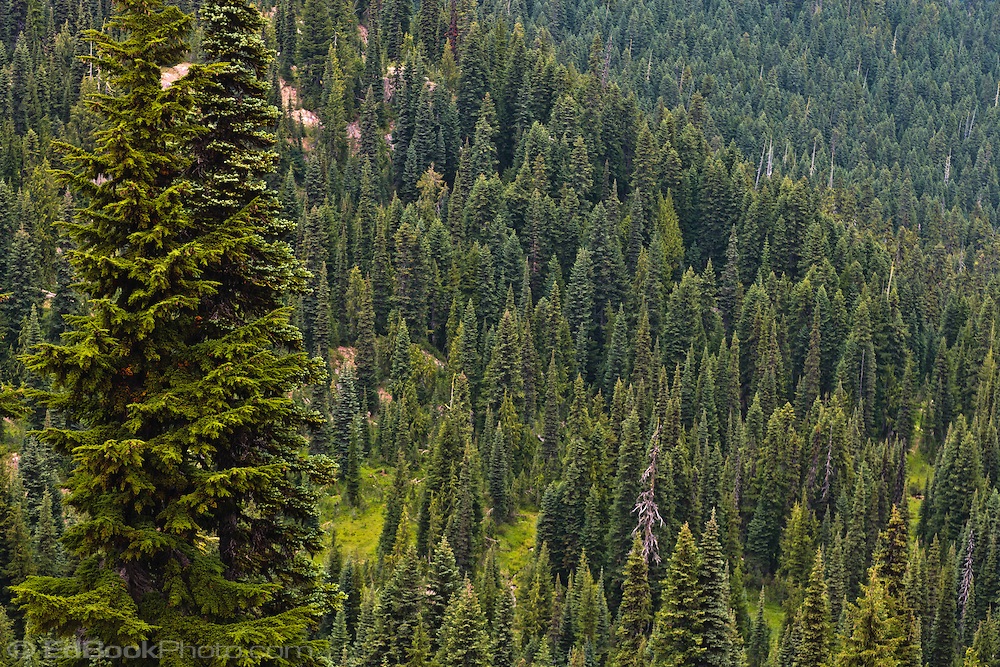
This picture is a great example of ____________ biodiversity.
a)
high
b)
moderate
c)
low
d)
hhhmmmm there is no way to know without counting.
51.
This picture is a great example of ____________ biodiversity.
a)
high
b)
moderate
c)
low
d)
hhhmmmm there is no way to know without counting.
52.

Primary succession begins where there was no ecosystem and no soil such as

a)

a severe storm

b)

a volcanic eruption

c)

an old farm is abandoned

d)

a forest fire

53.
What is a pioneer organism? It is the ______ organism in _________ succession. 
a)
is the first , in primary succession
b)
is the last in secondary succession, 
54.
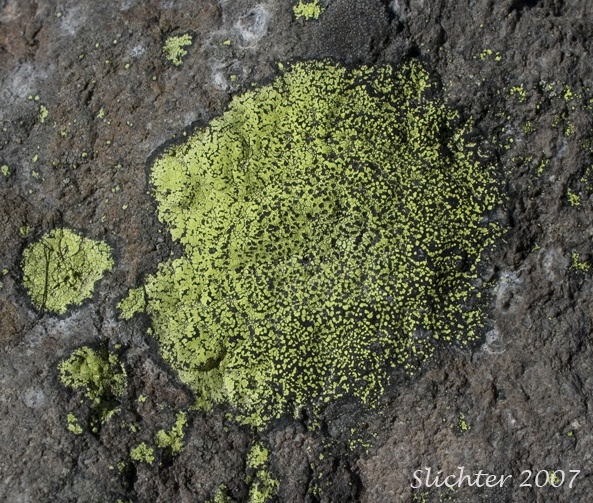
What is the name given to lichen or algae after a primary succession?
a)
pioneer species
b)
volunteer species
c)
founder species
d)
conqueror species
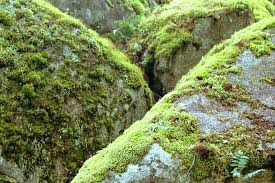
55.

What are examples of pioneer species in a primary succession?

a)

Bushes and Shrubs

b)

Oak trees

c)

Mossess and Lichens

d)

A rose Bush

56.

The forest in panel #8 is a...

a)

pioneer species

b)

climax community

c)

tertiary community

d)

intermediate species

57.

Succession type?

a)

primary succession

b)

secondary succession

c)

tertiary succession

d)

variable succession

58.

Which of these is an example of a climax community?

a)
b)
c)
d)
59.
1.  Darwin observed 13 species of finches on the Galapagos Islands.  What did Darwin conclude about the finches?
a)
a.  They evolved from a common ancestor.
b)
They all came from different continents.
c)
they evolved from 13 different types of birds.
d)
they developed from other types of organisms.
60.

The purpose of selective breeding is to

a)

Get bigger animals and plants

b)

Get smaller animals and plants

c)

Create animals and plants with desirable traits

d)

Create animals and plants with bad traits

61.

Another name for Selective Breeding is

a)

Evolution

b)

Natural Selection

c)

Extinction

d)

Artificial Selection

62.

The evolution of domestic dogs from wolves is due to:

a)

Natural Selection

b)

Sexual Selection

c)

Artificial Selection

d)

Vestigial Structures

63.

When selective breeding food crops what might a farmer select for?

a)

The plant the produced the most grain

b)

The plant the produced the largest sized grain

c)

The plant that was the most disease resistant

d)

The plant that was the smallest

e)

The smelliest plant

64.

To breed a cow that produces a lot of milk a farmer would breed:

a)

Two cows that produce a lot of milk

b)

A cow and a bull that produce a lot of milk

c)

A cow who produces a lot of milk and a bull who's mother produced a lot of milk

d)

The biggest cow and the biggest bull

65.
Every living organism is made up of one or more cells
a)
True
b)
False
66.
Which of the following are NOT found in animal cells
a)
chloroplasts and cytoplasm
b)
chloroplasts and cell wall
c)
cell wall and cell membrane
d)
mitochondria and nucleus
67.
The nucleus is like the ____________ of the cell.
a)
foot
b)
hand
c)
stomach
d)
brain
68.

Which of the following converts food into energy for the cell?

a)

vacuole

b)

mitochondria

c)

cytoplasm

d)

cell membrane

69.
In asexual reproduction, all of the offspring are:
a)
Physically Identical
b)
Genetically Identical
c)
Physically and Genetically Identical
d)
Not Identical
70.
a)
budding
b)
sporulation
c)
vegetative propagation
d)
binary fission
71.
a)
budding
b)
binary fission
c)
sporulation
d)
regeneration
72.
How many parent(s)are needed for asexual?
a)
4
b)
1
c)
9
d)
100
73.
When a starfish grows a new body off a broken arm, what kind of reproduction is this?
a)
Sexual
b)
Differentiation
c)
Asexual 
d)
Specialization
74.
What does heredity mean?
a)
DNA being passed down from one generation to the next.
b)
Passing down acquired characteristics to your offspring.
c)
Leaving money in a will to your children
d)
all DNA is kept in the nucleus
75.
Where is all the genetic material inside a cell?
a)
nucleus
b)
vacuole
c)
cell membrane
d)
ribosome
76.
Passes genetic information
onto future generations
a)
sexual reproduction
b)
asexual reproduction
c)
both
77.
Prokaryotes (bacteria) reproduce asexually via -
a)
spore formation
b)
bud creation
c)
vegetative propagation
d)
binary fission
78.

Requires two parents

a)

sexual

b)

asexual

79.

Which is a type of Asexual Reproduction

a)

Sexual

b)

Binary fission

c)

Cells

d)

organism

80.

___________________ is a type of asexual reproduction in which a piece of a parent organism breaks off to form an new organism (ex. starfish).

a)

fission

b)

budding

c)

fragmentation

d)

fertiliztion

81.

What are some advantages of asexual reproduction are: (select all that apply)

a)

it only requires one organism

b)

it takes less energy than sexual reproduction

c)

offspring are already well-adapted for the environment

d)

there is a lot of genetic variety

82.

What are some disadvantages to sexual reproduction? (select all that apply)

a)

it takes a lot of energy to find a mate

b)

you don't need another mate

c)

it requires a male and a female

d)

more genetic errors can occur

83.

An organism that has been reproduced by asexual means receives ______________ of its chromosomes from its one parent.

a)

3

b)

25%

c)

50%

d)

100%

84.

Identify the type of asexual reproduction shown in the image.

a)

vegetative propogation

b)

cloning

c)

binary fision

d)

budding

85.

Identify the type of asexual reproduction shown in the image.

a)

vegetative propogation

b)

cloning

c)

binary fision

d)

regeneration

86.

Identify which type of reproduction the organism shown performs.

a)

asexual

b)

sexual

87.

Identify which type of reproduction the organism shown performs.

a)

asexual

b)

sexual

88.
What is the volume of the liquid in this graduated cylinder?
a)
8.2 mL 
b)
8.02 mL 
c)
82 mL 
d)
9.8 mL
89.
What is the volume of the liquid in this graduated cylinder?
a)
43 mL 
b)
40.3 mL 
c)
4.3 mL 
d)
.43 mL
90.
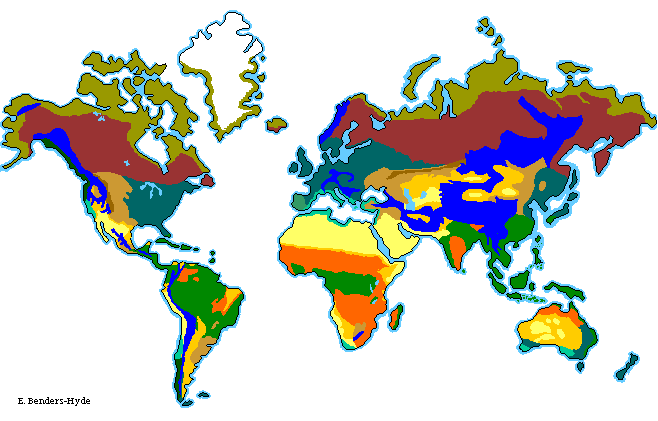
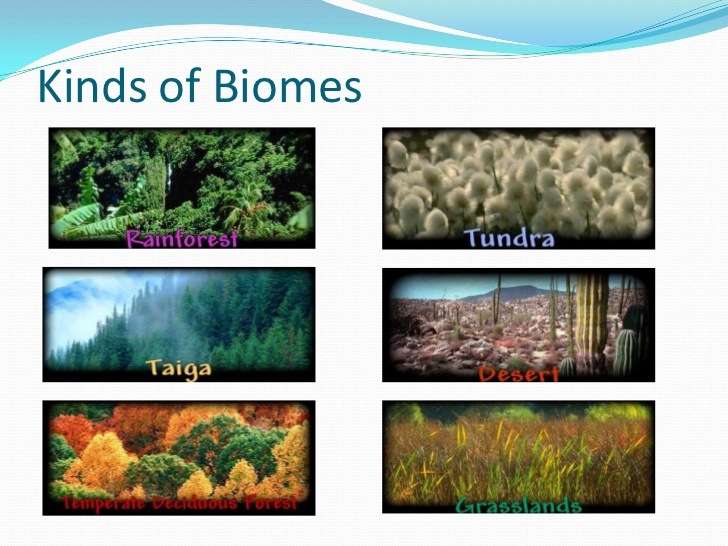
A large ecosystem is called a ______
a)
Ecosystem
b)
Habitat
c)
Biome
d)
Niche
91.
What is the main factor that separates the biomes?
a)
Land
b)
Water
c)
Climate
d)
Longitude
92.
Which biome has coniferous trees (which don't lose their leaves)?
a)
Taiga
b)
Temperate Forest
c)
Tundra
d)
Grasslands
93.
Which biome has wide-open fields of grass?
a)
Taiga
b)
Grasslands
c)
Temperate Forest
d)
Rainforest
94.
Which biome has the most variety of plants and animals?
a)
Temperate Forest
b)
Rainforest
c)
Tundra
d)
Grasslands
95.
Which biome has 4 seasons?
a)
Taiga
b)
Tundra
c)
Grasslands
d)
Temperate Forest
96.
In which 2 biomes can only plants/animals with adaptations survive?
a)
Taiga/Temperate Forest
b)
Grasslands/Desert
c)
Tundra/Desert
d)
Rainforest/Tundra
97.
Element or Compound?
H2O
a)
Element
b)
Compound
98.
Element or Compound?
H2SO4
a)
Element
b)
Compound
99.
Element or Compound?
Au
a)
Element
b)
Compound
100.
What body system protects your organs?
a)
Nervous System
b)
Cardiovascular System
c)
Respiratory System
d)
Skeletal System
101.
What system moves the body?
a)
Endocrine System
b)
Muscular System
c)
Cardiovascular System
d)
Skeletal System
102.
What body system breaks down food for energy?
a)
Urinary System
b)
Digestive System
c)
Lymphatic System
d)
Respiratory
Respiratory System
103.
What system sends and receives messages?
a)
Immune System
b)
Urinary System
c)
Digestive System
d)
Nervous System
104.
This system gets rid of waste.  What is it?
a)
Muscular System
b)
Urinary System
c)
Lymphatic System
d)
Endocrine System
105.
 What system brings food and oxygen to cells?
a)
Cardiovascular System
b)
Nervous System
c)
Digestive System
d)
Muscular System
106.
What body system is for support, protection, and creates new blood cells?
a)
skeletal system
b)
muscular system
c)
circulatory system
d)
integumentary system
107.
What body system removes the waste from your body? 
a)
Circulatory
b)
Excretory
c)
Digestive
d)
Respiratory
108.
Your skin and hair are parts of your ___________
a)
endocrine system
b)
excretory system
c)
lymphatic system
d)
integumentary system
109.
The skin is the major organ in which system?
a)
Integumentary
b)
Muscular
c)
Endocrine
d)
Immune
110.
Which system uses hormones to regulate body activities?
a)
Integumentary
b)
Urinary
c)
Endocrine
d)
Immune
111.

Which level of organization is a heart at?

a)

Cell

b)

Tissue

c)

Organ

d)

Organ System

112.

Which level of organization are you at?

a)

Tissue

b)

Organ

c)

Organ System

d)

Organism

113.

What are the levels of organization in order?

a)

Cell, Tissue, Organ, Organ System, Organism

b)

Cell, Tissue, Organ, Organ System

c)

Cell, Tissue, Organ, Organism, Organ System

d)

Cell, Organ, Tissue, Organ System, Organism

114.

True or false... The reproduction in plants is always an asexual process.

a)

True

b)

False

115.
What tool do you use to view the cells?
a)
metric ruler
b)
centrifuge
c)
microscope
d)
telescope
116.
All living things are made up of...
a)
cells
b)
cell tissues
c)
organ
d)
organ systems
117.
All cells come from___________ cells.
a)
pregnant
b)
pre-existing
c)
paternal
d)
pin size
118.
Rocks are not living because
a)
they never move
b)
they aren't needed for humans
c)
they are not made of cells
d)
they don't break down
119.
Rocks are not living because
a)
they never move
b)
they aren't needed for humans
c)
they are not made of cells
d)
they don't break down
120.
Multicellular Organisms
a)
Made of 1 cell
b)
Made of more than 1 cell
121.

dog

a)

unicellular

b)

multicellular

c)

neither

122.

bacteria

a)

unicellular

b)

multicellular

c)

neither

123.

A rock would be considered ________.

a)

unicellular

b)

multicelluar

c)

nonliving

d)

living

124.

what one is the bigger Organism

a)

Multicellular

b)

Unicellular

125.

what one can you see with naked eye

a)

Multicellular Organisms

b)

Unicellular Organisms

126.

what one cant be seen with naked eye

a)

Multicellular Organisms

b)

Unicellular Organisms

127.
Which part of the plant makes the food?
a)
roots
b)
stem
c)
leaf
d)
flower
128.
What part of the plant structure transports the food and nutrients?
a)
leaf veins
b)
phloem
c)
xylem
d)
mycelium
129.
What part of the plant structure transports the water?
a)
photosynthesis
b)
Xylem
c)
Hyphae
d)
Phloem
130.

Plants can reproduce sexually

a)

true

b)

false

131.
What is the volume of the fish?
a)
18.0 cm3
b)
6.0 cm
c)
38.0 cm3
132.
Frank has a paper clip. It has a mass of 9g and a volume of 3cm3. What is its density?
a)
3 g/cm3
b)
1/3 g/cm3
c)
27 g/cm3
d)
39 g/cm3
133.
The passing of DNA from parents to offspring
a)
Generation
b)
Heredity
c)
Inheritance
d)
Traits
134.
Chromosomes are found in the ____________ of the cell
a)
Chloroplast
b)
Nucleus
c)
Cytoplasm
d)
Mitochondria
135.
Segments of DNA are called _______________________
a)
Genes
b)
Nuclei
c)
genotypes
d)
Chromosomes
136.
If a child has red hair, they inherited a certain _______________ from their parents.
a)
ratio
b)
trait
c)
probability
d)
sex chromosome
137.
When humans breed purebred dogs to look a certain way and have traits that they like, this is an example of ___________________________
a)
Probably Breeding
b)
Sectional Breeding
c)
Selective Breeding
d)
Suspended Breeding
138.
A copper penny turning greenish after a few years is an example of ...
a)
Chemical Change
b)
Physical Change
139.
Is melting butter for popcorn a chemical or physical change?
a)
chemical
b)
physical
140.
Is a rusting bicycle a chemical or physical change?
a)
chemcial
b)
physical
141.
Ripping up paper ...
a)
Chemical Change
b)
Physical Change
142.
An explosion occurs ...
a)
Chemical Change
b)
Physical Change
143.

Melting ice

a)

physical change

b)

chemical change

144.

Burning wood

a)

physical change

b)

chemical change

145.

Acid in stomach, breaking down food.

a)

physical change

b)

chemical change

146.

What happens when a new substance is produced during a reaction?

a)

chemical change

b)

physical change

147.

Which change describes a substance that changes shape, form, or appearance but is still the same substance?

a)

physical change

b)

chemical change