
 Worksheets
Revision
Total questions: 144
Worksheet time: 3hrs 7mins

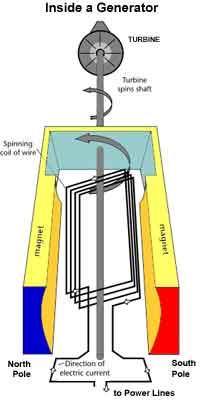
This device converts mechanical energy into electrical energy. It creates electricity.
Electric Generator
Electric Motor
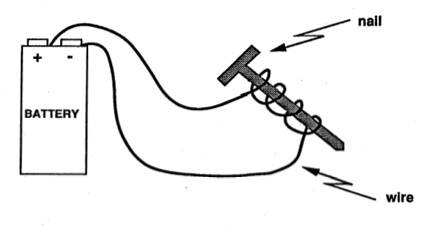
Electromagnet
Voltmeter
The strength of an electromagnet can be affected by
changing the current in the wire
adding more coils
increasing the mass of the iron core
All of the above


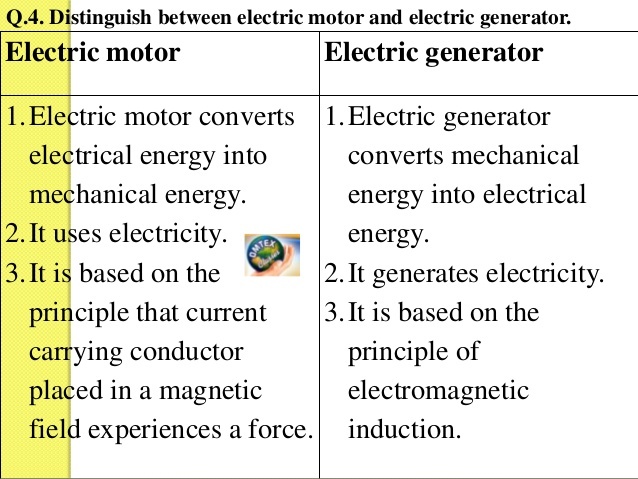
What word best fits this definition: A device which converts electrical energy into mechanical energy usually through the rotation of an electromagnet in the field of a stationary magnet.
armature
system
motor
electromagnet
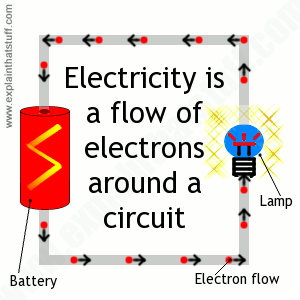
Moving magnets generate_______________ (select two)
moving electrons
mechanical energy
electric current
chemical energy
In a _______ a spinning turbine moves magnets which generates an electric current.
Motor
Generator
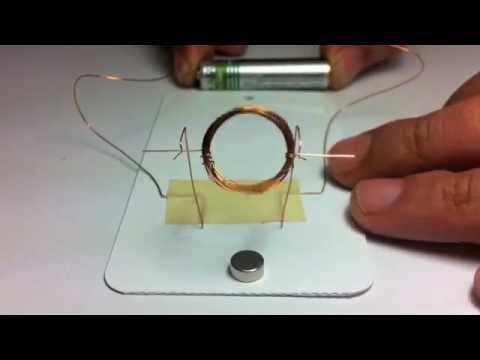
What does a motor do?
Moves up and down
Rotates without electricity
It induces electricity
Uses electricity to rotate
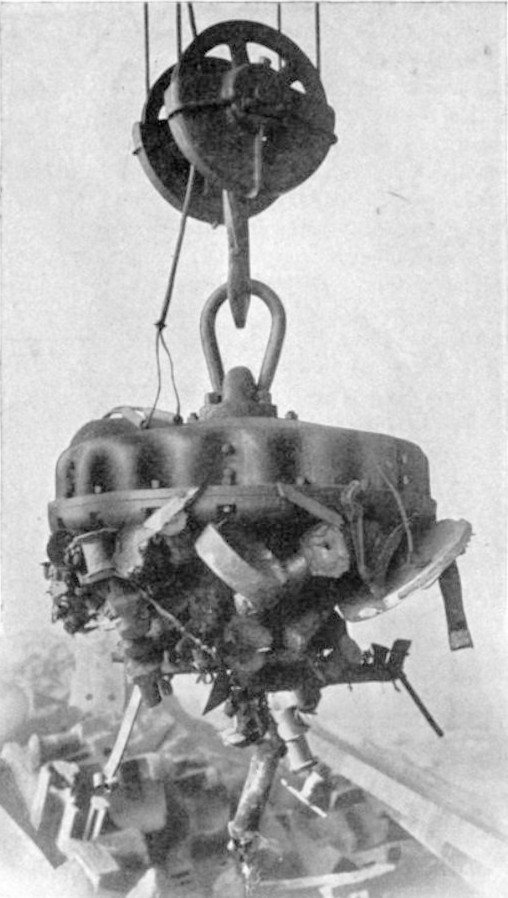
How are electromagnets different from magnets? (select two)
magnets can be turned on/off
you can turn an electromagnet on/off
electromagnets are temporary
magnets are more powerful

(I X R)
Voltage divided by Resistance
(V / R)
Current
Power
Ohms
Watts
What is the current of a series circuit with a total resistance of 10 ohms and a voltage of 110 V
0.09
11.0
1100.0
10.0
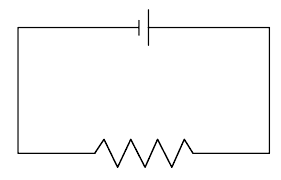
How much resistance is required to create 19 A with a 120 V source?
63.2 Ω
6.32 Ω
6.32 W
632 Ω
How much voltage is required to create 900 W on a circuit pulling 4 A?
2.25 V
22.5 V
225 V
225 Ω
If the battery produced 12.6 Volts and there was a 6 Ohm resistor, what would be the current?
2.1 Amps
2.4 Amps
1.71 Amps
15 Amps
If there are 40 Volts and 5 Amps running through an electrical circuit, what is the resistance of the circuit?
1 Ohm
2 Ohms
4 Ohms
6 Ohms
8 Ohms

If an electric ceramic brush has a current of 0.3 amps and a voltage of 120 volts, what is the resistance?
18Ω
36Ω
200Ω
400Ω

If a charger for a tablet offers a voltage of 120V and has 240Ω of resistance, what is the amperage?
0.5A
2A
14,400A
28,800A

If a computer has 10.0A of current and 11Ω of resistance, what is its voltage?
0.9V
1.1V
55V
110V
If the Voltage stays the same and Resistance is increased, Current will
Increase
Decrease
Stay the same
none of these
If the Voltage is increased and the resistance stays the same, Current will
Increase
Decrease
Stay the same
none of these
When only one lightbulb blows out, an entire string of decorative lights goes out. The lights in this string must be connected in
series with multiple current pathways
series with one current pathway
parallel with multiple current pathways
parallel with one current pathway


When more light bulbs are added they all remain bright.


Choose the correct option to describe the current readings shown by the ammeter in this circuit
A2 = A3
A2 + A3 = A1
A1 + A2 = A3
A4 = A2 - A3
In a series circuit...
the current is the same everywhere.
the current is split between components.
the voltage is the same everywhere.
the voltage is split between components.

What is the missing value on the voltmeter?
(a)
Electricity is the presence of movement of _______ .
Neutrons
Protons
Electrons
Nucleus
What is an electric circuit?
The path which the electric current takes.
The movement or flow of negatively charged electrons
The presence of electrons
An electric charge that collects or builds up on the surface of an object
Which one of this that are NOT basic component of simple circuit?
Light bulb
Wire
Battery
Appliances
In series circuit, there is only _____ path for electrons to flow.
One
Two
Three
Four
In series circuit, the lights are connected ________ to each other.
Side by side
Parallel
Close by
Effectively
If one of the light bulb in series circuit is taken off, what will happen to the other light bulb?
The other light bulb will be on
The other light bulb will be off
The other light bulb will stay on
Both light bulb will be on
In parallel circuit, there are _________ pathways for charge to flow.
One
Two or more
None
Zero
In a parallel circuit, if we remove one of the light bulb, what will happen to the other light bulb?
The other light bulb will stay on.
The other light bulb will be off
Both light bulb will be on
Both light bulb will be off
If we add more light bulbs into a parallel circuit, how will the brightness of the bulbs change?
It will get dimmer
It will get brighter
The brightness will stay the same
None of the light bulb will be on

Which one is the circuit diagram of this picture?


What is the advantage of having a safety switch or fuse in the electric circuits of your house?
Safety switches break the circuit when there is no fault
Safety switches switch the electrical current
It prevents the circuit from overheating and starting the fire
Fuses are fused together with electrical wires
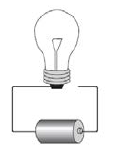
Which of these would best complete the circuit so the lightbulb turns on?
rubber band
metal nail
leather shoelace
wooden toothpick


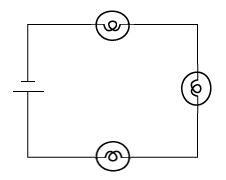
What type of circuit is shown?
Parallel
Series
Open
The voltage stays the same in a series circuit.
True
False

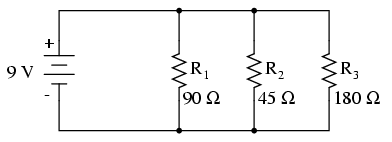
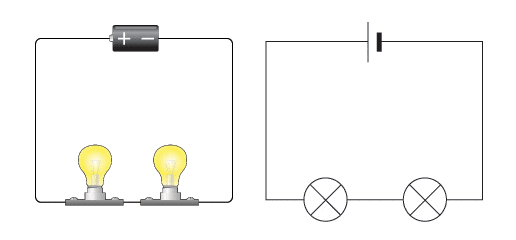


What is happening here?
Series circuit - Bulbs are lit
Series circuit - Bulbs are off
Parallel circuit - Bulbs are lit
Parallel circuit - Bulbs are off

What connects the current source with the commutator of a motor.
brushes
armature
magnet
commutator

The rotating part of an electrical motor.
brushes
magnet
commutator
armature
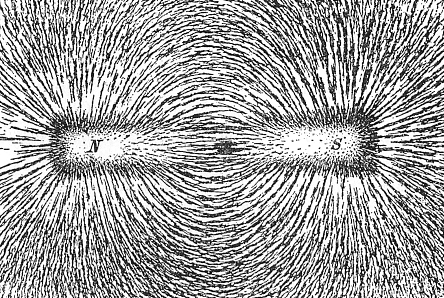
Any material that attracts iron and materials that contain iron.
armature
brushes
magnet
electric motor

A device that controls the direction of the flow of current through an electric motor
electromagnet
Electromagnetism
solenoid
commutator

A coil of wire that produces a magnetic field when carrying an electric current
electromagnet
solenoid
galvanometer
commutator

a coil that has a soft iron core and that acts as a magnet when an electric current is in the coil
electromagnet
solenoid
transformer
motor

A device that uses an electromagnet to detect small amounts of current
brushes
solenoid
galvanometer
transformer

Device that uses electromagnetic induction to change the voltage of electric current.
thermometer
galvanometer
electric transformer
electric motor
A device that decreases the voltage of an alternating current is called a(n)
step down transformer
step up transformer
compass
solenoid
The number of loops in the primary and secondary coils is 100 and 350 respectively. The primary voltage is 200V. What is the voltage in the secondary coil?
400 V
500 V
600 V
700 V
The primary coil of a transformer has 10 loops and 1,200V. The secondary coil has a voltage of 2,400 V, what is the number of loops in this coil?
2
20
10
25
A flow of positive and negative charges is called:
Neurons
Electricity
Transformers
Turbines

This is an example of a:
substation
grid
transformer
solar panel

Transformers like this step the voltage ________ before it reaches your home to make it more __________.
up; safe
down; unsafe
up; unsafe
down; safe

Which BEST describes this image?
A network of systems that generate, transmit, and distribute electricity.
The path electricity follows.
The loosely connected US electric grid system.
The movement of electricity from the power plant to your home.
Solar, wind, and water are examples of:
nonrenewable resources
exploited resources
renewable resources
old resources
Nonrenewable resources:
are limited and cannot be replaced quickly.
are unlimited and abundant.
are always replenishing themselves (like solar, wind, and water).
will never run out and generate no CO2.

This is a:
motor
rotor
turbine
spinner

A system of transformers is called a(n):
weather station
panel station
electric station
substation
Which of these components make up the electric grid system (choose all that apply)?


Because the sun constantly generates solar energy, it is considered:
renewable
nonrenewable
a fossil fuel
a CO2 generator
State the energy change involved in power station that uses wind energy
(a)
Select the two factors that produces electric current found by Michael Faraday
Movement of the galvanometer
Movement of the magnet
Movement of the wire
What is the meaning of direct current?
(a)
Alternating current flows _____ and at ______ magnitude
in one direction, fixed
alternately, fixed
in one direction, changing
alternately, changing
Arrange the energy change involved in generators using biomass :
_____ -->_____ -->_____ -->_____
Heat energy, kinetic energy, chemical energy, electrical energy
chemical energy, heat energy, electrical energy, kinetic energy
kinetic energy, heat energy, electrical energy, chemical energy
chemical energy, heat energy, kinetic energy, electrical energy
How is Electricity Generated?
By the use of turbines
by the use of electricity
by the use of sub stations
by the use of transmission lines
Which of the following is utilize to generate electricity in a hydro electric power plant?
Nuclear
Water
coal
Fossil Fuel
How do Solar power plant produce electricity?
the sunlight turns the turbines
the solar panels collect the lights coming from the sun.
the steam from the sunlight rotates the turbines
it doesn't happen at all.
Which type of fuel is a solid?
oil
coal
natural gas
solar
Why is ethanol a renewable fuel?
It is made from algae.
It is made from corn.
It is made from coal.
It is a fossil fuel.
Fossil fuels are sources of energy made from what?
prehistoric plants
prehistoric animals
both of these
none of these

Figure shows two pulses on a CRO. The pulses are caused by two consecutive signals detected by a microphone connected to the CRO.
Calculate the time lapse between the signals if the timebase setting is 4 ms cm -1.
1.208 second
0.1208 second
0.00208 second
0.0208 second

Diagram shows a waveform displayed on the screen of a cathode ray oscilloscope (C.R.O.). Which of the following control switch needs to be switched on to display this waveform?
intensity
time-base
Y-gain
Y-shift

Diagram shows a trace on the screen of a C.R.O. when a signal is connected across the Y-input. What type of signal is applied across the Y-input and what is the condition of the time-base?
alternating current, switched off
direct current, switched off
alternating current, switched on
direct current, switched on

Diagram shows the trace displayed on the screen of a C.R.O. with the time-base set to 10 ms/div. What is the frequency, f of the wave?
5 Hz
25 Hz
40 Hz
50 Hz

Diagram shows a waveform displayed on the screen of a C.R.O. If the controls on the C.R.O. are set at 0.5 V/div and 2 ms/div, find the peak voltage and the frequency of the input signal.
4 V, 2 Hz
5 V, 10 Hz
2 V, 100 Hz
4 V, 100 Hz
If a transformer reduces voltage, it is called a....................... transformer.
step left
step right
step up
step down
If a transformer increases voltage, it is called a ......... transformer.
step right
step left
step up
step down
The winding of wire around a core which is connected to a source of energy is called the ....... coil.
primary
secondary
tertiary
Calculate potential difference in the secondary coil based on the information given below.
Vp = 240 V
Np = 20
Ns = 125
Vs ?
1500
500
1000
2000
Which of the following is an example of appliance using alternating power source?


Why transformers work with A.C. current but not D.C.
A.C current produces changing magnetic field.
D.C current produces changing magnetic field.
D.C current is weak
A.C current is powerful
What is the material used for construction of transformer core?
Aluminium
Copper
Iron
Wood
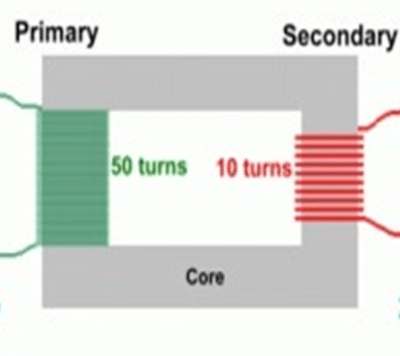
This picture is an example of a ________________.
Motor
Generator
Step-up transformer
Step-down transformer
A transformer has 100 turns in the primary coil and 25 turns in the secondary coil. When a 120 V is applied to the primary coil, what is the voltage in the secondary coil?
480V
30V
20V
450V
In order for electromagnetic induction to occur, there must be relative............between a magnetic field and a conductor.
race
Motion
field
voltage
The magnetic field produced by an alternating current can be thought of as a ............................... magnetic field.
moving magnetic field
dynamic magetic field
electrodynamic magnetic field
magnetic field
A laminated transformer core reduces the amount of energy that is wasted in the form of........
solidifying
flux
heat
Ratio of voltages is equal to ratio of _______________________.
number of iron sheets in core
number of coil
number of turns in coil
number of electromagnetic

