wayground logo

Free Printable Worksheets

Font size

S
M
L
XL
Worksheets

US History EOC Review

Total questions: 123

Worksheet time: 2hrs 14mins

Name
Class
Date
1.
The Great Compromise was a compromise between--
a)
Mass. Plan and New Jersey Plan
b)
Virginia Plan and New Jersey Plan
c)
Virginia Plan and New York Plan
d)
Virginia Plan and Delaware Plan
2.
The 3/5 Compromise settled the argument of--
a)
Representation in the Senate
b)
How slaves should be counted for representation
c)
How states should be represented
d)
Borders of states
3.
What was the 1st elected legislative body in North America called?
a)
The House of Burgesses
b)
The VA Company of London
c)
The Governer's Council
d)
The Virginia Council of Burgesses
4.
Who said, "If you don't work, then you don't eat!"?
a)
Chief Powhatan
b)
Christopher Newport
c)
Lord De La Warr
d)
Captain John Smith
5.
Why did the Puritans leave England?
a)
They were being persecuted 
b)
Because they wanted to practice their religion their way
c)
They were exiled by the king
d)
The people of England thought they were witches
6.
Both Pilgrims & Puritans left England because they wanted.......
a)
Religious Freedom
b)
Mayflowers
c)
Harvests
d)
Indentured Servants
7.
The religion that was founded by William Penn was knows as __________.
a)
Protestant
b)
Baptist
c)
Catholic
d)
Quaker
8.
The Middle Colonies became known as the "breadbasket" colonies because of the good farmland and agriculture.
a)
True
b)
False
9.

A word used to best describe a Quaker is _______.

a)

angry

b)

peaceful

c)

hostile

d)

energetic

10.
Which of these means "the forced voyage of enslaved Africans to the Americas"?
a)
Colony
b)
Plantation
c)
Middle Passage
d)
Columbian Exchange
11.

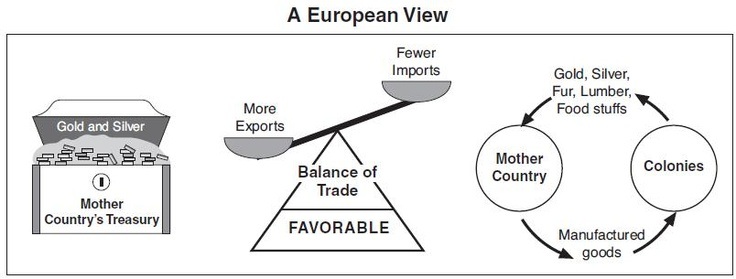
What is mercantilism?

a)

A system where a mother countries gains money and power from natural resources that come from its colonies.

b)

where colonies trade gold and silver with each other.

c)

Wars that start over money.

d)

Plantation colonies trading slaves for money.

12.
What is an economic system, where African slaves were exchanged for raw materials, money, and finished goods? Those countries/continents involved included Ivory Coast  (Africa), Europe, and the Americans.
a)
Mercantalism
b)
Triangular Trade
c)
Market economics
d)
Feudalism
13.

Because of the fertile land and a long growing season, plantations in the thirteen colonies developed in the

a)

New England Colonies

b)

Mid-Atlantic Colonies

c)

Southern Colonies

d)

Upper Ohio Valley

14.
What is Salutary Neglect?
a)
Policy meant to keep the colonies loyal to Britain by not enforcing rules.
b)
American policy to neglect the rules of Britain.
c)
An economic system that benefits the mother country at the expense of the colony
d)
The process of neglecting salutary.
15.
What was stated in the Proclamation of 1763?
a)
Colonists were banned from settling west of the Appalachian Mountains.
b)
Colonists were encouraged to begin settling west of the Appalachian Mountains.
c)
The Proclamation ended the French and Indian War. 
d)
The Proclamation proclaimed independence for the American colonists. 
16.
What was one effect of the Treaty of Paris?
a)
The French gained a huge amount of land in North American had had been claimed by the British.
b)
The British gained a huge amount of land in North American had had been claimed by the French.
c)
The Native American Indians were able to take control of their land.
d)
The Treaty formally ended the American Revolution. 
17.
  What was the purpose of the Treaty of Paris in 1763?
a)
The purpose of the Treaty of Paris in 1763 was to end the Revolutionary War. 
b)
The purpose of the Treaty of Paris in 1763 was to create an agreement between Chief Pontiac and the British colonists. 
c)
The purpose of the Treaty of Paris in 1763 was to end the French and Indian War.   
d)
The purpose of the Treaty of Paris in 1763 was to recognize America as a free and independent nation.
18.

The Stamp Act taxed all ________ goods.

a)

paper

b)

plastic

c)

pollution

19.

What did the Stamp Act tax?

a)

Tea and sugar

b)

mail sent between England and the American colonies

c)

It was an income tax on the colonial lawyers

d)

Printed materials like newspapers and legal documents

e)

Weapons such as muskets and rifles

20.
Colonists refused to buy British tea because
a)
England's Parliament was taxing them without representation
b)
they did not like the taste of British tea
c)
they did not agree with paying taxes at all
21.
The _____________ Acts were passed to punish the colonists for the Boston Tea Party protest.
a)
Terrible
b)
Intolerable
c)
Hateful
22.
The French began to support the Americans after this battle
a)
Lexington and Concord
b)
Yorktown
c)
Saratoga
d)
Treaty of French 
23.
Soldiers froze here because of the harsh winter
a)
Paris
b)
Valley Forge
c)
Rio Grande Valley 
d)
Yorktown 
24.
How did the former German General Baron von Steuban help the Americans?
a)
Shared British secrets
b)
Made a huge donation to the American Revolution cause
c)
Helped to form alliance with France
d)
Trained the soldiers to march and fire guns quickly
25.
Who wrote Common Sense and The Crisis during the American Revolution?
a)
John Paul Jones
b)
Abigail Adams
c)
Thomas Paine
d)
Benjamin Franklin
26.
Who helped secure France's help during the war?
a)
Ben Franklin
b)
John Hancock
c)
Sam Adams
d)
Benedict Arnold
27.
Who was the volunteer from France who became Washington’s trusted aide?
a)
Benjamin Franklin
b)
Francis Marion
c)
Marquis de Lafeyette
d)
Thomas Pain
28.
What 2 major battles did the Americans win?
a)
Trenton and Saratoga
b)
Philadelphia and New York
c)
New York and Saratoga
d)
Trenton and New York
29.
What made the Battle of Yorktown significant?
a)
It was the first battle of the American Revolution
b)
It was the first battle of the American Civil War
c)
English Sarah was there
d)
It was the last major battle of the American Revolutionary War
30.
Under the Articles of Confederation, most of the power was where?
a)
Legislative branch
b)
the president
c)
the states
d)
national government
31.
How many branches of government were there under the Articles of Confederation?
a)
One
b)
Zero
c)
Two
d)
Three
32.
Daniel Shays' rebellion showed that:
a)
the government under the Articles of Confederation could not keep control of its citizens
b)
the government should be able to defend our citizens from Great Britain again
c)
the government needs to protect the citizens from Native American attacks
33.
The unsettled area past the Appalachian Mountains, where Ohio, Indiana, Illinois, Wisconsin are today, was known as the - 
a)
Northwest Territory
b)
Southwest Territory
c)
Western Territory
d)
Indian Territory
34.
What is the name of the first written plan of government for the newly independent U.S.A.?
a)
Constitution
b)
Treaty of Paris
c)
Declaration of Independence
d)
Articles of Confederation
35.
The Northwest Ordinance said that slavery was illegal in the Northwest Territory
a)
True
b)
False
36.
The Northwest Ordinance provided a pathway for territories to apply for
a)
statehood
b)
federal funding
c)
infrastructure grants
37.

The Constitution contains no Bill of Rights to protect individual liberties like freedom of speech, trial by jury, and the right against searches and seizures.

a)

Federalist

b)

Antifederalist

38.

Promoted the creation of a strong, centralized, national government.

a)

Federalists

b)

Anti-Federalist

39.

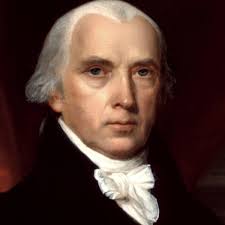
Who is known as the "Father of the Constitution"?

a)

George Washington

b)

Alexander Hamilton

c)

James Madison

d)

Benjamin Franklin

40.

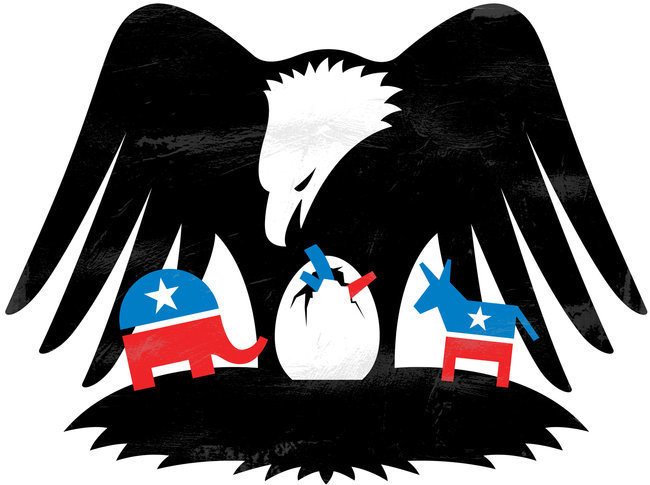
The Federalist and Anti-Federalists groups are known as _______________.

a)

Governing Groups.

b)

Political Parties.

c)

Militia's.

d)

Delegates.

41.

The ___________ are for the ratification (approval) of the U.S Constitution.

a)

Federalists

b)

Anti-Federalists

c)

Whiggs

d)

Representatives

42.

The "Federalist Papers" were written to:

a)

Explain and convince the people into supporting the new U.S Constitution.

b)

spark a new revolution among the American people against their government.

c)

oppose a strong centralized government.

d)

create a new monarchy.

43.
What precedent was established as a result of the Whiskey rebellion?
a)
Whiskey prices can be negotiated by common people
b)
Presidential term limit of 8 years (2 terms of office) 
c)
The government would use force to maintain order
d)
Prohibition
44.
What did Washington warn against?
a)
Political parties
b)
Involvement in European politics
c)
Permanent alliances
d)
all of the above
45.
An earlier event or action that is regarded as an example or guide to be considered in subsequent similar circumstances is a 
a)
impressment
b)
precedent
c)
bond
d)
credit
46.
The final precedent set by George Washington
a)
Appointing his successor
b)
Serving only two terms
c)
Dying in office 
d)
Delivering the Gettysburg Address to Congress
47.
What did the Sedition Act prohibit, or outlaw?
a)
public hearings
b)
public elections
c)
public meetings
d)
public opposition to the government
48.
Which of the following did the Sedition Act make illegal?
a)
To organize protests 
b)
To falsely criticize the government
c)
To print factual information about the government
d)
The sponsorship of immigrants to America
49.
 Why were the Alien and Sedition Acts passed?
a)
To silence Democratic-Republican opposition
b)
To promote immigration to the US
c)
To end immigration to the US
d)
To improve conditions for immigrants to the US
50.

What happened as a result of the Louisiana Purchase?

a)

the US lost many allies

b)

the US went to war with France

c)

the US doubled in size

d)

the US was not allowed to trade with other countries

51.

What territory does the shaded area show?

a)

The Florida Territory

b)

the Oregon Territory

c)

The Louisana Purchase

d)

The Mexican Cession

52.

What happened to lead the US in gaining the territory known as the Mexican Cession?

a)

the Mexican War

b)

the Trail of Tears

c)

The Gold Rush

d)

The Texan War for Independence

53.

The brown area is known as what?

a)

the Mexican Cession

b)

the Florida Purchase

c)

the Oregon Territory

d)

Louisiana Purchase

54.
What does an embargo do?
a)
Prohibits trade with another country
b)
Prohibits buying exports only
c)
Allows trade with a country
d)
Allows ships to attack merchants
55.
Who were the War Hawks?
a)
Men from the Northeast who want to go to war
b)
Women who fought in the War of 1812
c)
Men from the South and West who want to go to war
d)
Men from the South and North who do NOT want to go to war
56.
What is the defintion of IMPRESSMENT?
a)
British capturing American sailors
b)
Showing off to the person next to you
c)
Forcing Native Americans west of the Mississippi
d)
British giving guns and ammunition to Native Americans 
57.
Which is NOT a cause of the War of 1812?
a)
British impressment of American sailors
b)
British searching and seizing American ships
c)
British giving guns and ammunition to Native Americans
d)
British burning down Washington D.C.
58.
Which treaty ended the War of 1812?
a)
Treaty of Ghent
b)
Treaty of Paris
c)
Treaty of Versailles
d)
Treaty of Guadelupe Hidalgo
59.
Who was the US President during the War of 1812?
a)
Thomas Jefferson
b)
James Madison
c)
John Adams
d)
George Washington
60.
Which of the following stopped European colonization in America.
a)
Adams-Onis Treaty
b)
Monroe Doctrine
c)
Watauga Compact
d)
Convention of 1818
61.
The Monroe Doctrine would be an example of
a)
U.S. Foreign Policy
b)
U.S. Domestic Policy
62.

1. Which of the following was a major reason for the issuance of the Monroe Doctrine?

a)

discourage United States trade with Latin America

b)

defend the Panama Canal from Great Britain

c)

prevent further European colonization in the Americas

d)

provide economic aid to Latin American nations

63.
Which of the following define Imperialism?
a)
Writing about bad things in society to cause change
b)
Building factories that improves production
c)
Bullying smaller countries for their resources
d)
The US was the police force for the Western Hemisphere
64.
Which of the following American Presidents was a firm supporter of Imperialism?
a)
Woodrow Wilson
b)
Teddy Roosevelt
c)
William Howard Taft
d)
Grover Cleveland
65.
Which of the following defines the Roosevelt Corollary?
a)
Europe was not allowed to imperialize the Americas
b)
America was the police force for the Western Hemisphere
66.
What was the phrase Roosevelt found to describe his method of accomplishing
goals?
a)
bully pulpit
b)
speak softly and carry a big stick
c)
hit the line hard
d)
politics is the art of the possible
67.
In the 1820's voting rights expanded to include who?
a)
All white men 21 and over.
b)
All white men and women over 21.
c)
All White and Black men 21 and older.
d)
All white and Native Americans 21 or older.
68.
The idea that the common people should control the government
a)
Spoils system
b)
Corrupt Bargain
c)
American system
d)
Jacksonian Democracy
69.
To nullify a law means …
a)
to agree to the law
b)
to secede.
c)
to void or cancel the law.
d)
to vote on the law.
70.
Which state said they wouldn‘t pay the new tariff and passed the Nullification act?
a)
North Carolina
b)
South Carolina
c)
Virginia
d)
Georgia
71.
Tariffs caused the price of ____ to go up.
a)
foreign goods
b)
american made goods
c)
ice cream
d)
slaves
72.
Which person is known as the "Father of State's Rights" and supported nullification and secession if necessary to protest the "Tariff of Abomination"?
a)
Henry Clay
b)
James Monroe
c)
John C. Calhoun
73.
What was the Tariff of 1828 referred to by the Southerners?
a)
Tariff of Nullification
b)
Tariff of the South
c)
Tariff of Abominations
74.

Which President of the United States signed the Indian Removal Act, and supported western expansion?

a)

John Ross

b)

Thomas Jefferson

c)

Andrew Jackson

75.

What was it called when the Cherokee were forced to leave their homeland by soldiers, and at least 4,000 died due to harsh weather?

a)

Jackson's Journey

b)

March to the Sea

c)

Trail of Tears

76.

The process by which a minority culture chooses to give up it’s own identity and replace it with the identity of a major culture is called

a)

Modernization

b)

Assimilation

c)

Extinction

77.

What are the lands that the United States government set aside for the Native Americans called?

a)

Reserves

b)

Parks

c)

Reservations

78.

What is the name given to the belief that the United States had the right and duty to expand across the North American continent from the Atlantic to the Pacific?

a)

Monroe Doctrine

b)

Great Awakening

c)

Manifest Destiny

d)

Louisiana Purchase

79.

Which of the following represents the best definition for temperance movement?

a)

a widespread effort by few people to increase the consumption of alcohol. (mid 1800's to early 1900's)

b)

a widespread effort by many people to reduce the consumption of alcohol. (mid 1800's to early 1900's)

c)

a widespread effort by many people to reduce the consumption of tobacco. (mid 1800's to early 1900's)

d)

the fight for equal rights such as education,voting, and workplace rights for women.

80.

Which of the following key words or phrases best represent the temperance movement?

a)

voting rights

b)

education

c)

workers' rights

d)

prohibition

81.

What did the 18th Amendment accomplish?

a)

Granted all men the right to vote

b)

Granted all women the right to vote

c)

banned the sale and consumption of alcohol (prohibition)

82.

Define Prohibition.

a)

A partial ban on the sale and consumption of tobacco

b)

A partial ban on the sale and consumption of alcohol

c)

A total ban on the sale and consumption of tobacco

d)

A total ban on the sale and consumption of alcohol

83.
The Seneca Falls Convention of 1848 crafted a document that was very similar to the __________________.
a)
Emancipation Proclamation
b)
Halifax Resolves
c)
Declaration of Independence
d)
Articles of Confederation
84.
Which international conflict actually helped the Women's Suffrage Movement?
a)
The American Civil War
b)
World War I
c)
The French and Indian War
d)
The Revolutionary War
85.
Which Constitutional Amendment granted women suffrage?
a)
14th
b)
15th
c)
18th
d)
19th
86.

Which amendment to the Constitution provides for universal women's suffrage?

a)

16th

b)

17th

c)

18th

d)

19th

87.

Frederick Douglas was what?

a)

a slave

b)

mechanic

c)

architect

d)

farmer

88.
Suffrage means the right to _______________.
a)
own a firearm
b)
vote in political elections
c)
practice your religion
d)
free speech
89.

What is the purpose of Seneca Falls Convention?

a)

abolish slavery

b)

support abortion

c)

fight for women's suffrage and many other equal rights

d)

raise awareness for women's rights

90.

Which suffragist helped organize the Seneca Falls Convention in 1848?

a)

Alice Paul

b)

Elizabeth Cady Staton

c)

Eleanor Roosevelt

d)

Abigail Adams

91.
Which invention contributed to the expansion of slavery in the South?
a)
mechanical reaper
b)
steam boat
c)
cotton gin
d)
interchangeable parts
92.

Which person is connected to the free public education?

a)

Horace Grant

b)

Horace, the Egyptian sky god

c)

Horace Mann

d)

Mrs. Mann, our art teacher

93.

What did the 2nd Great Awakening have to do with the Reform Movement?

a)

It inspired people to try and do good things

b)

It caused fear of an angry God

c)

It made America stay woke about extraterrestrials

d)

It fixed the shortage of laborers in the factories

94.
In the Missouri Compromise, what state was allowed to enter as a slave state?
a)
Missouri
b)
Maine
c)
Kentucky
d)
Ohio
95.
In the Missouri Compromise, what state was allowed to enter as a free state?
a)
Missouri
b)
Maine
c)
Kentucky
d)
Alabama
96.
Where was the Missouri Compromise line?
a)
36-30 degrees north in the Louisiana Purchase
b)
46-40 degrees north in the Louisiana Purchase
c)
56-50 degrees north in the Louisiana Purchase
d)
66-60 degrees north in the Louisiana Purchase
97.
What war allowed the U.S to acquire new western land including present day New Mexico, Nevada, Arizona, and Utah?
a)
War of 1850
b)
WW2
c)
Mexican American War
d)
Cold War
98.
What standards did Americans have to achieve to receive free land from Mexico?
a)
Become a Mexican citizen, convert to Roman Catholicism
b)
Move to Mexico and and convert to Christianity 
c)
Join Mexican war efforts 
d)
Move to Mexico
99.
What controversial Law required U.S citizens to return runaway slaves back to their owner?
a)
Slave codes 
b)
Fugitive Slave Act
c)
Underground railroad 
d)
Slaves Law of 1852
100.
What event directly caused the Mexican- American War?
a)
Illegal Immigration
b)
The annexation of Texas
c)
Embargos
d)
Border disputes
101.
What is the manifest destiny?
a)
the 19th-century doctrine that stated it was the destiny of the United States to go to war with everyone no matter what
b)
the 19th-century doctrine or belief that the expansion of the US throughout the American continents was both justified and inevitable.
c)
a 20th-century idea that destiny is a complete falsehood and science rules over all
d)
a 12 A.D. plan to spread across the world and destroy it through any means necessary just because we can and we are humanity... boo humanity.
102.

What was one of the reasons James K. Polk won the 1844 presidential election?

a)

He was against removing the Native American from their land

b)

He favored the policy of popular sovereignty in the Kansas-Nebraska territory

c)

He was committed to fulfilling the goals of Manifest destiny.

d)

He opposed the extension of slavery west of the Mississippi

103.

Which numbered area did the US acquire in 1846 after negotiations with Britain?

a)

Picture A

b)

Picture B

c)

Picture C

d)

Picture D

104.

“Fifty-Four Forty or Fight”! James Polk used as a campaign slogan when he ran for president meant....

a)

the U.S.would get all of Oregon Country up to the 54 o line or the U.S. would go to war

b)

The US would get all land except territory located at the 54th parallel line.

c)

James Polk would be willing to fight 54 of his men to gain territory

d)

All of the Above

105.

What area is A

a)

Florida

b)

Ohio River Valley

c)

ceded by Great Britain

d)

Original 13 Colonies

106.

What area is B?

a)

Texas Annexation

b)

Original 13 colonies

c)

Treaty of Paris (Revolutionary War)

d)

Mexican Cession

107.

What area is C?

a)

Texas Annexation

b)

Original 13 colonies

c)

Louisiana Purchase

d)

Oregon Territory

108.

What area is D?

a)

Texas Annexation

b)

Florida Cession

c)

Mexico Cession

d)

Oregon Territory

109.

What area does G represent?

a)

Mexican Cession

b)

Louisiana Purchase

c)

Oregon Territory

d)

Texas Annexation

110.

What area does I represent?

a)

Gadsden Purchase

b)

Mexican Cession

c)

Oregon Territory

d)

Louisiana Purchase

111.

What area does K represent?

a)

Alaska

b)

Hawaii

c)

Oregon

112.
This law (act) opened the Kansas and Nebraska territory to being possible slave states 
a)
Fugitive Slave Act 
b)
Bleeding Kansas
c)
Missouri Compromise 
d)
Kansas-Nebraska Act 
113.

What is popular sovereignty?

a)

Where sovereignty is left to the government to decide

b)

Where sovereignty is left to the people to decide

114.

Which of the following was one of the effects of the Kansas-Nebraska Act?

a)

Kansas and Nebraska were united into one territory

b)

Residents could vote on the issue of slavery

c)

Banned slavery in both Kansas and Nebraska

d)

Allowed slavery in both Kansas and Nebraska

115.
Dred Scott was famous for ___________. 
a)
being sued by someone else
b)
suing for his freedom
c)
being in the military
d)
being a famous doctor
116.

What Claim Did Dred Scott Sue With?

a)

Slavery Is Illegal

b)

Since He Had Once Lived In An Anti-Slavery Area He Would Always Be Free

c)

No One Should be a Slave or Own Slaves.

d)

People with Slaves Should be Prosecuted

117.

What was the final ruling in Scott vs Sanford (Dred Scott case)?

a)

Slavery was wrong and should be abolished

b)

Slaves Were Property And Not Citizens And Could Not Sue In Court

c)

Slavery Helped The Economy

d)

Slaves Were Essential To A Healthy Life

118.
How did John Brown feel about slavery?
a)
He had many slaves of his own & appreciated slavery
b)
He didn't mind slavery
c)
He hated it
d)
He thought slavery was a great idea
119.
What is an abolitionist?
a)
A person against slavery
b)
A person who is a slave
c)
A person for slavery
d)
A person who owns slaves
120.
What did John Brown want slaves to do?
a)
Throw a party
b)
Kill their owners
c)
Keep working hard
d)
Rebel against their owners
121.
How did most southerners feel about John Brown's actions?
a)
they supported him 100%
b)
they didn't like them
c)
they were confused
d)
they didn't care much
122.
What was John Brown's goal at Harpers Ferry?
a)
to capture the US arsenal
b)
to burn down the town
c)
to kill lots of people
d)
to live there
123.
How was John Brown killed?
a)
He was shot
b)
He was beaten
c)
He was just old
d)
He was hanged to death