Worksheets
Ecosystems
Total questions: 112
Worksheet time: 2hrs 28mins
Air is a biotic factor.
TRUE
FALSE
What are the living and nonliving things in an environment or area?
predator
producer
ecosystem
abiotic factor
An organism that can make its own food
decomposer
producer
consumer
Breaks down and feeds on the remains of other organisms
decomposer
consumer
producer
Small consumers that are hunted and eaten by larger consumers
producer
prey
predator
Interacting food chains found in an ecosystem
food web
food chain
predator
An animal that hunts and eats other animals for energy
prey
predator
decomposer
These organisms cannot make their own food; they must eat something for energy
decomposer
consumer
producer
NON-living things found in an ecosystem
biotic
abiotc
habitat
LIVING things in an ecosystem
biotic
abiotic
ecosystem
Choose the producer.
rock
tree
cow
bird
Choose the decomposer.
grass
elephant
bacteria
bird
Choose the consumer.
mushroom
horse
tree
grass
Choose the abiotic factor.
sunflower
dog
cat
table
Where does the food chain START?
with consumers that eat grass
with the sun giving energy to producers
with the sun giving energy to consumers
with consumers eating other consumers
A decomposer is also a producer.
True
False
Which of the following are factors that could cause extinction?
Destruction of animals' habitat
Climate change
Pollution
Increased human population (more people)
ALL of the above could cause extinction
What is scarcity and how could it affect an ecosystem?
Too many animals or plants in an area can cause the ecosystem to fail.
Too many animals or plants in an area can cause the animals to be too fat.
Too few animals or plants in an area can cause other animals to go hungry or die.
Too few animals or plants in an area can cause pollution.
Which of these living things is a producer?
horse
cow
fly
grass
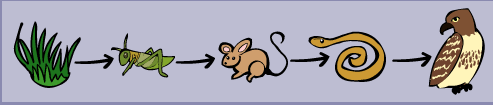
Explain the flow of energy in this food chain (who passes energy to who).
The hawk gives energy to the snake. The snake gives energy to the mouse. The mouse gives energy to the grasshopper who gives energy to the grass.
The mouse gives energy to the hawk. The snake gives energy to the grasshopper. The grass gives energy to the snake.
The grass gives energy to the grasshopper. The grasshopper gives energy to the mouse. The mouse gives energy to the snake who gives energy to the hawk.
Which of the following animals are carnivores?
I Tiger
II Eagle
III Rabbit
IV Chicken
I and II
I and IV
II and III
III and IV

Which of the following is the herbivore?
P
Q
R
S
Which of the following animals are herbivores?
I Crocodile
II Duck
III Elephant
IV Rabbit
I and II
I and III
II and IV
III and IV

Which of the following arrangement is the correct food chain?
R → P → Q → S
Q → R → P → S
P → Q → R → S
Q → P → R → S


What is an ecosystem?
A community of non-interacting organisms and their physical environment.
A biological community of interacting organisms and their chemical environment.
A biological community of interacting organisms and their physical environment.
A community of non-interacting organisms and their chemical environment.

What is a biotic factor?
Any non-living component that affects the population of another organism, or the environment.
Any living component that has a population.
Any living component that affects the population of another country.
Any living component that affects the population of another organism, or the environment.

What is a food web?
A system of intraconnecting chains linked together to show the feeding relationships of organisms in an ecosystem.
A system of interconnecting chains linked together to show the feeding relationships of organisms in an ecosystem.
A system of interlocking chains that show a relationship between non-living things.
A system on intralocking chains that show a relationship between non-living things.
What is an illustration that has arrows and shows how energy is passed from one living thing to another?
consumer
energy pyramid
food chain
producer
What is an illustration in the shape of a pyramid that shows how much energy is passed from level to another?
food chain
energy pyramid
omnivore
food web
What percent of the energy/biomass is transferred to the next trophic level?
80%
20%
90%
10%
What percentage of the energy/biomass is used by the organisms for maintenance, growth and reproduction, waste, and movement?
80%
20%
90%
10%
How does a pyramid model represent the 10% rule for energy transfer in a food chain?
The model shows that 10 percent less energy is available in upper trophic levels.
The model shows that each level requires more energy from the level below because only 10 percent becomes biomass at the next level.
The model shows that only 10 percent of the biomass becomes energy.
The model shows that each trophic level needs 10 percent more energy, so it needs more biomass in the lower trophic levels.
Does a healthy ecosystem produce the same amount of biomass at each trophic level?
Yes
No
Energy is necessary for maintenance, movement, waste, and growth and reproduction.
True
False
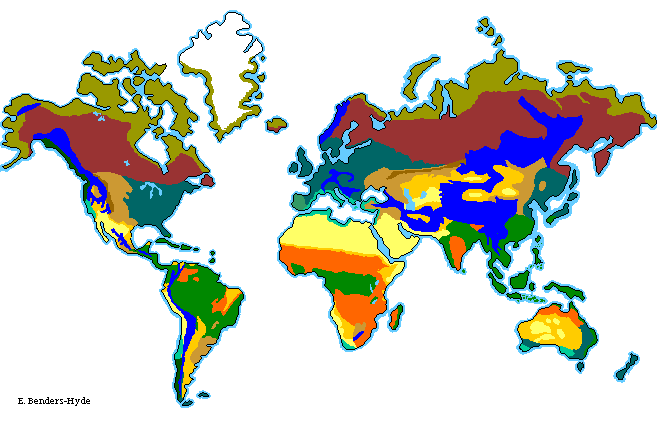
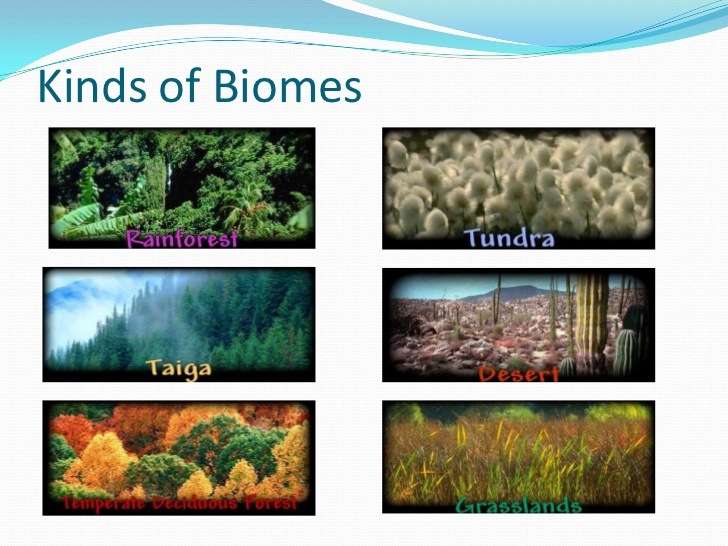
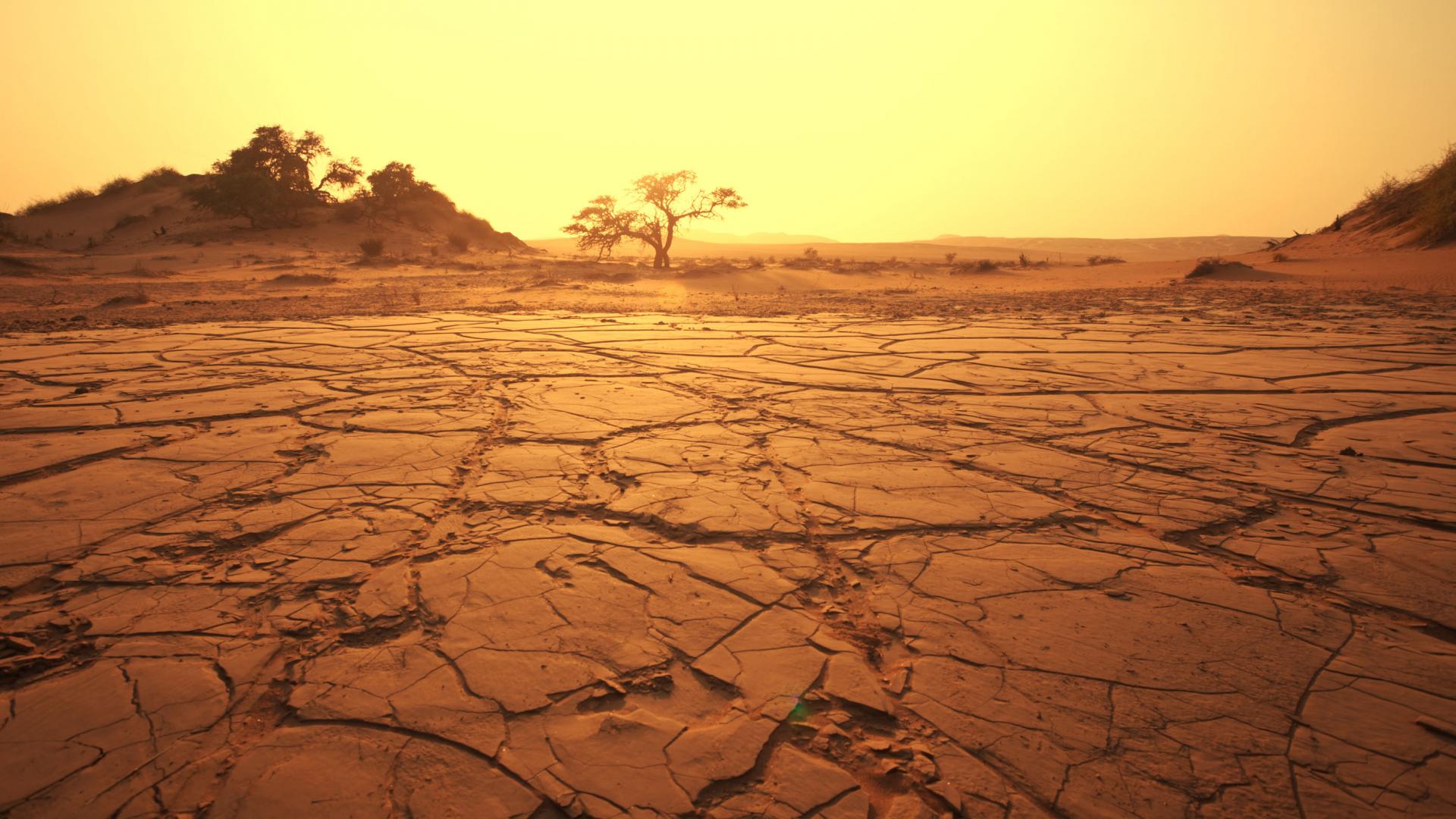
Which of the following is most likely to cause the greatest disruption to an ecosystem?
Emptying an aquarium containing non-native species into a local waterway
Cutting down a small cedar tree to make holiday decorations
Cleaning the windshield of a car with an alcohol-based class cleaner
Mowing the lawn in a city park

The overgrowth of algae poses a major problem for coral reefs. Intensive fishing is one factor that contributes to algae overgrowth because it does which of the following?
Allows more sunlight to be available to algae
Inhibits the spread of pathogens in algae colonies
Reduces the number of organisms that feed on algae
Increases the competition between different algae species

What would most likely happen if an ecosystem no longer received sunlight?
The number of herbivores would increase
The number of plants would increase
all organisms would adapt
All living organisms would eventually die

Examples of how humans negatively affect local ecosystems are
Building dams, deforestation, building roads and structures, and salting roads.
Creating laws to prohibit fishing from local streams.
Planting trees and other plants to attract native species.
Removing non-native species from the environment.

The milkweed plant serves an important role in the life cycle of the monarch butterfly. Adult monarchs lay their eggs in the milkweed plant, and then the monarch caterpillars eat that same plant during their development.
Based on the relationship between monarchs and milkweed, what is one reasonable prediction a scientist could make?
If the milkweed population goes down, the monarch population will do down.
Population of monarch butterflies should remain constant when milkweed population decreases.
A decrease in the milkweed population would cause a monarch butterfly population increase.
If the population of milkweeds remains constant (the same), the monarch butterfly population increases.

_____________ is a community consisting of all of the living and nonliving interactions between organisms and the environment.
ecosystem
population
organism
species
The term ______________ refers to all the members of the same species in an area.
population
organism
species
community

The biotic and abiotic factors that work together in an area.
ecosystem
population
community
organism
The biotic factors within an ecosystem are the ___________ parts.
nonliving
living
relationships
chemical

Nitrogen cycle

Which part of a plant anchors the plant to the ground and soaks up water and minerals?
stem
leaves
roots
petals
Where is the main site of photosynthesis on a plant?
Stem
Leaves
Petals
Pollen
What does the law of conservation of mass state?
matter is created and destroyed
matter can be lost and created
matter is not lost or created, but transferred
matter can only be lost
Which statement describes an animal?
They go through photosynthesis.
They need food, water, shelter, space, and oxygen to live
They have xylem and phloem in their stems
They have cell walls.


What is Hydroponic?
Method of gardening using labor
Method of farming using nutrient
Method of gardening does not use soil
Method of farming using media

The benefit of Hydroponic, EXPECT
Save water
Less soil
More time
No need weeding
What is hydroponics?
Water-based, growing plants without soil
Growing in soil
The use of fish to act as a fertilizer for plants
Growing plants that are suspended in the air

What is the process called when light, carbon dioxide and water are converted into energy?
Transpiration
Respiration
Photosynthesis
Osmosis
What is hydroponic gardening?
Grow plants with the use of soil.
Grow plants without the use of soil.
To provide the necessary nutrients in plants, it is necessary to use soil.
True
False
What problems do hydroponics solve?
Hydroponics solves the problem of invasive species of plants.
Hydroponics solves the problem of plants not getting enough energy from the sun.
Hydroponics solves the problems of not having enough land, having poor soil, harsh climates, and drought.
What do plants primarily need to survive?
Water and air
Oxygen
Soil
Fish
To provide the necessary nutrients to in plants, it is necessary to use soil.
True
False