wayground logo

Free Printable Worksheets

Font size

S
M
L
XL
Worksheets

SJC 8 EP Science Chapter 2 Quiz Review

Total questions: 52

Worksheet time: 39mins

Name
Class
Date
1.
The three step process that stops blood flowing from a cut is called _________
a)
hemostasis
b)
homeostasis
c)
coagulation
d)
agglutination
2.
What blood type can receive blood from both Type B and Type AB donors?
a)
Type AB
b)
Type B
c)
Type A
d)
Type O
3.
Blood has how many parts?
a)
1
b)
2
c)
3
d)
4
4.
These blood cells are the protectors and help fight off disease.
a)
Red blood cells
b)
White blood cells
c)
Plasma
d)
Platelets 
5.
This part of blood helps it clot, when you get cut.
a)
Red blood cells
b)
Plasma
c)
Platelets
d)
White blood cells
6.
These blood cells deliver oxygen to the parts of the body.
a)
Red
b)
White
c)
Patelets
d)
Plasma
7.
_______ is made mostly of water and makes up about 55% of the blood
a)
Plasma
b)
Platelets 
c)
Red blood cells
d)
White blood cells
8.
What does blood transport?
a)
Nutrients
b)
Oxygen 
c)
Carbon Dioxide
d)
All of the above
9.
liquid portion of the blood
a)
leukocytes
b)
erthryocytes
c)
plasma
d)
thrombin
10.

Select all answers that represent a "Blood Type"

a)

O

b)

AO

c)

BO

d)

AB

e)

A

11.

molecule that combines with oxygen to transport it

a)

albumin

b)

globulin

c)

hemoglobin

d)

seratonin

12.

Which blood vessels take blood TO the heart?

a)

Veins

b)

Arteries

c)

Capillaries

13.

Which blood vessels take blood AWAY from the heart?

a)

Veins

b)

Arteries

c)

Capillaries

14.

Which is the smallest of the 3 blood vessels?

a)

Veins

b)

Arteries

c)

Capillaries

15.

What type of blood do the veins usually carry?

a)

Oxygenated Blood

b)

Deoxygenated Blood

16.

What type of blood do the arteries usually carry?

a)

Oxygenated Blood

b)

Deoxygenated Blood

c)

Superoxygenated Blood

d)

Hypo-oxygenated Blood

17.
What types of blood can a person with AB RECEIVE?
a)
B only
b)
AB, A, B, O
c)
AB and O only
d)
A only
18.
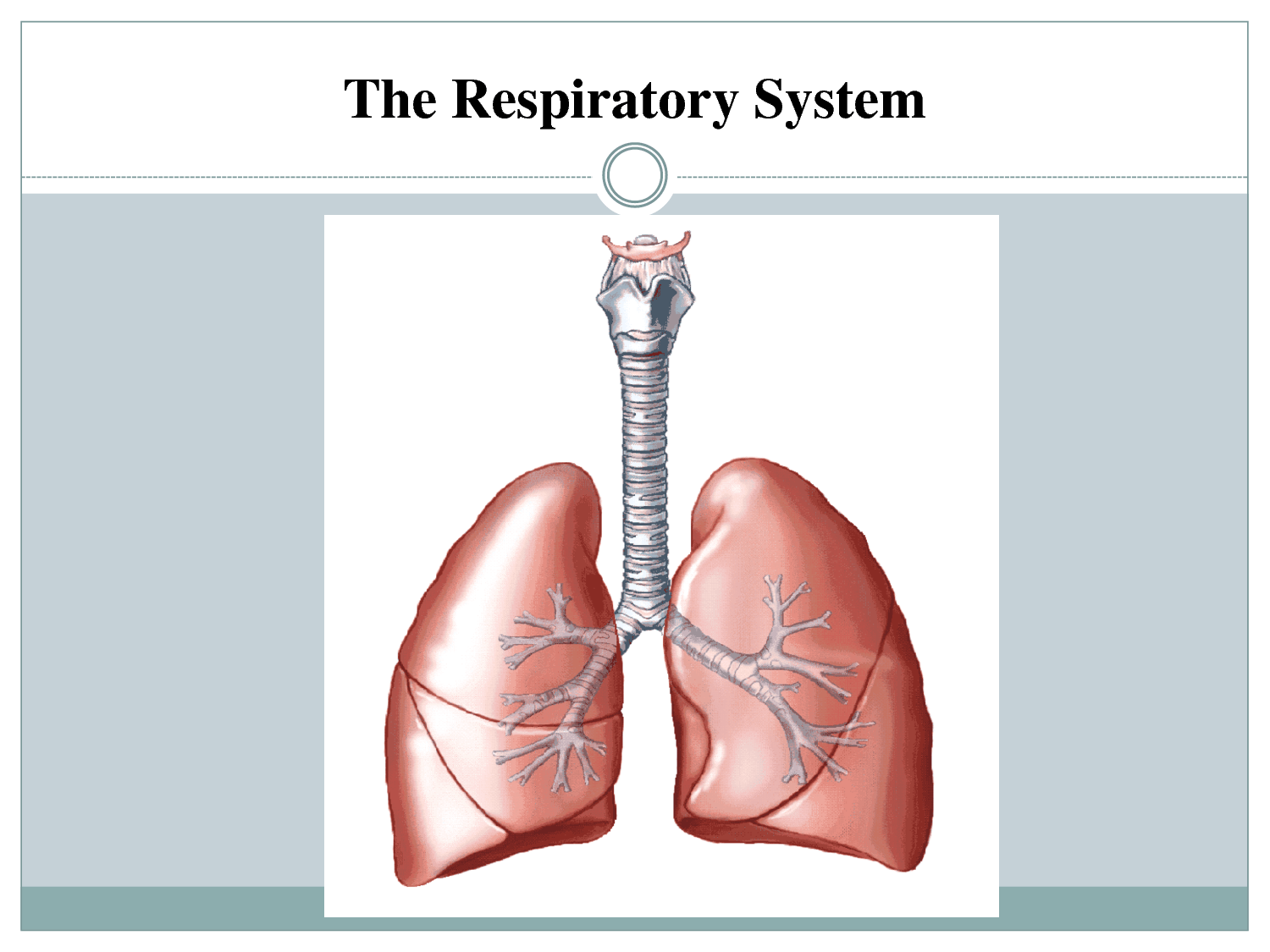
What is the main function of the respiratory system?
a)
to provide oxygen and remove carbon dioxide from the body
b)
to bring oxygen to the body
c)
to break down food and absorb nutrients
d)
to remove oxygen from the body and deliver carbon dioxide
19.
The air sacs that are covered with capillaries where gas exchange takes place
a)
bronchi
b)
lungs
c)
oxygen
d)
alveoli
20.
What is the dome-shaped muscle that works with your lungs?
a)
biceps
b)
triceps
c)
diaphragm
d)
rectus abdominus
21.
The right side of the heart carries oxygenated blood
a)
True
b)
False
22.
Types of blood vessels:
a)
arteries,veins,bronchioles
b)
arteries,veins,neurons
c)
arteries, veins, capillaries
d)
arteries,veins,aorta
23.
What is the another name for high blood pressure?
a)
Atherosclerosis
b)
Hypertension
c)
Heart attack
d)
Stroke
24.

Mr. Johnson has a BP of 140/90. As an MA, you know Mr. Johnson's BP is....(according to American Heart Association)

a)

too high

b)

too low

c)

just right

25.

Normally, the lowest pressure in the arteries of the body. Blood pressure when heart is at rest

a)

diastolic pressure

b)

systolic pressure

c)

hypotension

d)

hypertension

26.
The trachea branches off into two:
a)
Alveoli
b)
Bronchi
c)
Bronchioles
27.

What is the heart's job?

a)

The heart's job is to pump blood through veins and arteries and deliver nutrients and oxygen to the body.

b)

The heart's job is to take in oxygen.

c)

The heart's job is to digest food in the stomach.

d)

The heart's job is to take in carbon dioxide.

28.
During exhalation the diaphragm moves up and the volume of air decreases in the lungs.
a)
True
b)
False
29.
When you exercise, your heart beats faster to...
a)
spread oxygen throughout your body more quickly.
b)
make you feel excited.
c)
let you know you're working hard.
d)
inflate your lungs
30.
Gases move from a lower pressure to a higher pressure. 
a)
True
b)
False
31.
What happens if you have a lot of carbon dioxide in your blood?
a)
Your body will need more oxygen and breathing gets faster.
b)
Your body will need more carbon dioxide and your breathing will get slower.
c)
Your body will sweat and you will need more hydrogen 
32.
What is Asthma?
a)
lung condition where your airways or bronchial tubes narrow and swell
b)
a obtained disfunction 
c)
a tumor only in children
d)
a chronic disorder in the alveoli
33.

Why is it difficult for a person with emphysema to have enough oxygen in their blood?

a)

Emphysema causes the blood vessels in the lungs to close.

b)

A person with emphysema has a tumor in their lungs.

c)

Emphysema causes the diaphragm to stop working.

d)

Emphysema can destroy alveoli.

34.

This particular blood vessel carries oxygenated blood to the heart coming from the lungs.

a)

super vena cava

b)

inferior vena cava

c)

pulmonary artery

d)

pulmonary vein

35.

The pulmonary veins carry oxygenated blood back to the ___

a)

right atrium

b)

left atrium

c)

right ventricle

d)

left ventricle

36.

___ takes place when oxygen-rich blood travels to all body tissues except the lungs.

a)

pulmonary circulation

b)

systemic circulation

37.

After blood leaves the right atrium, it enters the ___.

a)

right atrium

b)

left atrium

c)

right ventricle

d)

left ventricle

38.
7. The drawing below shows the pathway that blood takes through the human body.  Which statement is true?  
a)
A. Blood leaves the heart and gets oxygen while in the lungs (part I). After returning to the heart the blood is pumped out to the rest of the body (part II) to give cells oxygen.
b)
B. The circulatory system works independently.  It needs no other system to help maintain homeostasis. .
c)
C. When the heart beats it only sends blood to the lungs to get oxygen (part I).
d)
D.  Blood leaves the heart to only get rid of carbon dioxide (CO2) while in the lungs (part I). After returning to the heart the blood is pumped out to the rest of the body (part II) to give cells carbon dioxide (CO2).
39.
9. What is the most likely outcome if you never exercise, eat only fatty food, and smoke a pack of cigarettes a day? 
a)
A. a very healthy cardiovascular system but an unhealthy respiratory system
b)
B. a very healthy respiratory system but an unhealthy cardiovascular system
c)
C. a very healthy cardiovascular system and a very healthy respiratory system
d)
D. an unhealthy body experiencing heart attack, stroke, or lung cancer
40.

John's dad has heart disease. He is also at a higher risk for heart disease.

a)

True

b)

False

41.

High cholesterol can increase your risk of developing heart disease because of the

a)

pressure

b)

plaque

c)

diabetes

d)

obesity

42.

Smoking increases your risk of heart diseases because it causes

a)

obesity

b)

diabetes

c)

blood vessel damage

d)

increases HDL

43.
Condition of thickening, hardening, and loss of elasticity in the arterial walls.
a)
atherosclerosis
b)
varicose veins
c)
thrombophlebitis
d)
arteriosclerosis
44.
Condition of plaque buildup in the arteries.
a)
atherosclerosis
b)
arteriosclerosis
c)
shock
d)
vericose veins
45.

A serious condition that occurs when the blood supply to the heart slows or stops and the heart muscle is damaged.

a)

heart attack

b)

hypertension

c)

stroke

d)

angioplasty

46.

As your heart pushes blood through your body's vessels, blood pushes against the walls of the vessels creating ___.

a)

arteries

b)

arteriosclerosis

c)

symptoms

d)

blood pressure

47.

Disease that occurs when deposits of fatty substances form along the walls of the arteries.

a)

Atherosclerosis

b)

Heart Failure

c)

Myocardial Infarction

d)

Claudication

48.
A lengthening of the muscle when made less tense, to release.
a)
relax​
b)
lung
c)
respiratory system
d)
respiration
49.
Given the following structures:
1. larynx
2. nasal cavity
3. pharynx
4. trachea
Which of the following is the correct order that air would flow during inhalation. 
a)
1,2,3,4
b)
2,3,1,4
c)
2,1,3,4
d)
4,2,3,1 
50.
Letter B is pointing to which organ of the Respiratory System?
a)
Nose
b)
Trachea
c)
Lungs
d)
Diaphragm
51.
Clusters of tiny air sacs that allow the exchange of oxygen and carbon dioxide
a)
Pharynx
b)
Diaphragm
c)
Alveoli
d)
Lungs
52.
Alveoli increase the surface area in the lungs to allow...
a)
More nutrients to be absorbed
b)
You to breathe faster
c)
You to breathe slower
d)
More O2 and CO2 to exchange