wayground logo

Free Printable Worksheets

NEW

Font size

S
M
L
XL
Worksheets

Chemistry Test

Total questions: 66

Worksheet time: 47mins

Name
Class
Date
1.
Which of these is not a mixture? 
a)
oil and water
b)
sand and soda
c)
diet soda
d)
all are mixtures
2.
Making a mixture results in ___________________ only.
a)
chemical reactions
b)
separate parts
c)
physical changes
d)
two subtances
3.
A mixtures is a combination of two or more____________ in which no new kinds of matter are formed.
a)
 subtances
b)
parts
c)
leaves
d)
pebbles
4.
A fruit salad is a 
a)
solution
b)
mixture
5.
Two elements chemically combined defines
a)
A homogeneous mixture
b)
A heterogeneous mixture
c)
An element
d)
A compound
6.
What is a mixture?
a)
elements chemically combined
b)
a combination of different things
c)
it is found on the Periodic Table 
d)
it is made of chemical
7.
To separate trail mix what method should you use?
a)
filtration 
b)
sorting
c)
magnet
d)
boiling
8.
Which mixture separation method would work with picking up nails?
a)
filtration 
b)
magnet
c)
boiling/evaporation
d)
sorting physically
9.

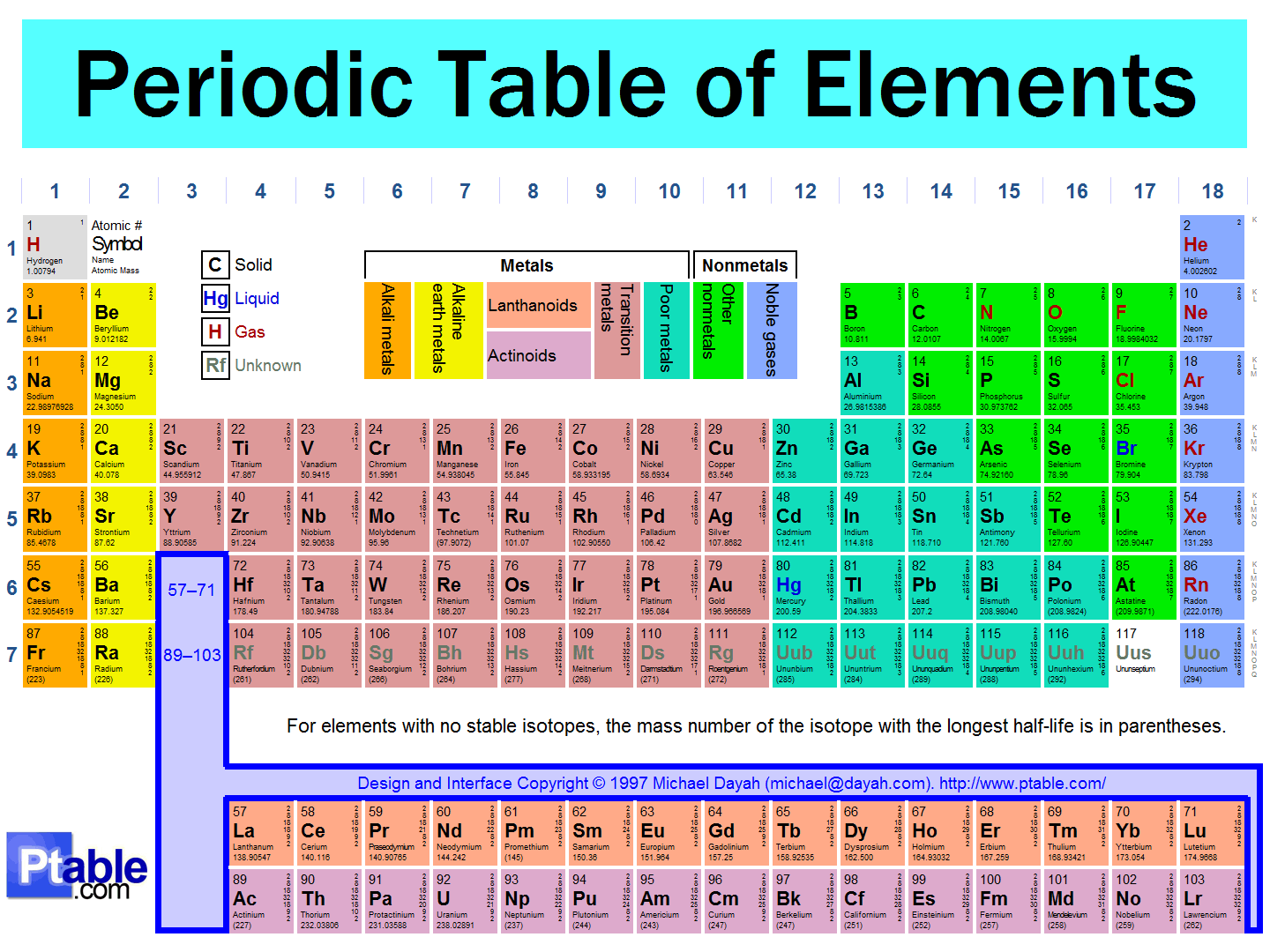
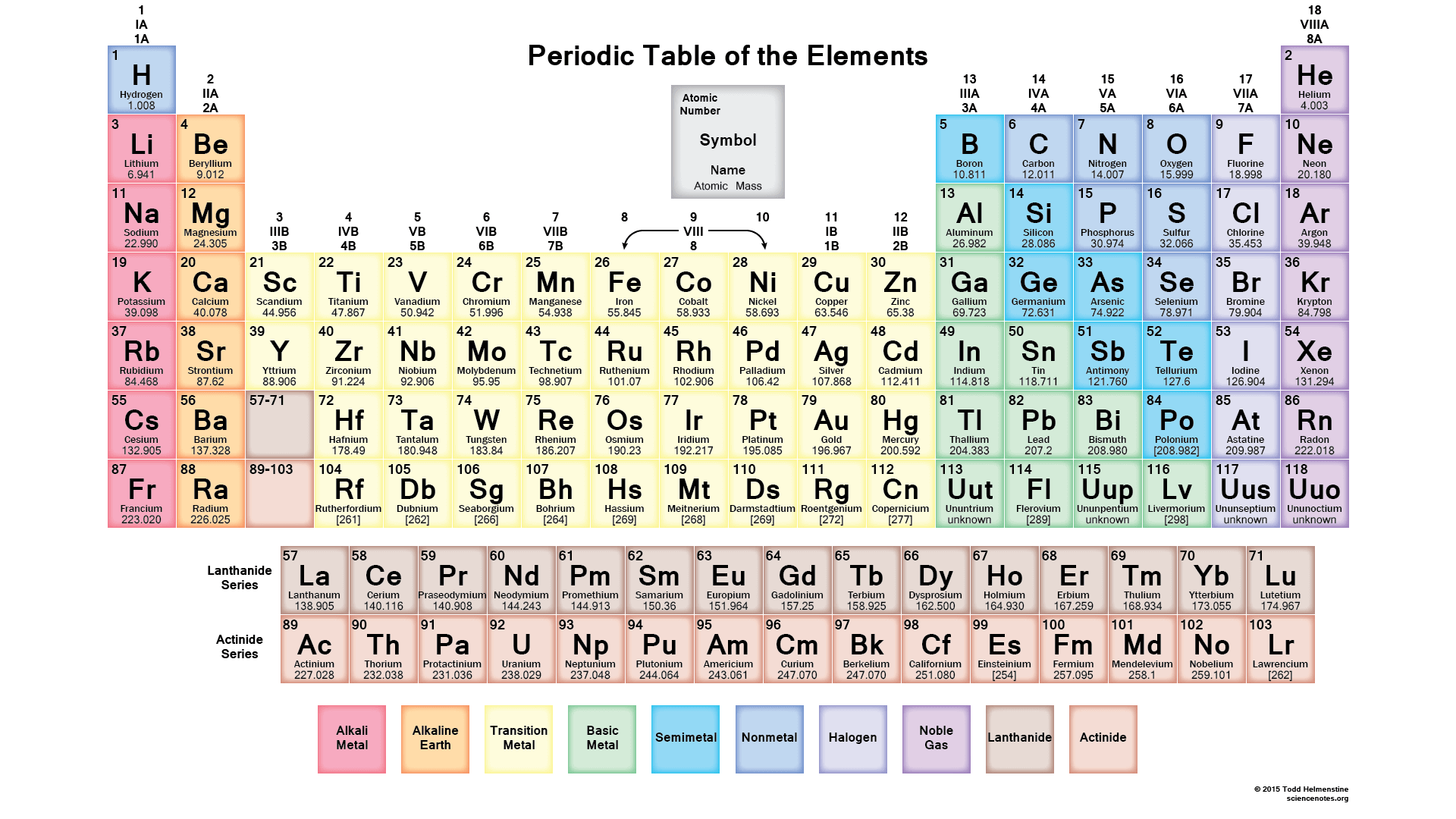
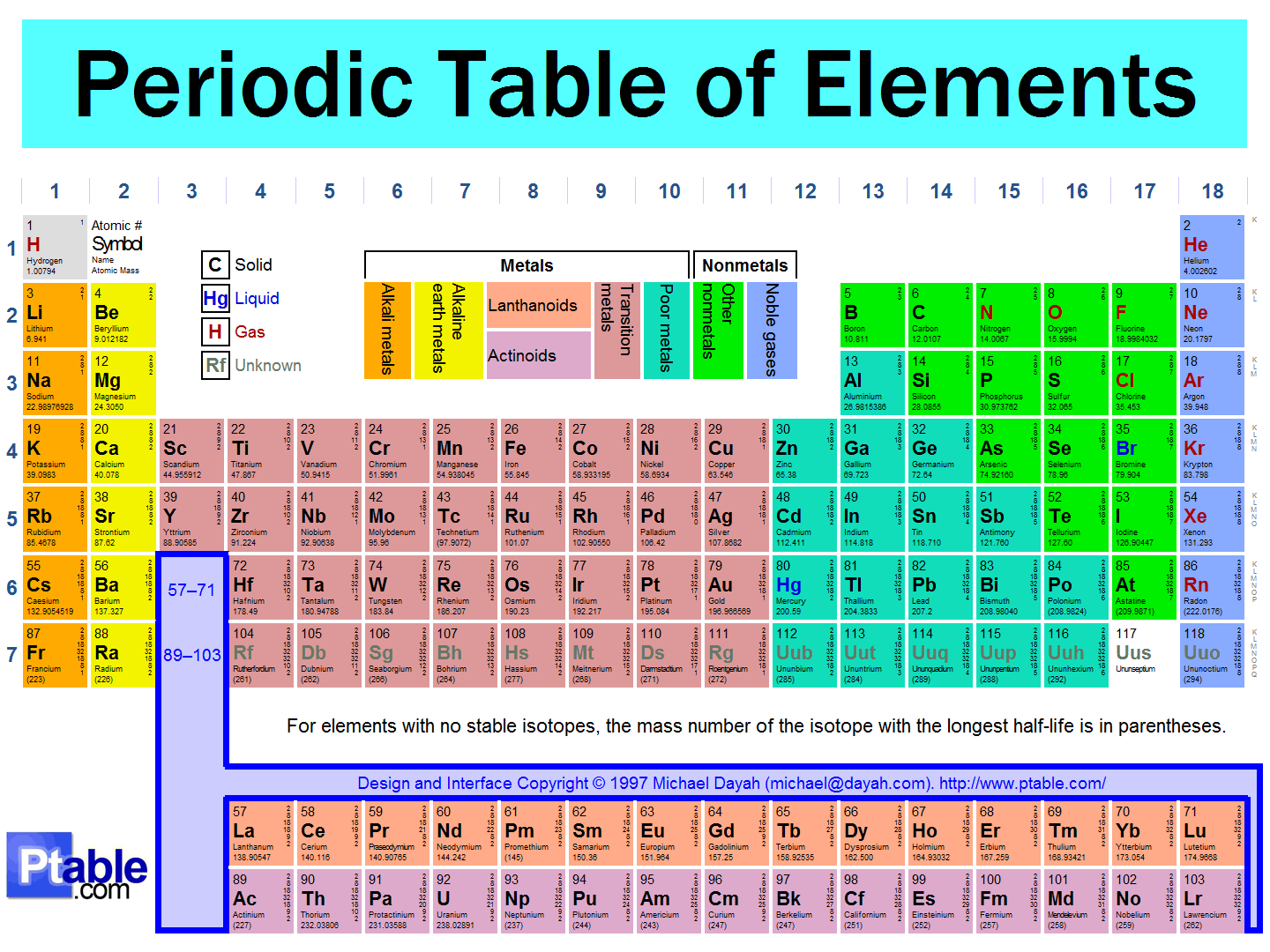
The vertical (up and down) columns in the Periodic Table are called

a)

groups

b)

towers

c)

periods

d)

atomic numbers

10.
The Modern Periodic Table of Elements is arranged by
a)
atomic mass
b)
atomic number
c)
valence electrons
d)
number of isotopes
11.
Sodium (Na) is found in period 
a)
3
b)
2
c)
4
d)
1
12.
Sodium (Na) is found in group 
a)
1
b)
2
c)
3
d)
4
13.
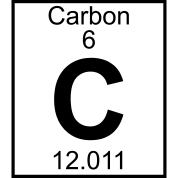
What does the atomic mass tell you? 
a)
Basically,the number of electrons and protons
b)
The number of neutrons
c)
Basically, the number of protons and neutrons
d)
The number of protons.
14.
What does the 6 represent?
a)
atomic mass
b)
atomic number
c)
element name
d)
chemical symbol 
15.
What does 12.011 represent?
a)
atomic mass
b)
atomic number
c)
element name
d)
chemical symbol 
16.
What does the C represent?
a)
atomic mass
b)
atomic number
c)
element name
d)
chemical symbol 
17.
These are found on the Periodic Table.
a)
Compounds
b)
Elements
c)
Mixtures
18.

The horizontal (side to side) rows in the Periodic Table are called

a)

groups

b)

families

c)

periods

d)

atomic numbers

19.

The atomic number tells you what? READ THE ANSWERS CAREFULLY

a)

only the number of electrons

b)

only the number of protons

c)

only the number of neutrons

d)

the number of both electrons and protons in an atom.

20.
Contains only one kind of atom.
a)
Element
b)
Compund
c)
Mixture
21.
Contains two or more atoms combined
a)
Elements
b)
Compounds
c)
Mixtures
22.
An element is made up of only one kind of _____.
a)
isotope
b)
plastic
c)
atom
d)
metal
23.
What is salad?
a)
element
b)
compound
c)
mixture
24.

1 A substance made up of two or more chemically combined elements is —

a)

an element

b)

mixture

c)

compound

d)

solution

25.

Melting ice

a)

physical change

b)

chemical change

26.

Burning wood

a)

physical change

b)

chemical change

27.

Acid in stomach, breaking down food.

a)

physical change

b)

chemical change

28.

Which change describes a substance that changes shape, form, or appearance but is still the same substance?

a)

physical change

b)

chemical change

29.

What happens when a new substance is produced during a reaction?

a)

chemical change

b)

physical change

30.

broken glass

a)

physical change

b)

chemical change

31.

mixing baking soda and vinegar

a)

chemical change

b)

physical change

32.
What is the left part of a chemical equation called?
H2 + O → H2O
a)
Reactants
b)
Products 
c)
Yields 
d)
Chemical Equation 
33.

How many reactants are in A + B ---> C ?

a)

1

b)

2

c)

3

d)

4

34.

How many products are in A + B ---> C

a)

1

b)

2

c)

3

d)

4

35.
2H2 + O2 ----> 2H2O What is the product?
a)
------>
b)
2H2O
c)
2H2+ O2
36.

What is the atomic mass of Neon?

a)

10

b)

20.18

c)

10.18

d)

16.25

37.
How many protons are in Beryllium?
a)
4
b)
9
c)
5
d)
2
38.

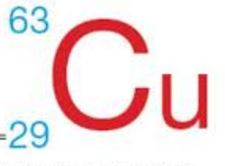
What is the atomic mass of Copper?

a)

63

b)

29

c)

34

d)

92

39.
How many neutrons are in a Gold atom?
a)
79
b)
196
c)
118
d)
275
40.

How many electrons does a Copper atom have?

a)

63

b)

29

c)

92

d)

34

41.
How many electrons does an Iodine atom have?
a)
53
b)
126
c)
73
d)
179
42.
What number is circled?
a)
Number of Neutrons
b)
Number of Protons
c)
Atomic Mass
d)
Number of Electrons
43.
How many neutrons does an Oxygen atom have?
a)
8
b)
16
c)
24
d)
7.999
44.
What is the number highlighted?
a)
Atomic number
b)
Atomic mass
c)
Number of protons
d)
Number of electons
45.
What is this number representing?
a)
Number of protons
b)
Number of Protons and Electrons
c)
Number of Protons and Neutrons
d)
Number of Electrons, Protons and Neutrons
46.

What is at the center of every atom?

a)

An electron

b)

A compound

c)

A molecule

d)

A nucleus

47.
Which two particles make up the nucleus of an atom?
a)
Protons and Electrons
b)
Protons and Neutrons
c)
Molecules and Compounds
d)
Neutrons and Electrons
48.
What is the role of an electron in an atom?
a)
Electrons live inside the nucleus and carry a neutral charge.
b)
Electrons circle the nucleus and have a positive charge.
c)
Electrons circle the nucleus and have a negative charge.
d)
Electrons live inside the nucleus and have a negative charge.
49.
In an atom, what is the number of protons equal to?
a)
The number of electrons.
b)
The number of neutrons.
c)
The number of molecules.
d)
The number of nuclei.
50.

What is a compound?

a)

The center of an atom that is formed by neutrons, protons, and electrons.

b)

A tiny particle that makes up all matter.

c)

A molecule that is formed from two or more different types atoms.

d)

A molecules that is formed from the same type of atoms.

51.
A proton is a _____ charged particle.
a)
Negatively
b)
Positively
52.
An electron is a _____ charged particle.
a)
Positively
b)
Negatively
53.

The number of neutrons equals...

a)

atomic number - mass number

b)

Protons - neutrons

c)

Electrons - protons

d)

mass number - atomic number

54.

What charge does a neutron have?

a)

positive

b)

negative

c)

no charge

d)

circle

55.
Where are protons located in the atom?
a)
orbitals
b)
nucleus
c)
rings
d)
positive
56.

Where are electrons located in the atom?

a)

Nucleus

b)

Energy Levels

c)

Atomic Mass

d)

Center

57.
Where are neutrons located in the atom?
a)
shells/orbitals
b)
rings
c)
center
d)
nucleus
58.
The number of protons plus neutrons.
a)
Mass number
b)
Mass Weight
c)
Atomic number
d)
Atomic weight
59.

What does the Bohr Model represent?

a)

The structure of molecules

b)

The structure of the Solar System

c)

The structure of an atom

d)

The structure of East Hills

60.
a)
energy levels
b)
valence electrons
c)
protons
d)
neutrons
61.
a)
Same group
b)
Same period
62.

What does the 'A' in A=P=E M-A=N stand for?

a)

Atomic Number

b)

Atomic Mass

c)

Proton

d)

Electron

63.

What does the 'P' in A=P=E M-A=N stand for?

a)

Electrons

b)

Neutrons

c)

Protons

d)

Atomic Mass

64.

What does the 'E' in A=P=E M-A=N stand for?

a)

Protons

b)

Neutrons

c)

Atomic Number

d)

Electrons

65.

What does the 'M' in A=P=E M-A=N stand for?

a)

Atomic Number

b)

Atomic Mass

c)

Protons

d)

Neutrons

66.

What does the 'N' in A=P=E M-A=N stand for?

a)

Neutrons

b)

Protons

c)

Electrons

d)

Nucleus