wayground logo

Free Printable Worksheets

Font size

S
M
L
XL
Worksheets

Element Sym. and Type element M,NM.M

Total questions: 151

Worksheet time: 3hrs 16mins

Name
Class
Date
1.
What is the chemical symbol for the element hydrogen
a)
H
b)
He
c)
h
d)
he
2.
What is the chemical symbol for the element Silicon
a)
S
b)
Si
c)
si
d)
Sl
3.
What is the chemical symbol for the element Carbon
a)
ca
b)
co2
c)
C
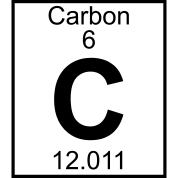
d)
Cd
4.
What is the chemical symbol for the element copper?
a)
co
b)
c
c)
Cu
d)
cu
5.
What is the chemical symbol for the element Aluminum
a)
A
b)
AL
c)
Al
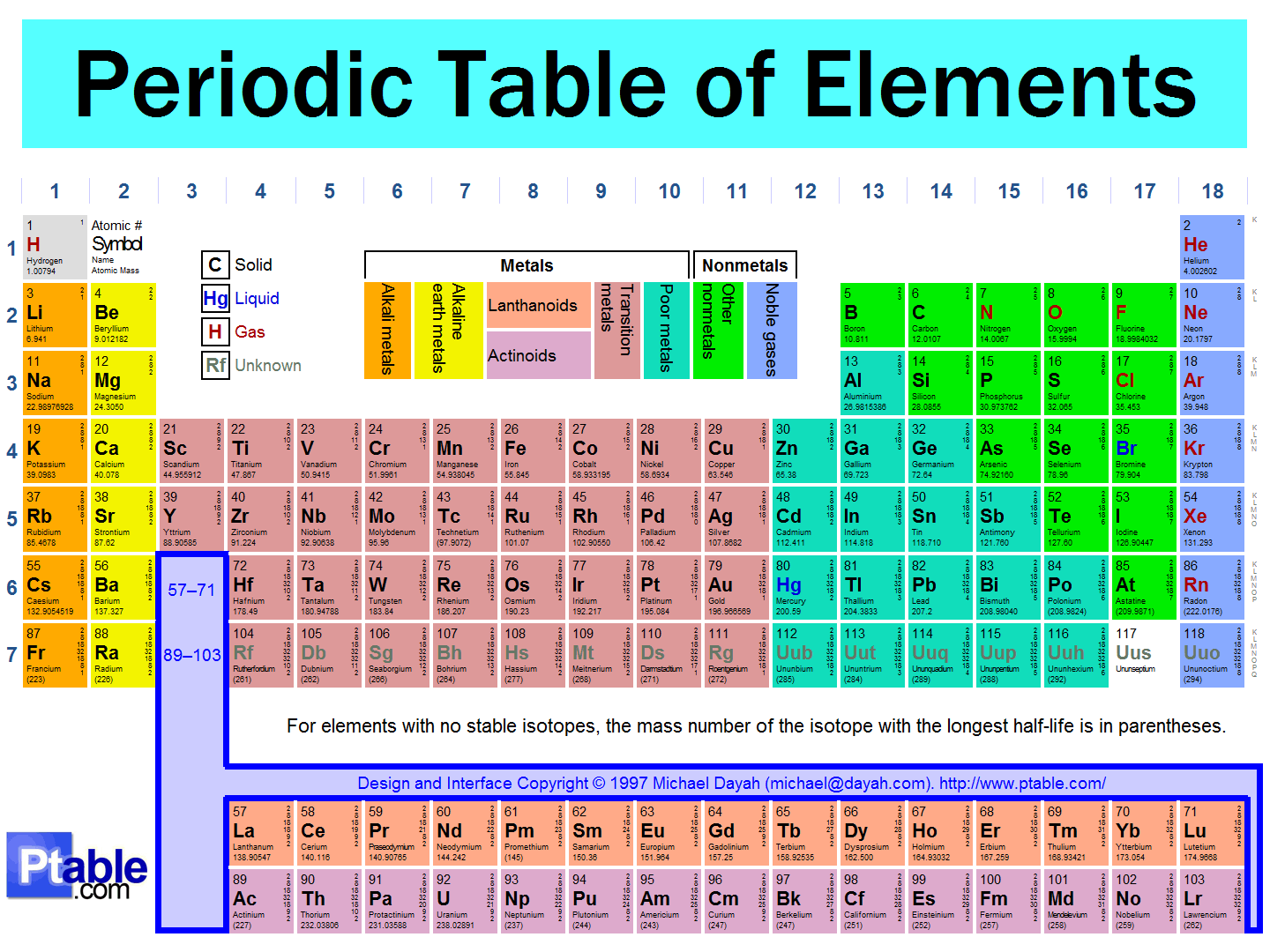
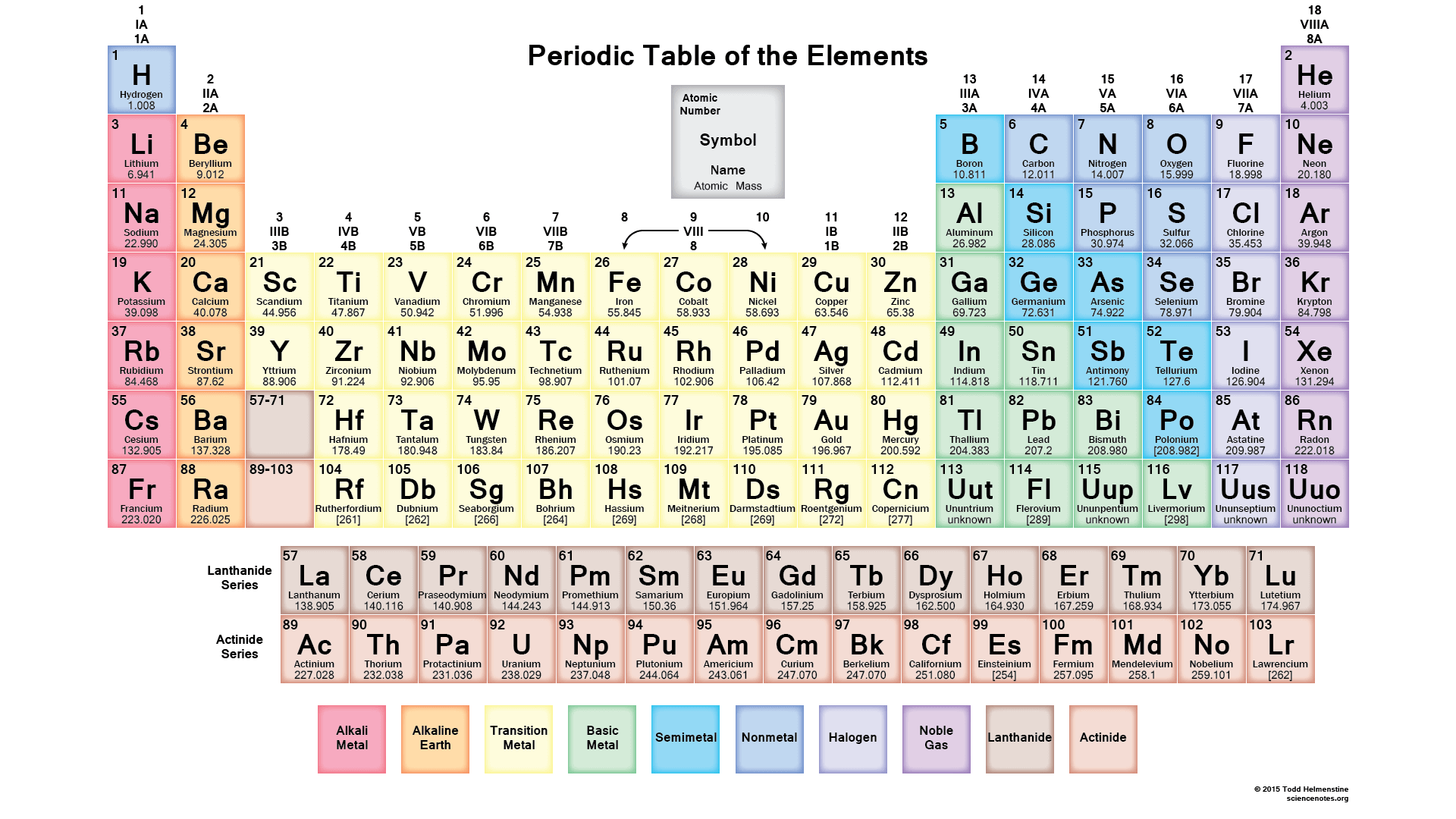
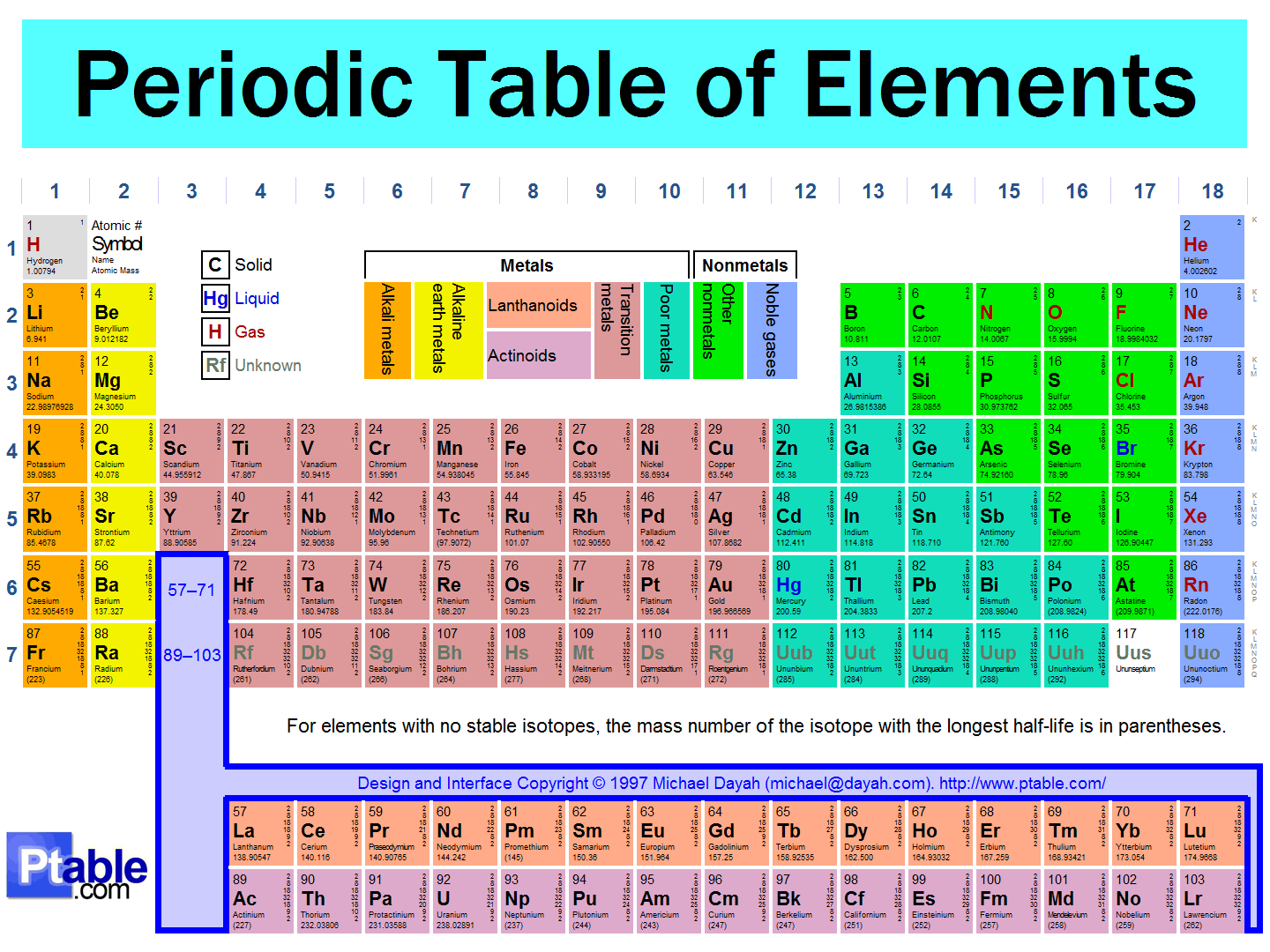
d)
al
6.
What is the chemical symbol for the element oxygen
a)
O
b)
Oxy
c)
ox
d)
Oy
7.
What is the chemical symbol for the element oxygen
a)
O
b)
Oxy
c)
ox
d)
Oy
8.
What is the chemical symbol for the element Silver
a)
S
b)
Si
c)
Au
d)
Ag
9.
What is the chemical symbol for the element Chlorine
a)
C
b)
Cl
c)
cl
d)
Ch
10.
What is the chemical symbol for the element Gold
a)
G
b)
go
c)
AU
d)
Au
11.
What element is represented by the Chemical symbol Mg
a)
Manganese
b)
Magnesium
c)
Molybdenum
d)
Mitrium
12.
What is the chemical symbol for the element Iron
a)
I
b)
Ir
c)
Fe
d)
fe
13.
What is the chemical symbol for the element Zinc
a)
Z
b)
Zn
c)
Zr
d)
zn
14.
What is the chemical symbol for the element Helium
a)
He
b)
he
c)
H
d)
h
15.
What is the chemical symbol for the element Calcium
a)
C
b)
Ca
c)
Cl
d)
CL
16.
What is the chemical symbol for the element Potassium
a)
K
b)
P
c)
Po
d)
Pt
17.
What is the chemical symbol for the element Sodium
a)
Na
b)
So
c)
S
d)
Sd
18.
What is the chemical symbol for the element Iodine
a)
I
b)
Io
c)
Id
d)
In
19.
What is the chemical symbol for the element Fluorine
a)
F
b)
Fl
c)
Flu
d)
f
20.
CHLORINE
a)
C
b)
Ca
c)
Cl
d)
Cu
21.
GOLD
a)
Al
b)
Ag
c)
Ar
d)
Au
22.
CALCIUM
a)
C
b)
Ca
c)
Cu
d)
Cl
23.
CARBON
a)
C
b)
Ca
c)
Cl
d)
Cu
24.
COPPER
a)
C
b)
Ca
c)
Cu
d)
Cl
25.
SULFUR
a)
Su
b)
S
c)
Sf
d)
Si
26.
SILVER
a)
Au
b)
Ag
c)
Al
d)
Ar
27.
SODIUM
a)
S
b)
So
c)
N
d)
Na
28.
HELIUM
a)
H
b)
He
c)
Hl
d)
Hm
29.
IRON
a)
I
b)
Ir
c)
F
d)
Fe
30.
HYDROGEN
a)
H
b)
He
c)
Hy
d)
Hd
31.
BORON
a)
B
b)
Be
c)
Bo
d)
Br
32.
ALUMINUM
a)
Al
b)
Au
c)
Ag
d)
Am
33.
NEON
a)
N
b)
Ne
c)
No
d)
Nn
34.
BERYLLIUM
a)
B
b)
Bo
c)
Be
d)
Br
35.
POTASSIUM
a)
P
b)
Ka
c)
K
d)
Pt
36.
PHOSPHOROUS
a)
P
b)
Ph
c)
K
d)
Ps
37.
MAGNESIUM
a)
M
b)
Mg
c)
Ma
d)
Mn
38.
LITHIUM
a)
L
b)
Li
c)
Lt
d)
Lh
39.

The vertical (up and down) columns in the Periodic Table are called

a)

groups

b)

towers

c)

periods

d)

atomic numbers

40.
The Modern Periodic Table of Elements is arranged by
a)
atomic mass
b)
atomic number
c)
valence electrons
d)
number of isotopes
41.
Sodium (Na) is found in group 
a)
1
b)
2
c)
3
d)
4
42.
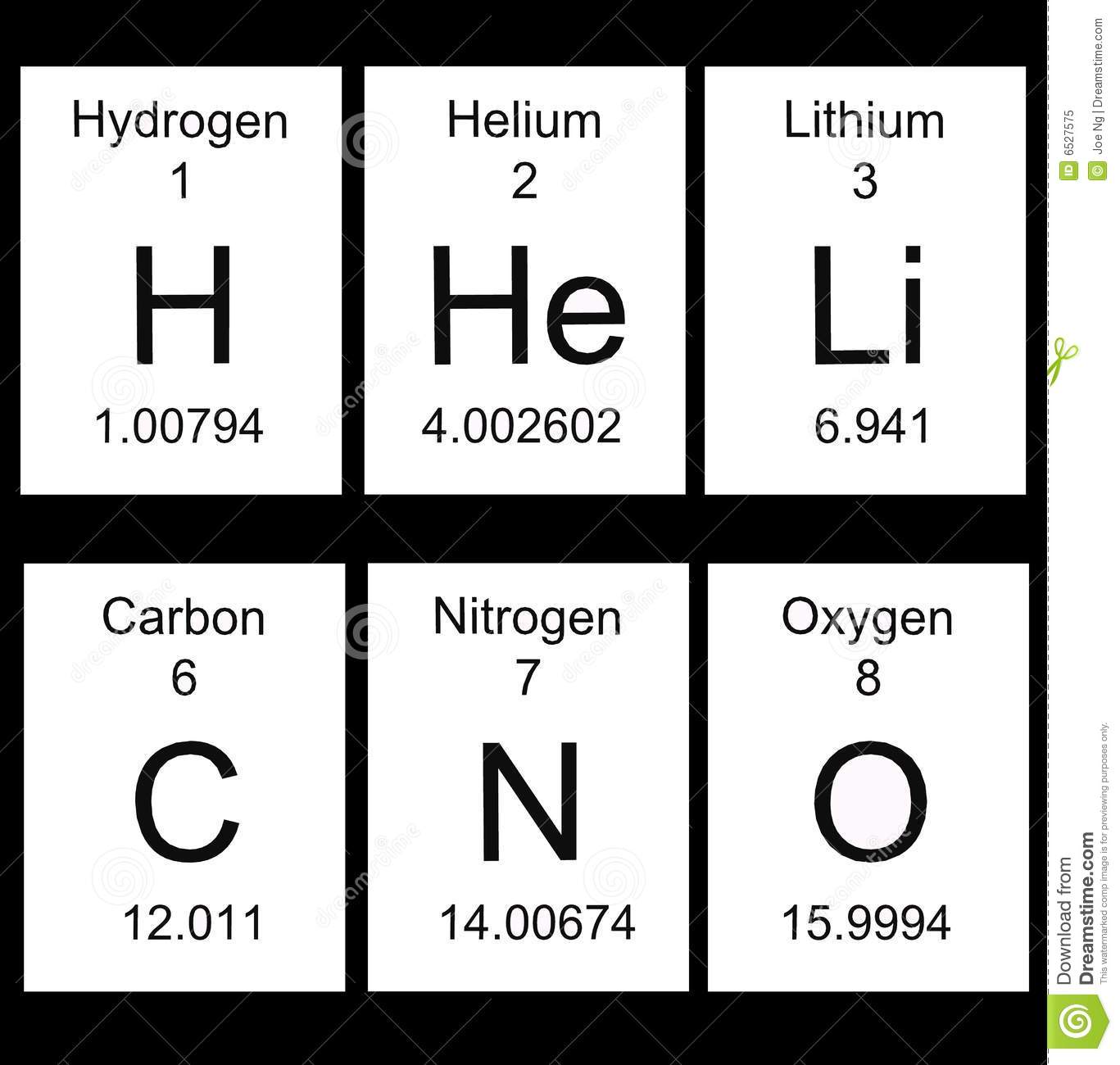
What does the 6 represent?
a)
atomic mass
b)
atomic number
c)
element name
d)
chemical symbol 
43.
What does 12.011 represent?
a)
atomic mass
b)
atomic number
c)
element name
d)
chemical symbol 
44.
What does the C represent?
a)
atomic mass
b)
atomic number
c)
element name
d)
chemical symbol 
45.

The horizontal (side to side) rows in the Periodic Table are called

a)

groups

b)

families

c)

periods

d)

atomic numbers

46.
These are found on the Periodic Table.
a)
Compounds
b)
Elements
c)
Mixtures
47.
Each column in the periodic table is called a 
a)
period
b)
group
c)
cluster
d)
unit
48.
A ___________ is an arrangement of elements in columns
a)
columns
b)
rows
c)
periodic table
d)
electron shell
49.
Which group of the periodic table is composed of inert (not reactive)  gases?
a)
alkali metals
b)
alkaline earth metals
c)
halogens
d)
noble gases
50.
Elements which are shiny, conduct electricity and heat are called
a)
metal
b)
nonmetal
c)
metalloid
d)
nonexistent
51.
A vertical column in the periodic table.  Elements share similar properties.
a)
row
b)
group
c)
period
52.
A horizontal row of elements in the periodic table.
a)
column
b)
group
c)
period
53.
Which is an alkali metal?
a)
Magnesium
b)
Iron
c)
Sodium
d)
Europium
54.
The simplest substance is..?
a)
Carbon
b)
An element
c)
Water
d)
A simple compound 
55.
A proton is....
a)
A negatively charged subatomic particle
b)
A positively charged subatomic particle
c)
A neutrally charged subatomic particle
d)
The only subatomic particle located in the nucleus
56.
How did Mendeleev arrange the elements?
a)
alphabetical 
b)
density
c)
melting point
d)
atomic mass
57.
The horizontal row on the periodic table is called a
a)
group
b)
family
c)
period
d)
atomic number
58.
A vertical column is called...
a)
group
b)
tower
c)
period
d)
crew
59.
The number at the bottom of each square on the periodic table is the ...
a)
atomic number
b)
atomic mass
c)
chemical symbol
d)
element name
60.
Each row in a periodic table is called a 
a)
Group
b)
Period
c)
Row
d)
Column
61.
Each column in the periodic table is called a 
a)
period
b)
group
c)
cluster
d)
unit
62.
The blue atoms are called 
a)
metals
b)
nonmetals
c)
metalloids
d)
noble gases
63.
Each column in the periodic table is called a 
a)
period
b)
group
c)
cluster
d)
unit
64.
Iron is a good conductor, malleable and magnetic. What type of element is Iron? 
a)
Metal
b)
Nonmetal
c)
Metalloid
d)
Pretty
65.
Which elements are found on the left to middle of The Periodic Table? 
a)
Metals
b)
Nonmetals
c)
Metalloids
d)
Candles
66.
Which elements are found on the right side of The Periodic Table?
a)
Metals
b)
Nonmetals
c)
Metalloids
d)
Water
67.
Which element is a metalloid?
a)
Titanium
b)
Selenium
c)
Potassium
d)
Polonium
68.
Which element is least likely to conduct heat and electricity? 
a)
O
b)
Si
c)
Po
d)
Ca
69.
How is Selenium classified?
a)
Metal
b)
Nonmetal
c)
Metalloid
d)
Sedimentary
70.
How would this element be classified?
a)
Metal
b)
Nonmetal
c)
Metalloid
d)
Metamorphic
71.
Which of the given choices correctly shows the three main groups of elements listed from least conductivity to greatest conductivity?
a)
Metals, Nonmetals, Metalloids
b)
Nonmetals, Metalloids, Metals
c)
Metalloids, Metals, Nonmetals
d)
Nonmetals, Metals, Metalloids 
72.
Malleability is ___________
a)
the way light is reflected off a surface.
b)
how well a piece of matter conducts electricity
c)
A.  the capability of being drawn out into thin wires or threads.
d)
the capability of being hammered out thin.
73.
Luster is ___________
a)
A.  the way light is reflected off a surface.
b)
A.  how well a piece of matter conducts electricity. 
c)
A.  the capability of being drawn out into thin wires or threads.
d)
A.  the capability of being hammered out thin.
74.
Conductivity is ___________
a)
the way light is reflected off a surface.
b)
how well a piece of matter conducts electricity. 
c)
the capability of being hammered out thin
d)
A.  the capability of being drawn out into thin wires or threads.
75.
Ductility is ___________
a)
A.  the capability of being hammered out thin.  
b)
A.  the way light is reflected off a surface.
c)
A.  the capability of being drawn out into thin wires or threads.
d)
A.  how well a piece of matter conducts electricity. 
76.
Density is 
a)
weight/volume
b)
mass/volume
c)
weight/mass
d)
volume/mass
77.
Weight is ____________
a)
the same as volume.
b)
mass/volume
c)
the force of gravity on an object
d)
the same as mass.
78.
Nonmetals are ________ compared to metals.
a)
highly conductive
b)
brittle
c)
ductile
d)
non-conductive
79.
Metalloids _____________
a)
have no properties of metals.
b)
have no properties of nonmetals.
c)
have some properties of both metals and nonmetals.
d)
none of the above
80.
Non-metals are good conductors of heat and electricity. 
a)
TRUE
b)
FALSE
81.
Which of the following is a physical characteristic of a metal?
a)
texture
b)
malleable
c)
brittle
d)
semi-conductor
82.
Which of the following is a physical characteristic of a metalloid?
a)
texture
b)
malleable
c)
brittle
d)
semi-conductor
83.
An element has properties of both metals and nonmetals. Where would it be found in the periodic table? 
a)
To the right 
b)
To the left 
c)
on the zig zag line
84.
What does luster mean?
a)
Breaks into pieces
b)
can be hammered into thin sheets
c)
No shine
d)
reflects light shiny 
85.

The elements located to the left of the stair-step

a)

Metals

b)

Nonmetals

c)

Metalloids

d)

Gases

86.

Elements that are normally in a gas form, that are dull, brittle, and poor conductors

a)

Metals

b)

Nonmetals

c)

Metalloids

d)

Solids

87.

The elements located along the stair-step

a)

Metals

b)

Nonmetals

c)

Metalloids

88.

The word “luster” refers to which property of matter?

a)

The ability to conduct electrical or thermal energy

b)

Capable of being drawn out into thin wires

c)

The way a surface appears when it reflects light

d)

Suitable for being shaped by beating or rolling

89.
What does the 1.00794 stand for?
a)
Hydrogen
b)
atomic number
c)
atomic mass
d)
atomic explosion
90.
Which of the following is a good conductor of heat?
a)
Metal
b)
Nonmetal
c)
Metalloid
91.
Which of these is a property of metals?
a)
It's malleable
b)
It can't conduct electricity
c)
They are used in food
d)
It's very brittle
92.

One property of nonmetals is that it they are good conductors of electricity.

a)

true

b)

false

93.
Which types of elements are malleable, ductile, strong, and dense?
a)
Metals
b)
Nonmetals
c)
Metalloids
d)
Metals and Metalloids
94.
Which element is a metalloid?
a)
Titanium
b)
Selenium
c)
Potassium
d)
Polonium
95.
Good conductor of heat
a)
Metal
b)
Nonmetal
96.
Brittle
a)
Metal
b)
Nonmetal
97.
Which of these is a property of metals?
a)
It's malleable
b)
It can't conduct electricity
c)
They are used in food
d)
It's very brittle
98.
Which of these grouping of elements could have the characteristic of luster (shiny)?
a)
Metal
b)
Nonmetal
c)
metalloids
d)
Both metals and metalloids
99.
Which table below correctly lists the properties of metals and nonmetals? *
a)
A
b)
B
c)
C
d)
D
100.
When an object changes shape when struck by a hammer.
a)
luster
b)
malleable
c)
brittleness
d)
ductile
101.
Describe what luster means
a)
How an object reflects light
b)
How soft an object is
c)
If an object floats
d)
If an object can be dug out of the earth.
102.
Which of these is a property of metals?
a)
It's malleable
b)
It can't conduct electricity
c)
They are used in food
d)
It's very brittle
103.
Which of the following is NOT a characteristic of most metals?
a)
Brittle
b)
Good conductor
c)
Ductile
d)
Malleable
104.
Describe what luster means
a)
How an object reflects light
b)
How soft an object is
c)
If an object floats
d)
If an object can be dug out of the earth.
105.
Which elements are found on the left to middle of The Periodic Table? 
a)
Metals
b)
Nonmetals
c)
Metalloids
d)
Candles
106.

All of the following would classify an element as a metal except?

a)

Dull

b)

Luster

c)

Malleable

d)

Ductile

107.
Non-metals are good conductors of heat and electricity. 
a)
TRUE
b)
FALSE
108.
Which of the following would help a student classify an unknown element as a metal, metalloid, or non-metal?
a)
Measure its conductivity
b)
Determine its density
c)
Find its melting point
d)
Observe its color
109.
What physical properties are used to classify elements as metals, non-metals, or metalloids?
a)
Color, smell, physical state
b)
Reactivity, streak, hardness
c)
Ability to burn, mass, density
d)
Luster, conductivity, malleability
110.
If you have a material that can conduct electricity well it is probably a...
a)
Metalloid
b)
Matter
c)
Non-metal
d)
Metal
111.

Which notation represents a molecule of an element?

a)

CO

b)

H2

c)

HI

d)

H2O

112.
Water compound
a)
NaCl
b)
H2O
c)
Protein
d)
CaCO
113.
Element:Fe
a)
Gold
b)
Flourine
c)
Phosphorus
d)
Iron
114.
What is this element...Au
a)
Iron
b)
Titanium
c)
Gold
d)
Flourine
115.
What does the element AI stand for ?
a)
Gold
b)
Actinium
c)
Iron
d)
Aluminum
116.
What is K?
a)
potassium
b)
berkelium
c)
sodium
d)
cacium
117.
What does the C represent?
a)
atomic mass
b)
atomic number
c)
element name
d)
chemical symbol 
118.
Which one can be found on the periodic table?
a)
Compound 
b)
Element
119.
How many different elements are represented in the compound?
Fe3O4
a)
2
b)
3
c)
1
d)
4
120.
How many different elements are represented in the compound?
C13H9N
a)
2
b)
3
c)
1
d)
4
121.
The smallest part of an element is
a)
proton
b)
atom
c)
compound
d)
mixture
122.

H2O

How many types of elements are in this compound?

a)

1

b)

2

c)

3

d)

4

123.

Water ( H2O) is a compound because-

a)

it is made of two different elements

b)

useful to humans

c)

a gas at room temperature

d)

given off by plants

124.

Which contains only CHEMICAL changes (new substance formed or cannot be undone)?

a)

Silver spoon tarnish

Leaves change color

Water separating into hydrogen and oxygen

b)

Ice melting

Sugar Cube dissolving

Paper tearing

c)

Dry ice goes from solid to liquid

Your breath condensing on a window

Glass breaking

d)

Mixing flour, salt, and sugar

Sanding wood

Grinding something into powder

125.

CO + H2O > CO2 + H2

Which substance represented in this equation is classified as an ELEMENT?

a)

CO

b)

H2O

c)

CO2

d)

H2

126.

Carbon (C) is considered an element while Carbon Dioxide (CO2) is considered a compound. That is because Carbon Dioxide is -

a)

a gas

b)

made of two elements

c)

given off by plants

d)

useful to us

127.
Which of the following is a pure substance?
a)
CO
b)
C02
c)
Co
d)
H2O
128.
 Which of the following atomic symbols is written correctly? 
a)
OH
b)
oH
c)
fe
d)
H
129.
Which of the following atomic symbols is written correctly?
a)
ee
b)
hE
c)
C
d)
CL
130.
Element or compound?
H2O
a)
element
b)
compound
131.
Element or compound?
O2
a)
Element
b)
Compound
132.
How many elements are in C6H12O6?
a)
1
b)
2
c)
3
d)
4
133.
How many Hydrogen atoms are in H2O?
a)
zero
b)
one
c)
two
d)
three
134.
Which of the following is a compound?
a)
Co
b)
O2
c)
C
d)
CO2
135.
Which of the following is NOT an element?
a)
H2O
b)
H2
c)
O2
d)
Au
136.
What is a compound?
a)
an atom with more electrons than protons
b)
a substance in which the atoms of two or more elements are combined together
c)
an atom with more neutrons than protons
d)
a substance in which the atoms of three or more elements are combined together
137.
A compound is...
a)
a substance made up of one type of atom in its molecular form.
b)
a substance formed by the reaction of two or more elements.
c)
a mixture formed by the mixing of two or more elements.
d)
a substance made up of one type of atom in its atomic form.
138.
When salt is dissolved in water, the result is a
a)
homogeneous mixture
b)
gas
c)
compound
d)
heterogeneous mixture
139.
The air we breathe contains different individual gases (mostly nitrogen and oxygen). Which of the following correctly describes the air we breathe?
a)
compound
b)
liquid
c)
element
d)
mixture
140.

The chemical symbol for water is H2O.

a)

True

b)

False

141.

What is the atomic number of Carbon?

a)

6

b)

12.01

c)

18

d)

20

142.

C, Fe, He, and Na are the elements' __.

a)

abbreviations

b)

formulas

c)

symbols

d)

short cuts

144.

Which element is Na?

a)

neon

b)

sodium

c)

nitrogen

d)

natrium

144.

Which element is Na?

a)

neon

b)

sodium

c)

nitrogen

d)

natrium

145.

Which element is Na?

a)

neon

b)

sodium

c)

nitrogen

d)

natrium

146.

What is atomic number of CO2 on Periodic Table?

a)

CO2 is not on the Periodic Table since it is a compound

b)

119

c)

1

d)

22

147.

How many elements are identified on a Periodic Table?

a)

hundreds

b)

1000

c)

118

d)

50

148.
Milk is a:
a)
Element
b)
Compound
c)
Solid
d)
Mixture
149.
Which element is found in air?
a)
Neon
b)
Carbon
c)
Oxygen
d)
Hydrogen
150.
What is the chemical symbol for Chlorine?
a)
Cl
b)
Ch
c)
Cr
d)
Ce
151.
Which is evidence that a chemical change has happened?
a)
Bending or Breaking
b)
Nothing happens
c)
The change can be reversed
d)
Color Change