
 Worksheets
SNC1W MATTER REVIEW
Total questions: 70
Worksheet time: 50mins
Name
Class
Date
1.
Something that takes up space and has mass.
a)
volume
b)
matter
c)
mass
d)
density
2.
What are the three states of matter?
a)
solid, volume, mass
b)
density, volume, mass
c)
solid, liquid, gas
d)
density, gas, volume
3.
A state of matter that has a definite volume and shape.
a)
solid
b)
liquid
c)
gas
d)
matter
4.
Solids have a definite _______________.
a)
smell
b)
shape
c)
picture
d)
sound
5.
Liquid matter takes the shape of _______.
a)
a gas
b)
water
c)
a pet
d)
Its container
6.
Which example is a compound?
a)
N2
b)
O2
c)
Cu
d)
H2O2
7.
Salt has a chemical formula of NaCl. Salt is a...
a)
Compound
b)
Element
c)
Mixture
d)
None of the Above
8.
What cannot be broken down into other substances?
a)
Compound
b)
Mixture
c)
Solids
d)
Element
9.
A combination of substances that are not chemically combined is called a(n)____________.
a)
mixture
b)
compound
c)
physical
10.
An element is made up of only one kind of _____.
a)
isotope
b)
plastic
c)
atom
d)
metal
11.
Shape is a ____ that helps identify an object.
a)
physical property
b)
chemical property
c)
mass
d)
matter
12.
Iron + oxygen = rust is an example of a ___________.
a)
physical property/change
b)
chemical property/change
c)
mass
d)
volume
13.
The ability of a metal to allow heat or electricity to pass through it.
a)
conductivity
b)
insulator
c)
mass
d)
density
14.
When you see steam, fog or clouds, which state of matter is it?
a)
solid
b)
liquid
c)
gas
15.
What is an example of a solid?
a)
wind
b)
water
c)
rock
d)
juice
16.
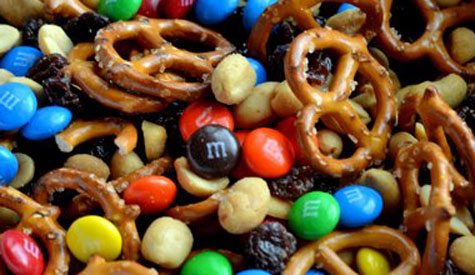
What type of mixture is this?
a)
homogenous mixture
b)
chemical
c)
heterogeneous mixture
d)
solid mix
17.
A mixture that contains two or more substances blended evenly throughout
a)
heterogeneous mixture
b)
homogeneous mixture
c)
suspension
d)
colloid
18.
Which of the following is an element?
a)
Sugar
b)
Salt
c)
Water
d)
Oxygen
19.
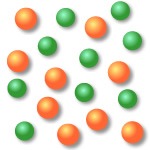
This picture represents which of the following?
a)
element
b)
compound
c)
mixture
20.
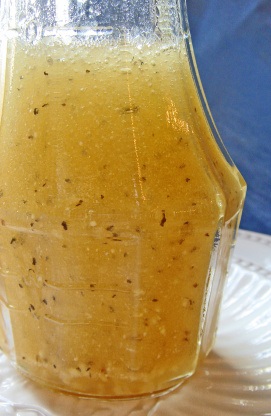
Italian Salad Dressing is a . . .
a)
heterogeneous mixture
b)
homogeneous mixture
c)
Pure Substance
d)
Compound
21.
A mixture that is so evenly mixed you can't see the parts. Such as Kool-Aid
a)
Homogeneous Mixture
b)
Heterogeneous Mixture
c)
Pure Substance
22.
If you change a substance into a new substance...
a)
Partial Change
b)
Physical Change
c)
Chemical Change
d)
Freezing
23.
Changing the phase, size or shape of something....
a)
Chemical change
b)
Physical Change
c)
Suspension
d)
Colloid
24.
Which is NOT a chemical change?
a)
Leaves changing colors in the fall
b)
Iron rusting
c)
Digesting Lunch
d)
Ice Melting
25.
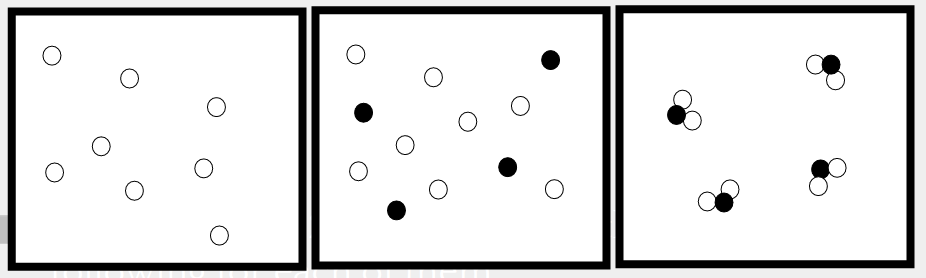
Which one of these pictures represents a mixture?
a)
1
b)
2
c)
3
d)
1, 2 and 3
26.

Is burning wood a chemical or physical change?
a)
chemical
b)
physical
27.
Blue Color: Chemical or Physical Property
a)
Chemical Property
b)
Physical Property
28.
Density: Chemical or Physical Property
a)
Chemical Property
b)
Physical Property
29.
Flammability (burns): Chemical or Physical Property
a)
Chemical Property
b)
Physical Property
30.
Solubility (dissolves): Chemical or Physical Property
a)
Chemical Property
b)
Physical Property
31.
Reacts with Acid: Chemical or Physical Property
a)
Chemical Property
b)
Physical Property
32.
Brittleness: Chemical or Physical Property
a)
Chemical Property
b)
Physical Property
33.
Melting Point: Chemical or Physical Property
a)
Chemical Property
b)
Physical Property
34.
Reacts with Water: Chemical or Physical Property
a)
Chemical Property
b)
Physical Property
35.
Hardness: Chemical or Physical Property
a)
Chemical Property
b)
Physical Property
36.
Boiling Point: Chemical or Physical Property
a)
Chemical Property
b)
Physical Property
37.
Luster: Chemical or Physical Property
a)
Chemical Property
b)
Physical Property
38.
Reacts with Air: Chemical or Physical Property
a)
Chemical Property
b)
Physical Property
39.
The mass of the chocolate cake is 250 g.
a)
qualitative
b)
quantitative
40.
The number of balloons in a store
a)
Qualitative Data
b)
Quantitative Data
41.
The color of marbles in a jar
a)
Qualitative Data
b)
Quantitative Data
42.
The type of pets a person owns
a)
Qualitative Data
b)
Quantitative Data
43.
Which of the following is an example of quantitative data?
a)
The color of your car
b)
A person's state of residence
c)
A person's Zip Code
d)
A Person's Height
44.
The bug was 5 cm long.
a)
Qualitative data
b)
Quantitative data
45.
A change that alters the physical properties of a substance without changing its composition.
a)
Physical Change
b)
Chemical Change
46.
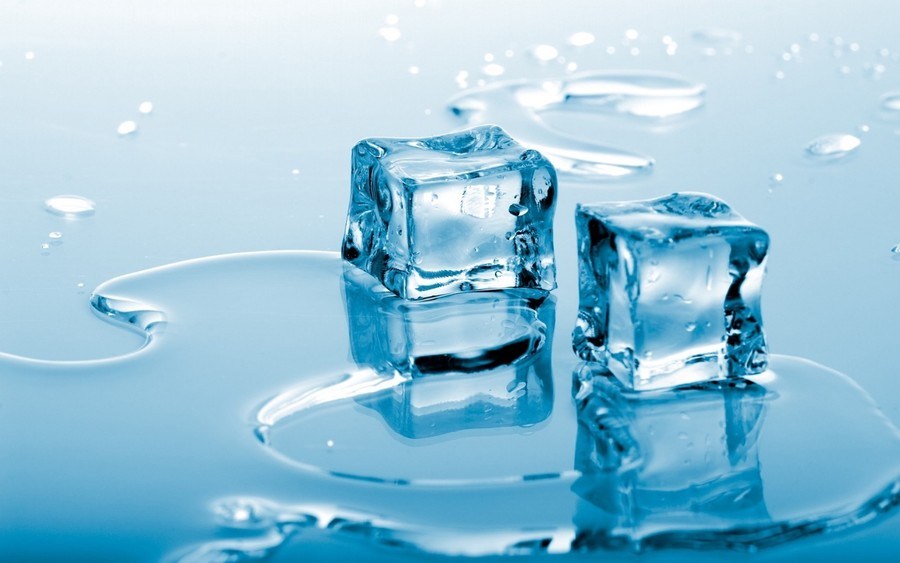
Water freezing into ice is an example of a...
a)
Physical Change
b)
Chemical Change
47.
Any change in the state of matter of a substance is a...
a)
Physical Change
b)
Chemical Change
48.
A change in matter that forms one or more new substances with new chemical properties is a/an...
a)
Physical Change
b)
Chemical Change
49.
Which of the following indicates a chemical change?
a)
Change in state of matter
b)
Temperature change
c)
Change in size
d)
Change in shape
50.
Which of the following DOES NOT indicate a chemical change/reaction is occurring?
a)
Color Change
b)
Formation of a Precipitate
c)
Formation of gas/bubbles
d)
State of matter change
51.
Which of the following indicates a PHYSICAL change?
a)
Change in temperature
b)
Change in shape
c)
Formation of a precipitate
d)
Change in color
52.
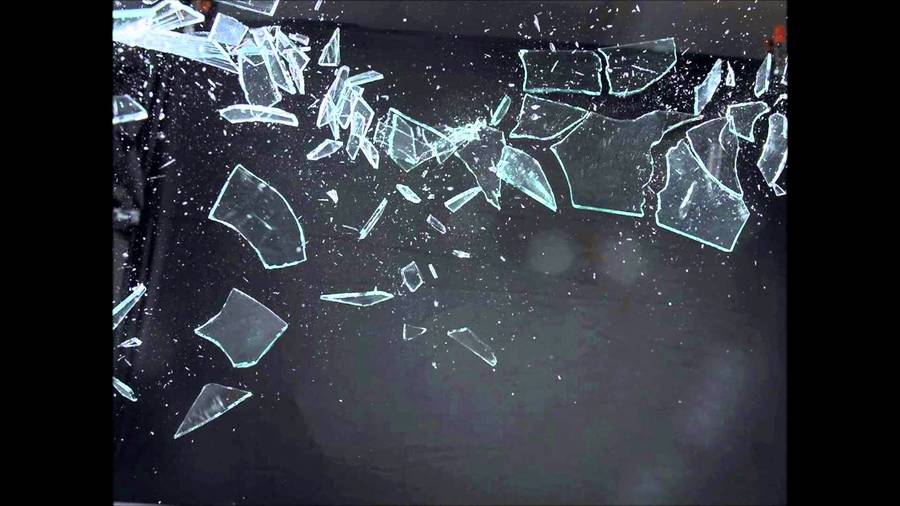
Chemical or Physical? Glass breaking into tiny shards
a)
Chemical Change
b)
Physical Change
53.

Physical or Chemical Change? Iron rusts
a)
Physical Change
b)
Chemical Change
54.
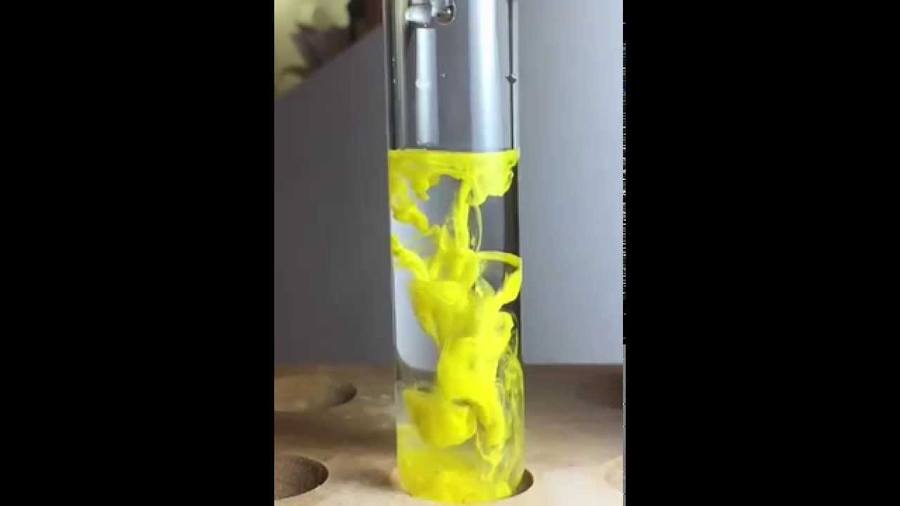
Physical or Chemical Change?
a)
Physical Change
b)
Chemical Change
55.
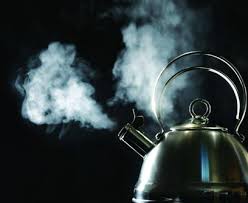
Physical or Chemical Change?
a)
Physical Change
b)
Chemical Change
56.

Physical or Chemical Change? Cutting an orange into wedges.
a)
Physical Change
b)
Chemical Change
57.
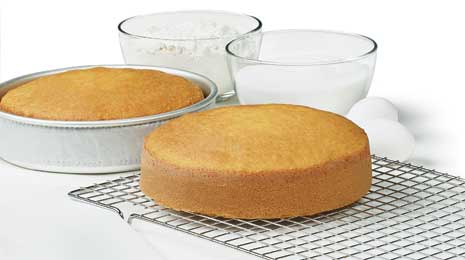
Physical or Chemical Change? Baking a cake.
a)
Chemical Change
b)
Physical Change
58.

Physical or Chemical Change? Logs burning in a campfire.
a)
Physical Change
b)
Chemical Change
59.

Physical or Chemical Change? Sodium metal burning in water.
a)
Physical Change
b)
Chemical Change
60.

Physical or Chemical Change? Making a paper airplane.
a)
Physical Change
b)
Chemical Change
61.
Particles of which of the following have the most energy?
a)
a gas
b)
a liquid
c)
a solid
d)
an amorphous solid
62.
Boiling is the reverse of freezing.
a)
True
b)
False
63.
Water particles in gas coming off of a pan of boiling water are moving slower than the particles of the water in the pan.
a)
true
b)
false
64.
When you open a solid room air freshener, the solid slowly loses mass and volume as the solid turns into a gas as the room freshener's particles escape and mix with the air in the room. This process is known as ______.
a)
Sublimation
b)
boiling
c)
freezing
d)
condensation
65.
Taking energy away from a substance will make its particles move
a)
more slowly
b)
more quickly
c)
at the same speed
66.
The change from a gas to a liquid is called
a)
condensation
b)
evaporation
c)
sublimation
d)
deposition
67.
The change in state from liquid to gas is called
a)
vaporization
b)
sublimation
c)
condensation
d)
deposition
68.
In which state of matter are particles moving the slowest?
a)
solid
b)
liquid
c)
gas
d)
gummy bears
69.
Adding more heat energy to particles of matter will
a)
make them move slower
b)
make them move faster
c)
make them stop moving
d)
destroy them
70.
What is it called when the state of matter changes from a liquid to a solid?
a)
Vaporization
b)
Freezing
c)
Condensation
d)
Melting
100 %

