
NEW
Font size
 Worksheets
ESS2-1 Weathering/Erosion/Deposion Review
Total questions: 45
Worksheet time: 43mins

Potholes forming in the road after a cold winter is an example of what type of weather?
mechanical weathering
chemical weathering

Which statement best explains why this process results in weathering?
Deltas forming at the mouths of rivers are an example of:
Weathering
Erosion
Deposition
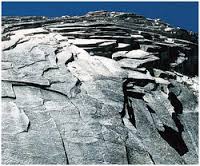
Which would most likely increase the erosion caused by a stream?
Increased Rainfall
Decreased animal life
Decreased temperature
Increased Evaporation
Many processes that shape Earth happen over thousands of years. Some processes happen much more quickly. Which of the following has the potential to change Earth's landforms quickly?
The carving of a valley by a glacier
The formation of a canyon by a river
The erosion of sand on a beach by storms
The weathering of rocks by wind
Ricky created a model of a glacier to help explain how glaciers change the surface of Earth. He froze two large blocks of ice. One block was pure water. The other was water mixed with sand and rocks. He took both blocks and rubbed them across a sheet of tinfoil. The block of pure water slid smoothly over the tinfoil. The block with sand and rocks ripped the tinfoil in many places. How does Ricky's model explain how glaciers change Earth's surface?
The rocks and sand contained in most glaciers create grooves in Earth's surface.
The rocks and sand contained in some glaciers fill the grooves in Earth's surface.
Pure glaciers and glaciers that contain rocks and sand affect the Earth in exactly the same way.
The water in pure glaciers cools Earth's surface.
On a recent field trip to a local river, the science class collected several rocks from the river bed. The rocks were all smooth and rounded. Why were the rocks in the river bed smooth?
Rushing water in the river wore away any jagged edges.
The minerals from which the rocks are made cannot form jagged edges.
Over centuries, the action of the wind caused the rocks to become smooth.
Plants along the river released substances that mixed with the water to smooth the rocks.
Hailey and her brother made a sand castle at the beach. Hailey slowly poured water on top of the sand castle. Some of the sand ran down the side of the castle with the water. What type of phenomenon did Hailey demonstrate?
Weathering by temperature change.
Erosion by heat.
Weathering by water.
Erosion by water.
Which of the following is not a cause of weathering?
Water freezes in a crack in a rock.
A plant grows in a crack in a rock.
Sand blows against a rocky surface.
A river carries sand and sediment downstream.
Which of the following is a slow process that changes Earth´s surface?
flooding
earthquake
wind erosion
volcanic eruption
Which of the following can cause erosion?
falling leaves
flowing water
growing grass
rising temperatures

What is responsible for shaping this arch?
plate tectonics
earthquakes
deposition
erosion
Moving water was the most important factor in which of these?


It is harder to read the wording on very old tombstones than it is to read the wording on newer ones. This difference is most likely a result of:
dirt filling in the letters
modern tombstones being made of artifical materials
weathering of the stone
slow crystallization of the stone
Which of the following most likely caused a rapid change of the mountain?


Which of the follwoing can be caused by weathering?
cracks forming in a boulder
rocks melting to form magma
glaciers forming on a mountainside
pebbles combining to form a large rock
Which of these landforms is a result of movement and deposition by wind?


Which process causes changes to the rocks due to freezing and thawing of trapped water?
chemical weathering
mechanical weathering
wind deposition
wind erosion

Which statement explains the forces respnsible for producing these features?
the canyon and fan were produced by the destrutive forces of erosion
the fan was formed by depsoiton, and the canyon was formeb by erosion
the canyon and fan were both formed quickly by an earthquake
the fan and canyon were produced by the construtive force of depsotion
How do plants most commonly break large rocks into smaller pieces?
plant leaves insulate surrounding rocks from extreme temperatures
plant roots grow into cracks in rocks
seeds from plants fall onto rocks and release compounds
stems of plants surround and squeeze rocks

the general terms for the movement of sediment by wind, water, glaciers
weathering
erosion
deposition


the process of wearing down by friction - like sand blasting
exfoliation
abrasion
erosion
deposition


All of the following cause weathering EXCEPT
water
glaciers
plants
volcano eruptions
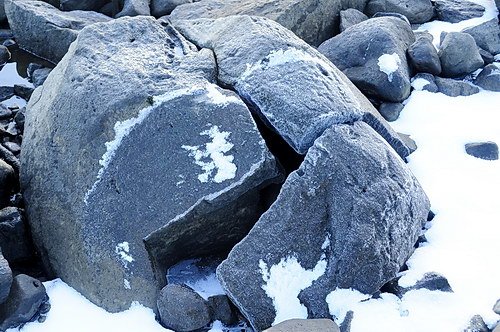
How does freezing water cause the weathering of rocks? The freezing water—
keeps the rocks in place.
makes the rocks last longer.
expands cracks and breaks rocks.
causes rocks to fall in landslides.

Over long periods of time, deposition may change the Earth’s surface by _____.
forming new land features.
breaking down large rocks into smaller ones.
washing away beaches.
moving topsoil.

A cliff formed near the ocean. Which statement best describes how this cliff formed?
Warm air melted the rock.
Sun rays evaporated the rock.
Ocean waves washed away rock.
Plant roots pushed away the rock.

What causes the greatest erosion effect on our beaches?
Waves
Gravity
Glaciers
Wind
Some agents of weathering are water, wind, ice, temperature and plant roots.
true
false


_____ is the process by which soil and sediment (weathered rock) are transported (moved) from one place to another by water, wind, glaciers, and gravity
Erosion
Deposition
Weathering
Running Water


Acid rain is a direct result of
Pollution
Oxidation
Rain
Weathering

