
 Worksheets
Unit 1 Part 2
Total questions: 36
Worksheet time: 39mins
Name
Class
Date
1.
What are the 3 major types of rocks?
a)
Igneous, Metamorphic, Sedimentary
b)
Metamorphic, Igneous, Cementation
c)
Brown, Red, Gray
d)
Streak, Hardness, Breakage
2.
What process is used to form sedimentary rocks?
a)
Lava cools and hardens to form a rock.
b)
Weathering, Erosion, Deposition, Compaction, Cementation
c)
Extreme heat and pressure from inside the Earth turn rocks into new rocks.
d)
Magma trapped under the Earth's surface cools and solidifies.
3.
Which of the words below describe broken up rock?
a)
stalactites
b)
magmas
c)
metamorphs
d)
sediments
4.
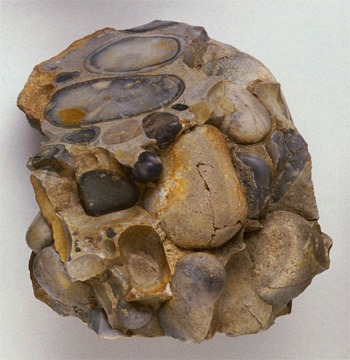
This rock was formed by smaller pieces of rock that settled at the bottom of a lake millions of years ago. What type of rock is this?
a)
Sedimentary
b)
Igneous
c)
Metamorphic
5.
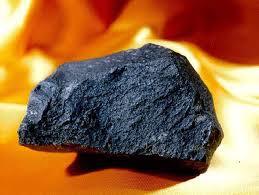
This rock was found near the mouth of a volcano. What type of rock is this?
a)
Sedimentary
b)
Igneous
c)
Metamorphic
6.

When sediments are pressed together tightly, this is called ____________.
a)
Compaction
b)
Cementation
c)
Weathering
d)
Erosion
7.
The process in which sediment are fused or glued together.
a)
compaction
b)
deposition
c)
organic rock
d)
cementation
8.
This rock was formed when molten rock cooled into a solid. What type of rock is it?
a)
Igneous Rock
b)
Metamorphic Rock
c)
Sedimentary Rock
9.
Which type of rock is formed from INTENSE heat and pressure?
a)
igneous
b)
sedimentary
c)
metamorphic
10.
Extreme Heat and Pressure creates a _________ rock.
a)
Igneous
b)
Metamorphic
c)
Sedimentary
d)
Mineral
11.
True or False: Once a rock is sedimentary, it cannot become an igneous rock.
a)
True
b)
False
12.
Fossils are only found in
a)
Sedimentary rocks
b)
Foliated Metamorphic rocks
c)
Igneous Rocks
d)
Nonfoliated Metamorphic rocks
13.

A never ending process by which rocks are changed from one type to another.
a)
weathering and erosion
b)
rock cycle
c)
heat and pressure
d)
pressing and cementing
14.

These can come in INTRUSIVE and EXTRUSIVE.
a)
Sedimentary
b)
Igneous
c)
Metamorphic
d)
Trusive Rocks
15.

How do extrusive igneous rocks differ from intrusive igneous rocks?
a)
Extrusive rocks are larger in size.
b)
Intrusive rocks break down quicker.
c)
Extrusive rocks are arranged in layers.
d)
Intrusive rocks have larger crystals.
16.

Which of the following is a TRUE statement?
a)
Magma is called lava after it emerges from the ground
b)
Lava cools off to form magma
c)
Magma and lava form sedimentary rocks
d)
Magma and lava are two types of metamorphic rock
17.
What do all rocks contain?
a)
salt
b)
magma
c)
sediments
d)
minerals
18.

What type of rock forms from molten magma under the surface?
a)
Sedimentary
b)
Extrusive Igneous
c)
Intrusive Igneous
d)
Metamorphic
19.

What type of rock looks like a piece of glass due to rapid cooling by air or water after melting?
a)
Intrusive Igneous
b)
Extrusive Igneous
c)
Metamorphic
d)
Sedimentary
20.

Each rock type can follow only one pathway of the rock cycle.
a)
True
b)
False
21.

This rock was formed by lots of fossils that settled on top of each other over time. What type of rock is this?
a)
Sedimentary
b)
Igneous
c)
Metamorphic
22.
the trace or remains of an organism that lived a loooong time ago, often preserved in sediment
a)
half-life
b)
fossil
c)
geologic time-scale
d)
evolution
23.

this type of fossil is a mark or cavity made in sediment in the shape of a shell or other body
a)
cast
b)
trace
c)
petrified
d)
mold
24.
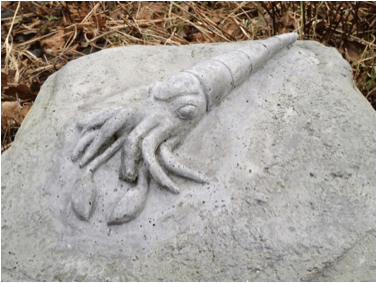
this type of fossil is a mold filled with sediment that creates a solid copy of an organism
a)
mold
b)
petrified
c)
cast
d)
trace
25.

this type of fossil provides evidence of the activities of ancient organisms; examples include marks left by footprints or tails
a)
mold
b)
carbon film
c)
trace
d)
cast
26.
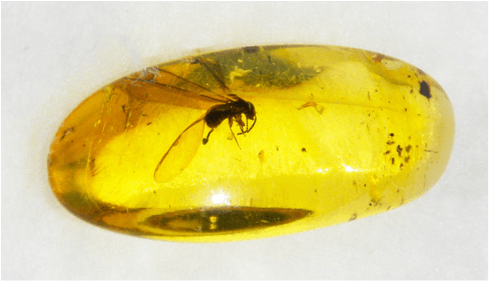
this material does an excellent job of preserving insect remains
a)
cast
b)
amber
c)
mold
d)
carbon film
27.

a scientist who studies fossils
a)
geologist
b)
biologist
c)
paleontologist
d)
chemist
28.

Which of the following is NOT an example of a fossil?
a)
a petrified dinosaur bone
b)
a footprint captured in mud
c)
a seashell found on the beach
29.
a fossil made inside a mold when minerals seeped in and hardens into shapes of the mold
a)
glue
b)
resin fossil
c)
sap
d)
cast fossil
30.
Which animal part would MOST LIKELY form a fossil?
a)
fur
b)
lung
c)
bone
d)
muscle
31.

What would probably happen if dinosaur remains are not covered quickly?
a)
It could decay, or rot away.
b)
It would become a fossil.
c)
It would not be able to decay.
32.
Why don't all living things become fossils?
a)
because some living things are too small
b)
because some living things are too big
c)
because some are subject to catastrophism and others are not
d)
because environmental conditions have to be just right to prevent decay
33.

Which layer is oldest?
a)
A
b)
W
c)
G
d)
Z
34.

According to the law of superposition, which layer is the youngest?
a)
A
b)
B
c)
C
35.
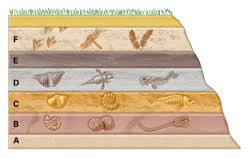
Which rock layer contains the newest fossils?
a)
F
b)
E
c)
B
d)
C
36.
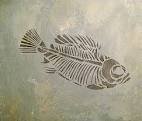
If scientists found this fossil, what could they infer?
a)
what fish are like today
b)
that this fish lacked oxygen
c)
what kind of animal ate this fish
d)
that water once covered the area
100 %

