
NEW
Font size
 Worksheets
The Brain and cardiovascular system
Total questions: 51
Worksheet time: 30mins
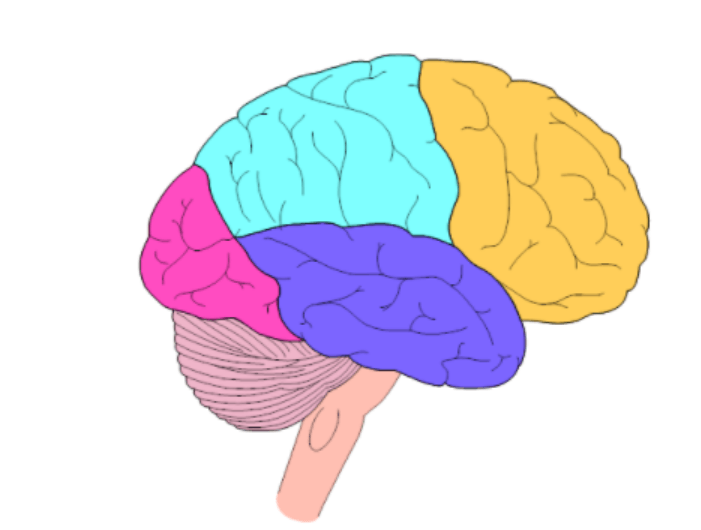
What lobe is orange in this picture?
Frontal
Parietal
Temporal
Occipital
What lobe is bright pink in this picture?
Frontal
Parietal
Temporal
Occipital
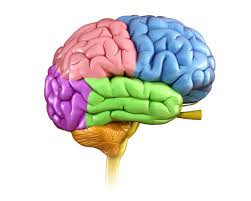
What lobe is green in this picture?
Frontal
Parietal
Temporal
Occipital
What lobe is pink in this picture?
Frontal
Parietal
Temporal
Occipital
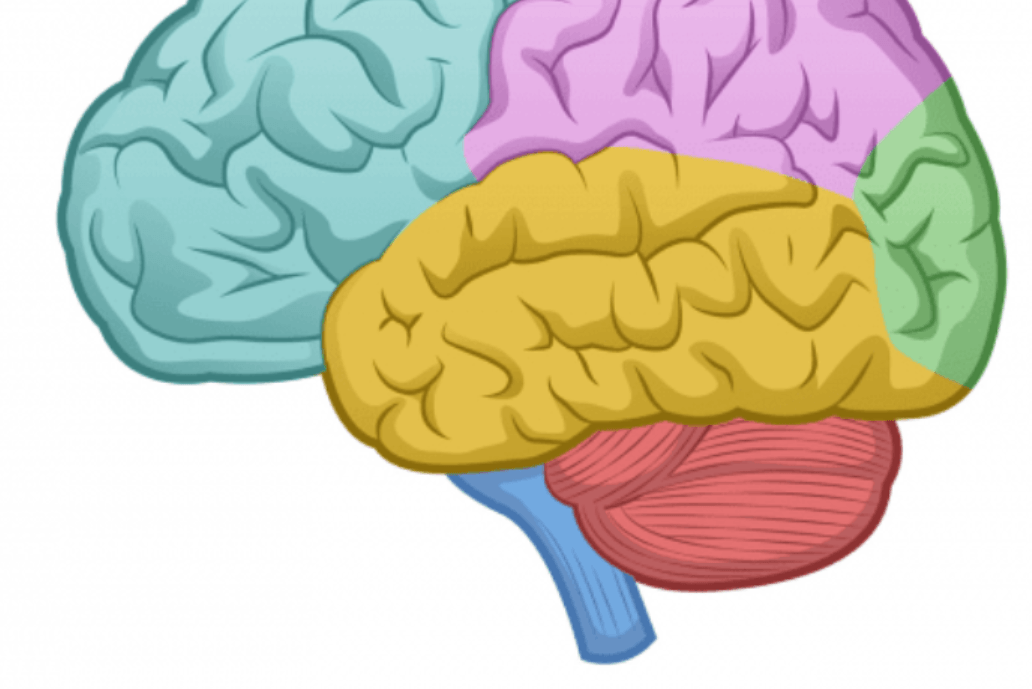
What structure is red in this picture?
Cerebrum
Cerebellum
Brain Stem
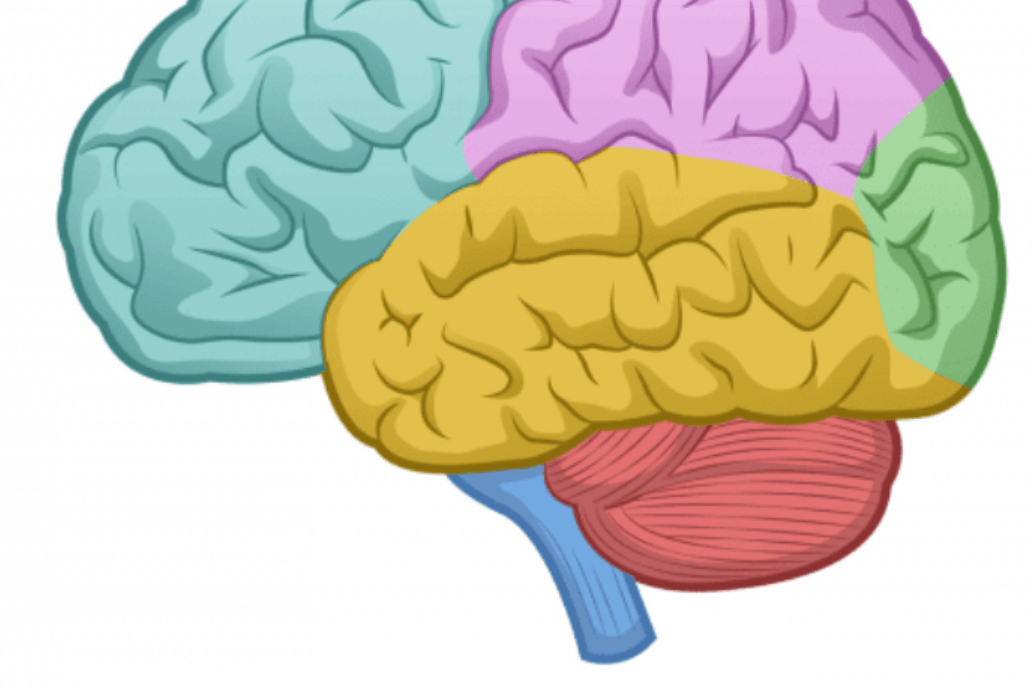
What structure is blue in this picture?
Cerebrum
Cerebellum
Brain Stem
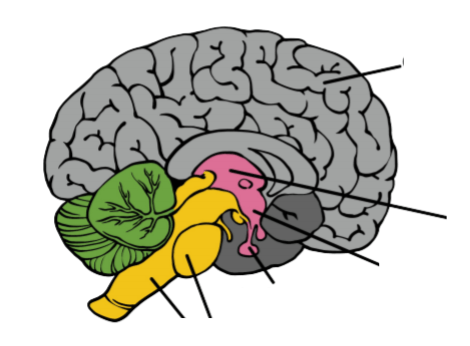
What structure is grey in this picture?
Cerebrum
Cerebellum
Brain Stem

Which letter indicates the frontal lobe?
A
B
C
F


Blood cell that protect the body against infection
Platelets
Plasma
Hemoglobin
White Blood Cells
Blood
The fluid in which other parts of the blood are suspended
Platelets
Blood
Plasma
Hemoglobin
White Blood Cells
Types of cells in the blood that causes blood clots to form
Platelets
Blood
Plasma
Hemoglobin
White blood cells
The fluid that delivers oxygen, hormones, and nutrients to the cells and carries away wastes
Platelets
Blood
Plasma
Hemoglobin
White Blood Cells
The oxygen-carrying protein in blood
Platelets
Blood
Plasma
Hemoglobin
White Blood Cells
A wall of tissue that separates the 4 chambers of the heart
Pulmonary Circulation
Valves
Atria
Ventricles
Septum
The process by which blood moves between the heart and the lungs
Pulmonary Circulation
Valves
Atria
Ventricles
Septum
The top two chambers of the heart
Pulmonary Cirvulation
Valves
Atria
Ventricles
Septum
These are between the atria and ventricles that allow blood to flow through the chambers
Pulmonary Circulation
Valves
Atria
Ventricles
Septum
The lower two chambers of the heart
Pulmonary Circulation
Valves
Atria
Ventricles
Septum
Small vessels that carry blood from arterioles and to small vessels called venules which then empty into veins
Arterioles
Arteries
Veins
Venules
Capillaries
Blood vessels that return blood to the heart
Arterioles
Arteries
Venules
Veins
Capillaries
Blood vessels that carry oxygenated blood away from the heart
Arterioles
Arteries
Veins
Venules
Capillaries


The force applied to arterial walls as the heart pumps blood is called ______.
blood pressure
blood volume
viscosity
resistance
Which of the following characteristics describe the veins?
move away from the heart
have low blood pressure
distribute blood to body organs
have high blood pressure
What is the direction of blood flow in the circulatory system?
lungs, body, heart, body
body, lungs, heart, body
heart, lungs, heart, body
heart, body, lungs, body
Which of the following increases blood flow?
an increase in blood viscosity
an increase in blood volume
an increase in blood vessel length
an increase in blood vessel diameter
Which of the following decreases blood flow?
an increase in blood viscosity
a decrease in blood vessel length
an increase in blood vessel diameter
a decrease in blood pressure

