
 Worksheets
Properties of Matter and Change Test Review
Total questions: 87
Worksheet time: 22hrs 45mins

This model represents the particles of...
an element
a compound
a mixture
there's not enough information to tell
Which model shows a molecule that is also an element?


How many sulfur atoms are in a molecule of zinc sulfate (ZnSO4)?
0
1
4
You can't tell from the formula.

What is the solvent in the example shown here?
Kool-Aid mix
water
the Kool-Aid
the cup

In this picture, the Kool-Aid mix is the...
solute
solvent
solution
alloy
Select all of the physical changes from the examples below.


Select all the models below that represent chemical changes.


Select all of the choices that ARE evidence for a chemical change.
mixing a solid and a liquid and the solid disappears
mixing a solid and a liquid and producing gas
mixing two cold liquids and having the sample get hot
mixing two clear liquids that turn purple
a process involving one or more substances changing into new substances; also called a chemical reaction
chemical change
chemical property
phase change
physical change
a chemical combination of two or more different elements; can be broken down into simpler substances by chemical means and has properties different from those of its component elements
compound
intensive property
mixture
vapor
a technique that can be used to physically separate most homogeneous mixtures based on the differences in the boiling points of the substances
distillation
crystallization
sublimation
phase change
a physical property, such as mass, length, and volume, that is dependent upon the amount of substance present
extensive property
intensive property
law of definite proportions
law of multiple proportions
a technique that uses a porous barrier to separate a solid from a liquid
filtration
chromatography
sublimation
distillation
one that does not have a uniform composition and in which the individual substances remain distinct
heterogeneous mixture
homogeneous mixture
phase change
solution
one that has a uniform composition throughout and always has a single phase; also called a solution
homogeneous mixture
heterogeneous mixture
gas
solution
a physical property that remains the same no matter how much of a substance is present
intensive property
extensive property
law of definite proportions
law of multiple proportions
states that mass is neither created nor destroyed during a chemical reaction but is conserved
law of conservation of mass
law of multiple proportions
law of definite proportions
percent by mass
states that, regardless of the amount, a compound is always composed of the same elements in the same proportion by mass
law of definite proportions
law of conservation of mass
law of multiple proportions
periodic table
states that when different compounds are formed by the combination of the same elements, different masses of one element combine with the same mass of the other element in a ratio of small whole numbers
law of multiple proportions
law of definite proportions
law of conservation of mass
percent by mass
a physical blend of two or more pure substances in any proportion in which each substance retains its individual properties; can be separated by physical means
mixture
heterogeneous mixture
homogeneous mixture
solution
a type of change that alters the physical properties of a substance but does not change its composition
physical change
physical property
phase change
chemical change
characteristics of matter that can be observed or measured without changing the sample's composition-for example: density, color, taste, hardness, and melting point
physical property
physical change
intensive property
extensive property
a uniform mixture that can contain solids, liquids, or gases; also called a homogeneous mixture
solution
homogeneous mixture
heterogeneous mixture
phase change
the physical forms in which all matter naturally exists on Earth- most commonly as a solid, liquid, or gas
states of matter
phase change
mixture
physical property

If two or more compounds are composed of the same two elements, then the ratio of the masses of the second element that is combined with a certain mass of the first element is always a ratio of small whole numbers. This statement is called the law of
definite proportions.
conservation of mass.
atomic theory.
multiple proportions.
If two or more compounds are composed of the same two elements, then the ratio of the masses of the second element that is combined with a certain mass of the first element is always a ratio of small whole numbers. This statement is called the law of
definite proportions.
conservation of mass.
atomic theory.
multiple proportions.
The fact that every sample of a particular chemical compound contains the same elements in exactly the same proportions by mass is known as the law of
conservation of energy.
conservation of mass.
atomic theory.
definite proportions.
A solid is crushed into a powder?
Burning coal to heat a house
Beach sand is a good example of this type of mixture.
homogeneous
colloid
soution
heterogeneous
The ability of a material to be hit with a hammer, but not shatter - like copper.
solubility
malleability
reactivity
density
What is the atomic mass of Bromine?
79.9
35
Br
45
Which is an example of a physical change?
A chemical going from solid to liquid
Formation of bubbles when two chemicals are put together
A piece of copper grows a coat of silver when put into a solution
A substance catching fire
Which two describes an element?
Cannot be broken down into simpler substances
Composed of only one type of atom
Does not have same composition throughout
Can be seperate by physical means
The difference between a compound and an element is? Pick two
Contain two or more kinds of atoms
Can be separated into simpler particles
Can be separated by physical means
The components of it retain their unique properties

Freshly brewed black coffee
Heterogeneous
Homogeneous
Lucky Charms
Heterogeneous
Homogeneous

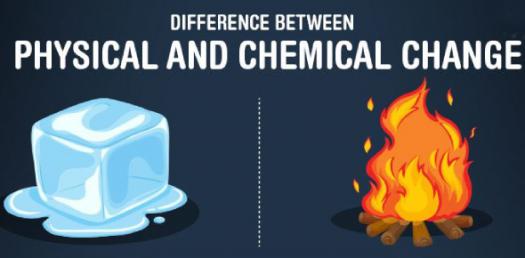
What is a sign of a physical change?
Bubbles forming
Color changing
Stretching
Producing heat
Which of the following changes is a physical change of matter?
water evaporating
paper burning
a nail rusting
a silver spoon tarnishing

You mixed two liquids and a precipitate formed, what kind of change occured?
Physical
Chemical
An intensive property
Depends on the amount of substance
Does not depend on the amount of substance
An extensive property
Depends on the amount of substance
Does not depend on the amount of substance
Intensive/Extensive properties are
Physical Properties
Chemical Properties
Which of the following is an intensive property of matter?
energy content
density
volume
mass
Extensive properties
include boiling point.
do not depend on the amount of matter present.
include volume and mass.
all depend on the chemical composition of the matter present.
Which of the following is an intensive property of matter?
volume
mass
energy content
density
When is Mole Day?
10/23
6/22
3/14
every day is mole day when you are a chemist
The mole is a ________.
unit
or have you heard
containing
6.0 times the twenty-third!
What is Avogadro's Number?
6.02 x 10²³
- 23 106.02
6.02 x 10²²
6,020,000,000,000
We use the periodic table to find...
mass
molar mass
moles

