wayground logo

Free Printable Worksheets

Font size

S
M
L
XL
Worksheets

Chemistry Spring Review 2022

Total questions: 85

Worksheet time: 3hrs 37mins

Name
Class
Date
1.
Human blood has a pH between 7.35 and 7.45. Which of the following best describes human blood?
a)
strongly acidic
b)
slightly acidic
c)
strongly basic
d)
slightly basic
2.

Zn(OH)2 is an example of a...

a)

acid

b)

base

c)

salt

d)

water

3.

H3PO4 is an example of a ...

a)

acid

b)

base

c)

salt

d)

non-electrolyte

4.

Phenolphthalein is pink in an aqueous solution having a pH of

a)

2

b)

7

c)

5

d)

12

5.

If a solution has a pH of 1.5, then litmus would turn

a)

red

b)

purple

c)

blue

d)

yellow

6.
An indicator will ______________ when it is in contact with an acid or base
a)
Bubble
b)
Form a new substance
c)
Change color
d)
Stay the same color
7.

A type of chemical that forms solutions that taste sour, due to high concentrations of positive hydrogen ions

a)

acid

b)

base

c)

salt

d)

pH

8.
Identify the salt in the following equation:
Zn(OH)2 + HNO3   ---> H2O  + Zn(NO3)2
a)
Zn(OH)2
b)
HNO3
c)
H2O
d)
Zn(NO3)2
9.
What are the products to a neutralization reaction?
a)
H2 + Ionic Salt
b)
H2O + Ionic Salt
c)
H3O+ + Ionic Salt
d)
OH- + Ionic Salt
10.

Complete the following reaction:

HCl + Mg(OH)2 -->

a)

MgCl2 + H2O

b)

Mg +H2O

c)

MgCl2 + H2

d)

MgCl2 + H2O + CO2

11.
HBr is an example of a(n)
a)
Acid
b)
Base
c)
Neutral
12.
What are the products of the following reaction?
H2SO4  +  KOH  -->  
a)
HK  +  HSO4
b)
H2O  +  KSO4
c)
H2O  +  K2SO4
d)
H2  +  K2SO4
13.

Complete the following reaction:

HNO3 + Ca(OH)2 -->

a)

Ca(NO3)2 + H2O

b)

Ca +H2O

c)

Ca(NO3)2 + H2

d)

Ca(NO3)2 + H2O + CO2

14.

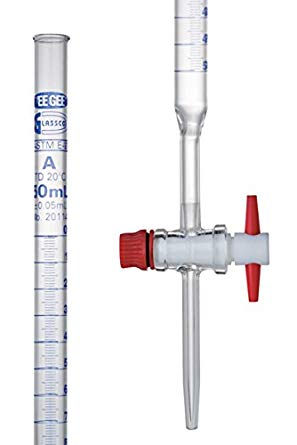
What is this piece of apparatus called

a)

Pipette

b)

Burette

c)

Janette

d)

Cuvette

15.

What is the reading on this burette?

a)

24.0cm3

b)

25.8cm3

c)

24.2cm3

d)

23.9cm3

16.
What is the molarity of a NaOH solution if 11.6 mL of 3 M HCl was used to neutralize 25 mL of NaOH?
a)
1.392 M
b)
0.155 M
c)
0.718 M
17.

What is the purpose of indicator solutions?

a)

To signal the end of a reaction

b)

To colour the solution

c)

To complete the reaction

d)

To equivalent the reaction

18.
What indicator is commonly used in titrations?
a)
Phenolphthalein
b)
Bromothymol Blue 
c)
Litmus
d)
Universal 
19.
What is the endpoint of a titration
a)
Where the amount of acid and base are equal as shown by a colour change 
b)
Where there is no base
c)
When the volume of base in the burette is used up 
d)
When there is no acid
20.
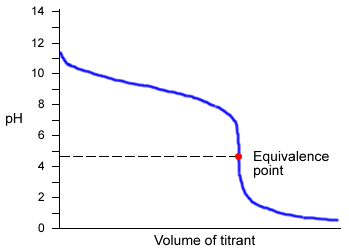
Which type of titration is shown by this titration curve?
a)
Titration of a strong acid by a strong base 
b)
Titration of a weak acid by a strong base 
c)
Titration of a strong base by a strong acid 
d)
Titration of a weak base by a strong acid
21.

What is the equivalence point of a titration?

a)

Where the amount of acid and base are balanced according to the equation

b)

Where there is no base

c)

At the end

22.

Concentration is

a)

the amount of solute in the solvent

b)

the amount of solvent in the solute

c)

density

d)

particle size

23.
What is the molarity of 4.0 g of NaCl (Molar mass=58.45) in 3,800 mL of solution?
a)
0.018 M
b)
0.001M
c)
1.052 M
d)
0.062 M
24.
What atom matches this electron configuration?
1s2s2p3s2
a)
Neon
b)
Magnesium
c)
Aluminum
d)
Potassium
25.
What is the maximum number of electrons that an orbital can have?
a)
1 electron
b)
2 electrons
c)
3 electrons
d)
4 electrons
26.
How many d orbitals are there in a given sublevel?
a)
1
b)
3
c)
5
d)
7
27.
How many p orbitals are there in a sublevel?
a)
2
b)
1
c)
4
d)
3
28.
How many electrons can the d sublevel hold?
a)
8
b)
10
c)
2
d)
4
29.
What is this element? 
1s22s22p63s23p6
4s23d104p6
a)
Argon
b)
Krypton
c)
Selenium
d)
Bromide
30.
What atom matches this electron configuration?
[Xe] 6s2 4f14 5d9
a)
Mercury
b)
Gold
c)
Platinum
d)
Thallium
31.
What is the shorthand electron configuration for Sulfur atom?
a)
[Ar] 3p4
b)
[He] 3s23p4
c)
[Ne] 3s23p4
d)
[Na] 3s23p3
32.
Which element is pictured?
a)
neon
b)
fluorine
c)
magnesium
d)
argon
33.
What noble gas should be used to write the shorthand configuration for Te?
a)
Ar
b)
Kr
c)
Xe
d)
Sb
34.
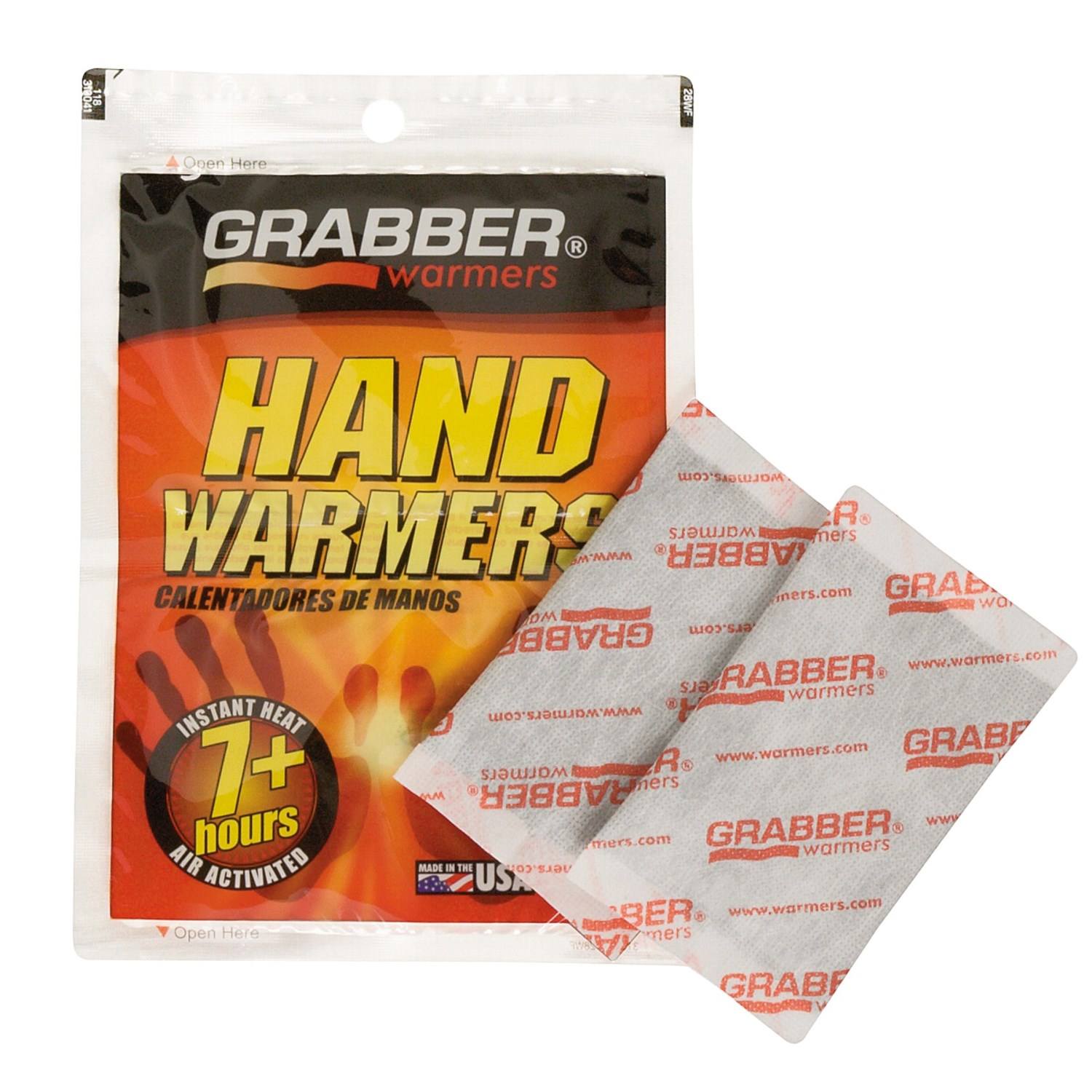
What type of reaction occurs in a hand warmer
a)
exothermic
b)
endothermic
35.
In an endothermic reaction, heat is ...
a)
taken in or absorbed
b)
given out or released 
36.

_____ reactions usually feel hot!

a)

endothermic

b)

exothermic

37.

____ reactions usually feel cold.

a)

endothermic

b)

exothermic

38.

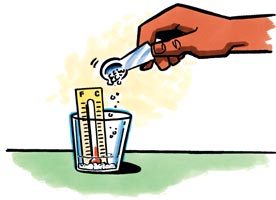
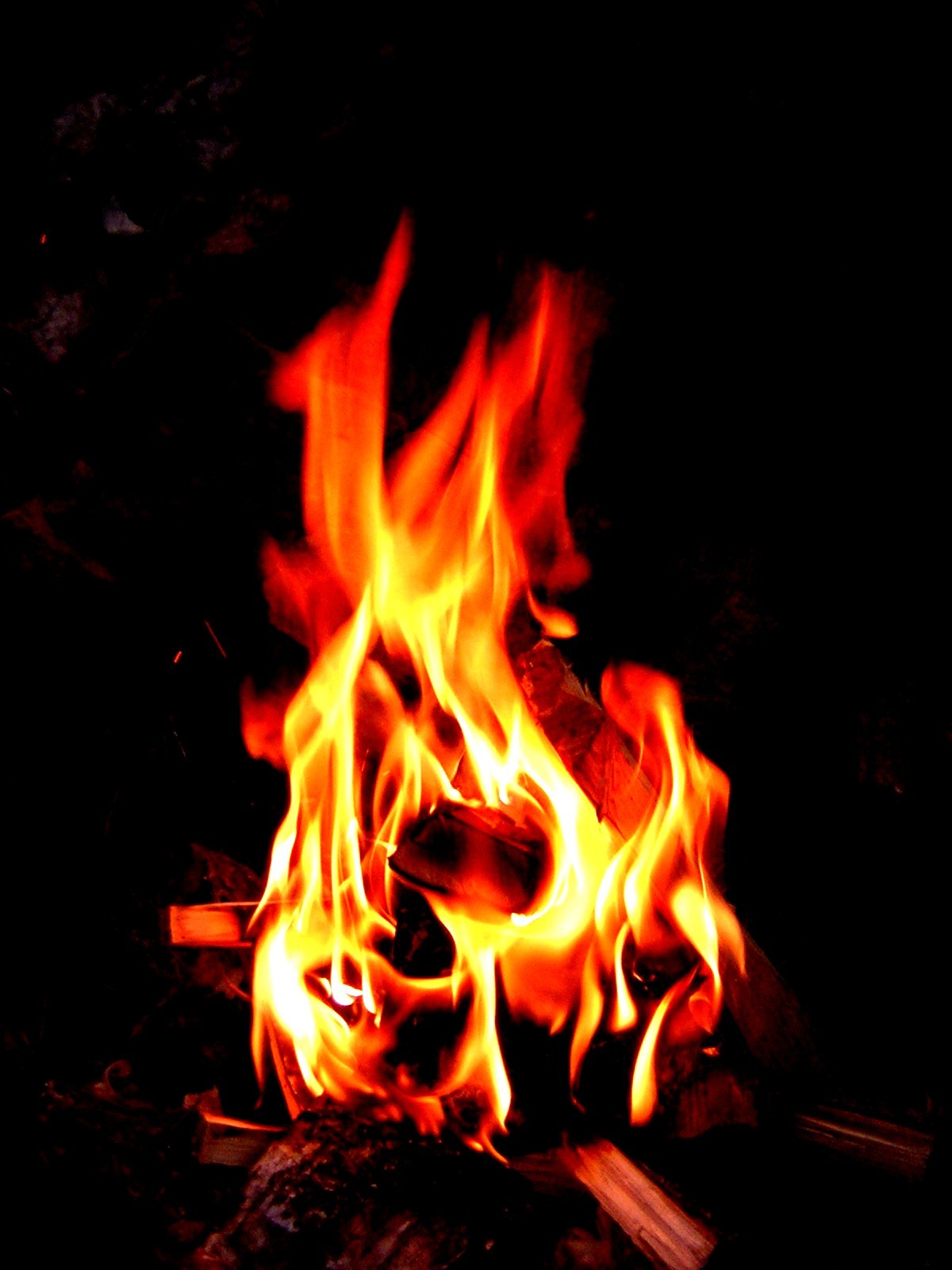
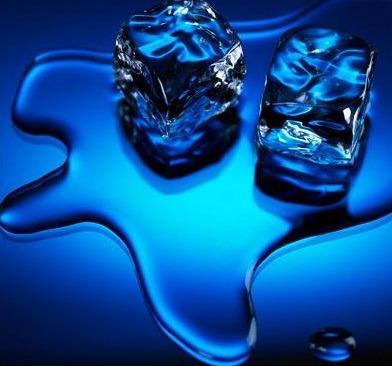
What type of reaction is this?

a)

Exothermic

b)

Endothermic

c)

Energy Producing

d)

No way to tell

39.
What precipitate forms when you mix lead (II) nitrate with sodium chloride?
a)
sodium nitrate 
b)
lead (II) chloride 
c)
sodium lead
d)
chloride nitrate 
40.
Which is the correct net ionic equation for the reaction of AgNO3 and CaCl2?
a)
Ca2+(aq) +  2Cl- (aq) → CaCl(s)
b)
Ag+(aq)  +  Cl- (aq) → AgCl(s)
c)
Ag +  Cl  →  AgCl
d)
Ag+  +  Ca2+   →Ag2Ca (s)
41.
What are the spectator ions in the reaction of sodium chloride with silver nitrate?
a)
silver and nitrate
b)
sodium and chloride
c)
sodium and nitrate
d)
silver and chloride
42.
What are the spectator ions in this reaction?
CuCl2(aq) + NaOH(aq) → Cu(OH)2(s) + NaCl(aq)
 
a)
Cu2+ and OH1-
b)
Na2+ and Cl2-
c)
Na1+ and Cl1-
d)
Na1+ and OH1-
43.
Which is the correct net ionic equation for the reaction of AgNO3 and CaCl2?
a)
Ca2+(aq) +  2Cl- (aq) → CaCl(s)
b)
Ag+(aq)  +  Cl- (aq) → AgCl(s)
c)
Ag +  Cl  →  AgCl
d)
Ag+  +  Ca2+   →Ag2Ca (s)
44.

CuCl2 + 2NaNO3 --> Cu(NO3)2 + 2NaCl


If 15.0 grams of CuCl2 react with 20 g of NaNO3, how much NaCl can be formed?

a)

13.0 g of NaCl

b)

98 g of NaCl

c)

26 g of NaCl

d)

17.4 of NaCl

45.
The limiting reactant
a)
slows the reaction down
b)
is used up first
c)
is the reactant that is left over
d)
controls the speed of the reaction
46.
Theoretical yield = 73g
Actual yield = 62g
Calculate the percent yield.
a)
1.16%
b)
116%
c)
85%
d)
76%
47.
 A lone pair is defined as
a)
A pair of bonding electrons
b)
One non-bonding electron
c)
A pair of non-bonding electrons
d)
A pair of electrons on the central atom
48.
What is the VSEPR theory used to predict?
a)
Bond Strength
b)
Polarity
c)
Molecular Shape
d)
Electronegativity
49.
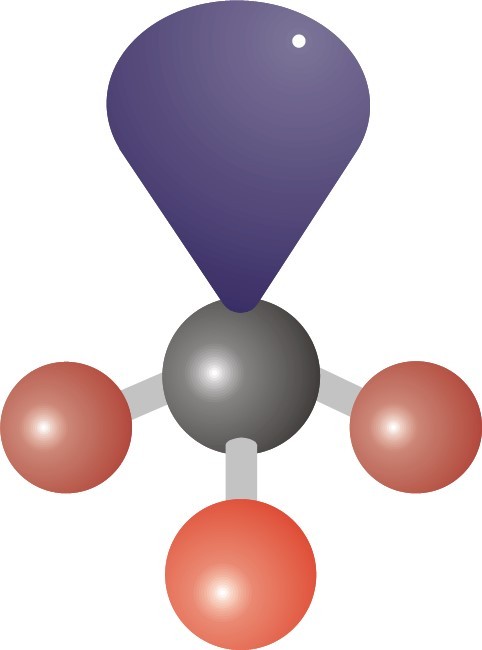
Which of the following shapes has an unshared pairs of electrons on the central atom? 
a)
Bipyramidal
b)
Bent
c)
Trigonal Planar
d)
Tetrahedral
50.
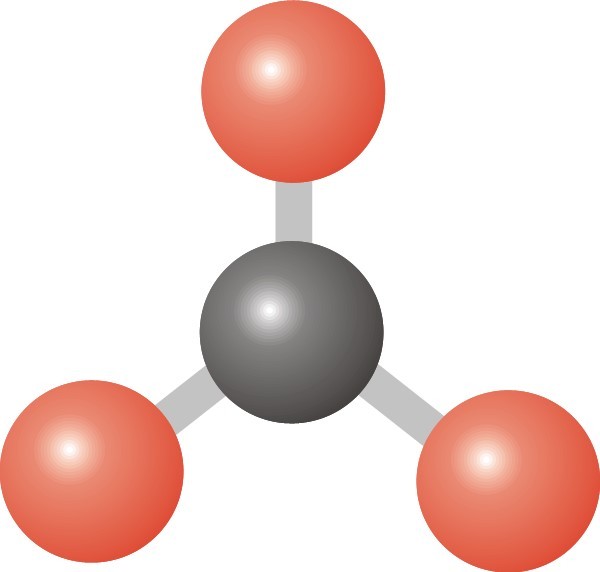
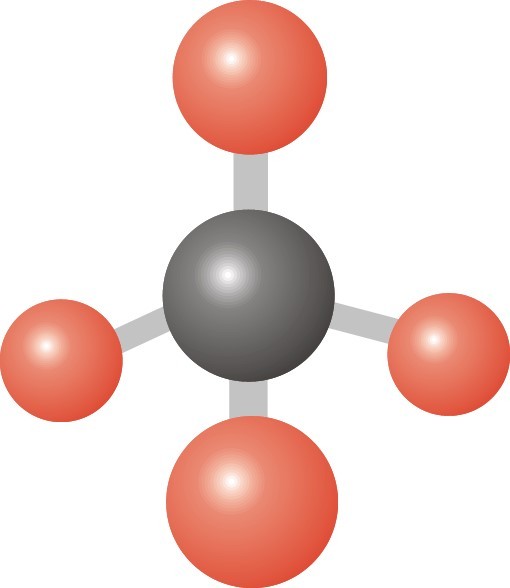
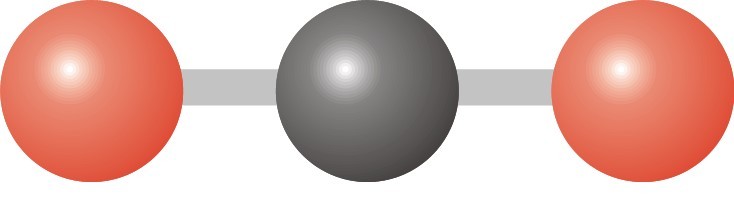
Which molecule would have this molecular geometry?
a)
BF3
b)
CH4
c)
PCl5
d)
CO2
51.
What molecule could this be? 
a)
BF3
b)
CH4
c)
H2O
d)
CO2
52.
Who could this molecule be?
a)
CH4
b)
CO2
c)
PCl5
d)
BF3
53.

What molecular geometry would PH3 have?

a)

Trigonal Pyramidal

b)

Trigonal Bipyramidal

c)

Bent

d)

Linear

54.

Is this molecule polar?

a)

Yes

b)

No

55.

Is this molecule polar?

a)

No

b)

Yes

56.

What is the molarity of a 0.5L sample of a solution that contains 60.0 g of sodium hydroxide (NaOH)

a)

0.8 M

b)

1.5M

c)

3.0M

d)

6.0M

57.

Which of the following is the correct formula for calculating molarity?

a)

moles/liters of solution

b)

moles/kg of solvent

c)

# particles/Avogadro's #

d)

theoretical yield/actual yield

58.

Which of the following types of solutions has more room to dissolve solute?

a)

supersaturated

b)

saturated

c)

unsaturated

59.
What is a solvent?
a)
The substance that does the dissolving in a solution.
b)
The substance that is being dissolved in a solution.
c)
The mixing of different substances.
d)
The process in which neutral molecules lose or gain electrons
60.
Another name for a homogeneous mixture is 
a)
an element.
b)
a solution.
c)
a compound.
61.

Electrolytes

a)

don't conduct electricity

b)

conduct electricity

62.

Which of the following will produce crystals if cooled or disturbed?

a)

unsaturated solution

b)

saturated solution

c)

supersaturated solution

d)

all of the above

63.
a)
beaker
b)
flask
c)
graduated cylinder
d)
test tube
64.
a)

crucible tongs

b)

beaker tongs

c)

forceps

d)

tweezers

65.
a)
hot plate
b)
flame thrower
c)
heater
d)
bunsen burner
66.
a)
watch glass
b)
crucible 
c)
clay triangle
d)
evaporating dish
67.
a)

iron ring

b)

ring stand

c)

face mask

d)

Bunsen burner stand

68.
a)
buret
b)
erlenmeyer flask
c)
graduated cylinder
d)
beaker
69.
a)
ignition tubes
b)
test tubes
c)
graduated cylinders
d)
burets
70.
a)
test tube rack
b)
test tube holder
c)
wire holder
d)
utility clamp
71.
Identify the equipment shown here:
a)
beaker
b)
Erlenmeyer flask
c)
Florence flask
d)
volumetric flask
72.

Identify the lab equipment in the picture.

a)

Test Tube Rack

b)

Test Tube Clamp with Spring

c)

Crucible Tongs

d)

Forceps

73.

To prepare a solution of accurately known volume, use a

a)

measuring cylinder

b)

beaker

c)

concial flask

d)

volumetric flask

74.
Gases have...
a)
A definite shape and volume
b)
A definite shape but no definite volume
c)
No definite shape but a definite volume
d)
No definite shape or volume
75.
What is the variable for this number 1.5 mol
a)
P
b)
T
c)
n
d)
V
76.
PV=nRT
a)
Charles Law
b)
Boyle's Law
c)
Combined Gas Law
d)
Ideal Gas Law
77.
Calculate the volume that a 0.323-mol sample of a gas will occupy at 265 K and a pressure of 0.900 atm.
a)
7.18 L 
b)
7.81 L
c)
4.63 L
d)
4.36 L
78.
Determine the Kelvin temperature required for 0.0470 mol of gas to fill a balloon to 1.20 L under .998 atm pressure. 
a)
0 K 
b)
107 K 
c)
207 K 
d)
307 K 
79.

What does R stand for

a)

Ideal gas constant

b)

Real gas constant

c)

Temperature constant

d)

Ideal gas law

80.
What is the first thing you must do to solve a stoichiometry problem?
a)
Write a Balanced Equation
b)
Panic
c)
Write an Unbalanced Equation
d)
Ask for help
81.
KNO3 --> KNO2 + O2
What coefficients are needed to balance the reaction?
a)
2, 2, 1
b)
2, 3, 2
c)
1, 2, 2
d)
1, 3, 1
82.
True or False. You must convert grams to moles to do stoichiometry.
a)
True
b)
False
83.
2H2   +   O2  →  2H2O
How many moles of water can be produced if 8 moles H2 are used?
a)
4 moles
b)
8 moles
c)
16 moles
d)
2 moles
84.
If a chemist calculates the maximum amount of product that could be obtained in a chemical reaction, he or she is calculating the
a)
theoretical yield
b)
mole ratio
c)
actual yield
d)
percentage yield
85.
2Na + 2H2O → 2NaOH+ H2
How many grams of hydrogen are produced if 120 g of Na are available?

a)
5.2 g
b)
2.6 g
c)
690 g
d)
45 g