wayground logo

Free Printable Worksheets

Font size

S
M
L
XL
Worksheets

Aquatic Invertebrates

Total questions: 47

Worksheet time: 35mins

Name
Class
Date
1.
What type of symmetry do sponges (Porifera) have?
a)
asymmetrical
b)
radial
c)
bilateral 
d)
medial
2.
What is an invertebrate?
a)
An animal with a backbone
b)
a mammal
c)
An animal without a backbone
d)
birds
3.
This picture is an example of which group of invertebrates?
a)
Segmented worms
b)
Fish
c)
Sponges
d)
Arthropods
4.
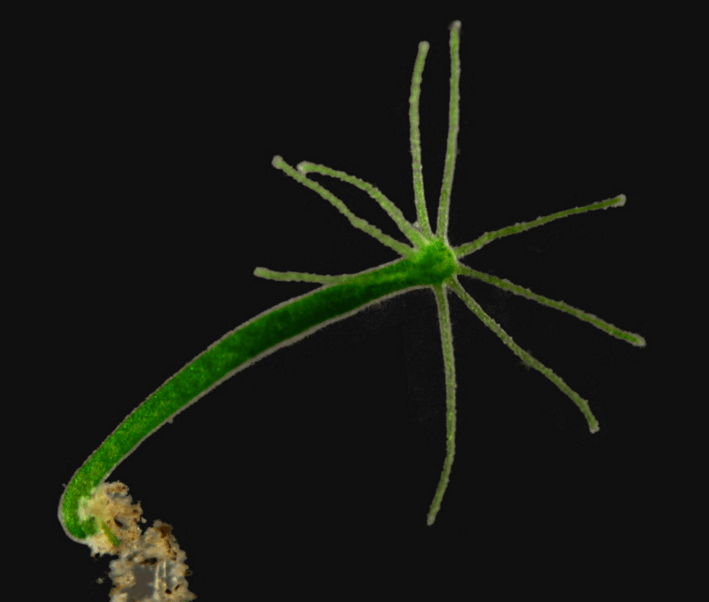
I have a digestive cavity with one opening, and have tentacles.  I am a hydra.
a)
Echinoderm
b)
Cnidarian
c)
Arthropod
d)
Mollusk
5.
These organisms all have nematocysts.
a)
cnidaria
b)
mollusca
c)
arthropoda
d)
porifera
6.
What filters food and eliminates waste from the water it lives in?
a)
sponge
b)
segmented worm
c)
arthropod
d)
mollusk
7.
Cnidarians have what kind of symmetry?
a)
Radial
b)
Bilateral
c)
Asymmetrical
8.

What type of symmetry is shown

a)

Bilateral

b)

Radial

c)

Asymmetry

d)

No symmetry

9.
Animals whose body parts are arranged in a circle around a center point have
a)
radial symmetry
b)
spherical symmetry
c)
asymmetry
d)
bilateral symmetry
10.
Cnidarians use _______ to sting their prey.
a)
red blood cells
b)
cysts
c)
nematocysts
d)
setae
11.
Which part of the sponge body is a large opening at the top of the central cavity through which water leaves the sponge?
a)
Ostia
b)
Meenchyme
c)
Spongecoel
d)
Osculum
12.
large opening at the top of a sponge where water exits.
a)
ostia
b)
osculum
c)
orifice
d)
opening
13.
What is true about sponges?
a)
They have organs
b)
They have bilateral symmetry
c)
They have a true coelom
d)
They are animals
14.

The cells inside the sponge that have flagella (and absorb food) are called...

a)

Collar cells

b)

Flagella

c)

Osculum

d)

Pores

15.

Which one is NOT true about sponges?

a)

They are multicellular

b)

They are autotrophs

c)

They are eukaryotes

d)

They are the simplest animals on Earth

16.
Asexual sponge reproduction where a piece of the adult sponge breaks off and settles in a new area growing to adulthood.
a)
broadcast spawning
b)
branching
c)
budding
d)
forcast spawning
17.

True/False: Sponges reproduce by both sexual and asexual reproduction.

a)

True

b)

False

18.

Can coral sting you?

a)

yes

b)

no

19.
Anemones belong to which phylum?
a)
Cnidaria
b)
Porifera
c)
Echinodermata
d)
Platyhelminthes
20.
A cnidarian captures its prey by
a)
filtering it through pores
b)
paralyzing it with venom
c)
bringing it into the osculum
d)
killing it with spikes
21.
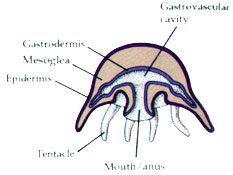
Which body form is represented by this diagram?
a)
Mesoglea
b)
Medusa
c)
Moses
d)
Nematocyst
22.

Based on their diet, cnidarians are _____.

a)

herbivores

b)

omnivores

c)

carnivores

d)

photosynthetic

23.
The phylum Cnidaria includes sea anemones, jellyfish, and coral
a)
True
b)
False
24.
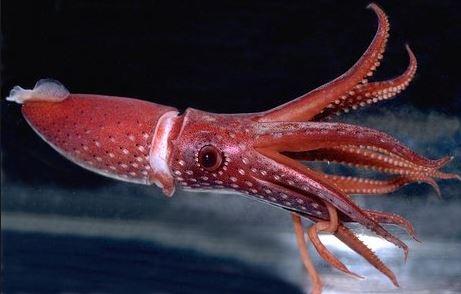
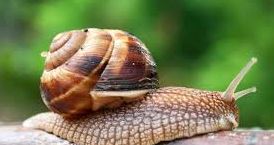
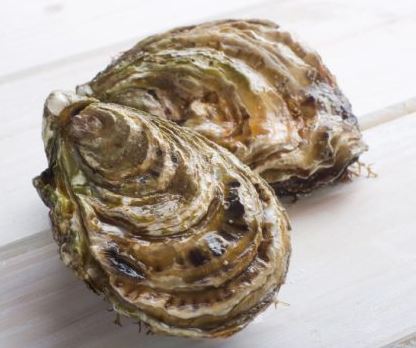
What Mollusk group does the picture belong to?
a)
Gastropod
b)
Bivalve
c)
Cephalopod
25.
What Mollusk group does the picture belong to?
a)
Gastropod
b)
Bivalve
c)
Cephalopod
26.
Which group of Mollusks does the picture belong to?
a)
Gastropod
b)
Bivalve
c)
Cephalopod
27.
Which part of the Mollusk body is specialized for burrowing, feeding, and movement?
a)
trochophores
b)
visceral mass
c)
mantle
d)
foot
28.
Which class of Mollusks include clams, oysters, and mussels?
a)
Gastropods
b)
Bivalves
c)
Cephalopods
29.
Which part of the Mollusk body is the tissue covering the body and secretes the shell?
a)
Mantle
b)
Trochophore
c)
Foot
d)
Visceral Mass
30.
Which class of Mollusks all have tentacles?
a)
Gastropods
b)
Bivalves
c)
Cephalopods
31.
What type of mollusk is this
a)
bivalve
b)
cephalopod
c)
gastrapod
d)
segmented worm
32.

Name the THREE groups of Mollusks.

a)

Gastropods

b)

Arthropods

c)

Cephalpods

d)

Bivalves

e)

Crab

33.

Which of the following is NOT a characteristic of arthropods?

a)

Exoskeleton

b)

Jointed appendages

c)

Segmented body

d)

Endoskeleton

34.

Since the exoskeleton limits the growth of arthropods, they have to shed their exoskeletons and form a new one. This is called ____.

a)

defecating

b)

molting

c)

morphing

d)

excreting

35.

Which class of arthropods are mainly aquatic?

a)

Crustacea

b)

Insecta

c)

Diplopoda

d)

Chilopoda

36.
Lobster, shrimp, and crabs are examples of what group of Arthropods?
a)
Chilopoda
b)
Diplopoda
c)
Crustaceans
d)
Arachnida
37.
Appendages on crayfish that serve as feelers sensitive to touch, taste and balance
a)
chelipeds
b)
mandibles
c)
antennae
d)
swimmerets
38.

Which of the following is the largest group of animals?

a)

sponges

b)

humans

c)

arthropods

d)

mollusks

39.

Where is an exoskeleton located?

a)

in the head

b)

inside the body

c)

inside the bones

d)

outside the body

40.
What echinoderm is this?
a)
sea lily 
b)
sea urchin 
c)
sea cucumber 
d)
sand dollar 
41.
What echinoderm is this? 
a)
sand dollar
b)
sea urchin 
c)
sea star
d)
brittle star
42.
What does the term echinoderm mean?
a)
tube feet
b)
star shaped
c)
spiny skin
d)
stomach foot
43.
What type of skeleton do echinoderms have?
a)
Exoskeleton
b)
Hydrostatic skeleton
c)
Endoskeleton
d)
Mesenteric skeleton
44.

An echinoderm with five arms arranged around a center point.

a)

sea cucumber

b)

sea star

c)

sand dollar

d)

tube feet

45.

Hollow thin walled tubes that each end in a suction cup

a)

tube feet

b)

tentacles

c)

sand dollar

d)

sea star

46.

Which is not an example of an echinoderm.

a)

sea urchin

b)

sea star

c)

sea cucumber

d)

sea foams

47.

These specialized cells allow Cephalopods to change the color and texture of their skin.

a)

chromatophores

b)

parapodia

c)

clitellum

d)

nidamental gland