
NEW
Font size
 Worksheets
Homeostasis, Excretory, and Digestive
Total questions: 57
Worksheet time: 31mins
Which of the following is the basic unit of structure and function in living things?
Cells
Tissues
Organs
Organ Systems
Which of the following levels of organization in the body is composed of one or more organs working together?
Organs
Tissues
Organism
Organ System
_______ are a group of similar cells that perform the same function.
Tissues
Organs
Organ Systems
Organism
Which of the following is a structure made up of different types of tissues?
Cells
Organs
Organ System
Organism

Which level of organization in the body is shown in the image?
Organ
Organ System
Cells
Tissues
Homeostasis
allows for a wildly fluctuating internal environment
is impossible in vertebrates
is the maintenance of a relatively stable internal environment and often incorporates a form of feedback regulation
Which of the following animals has a body temperature that doesn't change depending on the weather outside?
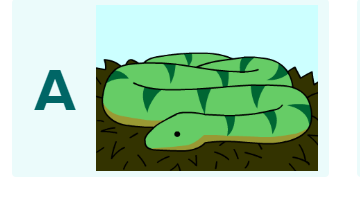
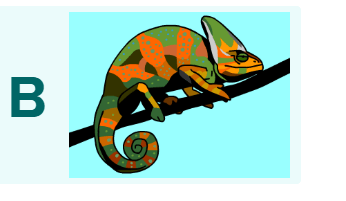
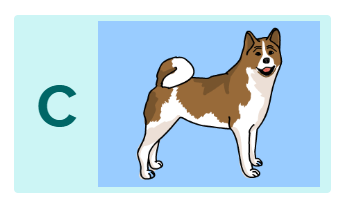
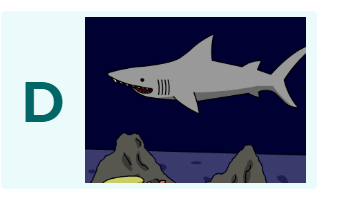


Which is the esophagus?
A
B
C
D
E

Which parts of the diagram is the small and large intestine?
A~ small intestine
E~ large intestine
D~ small intestine
E~ large intestine
C~ large intestine
B~ small intestine
A~ large intestine
C~ small intestine
E~ small intestine
D~ large intestine

When Ellie chews her food carefully, which of these explains what she is doing as her teeth mash and crush the food into smaller pieces.
She is mixing her saliva with bile.
She is chemically digesting her food.
She is performing peristalsis.
She is mechanically digesting her food.

Yolanda is studying the organs in the human digestive system. She looks at a diagram of the intestines ... which correctly describes the A showing the one around the B smaller one that is longer.
A is the small intestine, b connects the mouth to the stomach.
A is the small intestine, and B absorbs water from digested material.
A is the large intestine, and B absorbs nutrients from digested material.
A is the large intestine, and B produces bile and stores it temporarily.

what is this picture of the digestive showing
Lungs
Stomach
Liver
Heart

Physically breaking the food into smaller pieces using the teeth and tongue.
chemical digestion
mechanical digestion
enzymes
peristalsis

A protein that speeds up chemical reactions in the body.
Villi
enzymes
ureters
nephrons

Small filtering structure found in the kidneys that removes wastes from blood and makes urine.
epiglottis
nephrons
ureters
peristalsis

The part of the digestive system where most of the nutrients are absorbed through villi.
small intestine
large intestine
peristalsis
nephrons

Enzymes breaking down the food into simpler nutrients.
mechanical digestion
chemical digestion
peristalsis
enzymes

A flap of tissue that seals off the windpipe and prevents food from entering.
peristalsis
epiglottis
nephrons
ureters

Muscle contraction that keep food moving alone in one direction through the digestive system.
epiglottis
nephrons
peristalsis
enzymes

Tiny finger-shaped structure that cover the inner surface of the small intestine.
nephrons
enzymes
epiglottis
villi

