
 Worksheets
Field Bio- Aquatic Ecology Review
Total questions: 139
Worksheet time: 1hrs 29mins
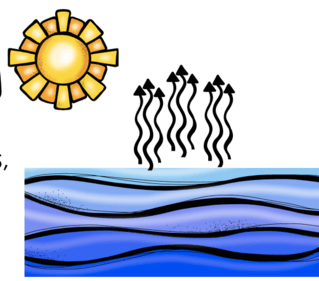
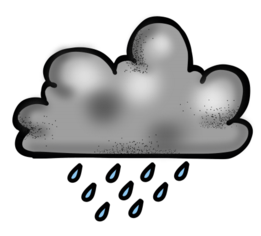
Clouds or dew form when water __________________.
evaporates
transpires
condenses
precipitates
Most of Earths fresh water is stored in?
Lakes
Rivers
Ice caps and glaciers
Groundwater
When water vapor cools to a liquid, what is happening?
evaporation
sublimation
condensation
precipitation
When water soaks into the ground this is known as ___________
evaporation
groundwater flow
infiltration
surface runoff
The flow of water over the land is known as
groundwater runoff
surface runoff
streamflow
infiltration
Hard impervious surfaces reduces the amount of ____________.
streamflow
surface runoff
precipitation
infiltration
The number one consumptive water use in the U.S. is
household
irrigation for agriculture
industrial
hydroelectricity

What are two ways that water can enter the atmosphere?
Condensation and Precipitation
Evaporation and Transpiration
Condensation and Transpiration
Evaporation and Condensation
Streamflow is calculated by
distance divided by time
velocity times distance
cross-sectional area times velocity
time divided by velocity
Which of the following are factors that influence streamflow?
precipitation
withdrawals for irrigation
evaporation
runoff
all of these
True or False. Water is a renewable resource and is UNLIMITED.
True
False
The legal system that determines who can use water is called
water cycle
water rights
rule of law
hydrograph
In Oregon what water right system is in place?
Prior Appropriation Doctorine
Riparian Rights Doctorine
Multiple Use Doctorine
Equal Sharing Doctorine
Which of the following gives first to use water, rights to the water?
Prior Appropriation
Riparian Rights
Equal Shares
Multiple Use
Which of the following gives those that live next to the water, rights to the water?
Prior Appropriation
Riparian Rights
Equal Rights
Multiple Use
Which of the following is an appropriate unit for streamflow?
volume
feet per second
cubic feet per second
second per square feet
True are False. Determining water rights is difficult because water is limited with multiple demands for use.
True
False
True or False. Maintaining streamflow is important to wildlife and the ecological functions of the stream.
True
False
The vegetative corridor next to the stream is called the
groundwater
riparian area
floodplain
upland

Animal waste (poop) from farms carried by runoff into streams will results in...
high dissolved oxygen
low nitrogen
low turbidity
high fecal coliform (e-coli bacteria)
Low amounts of _________ is associated with excellent water quality...
DO
Current
Phosphates
Biodiversity

I have two tails. I am a sensitive macro...
stonefly
alderfly
mayfly
scud
_________________ is the primary federal law for setting standards of what constitutes surface water pollution. It protects fish and wildlife that live in and around water sources.
Clean Water Act of 1972
Turbidity
Non Point Source Pollution
Safe Drinking Water Act of 1974
Which is NOT a source of nitrates and phosphates entering streams?
fertilizer runoff
cow manure and goose droppings
sewage plant wastewater
they are all sources
Which of the following is NOT a desired effect in streams?
a pH of about neutral
high BOD
high temperature
low nitrates

Water with high turbidity
makes it easier for fish to obtain food
increases the oxygen in the stream
clogs the gills of fish and macros
keeps the water cool
What could cause water temperature to increase?
Hot summers
Increased Dissolved Oxygen
High levels of turbidity
Shade from trees along riparian zones
What type of pH value would is toxic to most freshwater aquatic organisms?
pH = 7
pH = 8.5
pH = 5
pH = 6.5
Which of the following are considered essential plant nutrients? (Choose two)
D.O.
pH
phosphates
nitrates
fecal coliform
Which of the following are true regarding macroinvertebrates?
they are too small to see
some are sensitive and others are tolerant
they are "middlemen" in the stream food web
they are poor indicators of water quality
they live in many different microhabitats in a stream
A good riparian area will have...
plants with shallow roots
trees and shrubs with deep roots
a variety of native plants and animals
some invasive species
Riparian areas are important because
add food to the stream food web
increase runoff and flooding
increase turbidity
they reduce erosion
When sampling for macros you should collect from
bottom substrates, like gravel
grasses and other vegetation in the water
in deep pools
in riffles
all of these
Sensitive macroinvertebrates
tend to use a snorkel technique to survive in water
like high levels of nutrients in the water
can only survive in water that is clean and free of pollutants
include leaches and snails
Range of tolerance is
the level of pollution in a stream
the acceptable levels a species needs to survive
the level of dissolved oxygen and temperature of the water
the levels a species will die or be harmed by
A stream food web includes
shredders that break down leaves
collectors that consume fine organic molecules
grazers that feed on algae that grows on substrates
predators that eat other organisms
all of these
Which of the following is usually considered a sensitive macroinvertebrate?
mayfly
crayfish
scud
midge

I have three tales and gills on my abdomen...
stonefly
damselfly
dragonfly
mayfly
Which of the following are threats to riparian areas?
invasive species
climate change
human development
native plants and animals
Which of the following increase the biochemical oxygen demand of a body of water?
high temperatures
animal waste in runoff
Too much dissolved oxygen and high flow
High amounts of leaf little decomposing in a stream

I have a flattened side, swim on my side, and I am somewhat tolerant of pollution
mayfly
stonefly
scud
midge
Which of the following is NOT a biological indicator?
salmon
D.O. levels
fecal coliform
sensitive macros

I breathe using the scuba method. I look like a worm, but have prolegs. I am tolerant to pollution.
stonefly
caddisfly
scud
midge
Smaller streams and rivers that feed into a large river or lake are called ________.
Runoff
Watersheds
Tributaries
River Systems
An area of land that is drained by a specified river or other body of water is known as a
Riparian Area
Estuary
Watershed
River
A fish born in freshwater but lives part of its life in saltwater is?
Hydrogenous
Anadromous
Trout
Saltwarer

If you are outside by Mill Creek you are standing in which of the following watersheds?
Mill Creek Watershed
Willamette River Watershed
Columbia River Watershed
Santiam River Watershed
Watersheds are made up of
bodies of water
riparian areas
upland
groundwater flow
all of these
High point in elevation in a watershed, separates one watershed from another.
tributary
drainage divide
riparian zone
oxbow lake
These feed on coarse particulate organic material (leaves) floating in a stream. They are commonly found in headwater streams.
shredders
grazers
collectors
predators
These feed on fine material floating in a large, high (6+) order river.
collectors
shredders
grazers
predators
Gradient ______________ as you move from 1st or 2nd order streams downstream to higher order streams or rivers.
increases
decreases
increases and then decreases
stays the same
Mill Creek is a
headwater stream
8 or 9 order stream
midreach stream
ephemeral stream
Which of the following are characteristics of a Large River (six to twelve order stream)?
a lot of coarse particulate organic matter, like leaves, are present
water is turbid and contains fine particulate organic matter
wide channel with a low gradient
contains the highest level of biodiversity in the stream continuum
Streamside vegetation is important to salmon because it provides
cover
temperature regulation
food for invertebrates that are eaten by fish
all of these
Which of the following are characteristics of a midreach (third to fifth order stream)?
contains a mix of algae, coarse and fine particulate organic matter
water is turbid and contains fine particulate organic matter
river is wide with a low gradient
contains the highest level of biodiversity in the stream continuum
Gravel beds are important to salmon because they
speed up water flow
heat up the water
provide spawning habitat
reduce the number of pools
To release or deposit eggs
roe
redd
spawn
milt
True or False. A salmon that has undergone smoltifiation can live in a fresh water river.
True
False
Water flowing over rocks and gravel creates
riffles
runs
pools
glides
Limiting factors for salmon populations include
quantity and quality of spawning gravel beds
food availability
quantity and quality of rearing habitats
all of these
Limiting factors establish the _________ ___________ of a stream, or the maximum salmonid population possible based on available habitat.
habitat preferences
carrying capacity
total population
temperature regulation
Which of the following is an example of good salmon habitat?
spawning areas with lots of sediment
flow of cool, well oxygenated water
unstable stream banks with minimal vegetation.
lot's of direct sunlight
Rock berms and log sills are helpful for creating
runs
riffles
pools
glides
True or False. Every species of salmon has the exact same habitat requirements.
True
False
_____________ are deep, slower areas of water that provide rest areas for salmon.
riffles
runs
pools
glides
Habitat improvement can best be accomplished by adding
silt
large woody debris
dug out channels
cement to the stream banks
These feed on algae and are found most abundantly in midreaches
shredders
collectors
grazers
predators
Why is stormwater runoff an issue in urban areas?
The rain water goes directly into peoples homes
The rainwater carries pollutants from the cities into waterways
The rainwater can easily be filtered by trees in cities
The rainwater will remove soil from the cities
Bioaccumulation:
a type of pollutant in water
build up of toxin inside of an organism
the process of consuming water
an excess of food in the body
Point source pollution is...
pollution from all over the world
pollution that is from a single, identifiable point
pollution that comes from an unknown source
Water pollution that comes from many indistinguishable sources is considered...
point source pollution
nonpoint source pollution
thermal pollution
ocean pollution
Most water pollution is the result of...
natural processes
animal waste
human activities
acid rain
The largest watershed in Salem is
Mill Creek
Claggett Creek
Battle Creek
none of these
The Mill Creek Watershed lies in the Willamette Valley making the terrain mostly..
steep and hilly
flat with steepest points in the center
flat with steepest points along the edges or boundaries
steep with flat points along the edges or boundaries
Land cover within the Mill Creek Watershed is best described as
agricultural only
urban only
agricultural and urban
heavily forested and urban
Impervious surfaces...
increase evapo-transpiration and runoff
decrease evapo-transpiration and runoff
increase evapo-transportation and decrease runoff
decreased evapo-transpiration and increased runoff
Pet waste is a source of
nutrient pollution
fecal coliform pollution
bad taste and odors
all of these
Pesticide pollution is a problem because
it is toxic
it causes too much algae growth
it can contain disease causing organisms
it smothers eggs and redds
Sediment pollution is a problem because
it is toxic
it causes too much algae growth
it can contain disease causing organisms
it smothers eggs and redds
Nutrient pollution is a problem because
it is toxic
it causes too much algae growth
it can contain disease causing organisms
it smothers eggs and redds
Fecal Coliform pollution is a problem because
it is toxic
it causes too much algae growth
it can contain disease causing organisms
it smothers eggs and redds
Lag time is
the time it takes between peak precipitation and peak streamflow
the time it takes for water to soak into the group
the time it takes from the start of a storm until the water is in the stream
the time it takes for streamflow to decline following a rainstorm
Larger watersheds tend to have _______ lag times and _______ peak streamflows compared to smaller watersheds.
shorter, larger
longer, larger
shorter, smaller
longer, smaller
Surface flow, or runoff moves ___________ than subsurface flow.
faster
slower
the same
impossible to tell
Larger watersheds tend to have _______ lag times and _______ peak streamflows compared to smaller watersheds.
shorter, larger
longer, larger
shorter, smaller
longer, smaller
Mill Creek has _______ tributaries which move water _______ to the stream during a rainstorm.
few, slower
few, faster
many, slower
many, faster

Which hydrograph best represents an urban area?
A
B
Forested watersheds have a _______ lag-time and _______ peak streamflows than bare ground.
shorter, higher
longer, lower
shorter, lower
longer, higher
Restoration=
bring back to original condition
make it better than ever
improve the condition
change the form or condition
Why are floodplains, riparian areas, and wetlands so important to urban streams and rivers?
they slow and store water following a storm
they filter pollutants
they provide habitat for many species, including salmon
all of these
This law sets water quality standard and regulates discharges of pollutants into surface waters. Requires a permit to release point-source pollutants.
Safe Drinking Water Act (SDWA)
Clean Water Act (CWA)
Reduced Runoff Act
National Environmental Policy Act (NEPA)
Storm hydrographs typically show...
stream discharge or flow
rainfall or precipitation
subsurface flow
runoff
Urban trees are helpful to stormwater quantity because they
increase infiltration
absorb water through roots
reduce runoff volumes through evapo-transpiration
all of these
Water that soaks into the ground...
moves as subsurface flow
moves more slowly through the watershed
is made available to plants
all of these
Which of the following is NOT an example of green infrastructure?
green-roof
rain-garden
wastewater treatment plant
permeable pavement
True or False, Nonpoint water pollution is the number one water quality problem in the U.S.
True
False
One source of sediment pollution is
construction sites
fertilizers on fields
animal waste
leaky sewers
Which of the following are urban stormwater pollutants that are toxic to aquatic life?
copper
pesticides
petroleum/oil
all of these
Permeable pavement
allows for infiltration of stormwater
can only be used in low traffic areas
can increase groundwater
all of these
Which of the following is a benefit of a floodplain forest?
It provides habitat for fish species
prevents flooding
traps sediment
all of these
Rain gardens are
planted areas that collect stormwater from streets or rooftops
planted areas on roof tops
porous concrete that allows for infiltration
stores and captures stormwater
How has Salem's watershed changed overtime?
loss of forests and grasslands
urban growth
diversions added from Mill Creek
Pipes sometimes carry water to streams
all of these
Salem faces
water quality problems
water quantity problems
water quality and quantity problems
Which of the following is the best example of indirect water use?
washing dishes
production of clothes
tending a garden
showering
cooking a meal
True or False. A majority of water goes towards direct water use by homes and businesses
True
False
The top competing water uses include all the following but
electricity
agriculture
municipal (cities)
industry
Rock or soil areas that hold ground water supplies are called
water tables
lakes or rivers
estuaries
aquifers
These rise and fall as water is added to or removed from an aquifer.
water tables
lakes or rivers
estuaries
aquifers
The Cascade mountains create a __________ in the eastern part of the state, making is more arid than the west.
runoff
estuary
rainshadow
precipitation

