
 Worksheets
Human Body Systems & Reproduction
Total questions: 50
Worksheet time: 25mins
What is the biggest function of the muscular system?
to help digest food
to help us move
to help us breathe
to help us remove waste
What is the biggest function of the respiratory system?
to pump blood
to help us digest food
to take in oxygen and release carbon dioxide
to help us fight disease and infection
Which of the following statements describes the function of the heart?
The heart produces white and red blood cells.
The heart controls the nervous system.
The heart makes oxygen and carbon dioxide.
The heart pumps blood throughout the body.
Which system in the human body functions primarily to supply the blood with oxygen and remove carbon dioxide?
excretory
immune
respiratory
cardiovascular
What is the most important function of the digestive system?
Gas exchange
Break down food
Voluntary movement
Fight bacteria and disease
What is the most important function of the excretory system?
Break down food
Pump blood
Remove waste
Voluntary movement
Which is not an important organ in the excretory system?
Bladder
Large Intestine
Esophagus
Kidneys
How do the circulatory and excretory systems work together?
The circulatory system brings nutrients and oxygen so our cells can produce energy.
The circulatory system brings blood to the kidneys to filter and remove waste.
The circulatory system bring white blood cells around the body to fight infection and disease.
The circulatory system helps the excretory system digest food.
How does the immune system depend on the circulatory system in order to function?
The circulatory system produces antibodies used by the immune system.
The circulatory system sends bacteria and viruses to the immune system.
The circulatory system transports immune system cells throughout the body.
The circulatory system protects the immune system from diseases.
Which two systems work together to remove wastes?
digestive and excretory
respiratory and skeletal
skeletal and circulatory
digestive and respiratory
Which two systems work together to break down and transport molecules?
muscular and respiratory
circulatory and skeletal
digestive and circulatory
endocrine and digestive
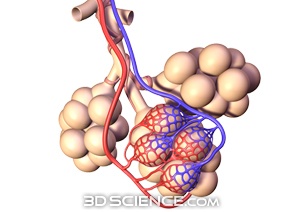
What are the functions of the circulatory system ?
Circulated blood and nutrients
Delievers oxygen to tissue
All of the above

What does not make up the integumentary system ?
skin
nails
glands
bones
Which of the following is not a function of the integumentary system?
To regulate body temperature.
To provide structure for the body.
To protect the body fro dirt and pathogens.
To help maintain homeostasis of the body.
Type of reproduction that requires the most time to happen.
Asexual
Sexual
Bilingual
Monopolistic
Which type of reproduction takes the shortest amount of time?
Asexual
Sexual
Monopolistic
Bilingual

Which type of reproduction happens with this organism?
Sexual
Asexual
Monolinguistic
Polygenetic

Which type of reproduction requires two parents?
Asexual
Sexual
Linguistic
Monopoly

Which type of reproduction requires only ONE parent?
Asexual
Sexual
Monopolostic
LInguistic
Which of these is an example of sexual reproduction?


Which type of reproduction causes only some organisms to die when other organisms of the same species get a disease?
asexual
sexual
monopolistic
bilingual
Which type of reproduction results in ALL the organisms of a species dying when a disease affects the population?
asexual
sexual
monopolistic
linguistic
Which type of reproduction causes members of a species to look different from each other?
asexual
sexual
monopolistic
linguistic

Look closely at the runners coming off of this spider plant. Which type of reproduction are they starting?
Asexual
Sexual
Monopolostic
Polypgenetic

If the runner plants of this spider plant are planted in soil and grow, how close will their DNA be to the parent plant?
The same
Mostly different
A mix of two plants
Which statement reflects a way in which asexual reproduction is beneficial? Select all that apply.
It results in genetic variation.
It requires a lot of time and energy.
Organisms can reproduce without a mate.
It is a much quicker process.

Hydra produce offspring by growing the new individual on the body of the parent. This is an example of...
budding.
fission.
regeneration.
tubers.
One parent producing offspring without meiosis and fertilization that creates offspring identical to the parent is called...
asexual reproduction.
sexual reproduction.

When a sea star breaks into fragments, each fragment develops into a new individual. This is an example of...
fragmentation.
parthenogenesis.
binary fission.
vegetative propagation.
Which statement describes why genetic variation is beneficial to populations of organisms?
individuals look different from one another
only one parent is needed to produce offspring
populations of the organism increase more rapidly
species can better survive environmental changes

Amoeba use mitosis and produce two offspring that are identical to the parent. This is an example of...
budding.
binary fission.
regeneration.
parthenogenesis.
Where does an offspring get its DNA in asexual reproduction?
from both parents
from only one parent
from neither parent

