
 Worksheets
Biology Evolution Vocabulary
Total questions: 70
Worksheet time: 1hrs 16mins
British naturalist who published "On the Origin of Species by Natural Selection" in 1859
Alfred Wallace
Jean-Baptiste Lamarck
Charles Darwin
Biodiversity
body parts that have a similar function, but not a similar structure
analagous structures
reproductive isolation
vestigal structures
homologous structures
the process by which a species of organisms change over time
extinction
evolution
generation
speciation
an early stage in the development of an organism
geology
embryo
fossil
speciation
refers to the physical and behavioral traits that allow an organism to survive and reproduce
fitness
gene flow
generation
biodiversity
a scientific theory that explains the process of evolution
mass extinction
vestigal structures
punctuated equilibrium
natural selection
the remains or evidence of a once-living organism
geology
evolution
embryo
fossil
body parts of different organisms that have a similar structure, but may have different functions
vestigial structures
biodiversity
analogous structures
homologous structures
the variety of organisms, their genetic information, and the communities in which they live
relative dating
speciation
mass extinction
biodiversity
What is evolution?
A change that make things cool
the change in the characteristics of a species over several generations
interactions between two organisms
getting your hair colored
What is a fossil?
an individual animal, plant, or single-celled life form
can only be found about for humans
show that there has never been other species on earth
remains or impression of a prehistoric organism preserved in petrified form or as a mold or cast in rock.
Anatomy
science concerned with the bodily structure of humans, animals, and other living organisms
science concerned with clothes you wear
group of organisms species that biology the biological study animal definition.
The theory that was first fully described by Charles Darwin
An individual animal, plant, or singled-celled life form is known as an
Evolution
Genetic
Organism
Trait
Interactions between two organisms
Relationship
Genetic
Trait
Natural selection
Relating to origin is known as
Natural selection
Trait
Fossil
Genetic
A genetically determined characteristic is known as
Population
Fossil
Trait
Takis
The intentional breeding of organisms with desirable trait in an attempt to produce offspring with similar desirable characteristics or with improved traits.
Selective breeding
Genetic
Fitness
Anatomy
An organism that is made up of a single cell.
Multicellular Organism
Unicellular Organism
Fossil
Human Being
An organism that is made up of many cells.
Multicellular Organism
Unicellular Organism
Fossil
Human Being
A characteristic, a behavior, or any inherited trait that makes species able to survive and reproduce in a particular environment.
Adaptation
Adoption
Adderall
Addition
A physical structure that was fully developed and functional in an earlier group of organisms but is reduced and unused in later species.
Vein
Voluntary Muscle
Victory Organ
Vestigial Organ
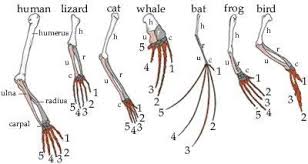

This is a structure that was inherited but has lost most of its original function
homologous
analogous
vestigial
homozygous
These structures are similar from common ancestry
homologous
analogous
vestigial
homozygous
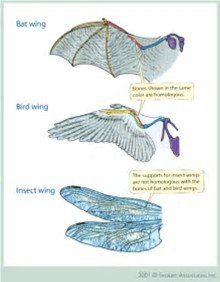
These structures share a common function but not structure ex) the wing of a bird and the wing of an insect
homologous
analogous
vestigial
homozygous
This is a result of the organism's genetic variability, ability to reproduce and natural selection.
natural selection
evolution
fertility
genetics
Natural selection is the ability to:
live longer and reproduce
evolve and survive
mutate and grow
meditate and relax
A mistake or change that occurs in the DNA sequence is called a ______________________.
Extinction
Speciation
Mutation
Genetic Variation
The process in which an animal cannot reproduce any more and dies out is known as _________________________.
Speciation
Extinction
Evolution
Natural Selection
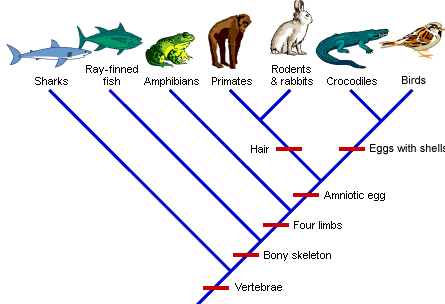
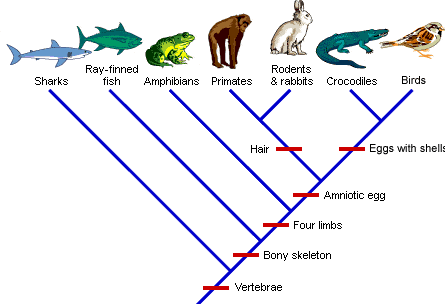
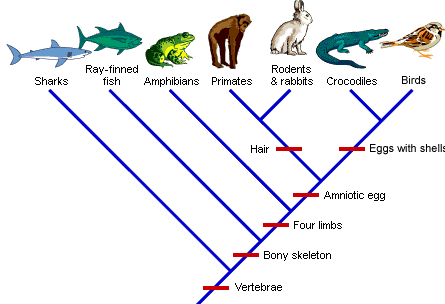
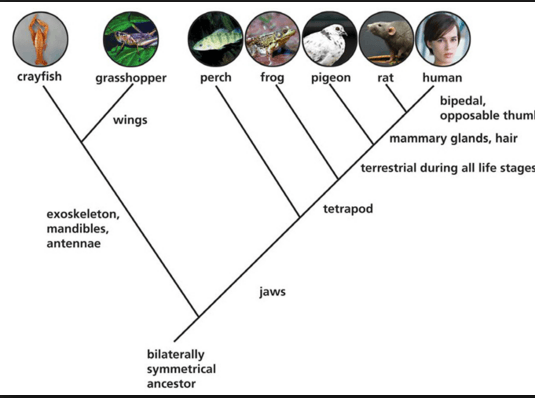
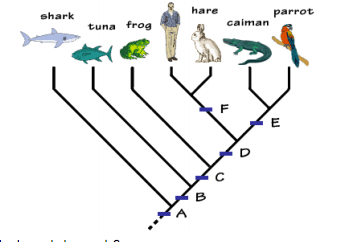


Which trait do only humans have, according to the cladogram?
jaws
mammary glands & hair
terrestrial during all life stages
bipedal & opposable thumbs
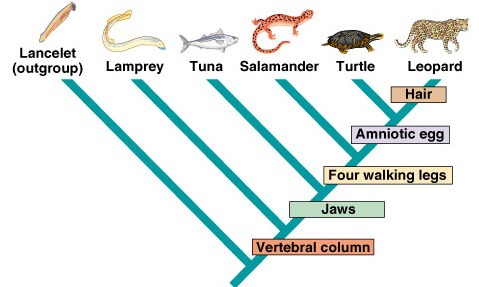
Which is the newest trait?
Amniotic egg
Walking legs
Jaws
Hair
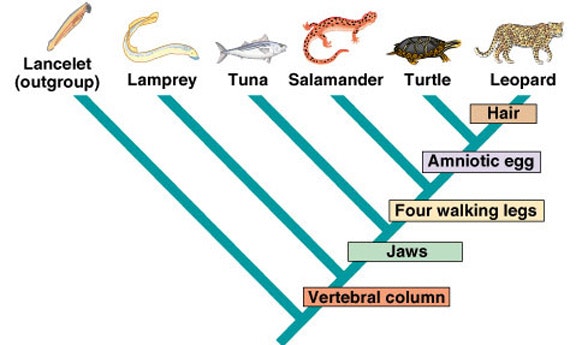
What trait separates lampreys from tuna on this cladogram?
Hair
Vertebral column
amniotic egg
jaws


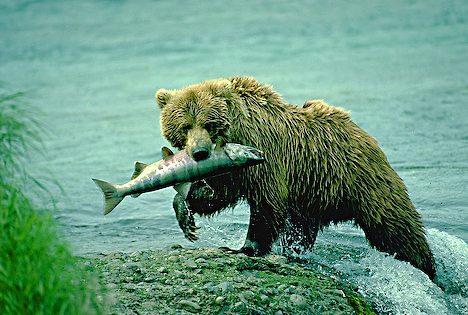
A grizzly bear survives because he is well-adapted to his environment. When he reproduces he passes on those traits to his offspring. this process is called
Natural Selection
Selective Breeding
Random mutations
Variations in a species

Which of these species is not extinct?
T Rex
Dodo bird
Mastadon
Bison

The peppered moth's color camouflaged it on the light colored tree bark. It's color was an example of a/n
Variation
Dominant trait
Recessive trait
Adaptation

What animal is camouflaged in this picture?
Skunk
Squirrel
Owl
Snake

Changes in inherited characteristics can cause a species to change into a new one. This change over time is called?
Graduation
Selective Breeding
Revolution
Evolution

One female salmon can lay hundreds of eggs. Why doesn't the salmon population increase dramatically?
Salmon reproduce asexually
Most offspring do not grow up to reproduce
Salmon eggs don't hatch
Salmon are extinct
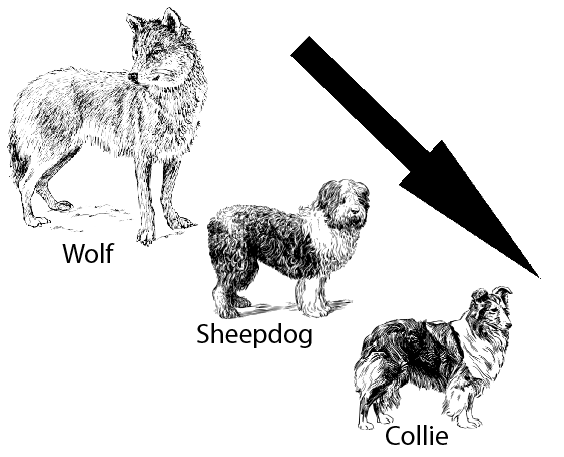
Gradualism means Natural Selection would normally happen over many generations and very
slowly
quickly
in space
beyond time

A German Shepard would probably not survive in the wild because...
the dog is mixed
the dog is a product of artificial selection and not adapted for the wild.
the dog is a product of natural selection and is not well fit for the environment

What is the definition of natural selection?
The process in which genes are chosen by humans such as farmers and ranchers
The process in which organisms are chosen by environmental pressures such as climate, available food, predators and habitat.
If an organism changes during their life in order to adapt to its environment, those changes are passed on to its offspring.
The process in which genes are chosen by scientist and academics.

The Aztecs and Maya Tribes of Mexico where some of the first humans to slowly change wild corn to the corn we know today. What process did these tribes use?
Natural Selection
Artificial Selection
Mitosis
adaptive radiation
How are new traits introduced into a population?
Mutations
Sex
Gene flow
All of the above

The phrase "Survival of the Fittest" would best describe...
Natural Selection
Artificial Selection
Selective Breeding
Inheritance of Acquired Characteristics
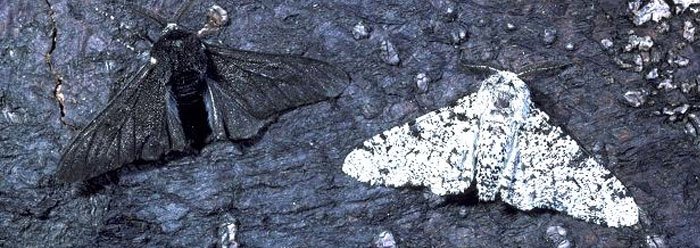
The trees these moths used to live on were white, but have been covered in soot from coal factories. Which moth will be more successful in this new, darker environment?
Dark moth
Light moth
Both will be equally successful
Neither will be successful

A giraffe has a long neck in order to better reach leaves to eat. This is an example of _____.
an adaptation
environment
response
stimulus

What is a GMO?
An organism that has had its DNA modified by humans
An organism missing a chromosome
Epigenetics
A genetically identical organism
Why do complex organisms have an even number of chromosomes?
Genes are present in even numbers
Organisms get one chromosome from each parent
Organisms are made up of an even number of cells
It is just by chance
it is just by luck.


