
 Worksheets
Unit 4 Test Review
Total questions: 51
Worksheet time: 26mins
All living things do which of the following?
Chemosynthesis
Cellular Respiration
photosynthesis
all of the answers
Which of these is a product of cellular respiration?
ATP
Carbon dioxide
Water
All of these are a product of cellular respiration


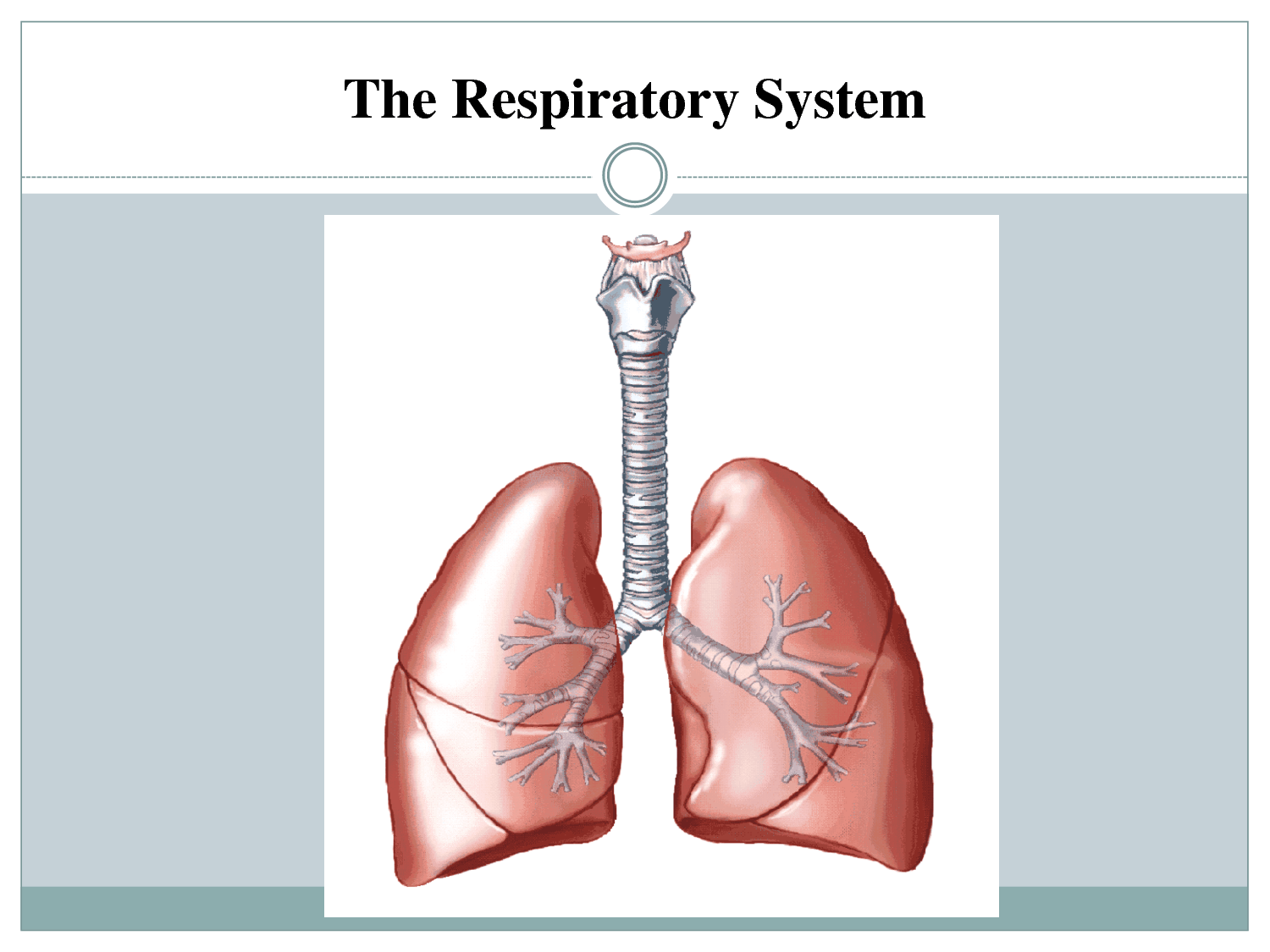
What is the main function of the respiratory system?
to provide oxygen and remove carbon dioxide from the body
o break down food and absorb nutrients
to remove oxygen from the body and deliver carbon dioxide

What type of cells carry oxygen in the blood?
red blood cells
white blood cells
The circulatory system works with the ___________ system to provide our body with oxygen and get rid of CO2 (carbon dioxide).
respiratory
digestive
muscular
skeletal

which organ will balance the glucose level in the body?
Stomach
Small intensine
Deodenum
Pancrease
What causes voluntary contractions of voluntary muscles to warm up?
Shivering
Sweating
Vasodilation
Vasoconstriction
Which two systems work together to maintain homeostasis while transporting oxygen throughout the body and removing carbon dioxide?
circulatory and respiratory
respiratory and excretory
circulatory and digestive
respiratory and digestive

The diagram best illustrates the concept of
Recombination
Feedback
Digestion
Active transport
The pancreas produces one hormone that lowers blood sugar level and another that increases blood sugar level. The interaction of these two hormones most directly helps humans to
digest needed substances for other body organs.
dispose of wastes formed in other body organs.
maintain a balanced internal environment.
increase the rate of cellular communication.
Feedback interactions in the human body are important because they
determine the diversity necessary for evolution to occur.
direct the synthesis of altered genes that are passed on to every cell in the body.
regulate the shape of molecules involved in cellular communication.
keep the internal body environment within its normal range.
detects change and sends a message to the control center
receptor
control center
effector
regulation
receives the message and coordinates a response
control center
effector
glucagon
homeostasis
responds to the output from the control center
control center
receptor
thermoregulation
effector

In humans, the gases oxygen and carbon dioxide must be exchanged between the environment and cells. During this exchange, oxygen is delivered to the red blood cells so that they can function properly in the blood stream. Which two body systems are working together to achieve this goal?
Endocrine and Reproductive
Skeletal and Muscular
Respiratory and Circulatory
Digestive and Excretory
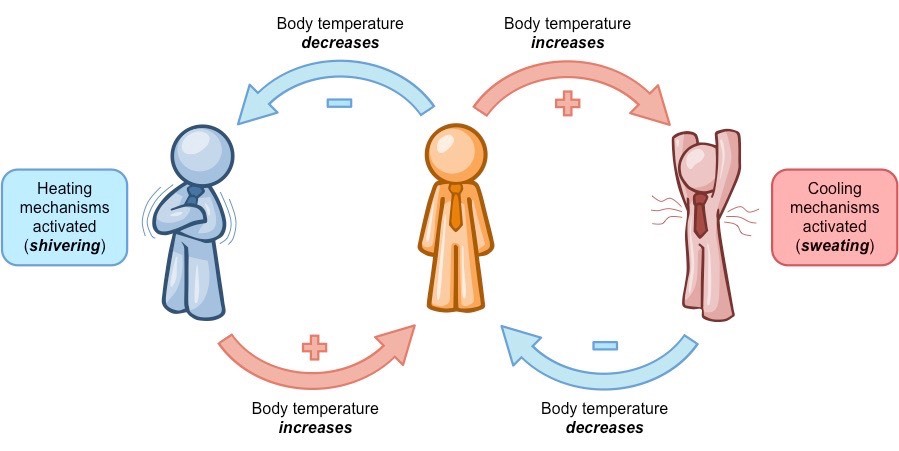
In this body temperature feedback loop, predict what would happen if cooling mechanisms were NOT activated?
The body would not warm up.
The body would not cool down.
Your body would get colder and colder.
Your body would release lots of heat.

According to the feedback loop, what does high blood sugar promote?
Insulin Release
Glucagon Release
Insulin Uptake
Glycogen Uptake

If the anterior pituitary does not release TSH, what will happen?
Thyroid follicles will not release T3 and T4
The hypothalamus will release TRH

What is the difference between what will happen if their is too much Glucose or too little Glucose? SELECT ALL THAT APPLY
With too much Glucose, Insulin is released. With too little Glucose, Glucagon is released.
With too much Glucose, the pancreas produces insulin. With too little Glucose, the pancreas produces glucagon.
With too much Glucose, Glucagon is released. With too little Glucose, Insulin is released.
There is no difference.

The diagram shows the internal feedback mechanism that maintains blood-calcium (Ca2+) homeostasis.
If a person has a blood-calcium (Ca2+) level of 8mb/100ml of blood , which of the following mechanisms does the body use to maintain blood-calcium homeostasis?
The kidneys take up more Ca2+ and release vitamin D.
The bones release Ca2+
The intestines increase reabsorption of Ca2+
All of the above

