wayground logo

Free Printable Worksheets

Font size

S
M
L
XL
Worksheets

Science Periodic table

Total questions: 104

Worksheet time: 5hrs 12mins

Name
Class
Date
1.

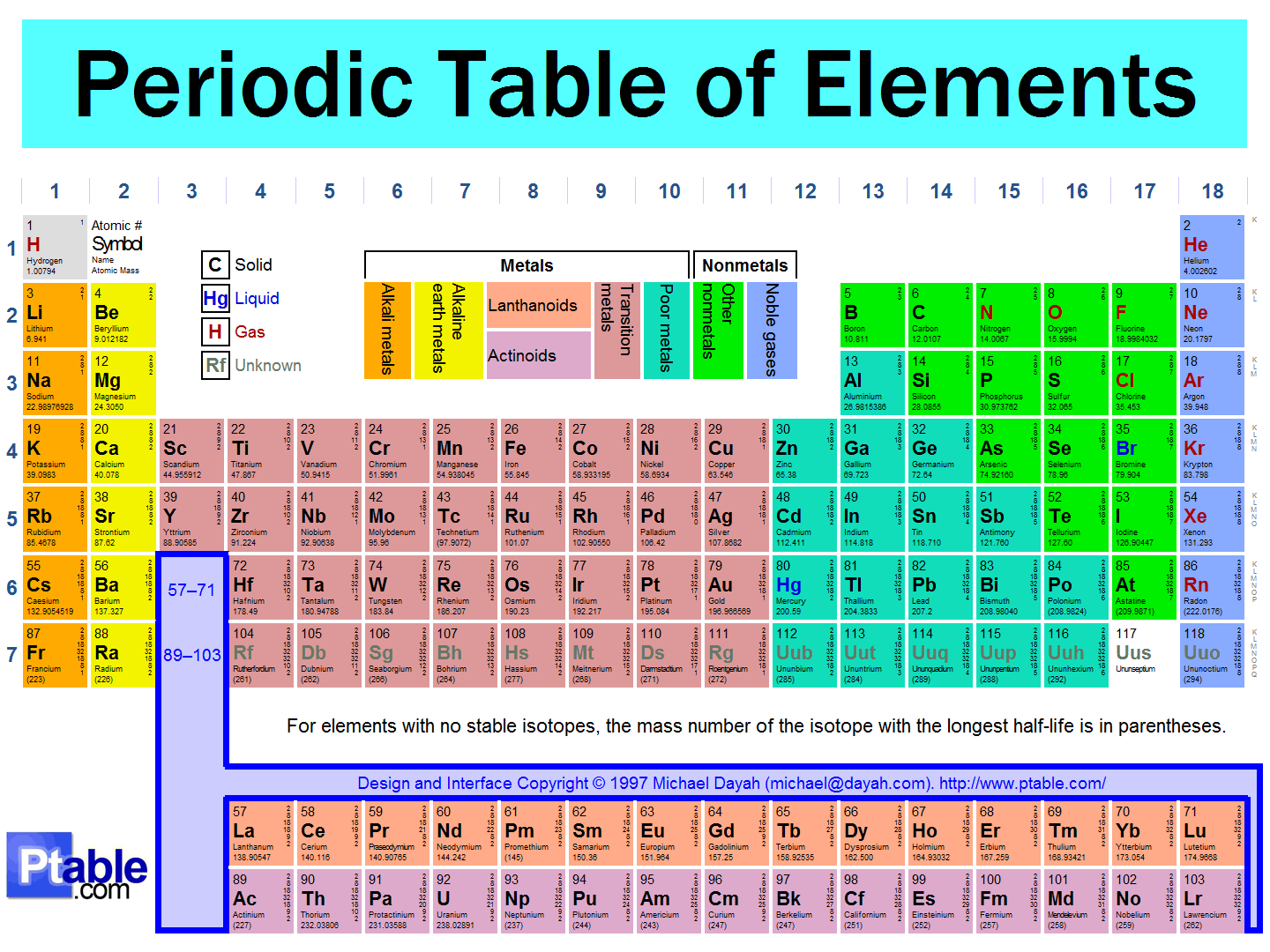
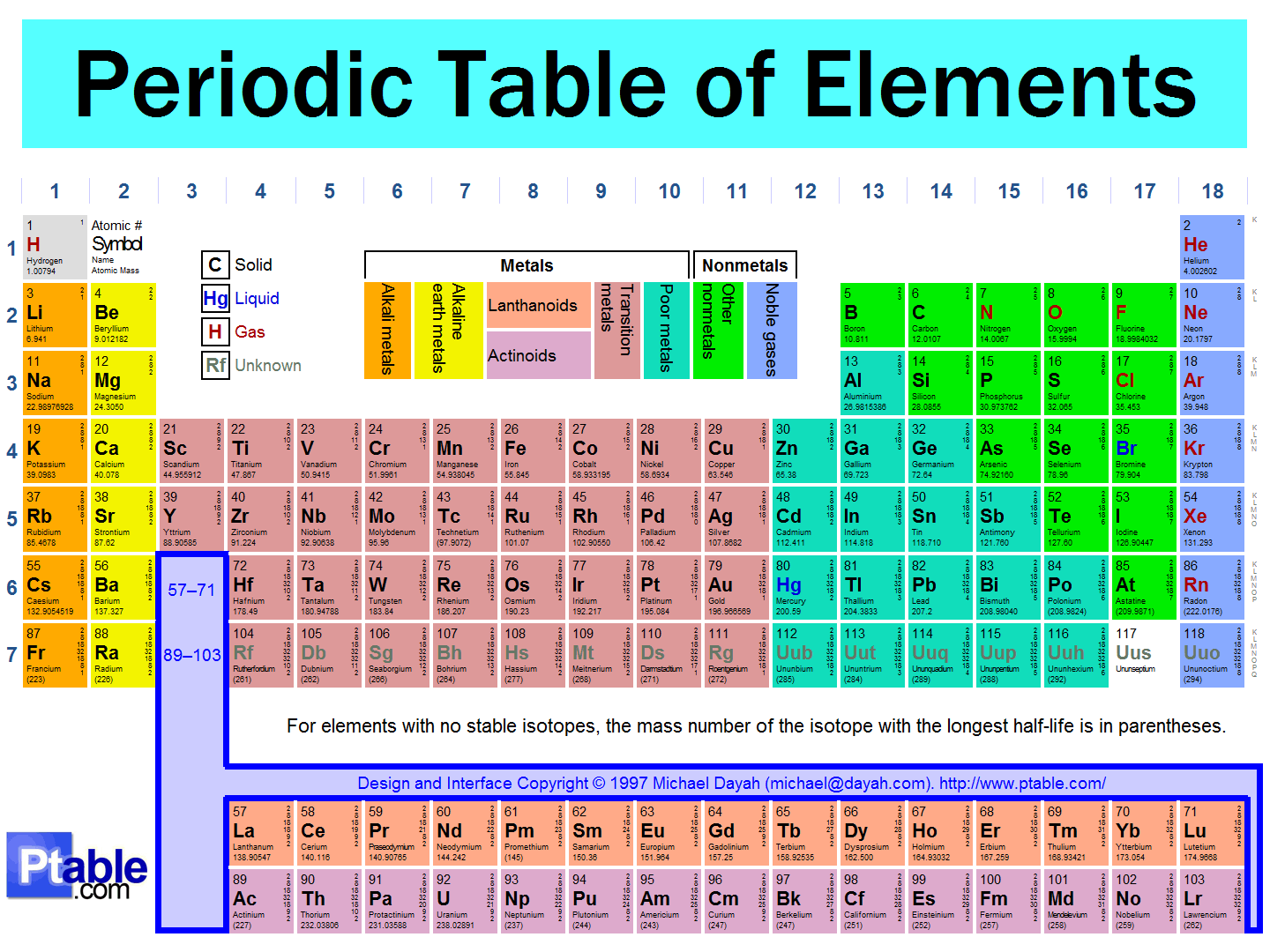
Columns on the periodic table are called ______________.

a)

groups

b)

lines

c)

periods

d)

rules

2.

Columns on the periodic table are called ______________.

a)

groups

b)

lines

c)

periods

d)

rules

3.

Rows on the periodic table are called ______________.

a)

groups

b)

lines

c)

periods

d)

rules

4.

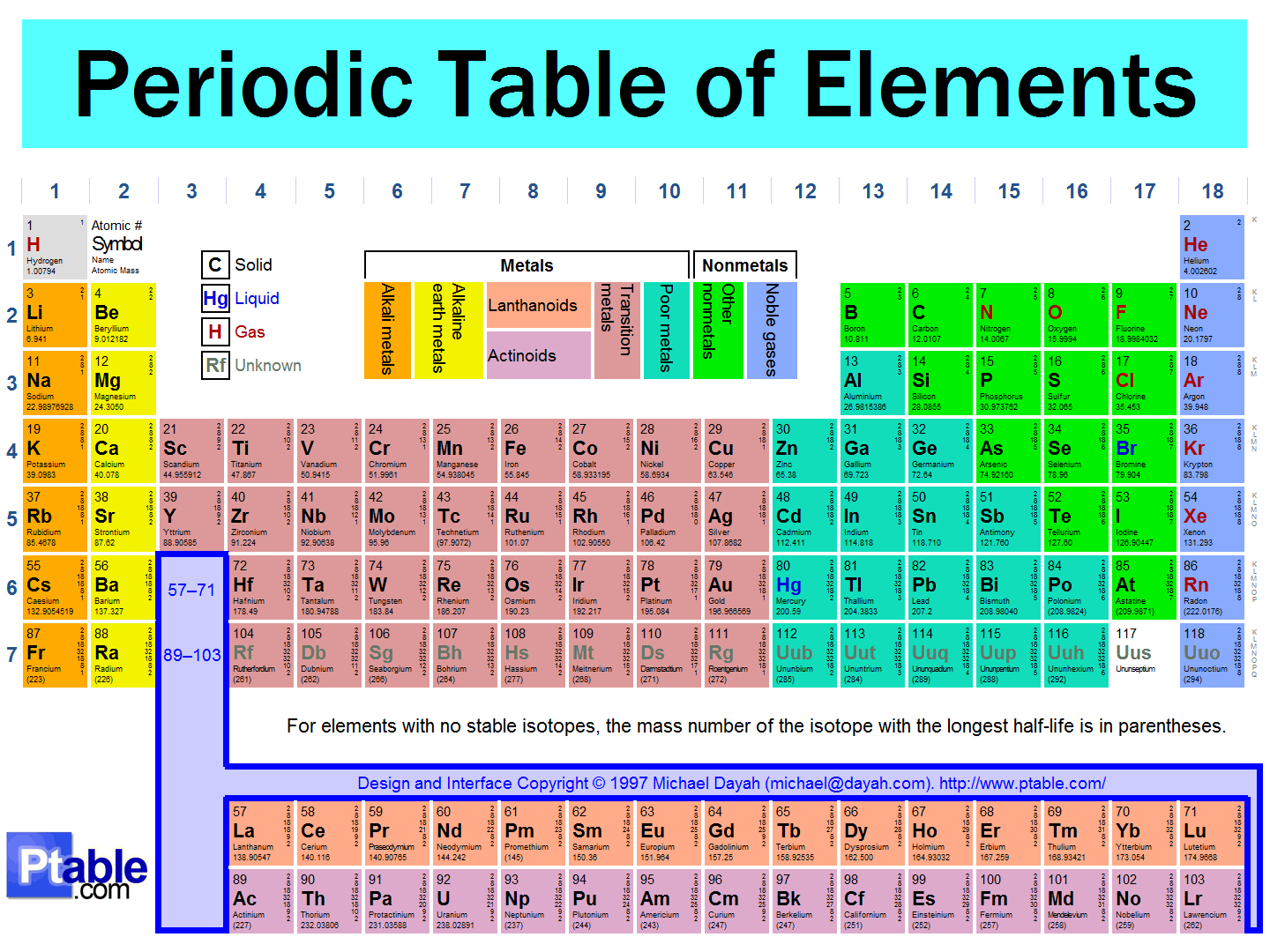
Which two elements are in the same period?

a)

Boron and Carbon

b)

Potassium and Sodium

c)

Lithium and Magnesium

d)

Zinc and Nitrogen

5.

An atom has 18 protons and 8 valence electrons. Which statement would best identify this element?

a)

The element is "happy" or stable because its outer energy level is filled.

b)

The element has an atomic mass of 18.

c)

The element is highly reactive with eight electrons in its outer shell.

d)

The element is a metal.

6.

Which two elements would have the same number of energy levels (shells)?

a)

Nickel and Palladium

b)

Magnesium and Lithium

c)

None of these elements

d)

Copper and Zinc

7.

Which two elements would have the same number of energy levels (shells)?

a)

Nickel and Palladium

b)

Magnesium and Lithium

c)

None of these elements

d)

Copper and Zinc

8.

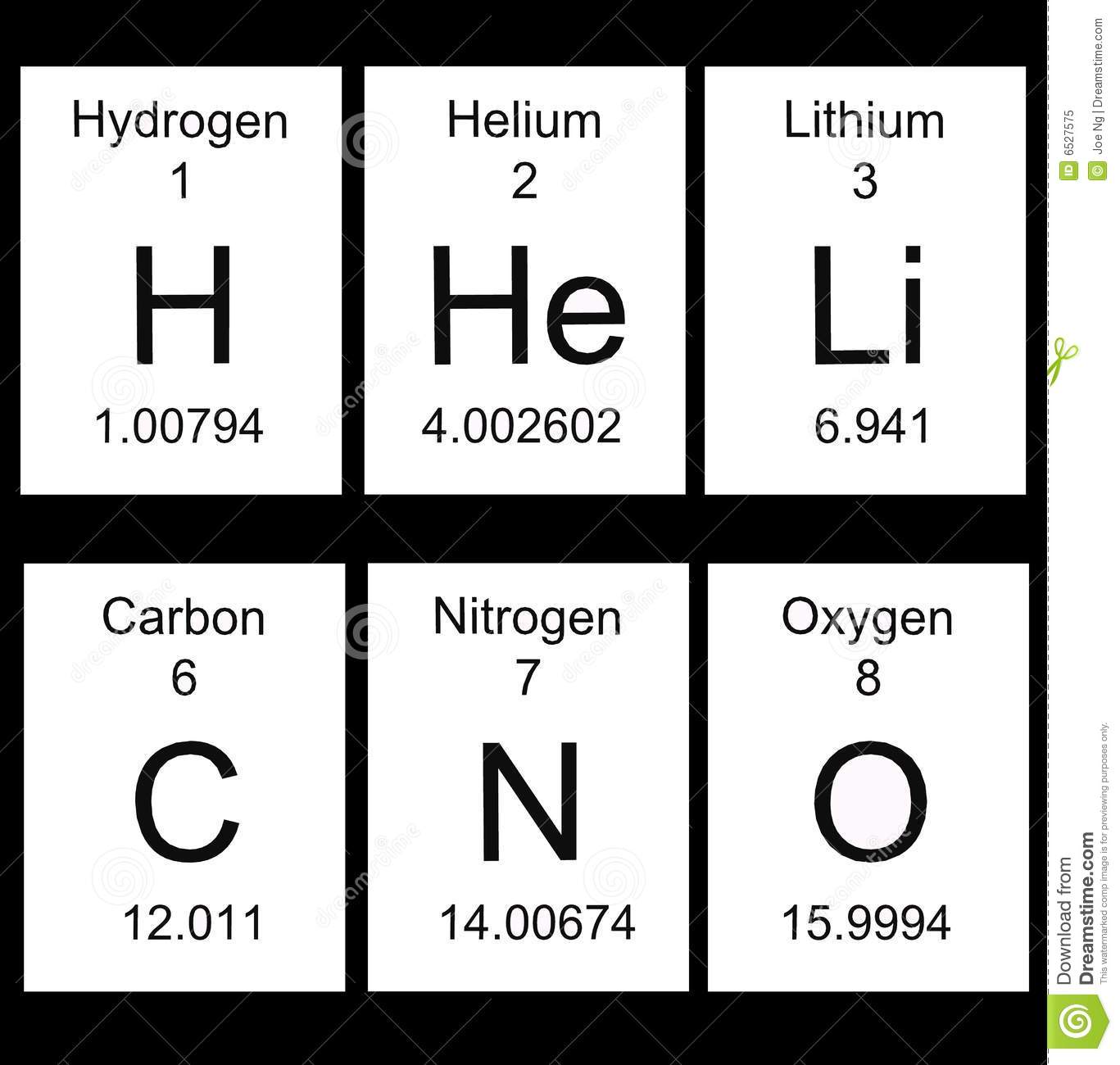
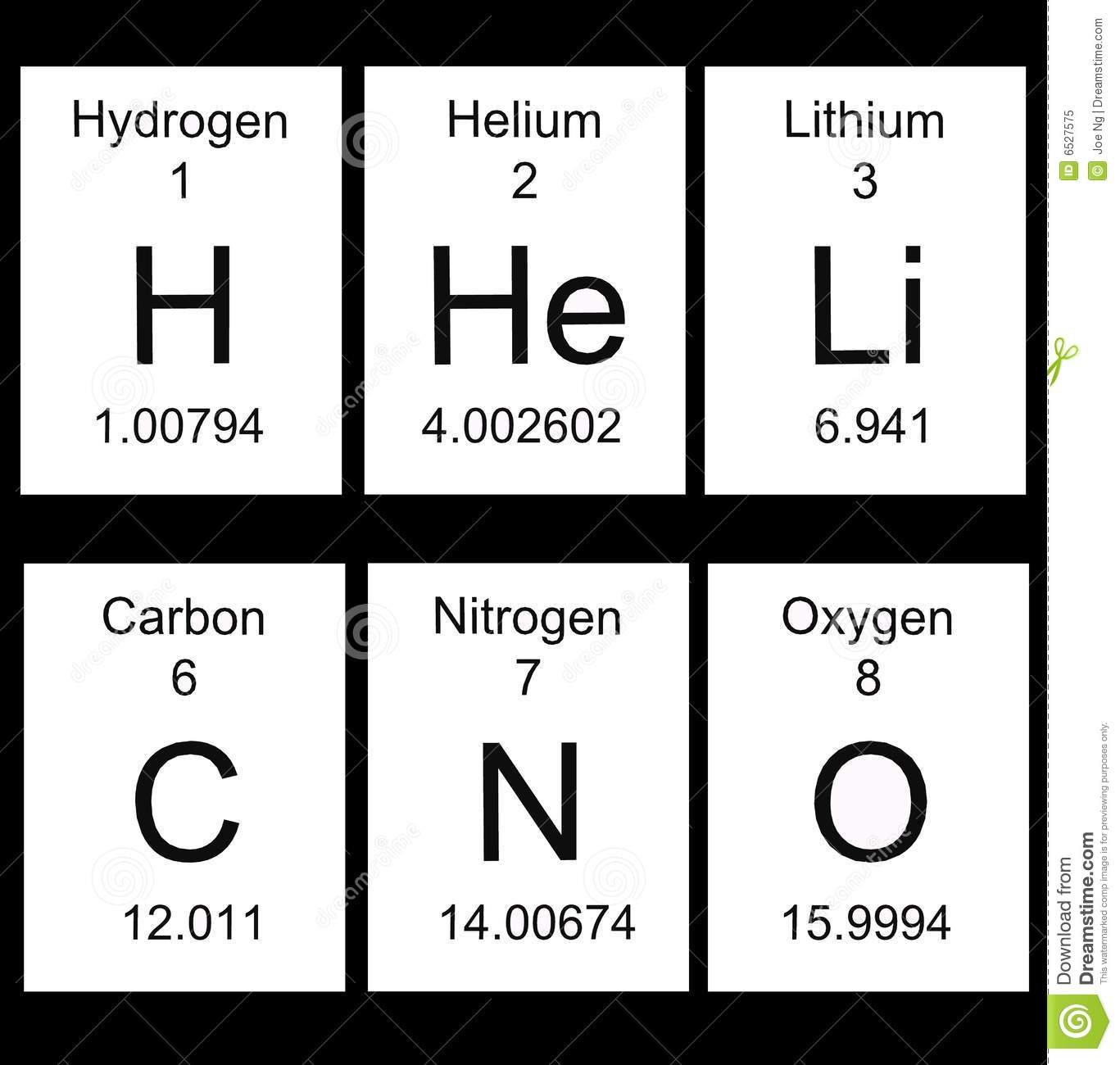
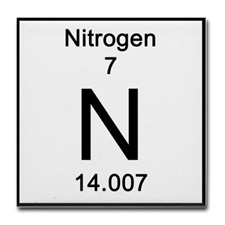
Identify number 14 on the periodic table square below.

a)

atomic mass

b)

chemical symbol

c)

atomic number

d)

element name

9.

Identify number 15 on the periodic table square below.

a)

atomic number

b)

element name

c)

atomic mass

d)

chemical symbol

10.

Which two elements would have the same number of energy levels (shells)?

a)

Nickel and Palladium

b)

Magnesium and Lithium

c)

None of these elements

d)

Copper and Zinc

11.
GOLD
a)
Al
b)
Ag
c)
Ar
d)
Au
12.
CHLORINE
a)
C
b)
Ca
c)
Cl
d)
Cu
13.
CALCIUM
a)
C
b)
Ca
c)
Cu
d)
Cl
14.
CARBON
a)
C
b)
Ca
c)
Cl
d)
Cu
15.
COPPER
a)
C
b)
Ca
c)
Cu
d)
Cl
16.
SULFUR
a)
Su
b)
S
c)
Sf
d)
Si
17.
SILVER
a)
Au
b)
Ag
c)
Al
d)
Ar
18.
POTASSIUM
a)
P
b)
Ka
c)
K
d)
Pt
19.
SODIUM
a)
S
b)
So
c)
N
d)
Na
20.
SILICON
a)
S
b)
Si
c)
Su
d)
Sc
21.
How many different elements are in this chemical formula: C2H2ClK3
a)
6
b)
8
c)
2
d)
4
22.
Which of the following is a pure substance?
a)
O2
b)
Al2CO5
c)
C6H12O6
d)
SiO2
23.
Which of the following atomic symbols for bromine is written correctly?
a)
bR
b)
BR
c)
Br
d)
br
24.
Which of the following chemical formulas represents a compound? 
a)
C3
b)
O2
c)
CH3CHO
d)
H2
25.
What is krypton?
a)
element
b)
compound
c)
mixture
26.
What is water?
a)
element
b)
compound
c)
mixture
27.
When two or more elements chemically combine
a)
element
b)
compound
c)
mixture
d)
solution
28.
What is the chemical symbol for mercury?
a)
Hg
b)
Mc
c)
My
d)
C
29.
What is the chemical symbol for mercury?
a)
Hg
b)
Mc
c)
My
d)
C
30.
What is the chemical symbol for mercury?
a)
Hg
b)
Mc
c)
My
d)
C
31.
a)
Element
b)
Compound
32.
a)
Element
b)
Compound
33.

what is the biggest group on the table

a)

metals

b)

nonmetals

c)

metaloids

d)

halogens

34.

how many rows are on the table

a)

4

b)

5

c)

6

d)

7

35.

how many groups/families are on the table

a)

15

b)

16

c)

17

d)

18

36.

what is the name of group number 1

a)

halogens

b)

noble gases

c)

alkali

d)

alkaline earth

37.

what is the name of group number 2

a)

transition metals

b)

halogens

c)

metaloids

d)

alkaline earth

38.

what is the big group of metals called found within the metals

a)

transition metals

b)

nonmetals

c)

noble gases

d)

halogens

39.

where are the metaloids found

a)

far left, vertical

b)

stair step/diagonal

c)

far right horizontal

d)

at the bottom

40.

what group number are the halogens

a)

18

b)

1

c)

2

d)

17

41.

what group number are the noble gases

a)

17

b)

18

c)

14

d)

15

42.

what is the small group of elements called that include C,N,O

a)

metals

b)

nonmetals

c)

metaloids

d)

noble gases

43.

symbols must have at least

a)

1 cap. letter

b)

2 cap. letters

c)

2 lower case letters

d)

any letter you want

44.
How did Mendeleev arrange the elements?
a)
alphabetical 
b)
density
c)
melting point
d)
atomic mass
45.
The horizontal row on the periodic table is called a
a)
group
b)
family
c)
period
d)
atomic number
46.
Dimitri found that there was a pattern of properties that repeated every ____ elements.
a)
2
b)
4
c)
5
d)
7
47.
A vertical column is called...
a)
group
b)
tower
c)
period
d)
crew
48.
Which of the following is the most metallic element in period 3?
a)
Boron (B)
b)
Sodium (Na)
c)
Argon (Ar)
d)
Silicon (Si)
49.
Which of these element is the least metallic?
a)
Potassium (K)
b)
Carbon (C)
c)
Sulfur (S)
d)
Neon (Ne)
50.
The number at the bottom of each square on the periodic table is the ...
a)
atomic number
b)
atomic mass
c)
chemical symbol
d)
element name
51.
The number at the top of each square on the periodic table is the ...
a)
atomic number
b)
atomic mass
c)
Chemical Symbol
d)
Element Name
52.
What is the chemical symbol for Lithium?
a)
H
b)
He
c)
Li
d)
N
53.
The months of the year are __________ because they repeat in the same order every 12 months.
a)
periodic
b)
group
c)
period
d)
halogens
54.
How many elements follow the periodic law?
a)
7
b)
98
c)
110
d)
All of them
55.
A rule that states that repeating chemical and physical properties of elements change periodically with the atomic number of the elements is the _________.
a)
periodic law
b)
alkaline-earth metals
c)
actinide
d)
group rule
56.
Pure forms of these elements are stored in oil so they won't react with oxygen and water in the air.
a)
Alkali Metals
b)
Alkaline-earth metals
c)
Halogens
d)
Noble Gases
57.
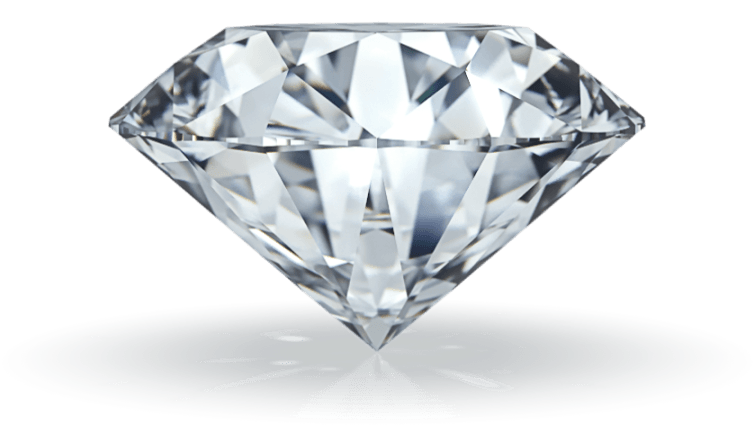
Diamonds are a pure form of what element?
a)
Carbon
b)
Oxygen
c)
Silicon
d)
Silver
58.
What group of elements don't have individual names?
a)
Alkaline-earth Metals
b)
Transition Metals
c)
Alkali Metals
d)
Halogens
59.
What element is used in light bulbs to help them last longer?
a)
Xenon
b)
Argon
c)
Helium
d)
Krypton
60.
All of the actinides are ___________.
a)
stable
b)
radioactive
c)
shiny
d)
named after scientists
61.
Most of the elements on the periodic table are classified as _____.
a)
Metals
b)
Nonmetals
c)
Metalloids
d)
Periods
62.
This class of elements are sometimes called "semiconductors."
a)
Metals
b)
Nonmetals
c)
Metalloids
d)
Groups
63.
Why do some elements have 3 letter chemical symbols?
a)
There are no elements with 3 letter symbols
b)
They are named after scientists
c)
They are named after places
d)
They have a temporary name until scientists agree on a new name.
64.
Which two subatomic particles are found in the NUCLEUS of at atom?
a)
protons & nuetrons
b)
protons & electrons
c)
neutrons & electrons
d)
electrons & protons
65.
The subatomic particle with a neutral charge is:
a)
protons
b)
electrons
c)
neutrons
d)
cloud
66.
What type of subatomic particles are found in the cloud?
a)
neutrons
b)
electrons
c)
protons
d)
reactions
67.
Which type of subatomic particles have the LEAST amount of mass?
a)
protons
b)
electrons
c)
neutrons
d)
nucleus
68.
If an element has 6 protons, 7 neutrons, and 6 electrons, what type of charge does the element have?
a)
positive
b)
negative
c)
neutral
d)
imaginary
69.
How many protons does this element have?
a)
40
b)
21
c)
20
d)
41
70.
If an atom has 24 protons and 24 electrons, what is the atomic number of this element?
a)
24
b)
48
c)
0
d)
42
71.
What gives an atom mass?
a)
Protons & electrons in the nucleus
b)
electrons in the cloud
c)
protons & neutrons in the nucleus
d)
Protons & electrons in the cloud
72.
The number of protons is equal to 
a)
the atomic number
b)
the number of neutrons
c)
the energy levels
d)
the periodic table groups
73.
What does the H stand for?
a)
Hydrogen
b)
atomic number
c)
atomic mass
d)
atomic explosion
74.
Rows on the periodic table are called _____ while columns are called _____.
a)
groups, families
b)
groups, periods
c)
periods, groups
d)
families, groups
75.
Elements in the same ________ are more chemically similar.
a)
group
b)
period
c)
club
d)
table
76.
What does the 1 stand for?
a)
Hydrogen
b)
atomic number
c)
atomic mass
d)
atomic explosion
77.

Electrons are subatomic particles that have a _____________ charge.

a)

negative

b)

positive

c)

neutral

78.

Protons are subatomic particles that have a _____________ charge.

a)

negative

b)

positive

c)

neutral

79.

Neutrons are subatomic particles that have a _____________ charge.

a)

negative

b)

positive

c)

neutral

80.

Two or more forms of the same element that contain equal numbers of protons but different numbers of neutrons in their nuclei, and hence differ in atomic mass but not in chemical properties

a)

atom

b)

isotope

c)

element

d)

electron

81.

What is an ion?

a)

ONLY a positively charged atom or molecule

b)

ONLY a negatively charged atom or molecule

c)

an atom or molecule with a charge

d)

a neutral atom or molecule

82.

Atoms in molecules are held together by covalent bonds. Atoms in a covalent bond ...

a)

share the electrons

b)

transfer the electrons to the more negative atom

c)

transfer the electrons to the less negative atom

d)

push all electrons away from both atoms.

83.

Atoms in ionic solids are held together by ionic bonds. Ionic bonds form when...

a)

electrons are transferred from one atom to another

b)

electrons are shared

c)

electrons are rejected by both atoms

d)

electrons aren't used in bonding

84.

A molecule that is attracted to water (likes water)

a)

hydrophobic

b)

hydrophilic

c)

hydrogen bonding

d)

atoms

85.

A molecule that is not attracted to water (fears water)

a)

Hydrophobic

b)

Hydrophilic

c)

Hydrogen bonding

d)

atoms

86.

Polar molecules (example: water) are attracted to each other. Hydrogen bonded to oxygen or nitrogen atoms are attracted to nearby oxygen or nitrogen. This strong attraction is called

a)

hydrogen bonding

b)

covalent bonding

c)

ionic bonding

d)

atoms

87.

What are the building blocks of carbohydrates?

a)

monosaccharides

b)

disaccharides

c)

polysaccharides

d)

polymers

88.

Glucose is an example of a...

a)

monosaccharide

b)

disaccharide

c)

polysaccharide

89.

Made of two monosaccharides bonded together

a)

dimonosaccharides

b)

disaccharides

c)

trisaccharides

d)

polysaccharides

90.

When we eat disaccharides, our cells do what first before energy is obtained?

a)

make the disaccharide a polysaccharide

b)

break the disaccharides down to monosaccharides

c)

leave the disaccharides as is, and obtain energy

d)

throw the disaccharide out, because we can't use it.

91.

What is the monomer of Cellulose?

a)

Glucose

b)

Galactose

c)

Lactose

d)

Maltose

92.

Cellulose makes up the cell wall of all plants. When humans and animals consume cellulose...

a)

We cannot digest or break cellulose into glucose

b)

We break cellulose down and obtain energy

c)

We leave cellulose as a polysaccharide to obtain energy

d)

Cellulose is not found in a plant

93.

Fructose is found in large amounts in

a)

fruits

b)

meats

c)

grains

d)

milk

94.

Plants store extra sugar as

a)

starch

b)

cellulose

c)

glycogen

d)

glucose

95.

What is a chain of many monosaccharides bonded together?

a)

monomer

b)

monosaccharide

c)

disaccharide

d)

polysaccharide

96.

Humans store excess sugar in muscle and liver cells in the form of

a)

glucose

b)

glycogen

c)

starch

d)

cellulose

97.
What is the number of protons that the element in this image contain?
a)
14
b)
7
c)
15
d)
18
98.
Beryllium has how many protons?
a)
4
b)
9.0122
c)
2
d)
13.0122
99.
What element is this model showing?
a)
Lithium
b)
Boron
c)
Carbon
d)
Neon
100.
What element is this?
a)
Helium
b)
Hydrogen
c)
Argon
d)
Silver
101.
What element is this model showing?
a)
Lithium
b)
Boron
c)
Carbon
d)
Neon
102.
What does an atom's period tell us?
a)
Number of protons
b)
Number of electrons
c)
Number of valence electrons
d)
Number of shells
103.
What is the element symbol for boron? 
a)
B
b)
Bo
c)
Bn
d)
W
104.

Which of the following element in period 3 would be classified as a metal?

a)

Boron (B)

b)

Sodium (Na)

c)

Argon (Ar)

d)

Silicon (Si)