wayground logo

Free Printable Worksheets

Font size

S
M
L
XL
Worksheets

Body Systems

Total questions: 131

Worksheet time: 2hrs 38mins

Name
Class
Date
1.
The smallest unit that is a building block for all life.
a)
tissue
b)
organelle
c)
cell
d)
molecule
2.
Urine is one way that our body gets rid of ___________.
a)
pee
b)
liquids
c)
waste
d)
carbon dioxide
3.
This tube is made of smooth muscle and carries food from your mouth to your stomach.
a)
trachea
b)
intestines
c)
esophagus
d)
urethra
4.
Your body couldn’t breathe without this system. Which one is it?
a)
circulatory
b)
skeletal
c)
respiratory
d)
urinary
5.
When you breathe in air, you inhale oxygen into your lungs and exhale ____.
a)
carbon dioxide
b)
oxygen
c)
nitrogen
d)
carbon monoxide
6.

The organ of the respiratory system where the gas exchange takes place is called ______.

a)

stomachs

b)

brains

c)

lungs

d)

nerves

7.
With circulation, the heart provides your body with which of the following? Choose the best answer. 
a)
oxygen
b)
nutrients
c)
a way to get rid of waste
d)
all of the above
8.
Where is urine PRODUCED?
a)
intestines
b)
kidneys
c)
bladder
d)
blood
9.
Urine is stored in this organ.
a)
kidney
b)
bladder
c)
peeing bag
d)
intestines
10.
Each bone has a particular job. What is the job of the skull?
a)
pumps blood to the brain
b)
protects the brain
c)
helps the body to make decisions
d)
tells the brain what to do
11.
Each bone has a particular job. What is the job of the rib cage?
a)
pumps blood to the body
b)
helps the body circulate blood
c)
protects the heart
d)
tells the heart what to do
12.
A ___________ is a place where two or more bones meet.
a)
joint
b)
pivot
c)
organ 
d)
muscle
13.
Skeletal muscles work with bones to give your body...
a)
strength
b)
the ability to move
c)
strength and the ability to move
d)
shape and form
14.
This system controls everything you do.
a)
nervous system
b)
olfactory system
c)
digestive system
d)
circulatory system
15.
The nervous system is made up of these three parts:
a)
Brain, heart, and spinal cord
b)
Brain, spinal cord, and nerves
c)
Nerves, arteries, and veins
d)
Nerves, liver, and heart
16.
Which part of the body is the control center for the nervous system? 
a)
spinal cord
b)
stomach
c)
brain
d)
heart
17.
When tissues come together, they form ___________.
a)
cells
b)
atoms
c)
organs
d)
systems
18.
In multicellular organisms, tissues are comprised of _______.
a)
organs
b)
systems
c)
cells
d)
blood
19.
Which of the following body systems work together for support, protection, and movement?
a)
respiratory and cardiovascular
b)
skeletal and muscular
c)
skeletal and integumentary
d)
digestive and respiratory
20.
What body system makes your body move? 
a)
Circulatory
b)
Respiratory
c)
Skeletal
d)
Muscular
21.
What body system removes the waste from your body? 
a)
Circulatory
b)
Excretory
c)
Digestive
d)
Respiratory
22.
My spinal cord helps _________ travel between my brain and the nerves in my body. 
a)
Memories
b)
Blood
c)
Waste
d)
Messages
23.
My body needs ______ from the air to live. 
a)
Oxygen
b)
Cardon Dioxide
c)
Carbon Monoxide
d)
Hydrogen Peroxide
24.
What system receives oxygen and gets rid of carbon dioxide?
a)
Heart
b)
Muscular System
c)
Veins 
d)
Respiratory System
25.
The main purpose of the ________ system is to produce hormones for the body.
a)
excretory
b)
digestive
c)
reproductive
d)
endocrine
26.
What body system protects your organs?
a)
Nervous System
b)
Cardiovascular System
c)
Respiratory System
d)
Skeletal System
27.
What system moves the body?
a)
Endocrine System
b)
Muscular System
c)
Cardiovascular System
d)
Skeletal System
28.
This system gets rid of waste.  What is it?
a)
Muscular System
b)
Urinary System
c)
Lymphatic System
d)
Endocrine System
29.
 What system brings food and oxygen to cells?
a)
Cardiovascular System
b)
Nervous System
c)
Digestive System
d)
Muscular System
30.
What system carries oxygen to the blood?  
a)
Cardiovascular System
b)
Respiratory System
c)
Nervous System
d)
Endocrine System
31.

This system regulates is the collection of glands that produce hormones that regulate metabolism, growth and development, reproduction, sleep, and mood, among other things.

a)

Endocrine System

b)

Muscular System

c)

Cardiovascular System

d)

Nervous System

32.
Gas exchange between the blood and the outside occurs in which system?
a)
Respiratory
b)
Circulatory
c)
Lymphatic
d)
Integumentary
33.
What body system is for support, protection, and creates new blood cells?
a)
skeletal system
b)
muscular system
c)
circulatory system
d)
integumentary system
34.
What is responsible for delivering oxygen and removing carbon dioxide from the body?
a)
cell nucleus
b)
excretory system
c)
nervous tissue
d)
respiratory system
35.
The circulatory system uses _________ to deliver oxygen to the rest of the body.
a)
blood cells
b)
lungs and nose
c)
blood vessels
d)
brain and spinal cord
36.
This system carries oxygen, nutrients and waste around the body.
a)
Lymphatic
b)
Urinary
c)
Respiratory
d)
Circulatory
37.
What is the main function of the respiratory system?
a)
to provide oxygen and remove carbon dioxide from the body
b)
to bring oxygen to the body
c)
to break down food and absorb nutrients
d)
to remove oxygen from the body and deliver carbon dioxide
38.
Your skin and hair are parts of your ___________
a)
endocrine system
b)
excretory system
c)
lymphatic system
d)
integumentary system
39.
The skin is the major organ in which system?
a)
Integumentary
b)
Muscular
c)
Endocrine
d)
Immune
40.
Which system uses hormones to regulate body activities?
a)
Integumentary
b)
Urinary
c)
Endocrine
d)
Immune
41.
Which system of the body uses veins, blood, and arteries?
a)
The nervous system
b)
The circulatory system
c)
The respiratory system
d)
The blood system
42.

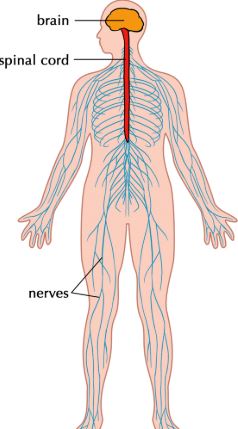
Which body system is shown on the left?

a)

Muscular System

b)

Circulatory System

c)

Digestive System

d)

Nervous System

43.

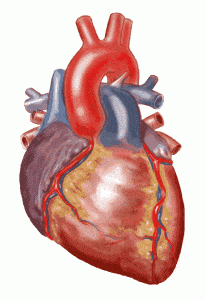
Which level of organization is a heart at?

a)

Cell

b)

Tissue

c)

Organ

d)

Organ System

44.

Which level of organization are you?

a)

Tissue

b)

Organ

c)

Organ System

d)

Organism

45.

What are the levels of organization in order?

a)

Cell, Tissue, Organ, Organ System, Organism

b)

Cell, Tissue, Organ, Organ System

c)

Cell, Tissue, Organ, Organism, Organ System

d)

Cell, Organ, Tissue, Organ System, Organism

46.

What are organs made up of?

a)

Multiple Organisms

b)

Multiple Tissues

c)

Multiple Organ Systems

47.

What are tissues made up of?

a)

Many Cells

b)

Multiple Organs

c)

Multiple Organ Systems

d)

Multiple Organisms

48.

What are these?

a)

Stomach

b)

Esophagus

c)

Lungs

d)

Testes

49.
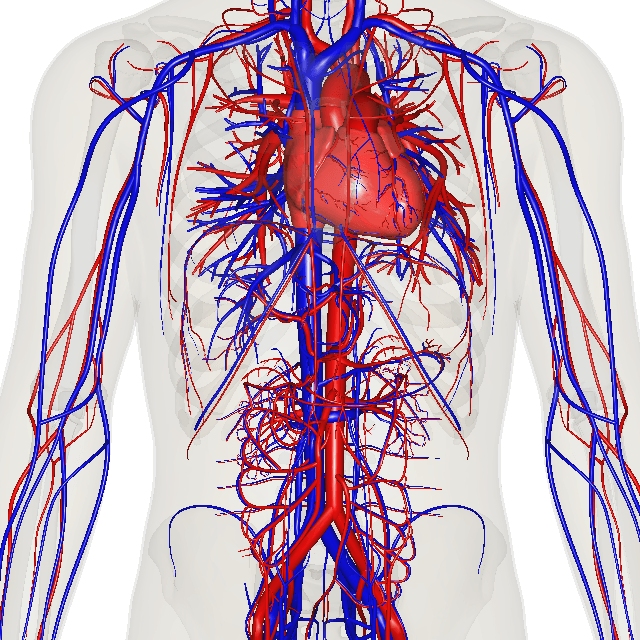
What is this?
a)
Digestive system
b)
Respiratory system
c)
Circulatory system
d)
Reproductive system
50.
What is this?
a)
Digestive system
b)
Respiratory system
c)
Circulatory system
d)
Reproductive system
51.
What is this?
a)
Digestive system
b)
Respiratory system
c)
Circulatory system
d)
Excretory system
52.
How do the muscular and skeletal systems work together to help the body?
a)
they provide blood to the body
b)
They provide nutrients to the body.
c)
They provide structure and movement for the body.
d)
They provide oxygen and carbon dioxide to the body.
53.
Which body systems work together to allow the body to move?
a)
nervous and skeletal
b)
muscular and skeletal
c)
nervous and circulatory
d)
muscular and circulatory
54.
Which system is responsible for creating red blood cells?
a)
Skeletal
b)
nervous
c)
digestive
d)
circulatory
55.

What system is pictured?

a)

Skeletal

b)

Circulatory

c)

Nervous

d)

Muscular

56.

What system helps deliver nutrients and oxygen to all of your body cells?

a)

Circulatory

b)

Respiratory

c)

Digestion

d)

Excretory

57.

Which two body systems are working together to make this type of physical movement from the basketball player?

a)

Circulatory and Excretory

b)

Skeletal and Muscular

c)

Nervous and Digestive

d)

Respiratory and Skeletal

58.

What system eliminates non solid waste from the body?

a)

Integumentary

b)

Digestive

c)

Excretory

d)

Respiratory

59.

What is the function of the system pictured?

a)

Helps pumps your blood through out your body.

b)

Helps move and protect your body.

c)

Helps take in oxygen and remove carbon dioxide.

d)

Helps maintain body your temperature.

60.

What is the function of this system?

a)

Gets rid of carbon dioxide waste

b)

Produces movement

c)

Protects your body from infections

d)

It gathers information and responds to the information

61.

What system gathers information and responds to that information? Ex: Touching something that is hot and quickly pulling your hand away.

a)

Skeletal

b)

Muscular

c)

Integumentary

d)

Nervous

62.

Which system provides shape and support, makes red blood cells, and stores minerals

a)

Skeletal

b)

Muscular

c)

Integumentary

d)

Respiratory

63.
The basic unit of structure and function for the body.
a)
cell
b)
atom
c)
organelle
d)
nucleus
64.
Chemicals that create changes inside of your body.
a)
hormones
b)
enzymes
c)
proteins
d)
acids
65.

A living thing that is made up of organ systems.

a)

cell

b)

tissue

c)

organ

d)

organ system

e)

organism

66.

The smallest unit of a living thing

a)

cell

b)

tissue

c)

organ

d)

organ system

e)

organism

67.

Which type of cell carries oxygen throughout the body?

a)

Muscle cell

b)

Nerve cell

c)

Red blood cell

d)

Skin cell

68.

Which is the correct order for levels of organization from simple to complex?

a)

cell, organ , tissue, organ system, organism

b)

organism, organ system, tissue, cell, organ

c)

cell, tissue, organ, organ system, organism

d)

organ, tissue, cell, organism, organ system
69.
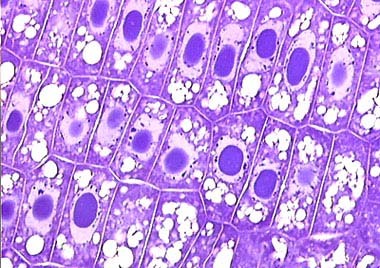
This is a example of ........
a)
cell
b)
tissue
c)
organ 
d)
organ system
70.
This is a example of ........
a)
organ
b)
organ system
c)
tissue
d)
cell
71.
This is a example of ........
a)
cell
b)
organ system
c)
organ
d)
tissue
72.
One example of a prokaryote is a...
a)
fungus
b)
bacteria
c)
animal
d)
plant
73.
Which has a chloroplast?
a)
Prokaryote
b)
Plant Cell
c)
Animal Cell
74.
multicellular
a)
Prokaryote
b)
Eukaryote
c)
both
75.
plants
a)
Prokaryote
b)
Eukaryote
c)
both
76.
What type of cell does not have a nucleus?
a)
eukaryotic 
b)
prokaryotic 
77.
Are prokaryotes multicellular or unicellular? 
a)
Multicellular
b)
Unicellular
78.
What type of cell has a nucleus? 
a)
eukaryotic
b)
prokaryotic 
79.
I am only found in a plant cell. What am I?
a)
cell wall
b)
mitochondria
c)
cytoplasm
d)
chloroplast
80.
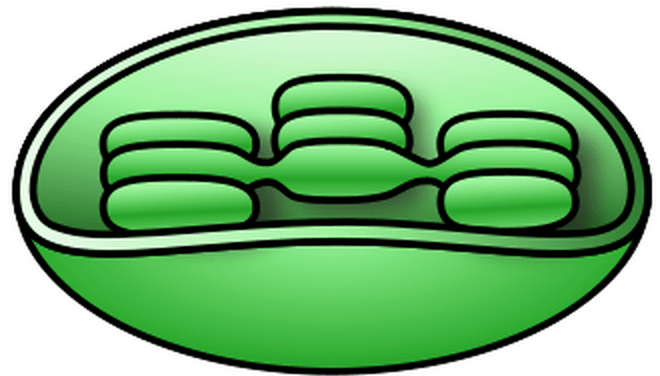
What is the picture
a)
ribosome
b)
nucleus
c)
cell wall
d)
mitochondrion
81.

What is the difference between a prokaryotic cell and a eukaryotic cell?

a)

Prokaryotes do not have a nucleus or organelles, but a eukaryotic cell does

b)

Eukaryotic cells do not have a nucleus or organelles, but prokaryotes do

82.

Nesting dolls are a set of hollow, wooden toys that have the same shape. Smaller nesting dolls fit inside larger dolls so that all smaller dolls fit into the largest doll when completely assembled. Students were asked to use nesting dolls to model the levels of organization from the smallest to largest structure.


Which model best demonstrates the levels of organization in plants and animals?

a)
b)
c)
d)
83.
What are the 3 types of muscle tissue?
a)
Thigh, Calf, & Shoulder
b)
Traps, Forearm, & Abs
c)
Hamstring, Biceps, & Triceps
d)
Smooth Muscle, Cardiac Muscle, & Skeletal Muscle
84.
Which muscle type is found in your stomach, bladder, and intestines?
a)
Skeletal
b)
Smooth
c)
Cardiac
d)
Straight
85.
Which type of muscle is found in your heart?
a)
Skeletal
b)
Smooth
c)
Cardiac
d)
Straight
86.
Which muscles are involuntary?
a)
skeletal
b)
cardiac
c)
smooth
d)
smooth and cardiac
87.
Skeletal muscles are attached to the _________.
a)
Stomach
b)
Lungs
c)
Bones
d)
Involuntary Muscles
88.
What do the bones create?
a)
white blood cells
b)
platlets
c)
red blood cells
d)
flying turkeys
89.
What is the place where two bones meet?
a)
hinge
b)
bone
c)
spot
d)
joint
90.
Muscles that you can control at will are called _______.
a)
Smooth
b)
Voluntary
c)
Cardiac
d)
Heart
91.
Which muscle type is voluntary?
a)
Skeletal
b)
Cardiac
c)
 Smooth
92.
The main purpose of the muscular system is to....
a)
Keep the heart beating
b)
Move the body
c)
Hit the dab
d)
Transfer oxygen
93.

System that is in charge of producing, storing & removing waste (urine)

a)

Excretory (Urinary)

b)

Respiratory

c)

Circulatory

d)

Muscular

94.

System that consists of the Brain, Spinal Cord & Nerves

a)

Circulatory

b)

Nervous

c)

Digestive

d)

Excretory (Urinary)

95.

Systems that consists of the Trachea, Larynx, Lungs & Diaphragm.

a)

Respiratory

b)

Nervous

c)

Muscular

d)

Circulatory

96.
The skin is the major organ in which system?
a)
Integumentary
b)
Muscular
c)
Endocrine
d)
Immune
97.

Type 1 diabetes occurs when the pancreas does not make enough or any of the hormone, insulin. Type 2 diabetes develops when the body cannot use insulin correctly. What body system is this related to?

a)

Endocrine

b)

Digestive

c)

Circulatory

d)

Immune

98.
The gland that stimulates body metabolism
a)
Thyroid
b)
testes
c)
ovary
d)
adrenal
99.

The response to stress is called

a)

Stay or Stray Response

b)

Fight or Stay Response

c)

Flee or Stray Response

d)

Fight or Flight Response

100.

Which term refers to the body's use of energy for energy and growth?

a)

Excretion

b)

Metabolism

c)

Digestion

d)

Respiration

101.
If you have diabetes, you most likely have a problem with this hormone.
a)
ADH
b)
Glucagon
c)
Insulin
d)
PTH
102.

This organ regulates your blood sugar (after you've had too many of grandma's cookies!)

a)

pancreas

b)

gallbladder

c)

heart

d)

Pineal gland

103.

Diabetes is a disorder caused by:

a)

the digestive system

b)

the nervous system

c)

the endocrine system

d)

Eating too many of your grandmas cookies (although sometimes this could be the case, this is NOT the answer I'm looking for!)

104.

bundle of wire-like nerves threaded through the backbones, through which electrical messages travel between the brain and body.

a)

vertabrae

b)

spinal cord

c)

brain

105.
a body system that controls growth and homeostasis by secreting hormones from glands.
a)
skeletal system
b)
nervous system
c)
endocrine sytem
d)
integumentary system
106.
response to harmful external stimuli such as an attacks, or threats to survival: to fight back or run away.
a)
fight or flight
b)
sleep
c)
bleeding
d)
bears
107.
brain of the cell
a)
lysosome
b)
vacuole
c)
mitochondria
d)
nucleus
108.
What organ is D pointing to?
a)
Ureters
b)
Bladder
c)
Urethra
d)
Kidney
109.
What organ is C pointing to?
a)
Ureters
b)
Bladder
c)
Kidney
d)
Urethra
110.
What organ is B pointing to?
a)
Kidney
b)
Urethra
c)
Ureter
d)
Bladder
111.
What organ is 1 pointing to?
a)
Kidney
b)
Urethra
c)
Bladder
d)
Ureter
112.

Arteries carry oxygen rich blood away from the heart.

a)

True

b)

False

113.

Veins carry oxygen poor blood back to the heart.

a)

False

b)

True

114.

How does the heart work?

a)

It pumps blood first to the lungs, back to the heart and then around the rest of the body.

b)

It pumps blood first to the rest of the body, back to the lungs and then to the heart.

c)

It pumps blood around the rest of the body, back to the heart and then to the lungs,

115.
The circulatory system works with the ___________ system to provide our body with oxygen.
a)
respiratory
b)
digestive
c)
muscular
d)
skeletal
116.
Where in your body can you find blood vessels?
a)
around the heart
b)
in hands & feet
c)
in your head
d)
virtually everywhere
117.
basic unit of life
a)
cell
b)
capillaries
c)
heart valve
d)
vein
118.

The heart is about the size and shape of your . . .

a)

head

b)

fist

c)

hand

d)

foot

119.
The main function of the circulatory system is 
a)
To give the body structure and support
b)
Excrete waste
c)
transport blood, nutrients, and gases throughout the body
d)
to transport messages from the body to the brain
120.
What is tube that is also known as your wind pipe?
a)
esophogus
b)
bronchi
c)
trachea
d)
alveoli
121.

What type of cells carry oxygen in the blood?

a)

red blood cells

b)

white blood cells

122.
Inhale!!!!
Your lungs are ___________  air
a)
taking in
b)
letting out
123.
EXHALE!!!
My lungs are __________________ air. 
a)
taking in
b)
letting out
124.

The epiglottis is a flap of tissue that closes when we eat so food doesn't not go down the trachea. The trachea is apart of what body system?

a)

circulatory

b)

digestive

c)

reproductive

d)

respiratory

125.
When you exercise, your heart beats faster to...
a)
spread oxygen throughout your body more quickly.
b)
make you feel excited.
c)
let you know you're working hard.
d)
inflate your lungs
126.
Largest organ in the body_______.
a)
brain
b)
heart 
c)
lungs
d)
skin
127.

What is the body's first line of defense?

a)

skin

b)

inflammatory response

c)

white blood cells

d)

b and t cells

128.

Why do we sweat?

a)

Response to an increase in heart rate

b)

Response to an increase in appetite

c)

Response to an increase in body temperature

d)

Response to an increase in blood pressure

129.

The skin protects your body from the sunlight.

a)

False

b)

True

130.

This makes your skin goes darker...

a)

Melania

b)

Melinen

c)

Melanin

d)

Melosa

131.

The _______ in your skin help you feel what you touch.

a)

fingers

b)

holes

c)

nerves

d)

Mrs. Jones' dog