Wayground logo

Free Printable Worksheets

Font size

S
M
L
XL
Worksheets

Genetics and Human Body Review Quizizz

Total questions: 101

Worksheet time: 8hrs 8mins

Name
Class
Date
1.
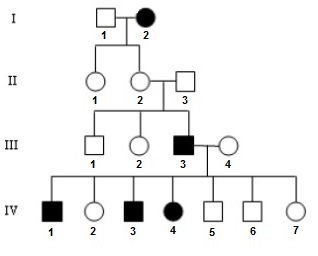
How many individuals are there in the 3rd generation?
a)
2
b)
3
c)
4
d)
6
2.
In the second generation-how many people are carriers of the trait?
a)
2
b)
3
c)
5
d)
6
3.
What is the mode of inheritance shown here?
a)
 Recessive
b)
Sex Linked
c)
 Dominant
4.
If this pedigree shows a recessive disorder, what MUST the genotype of individual II-3 be?
a)
HH
b)
Hh
c)
hh
d)
None of the above
5.
Which individual in the first generation is a carrier?
a)
The male
b)
The female
c)
individual 1
d)
None of the above
6.
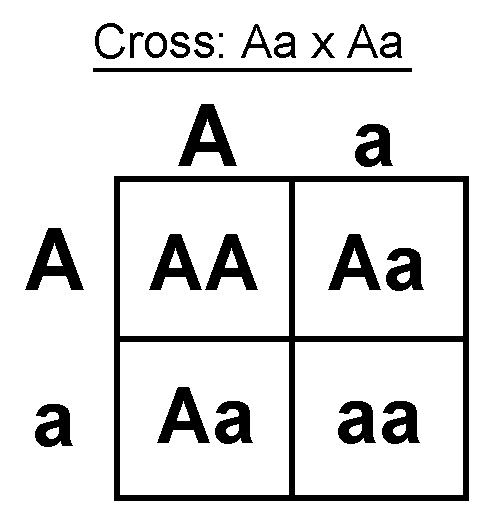
What is this?
a)
Pedigree
b)
Karyotype
c)
Venn diagram
d)
Punnett Square
7.
In a pedigree, what shape represents a male?
a)
circle
b)
square
c)
triangle
d)
diamond
8.
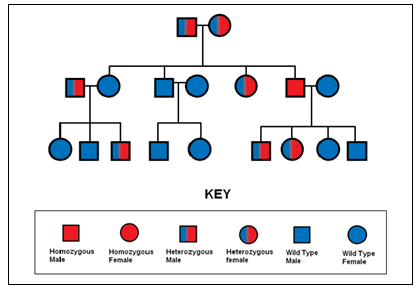
This pedigree represents the inheritance of hemophilia in this family. How many of the females have the hemophilia trait?
a)
8
b)
5
c)
2
d)
3
9.
If this pedigree shows a recessive disorder, what MUST the genotype of individual II-3 be?
a)
HH
b)
Hh
c)
hh
d)
None of the above
10.
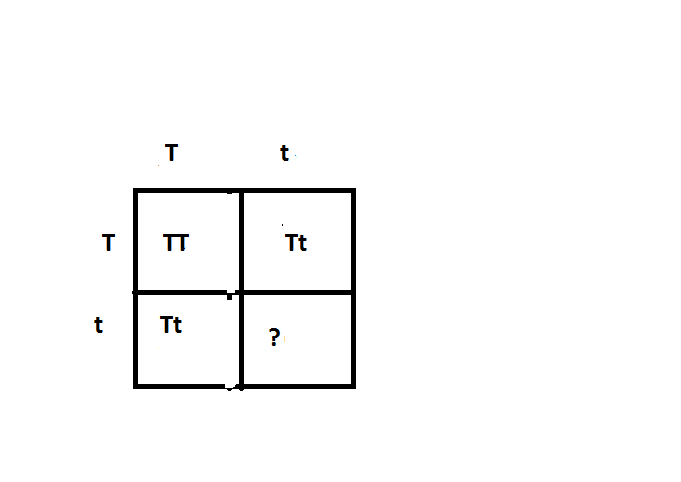
T - tall and t = short
In the punnett square below, what belongs in the missing square
a)
tt
b)
Tt
c)
Bb
d)
TT
11.
What you see, or the physical appearance.
a)
Genotype
b)
Phenotype
c)
Homozygous
d)
Heterozygous
12.
B = brown eyes
b = blue eyes
What is true about these two brothers that have brown eyes?
One has genotype BB the other Bb.
a)
they have same phenotype and genotype
b)
they have different genotypes and phenotypes
c)
they have same phenotype but different genotypes
d)
they have same genotype but different phenotypes
13.
AA and Aa always show up as
a)
dominant
b)
recessive
14.
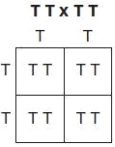
What ratio of the offspring from the cross shown will be homozygous recessive for the  trait of tallness? 
a)
0 in 4
b)
1 in 4
c)
2 in 4
d)
4 in 4
15.
Which of the following genotypes is heterozygous?
a)
Bb
b)
BB
c)
bb
d)
B
16.
Which of the following genotypes is homozygous dominant?
a)
A
b)
Aa
c)
AA
d)
aa
17.
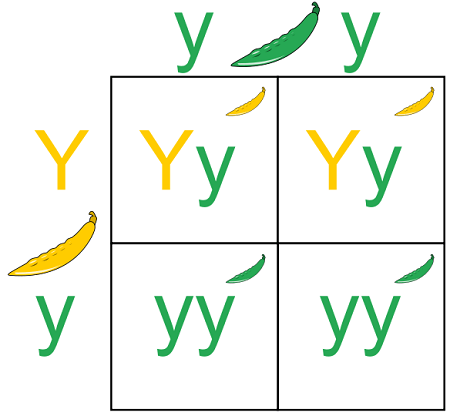
Which choice best represents the genotype of this cross?
a)
1 Yy: 2 yy: 0 YY
b)
2 Yy: 2 yy: 0 YY
c)
3 Yy: 1 yy: 0 YY
d)
1 Yy: 3 yy: 0 YY
18.

What is the probability of heterozygous offspring?

a)

0%

b)

100%

c)

50%

d)

25%

19.

What are the possible genotypes of the offspring? (A-Brown hair; a-blond hair)

a)

AA, Aa, aa

b)

AA only

c)

Aa only

d)

aa only

20.

In fruit flies, eye color is a sex linked trait. Red (R) is dominant to white (r). What is the sex and eye color of flies with the following genotype: X R X r ?

a)

male with white eyes

b)

female with red eyes

c)

male with red eyes

d)

female with white eyes

21.

H= normal blood clotting; h=hemophilia


XHXh marries XHY

What is the probability that any of their offspring will have hemophilia?

a)

4/4

b)

3/4

c)

2/4

d)

1/4

22.

Colorblindness is a sex-linked recessive trait. A colorblind woman marries a male with normal color vision. What is the percent chance of them having a color blind son?

a)

0%

b)

25%

c)

50%

d)

75%

23.
What do your bones protect?
a)
organs
b)
skin
c)
muscles
d)
feelings
24.

What is included in the integumentary system?


Select ALL that apply.

a)

skin

b)

hair

c)

nails

d)

bones

25.
What is the place where two bones meet?
a)
hinge
b)
bone
c)
spot
d)
joint
26.
What is the name for the connector that attaches muscle to bone?
a)
ligament
b)
tendon
c)
patella
d)
string
27.
What is the name for the connector that attaches bone to bone?
a)
ligament
b)
tendon
c)
patella
d)
string
28.

What do the bones create?

a)

white blood cells

b)

platlets

c)

red blood cells

d)

flying turkeys

29.
Organize the body from most complex to simplest.
a)
cells, organ, organ system, tissue, organism
b)
cells, tissues, organs, organ system, organism
c)
organism, organ system, organs, tissues, cells
d)
cells, tissues, organs, organism
30.

Smooth Muscle is found in the?

a)

Heart

b)

Facial

c)

Organs

d)

Legs

31.
Which of the following is NOT a type of muscle?
a)
Rough
b)
Smooth
c)
Cardiac
d)
Skeletal
32.
Skeletal muscles are responsible for which of the following?
a)
Movement of the body
b)
Movement of the heart
c)
Movement of the ligaments 
d)
Movement of the extremities
33.

What are the characteristics of the cardiac muscle?

a)

Involunatary

b)

Found in the heart

c)

Banded Appearance

d)

Dense connective tissue packaging

34.

Your bones are held together by rubber band like tissues called

a)

Tendons

b)

Ligaments

c)

Filaments

d)

Cartilage

35.
The three types of muscles are:
a)
smooth, cardiac, and skeletal
b)
smooth, medium, and hard
c)
skeletal, circulatory, and respiratory
d)
soft, rough, and fluffy
36.
What does voluntary mean?
a)
Moves on its own.
b)
Moves with a friend.
c)
Moves by being controlled.
d)
Moves when asked.
37.
The coloring in the skin; found in the epidermis.
a)
Melanin
b)
Oil
c)
Perspiration
d)
Pores
38.
The top layer of the skin is called the _________________.
a)
dermis
b)
oil gland
c)
nerve
d)
epidermis
39.
What is the name of tube that our hair grows from?
a)
Follicle
b)
Root
c)
Shaft
d)
Sebaceous
40.
Which layer of the skin does NOT contain blood vessels? 
a)
epidermis
b)
hypodermis
c)
dermis
41.

The teeth and tongue of the oral cavity break foodstuff down physically. This is an example of

a)

mechanical digestion

b)

chemical digestion

c)

absorption

d)

peristalsis

42.

Which of the following is an accessory organ of the digestive system?

a)

stomach

b)

small intestine

c)

esophagus

d)

liver

43.
The elbows, knees and phalanges are examples of this type of joint
a)
ball and socket
b)
condyloid
c)
gliding
d)
hinge
44.
Hip and shoulder have examples of this type of joint
a)
ball and socket
b)
condyloid
c)
hinge
d)
gliding
45.
Carpals and tarsals (flat bones) are examples of this type of joint
a)
condyloid
b)
gliding
c)
hinge
d)
saddle
46.
What are the three types of joints in the human body?
a)
hinge, ball and socket, opposable thumb
b)
movement, protection, support
c)
hinge, ball and socket, gliding
d)
gliding joint, opposable thumb, articulate
47.
What is a joint?
a)
a place where two muscles come together
b)
a place where a bone and a muscle come together
c)
a place where two bones come together
48.
The hinge joint moves...
a)
in two directions
b)
up and down; forward and back
c)
forward and back; all around
d)
in one direction
49.
The gliding joint moves...
a)
with two bones siding past each other
b)
in two directions
c)
up and down; forward and back
d)
up and down; all around
50.
What ball and socket joint do you use when you throw a ball?
a)
shoulders
b)
hips
c)
elbow
d)
wrist
51.
How many types of blood vessels are in our body?
a)
1
b)
2
c)
3
d)
4
52.
______________ are the smallest blood vessels.
a)
Arteries
b)
Veins
c)
Capillaries
53.
______________ are the second largest blood vessel. 
a)
Arteries
b)
Veins
c)
Capillaries
54.
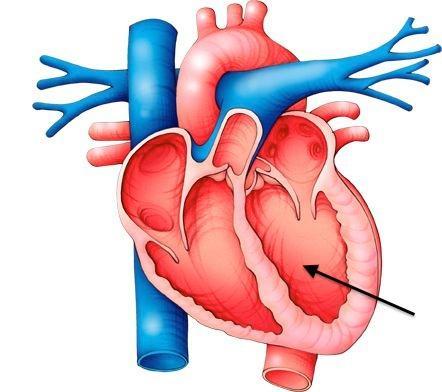
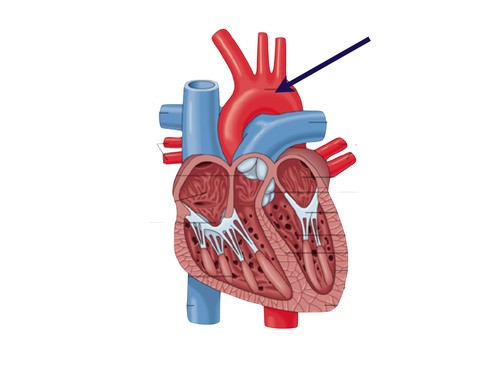
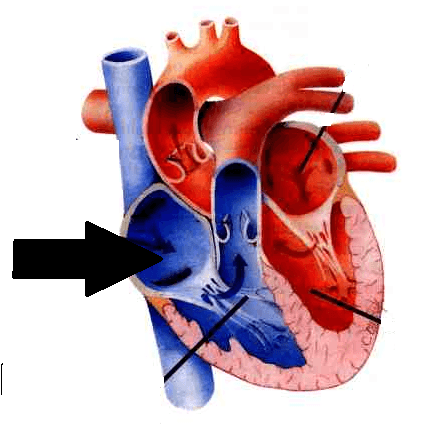
Identify
a)
Left atrium
b)
Right atrium
c)
Left ventricle
d)
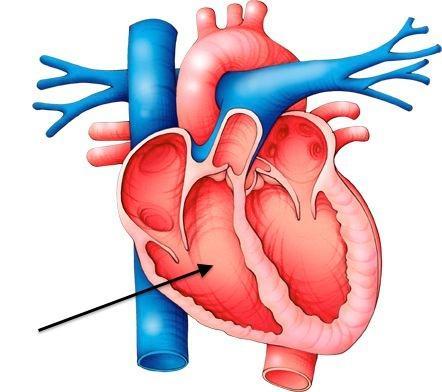
Right ventricle
55.
Identify
a)
Left atrium
b)
Right atrium
c)
Left ventricle
d)
Right ventricle
56.
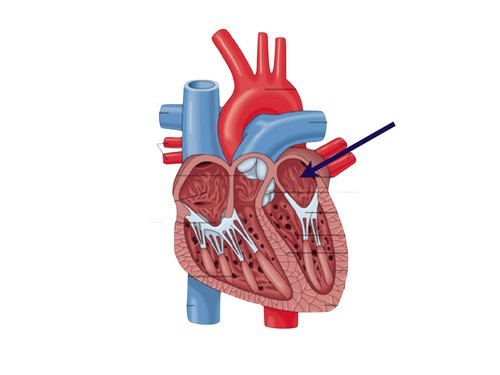
Identify
a)
Left atrium
b)
Right atrium
c)
Left ventricle
d)
Right ventricle
57.
Identify
a)
Pulmonary veins
b)
Pulmonary artery
c)
Aorta
d)
Vena cava
58.
Identify
a)
Left atrium
b)
Right atrium
c)
Left ventricle
d)
Right ventricle
59.
Which is NOT a function of the circulatory system?
a)
deliver O2 and nutrients to cells
b)
remove CO2 and wastes from cells
c)
break down carbohydrates into glucose
d)
transport other materials through body
60.
What is one secondary (helper) organ of the digestive system?
a)
Small Intestine
b)
Esophagus
c)
Gallbladder
d)
Stomach
61.
Bile is made by which digestive organ?
a)
Gallbladder
b)
Stomach
c)
Rectum
d)
Liver
62.

What is the correct order that food follows from the beginning to the end of the digestive system when you eat?

a)

Mouth > Esophagus > Stomach > Small Intestine > Large Intestine > Anus

b)

Esophagus > Mouth > Small Intestine > Stomach > Large Intestine > Anus

c)

Stomach > Mouth > Small Intestine > Anus > Large Intestine > Esophagus

d)

Mouth > Esophagus > Stomach > Large Intestine > Small Intestine > Anus

63.
EXHALE!!!
My lungs are __________________ air. 
a)
taking in
b)
letting out
64.
Inhale!!!!
Your lungs are ___________  air
a)
taking in
b)
letting out
65.
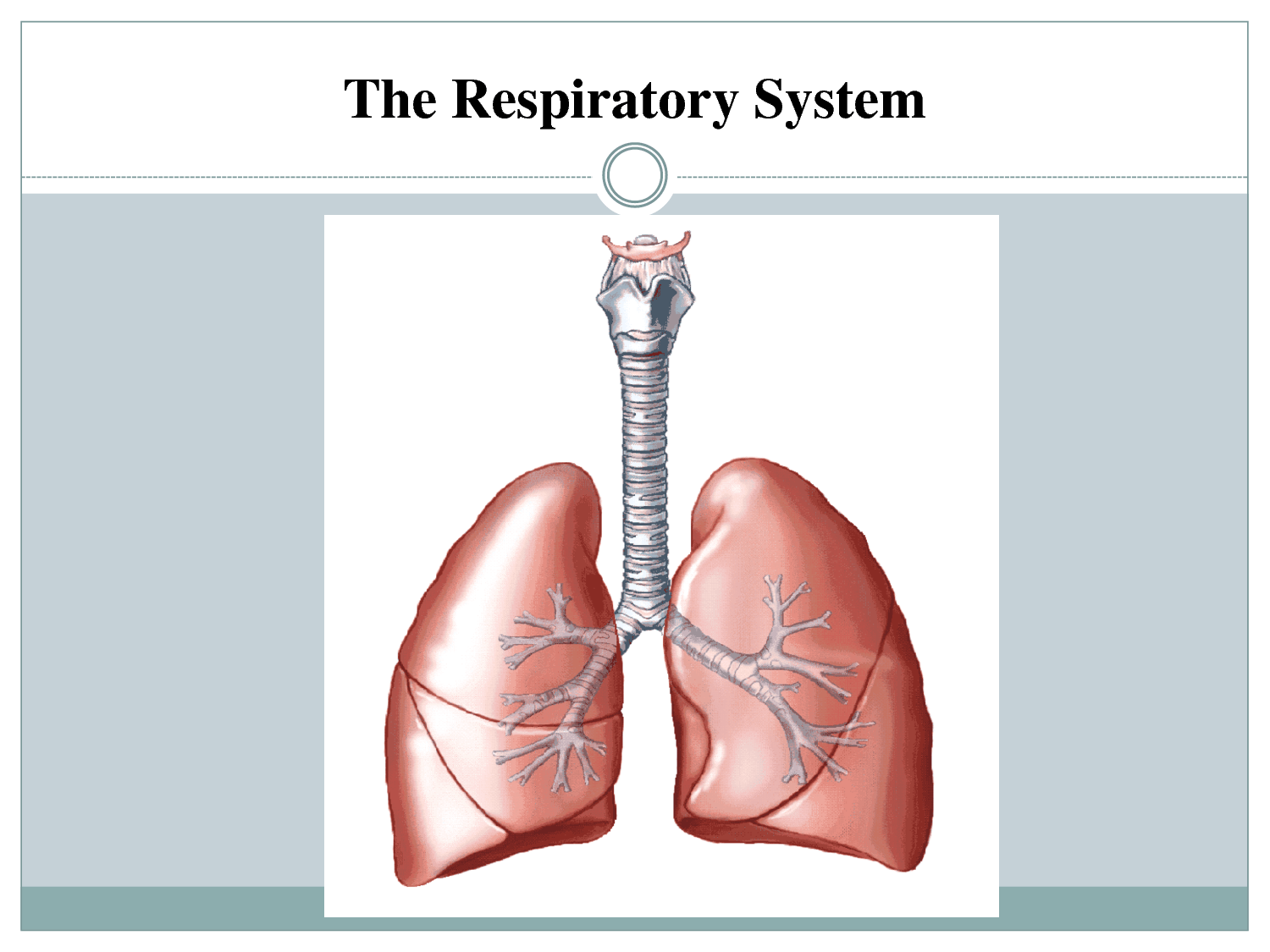
What is the main function of the respiratory system?
a)
to provide oxygen and remove carbon dioxide from the body
b)
to bring oxygen to the body
c)
to break down food and absorb nutrients
d)
to remove oxygen from the body and deliver carbon dioxide
66.
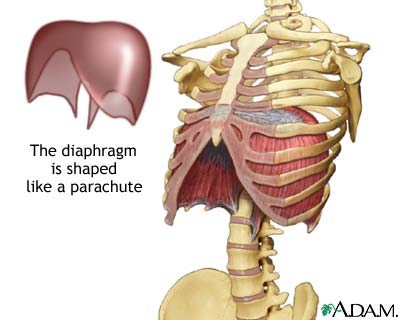
What is function of the dome-shaped diaphragm?
a)
This is where gas exchange happens.
b)
Air passes through the diaphragm on the way to the lungs.
c)
It attaches to the lungs to help in breathing.
d)
It is under the lungs and keeps them from falling down to your stomach.
67.
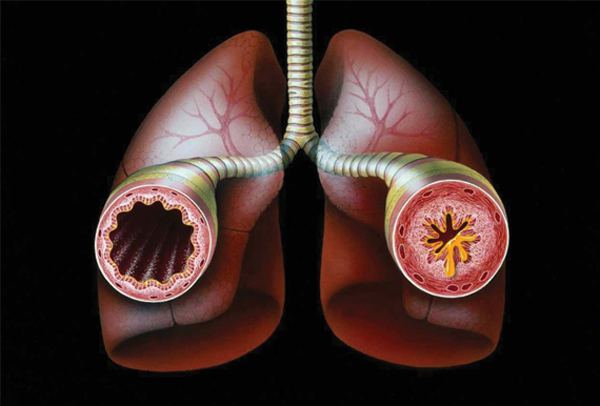
A disorder of the lungs called ____ causes the bronchi to become restricted (get smaller) so air can't get to the lungs.
a)
asthma 
b)
cold
c)
influenza 
d)
bronchitis 
68.
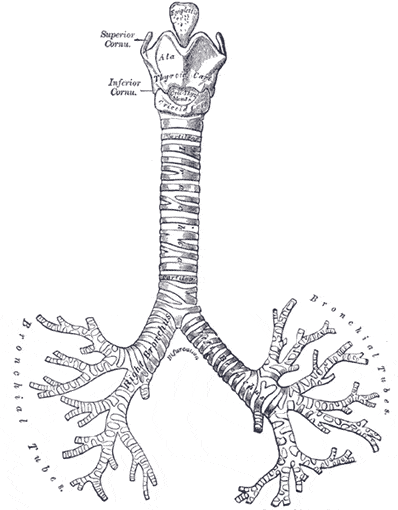
The two main branches from the trachea (one to each lung)
a)
bronchi
b)
alveoli
c)
capillaries
d)
bronchioles
69.
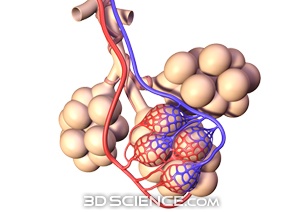
The air sacs that are covered with capillaries where gas exchange takes place
a)
bronchi
b)
lungs
c)
oxygen
d)
alveoli
70.
Within the lungs, the exchange of oxygen and carbon dioxide occurs between the ___ and the capillaries. 
a)
trachea 
b)
bronchi 
c)
alveoli
d)
diaphragm
71.
The passageway that is shared by both the digestive and respiratory system is the....
a)
larynx
b)
pharynx
c)
trachea
d)
nose
72.
Flap of skin that covers the opening to the windpipe during swallowing
a)
Stomach
b)
Trachea
c)
Pancreas
d)
Epiglottis
73.
What organ is C pointing to?
a)
Ureters
b)
Bladder
c)
Kidney
d)
Urethra
74.
What organ is D pointing to?
a)
Ureters
b)
Bladder
c)
Urethra
d)
Kidney
75.
Which excretory organ filters the blood to remove excess water, urea, and cell wastes?
a)
Kidney
b)
Bladder
c)
Urethra
d)
Ureters
76.
The excretory system rids the body of ______ waste.
a)
solid
b)
liquid
77.
Tiny filtering structures where urine is produced in the kidneys are called
a)
ureters.
b)
alveoli.
c)
nephrons.
d)
bronchi.
78.

Endocrine glands secrete _

a)

Hormones

b)

Neurotransmitters

c)

A wide range of chemical substances

79.

The "master gland" is known as the __________________.

a)

thyroid gland.

b)

adrenal gland.

c)

pancreas.

d)

pituitary gland.

80.
The gland that stimulates body metabolism
a)
Thyroid
b)
testes
c)
ovary
d)
adrenal
81.

The adrenal glands release adrenaline to help the body regulate _________________.

a)

diseases

b)

body temperature.

c)

stress.

d)

hormones.

82.

Which of the following are chemicals that travel in the blood and cause changes in different parts of the body?

a)

Hormones

b)

Glands

c)

Parathyroid

d)

Adrenal Gland

83.

The response to stress is called

a)

Stay or Stray Response

b)

Fight or Stay Response

c)

Flee or Stray Response

d)

Fight or Flight Response

84.
Letter I is pointing to
a)
Testes
b)
Oviducts
c)
Ovaries
d)
Adrenals
85.
Letter H is pointing to
a)
Thymus
b)
Pancreas
c)
Pituitary
d)
Pineal
86.

As organisms get more complex, cells become specialized to perform specific functions in the body. What is the function for the cell shown?

a)

contract and shorten movement

b)

provide coverage and protection

c)

carry impulses around the body

d)

connects parts together

87.

Which cell relays messages from one tissue to another?

a)

Red Blood Cell-RBC

b)

White Blood Cell-WBC

c)

Neuron

d)

Tissue

88.
The ________ is a rope-like bundle of nerves. It is also the main pathway for information.
a)
Nerves
b)
Spinal Cord
c)
Brain
89.
The _____ controls all the other organs, and processes all the information. 
a)
Nerves
b)
Spinal Cord
c)
Brain
90.
The light enters through you _______, and goes through your eye lens. 
a)
iris
b)
pupil
c)
lens
d)
retina
91.
Name the two major parts of the central nervous system.
a)
The brain and the skull. 
b)
The brain and the body.
c)
The spinal cord and the brain.
d)
The spinal cord and the body. 
92.
What is "homeostasis"?
a)
The body's ability to react to a stimuli. 
b)
The body's ability to keep everything inside it in balance. 
93.
What are the two divisions of the nervous system?
a)
The brain and spinal cord. 
b)
The central nervous system and the skeletal system. 
c)
The central and peripheral nervous systems. 
94.

Long nerve fibers that send electrical impulses away from the nerve cell body to other cells are

a)

axons

b)

dendrites

c)

organelles

95.

Brain and spinal cord

a)

PNS

b)

CNS

96.

Nerves

a)

PNS

b)

CNS

97.
Blood leaves the right ventricle through the ___________.
a)
pulmonary artery
b)
aorta
c)
superior vena cava
d)
right atrium
98.
What does letter B represent?
a)
aorta
b)
superior vena cava
c)
inferior vena cava
d)
right pulmonary artery
99.

The oxygen-carrying protein in blood

a)

Platelets

b)

Blood

c)

Plasma

d)

Hemoglobin

e)

White Blood Cells

100.

Why is it difficult for a person with emphysema to have enough oxygen in their blood?

a)

Emphysema causes the blood vessels in the lungs to close.

b)

A person with emphysema has a tumor in their lungs.

c)

Emphysema causes the diaphragm to stop working.

d)

Emphysema can destroy alveoli.

101.

What is the blood type of a person whose plasma contains only anti-B clumping proteins

a)

AB

b)

A

c)

B

d)

O