
 Worksheets
CBA1 Review
Total questions: 100
Worksheet time: 50mins
All living things in an ecosystem are:
biotic
abiotic
dead
alive
All non-living things in an ecosystem are:
biotic
abiotic
dead
alive
Which is NOT a example of biotic thing?
plant
fungi
bacteria
rocks
Which is NOT a example of abiotic thing?
water
temperature
animal
rocks

The picture of animal would be considered:
abiotic
biotic

The picture of this water would be considered:
abiotic
biotic
The characteristics of living things include:
all living things are made from cells
is able to reproduce
maintains homeostasis
all of the above
Which one of these is NOT biotic?


A universal genetic code, responding to stimuli, growing and developing and adapts and evolves over time are characteristics of
Cell theory
abiotic things
biotic things
7th grade
One characteristics of abiotic thing is it's able to reproduce.
True
False
What scientific tool was used to discover the cell?
beaker
petri dish
microscope
Bunsen burner
The microscope allows scientist to:
to make larger objects smaller
to magnify small objects the eye can't see
to regulate the temperature of objects
to change the chemical makeup of a object
Which one of these statements belongs to cell theory?
cells are the most complex unit of life
non-living things are made of one or more cells
all cells come from pre-existing living cells
all cells randomly reproduce
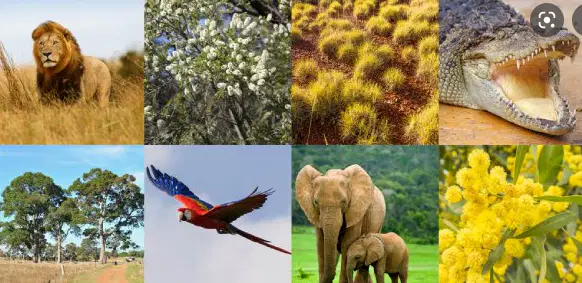
According to the picture below, what do the organisms have in common?
They all reproduce the same way
Each organism creates food from sunlight
the cells are the basic unit of life for each organism
The are made from the same type of atoms
Which is NOT a concept of cell theory?
The cell is the basic unit of structure and function of living things
All cells produce energy the same way
All living things or organisms are made of one or more cells
All cells come from pre-existing, living cells
Cell theory has how many principles?
1
2
3
4
Schwann discovered that all animals are made of cells. Schleiden discovered that all plants are made of cells. Which statement can be developed from their research and is part of cell theory?
The functions of cells occur the same in both types of cells
All living things are composed of cells
Cell contain DNA
Cells only exists in unicellular organisms
According to cell theory, the cell is the most basic unit of life.
True
False
According to cell theory, all living things or organisms are made of one or more cells.
True
False
According to cell theory, all cell spontaneously generate and will have similar traits.
True
False
The nucleus is found it both the animal and plant cell, its function is-
regulate material that enters and exits the cell
stores water, food and waste.
a gel-like fluid within the cell that surrounds, supports and protects organelles.
serves as the control central and contains DNA.
What types of organisms have cells with very large vacuoles?
Animals
Bacteria
Plants
Fungi
Which phrase best describes the function of mitochondria?
Converts energy for cell use
Located in the cytoplasm
Bacteria-sized organelle
Contains a folded inner membrane
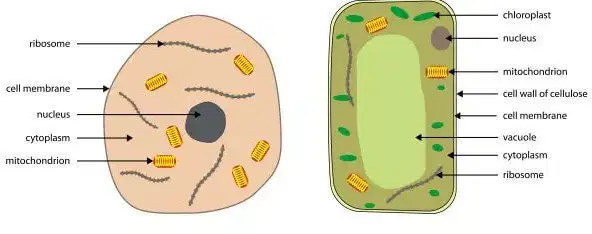
Jacob was giving these diagrams of two cells, one is a animal cell and the other is a plant cell? How would Jacob label each cell according to the organelles they contain?
The left diagram is a animal cell and right is a plant cell because they both have a nucleus.
The left diagram is a animal cell and right is a plant cell because one the left one is green.
The left diagram is a animal cell and right is a plant cell because the right one has chloroplasts and a cell wall.
The left diagram is a animal cell and right is a plant cell because they both have mitochondria.
What is a gel-like fluid within the cell that surrounds, supports and protects organelles?
Vacuole
Cytoplasm
Mitochondria
Endoplasmic Reticulum

A diagram of a plant cell is shown below. The function of the plant cell structure shown in the enlargement is to —
use energy from sunlight to make sugar
provide support for the cell
direct all the cell's activities
regulate materials that enter and exit the cell
Which cell structure is not found in animal cells?
nucleus
cell membrane
cell wall
cytoplasm
Plants use energy from sunlight, water, and carbon dioxide to produce sugar. Which structure is found only in plant cells and helps plants capture energy from sunlight?
Vacuole
Nucleus
Chloroplast
Cell membrane
This organelle is in both plants and animals. It is a barrier between the cell and the environment. (It controls what goes in and out of a cell.)
cell wall
nucleus
mitochondria
cell membrane
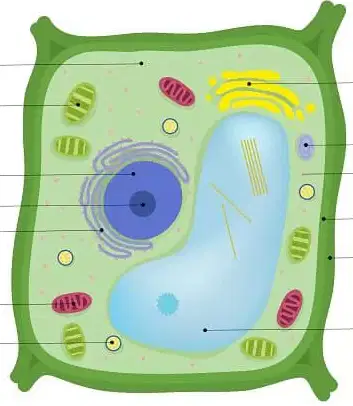
Harrison was looking through a microscope and made the below diagram of the cell. Which cell was she looking at?
Fungi
Plant
Bacteria
Animal
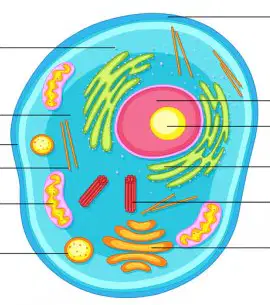
Swanson was looking through a microscope and made the below diagram of the cell. Which cell was she looking at?
Fungi
Plant
Bacteria
Animal
Which would be found in the cell of a sunflower plant but not in the cell of a chicken?
Cell wall
Vacuole
Cell membrane
Mitochondria
Which organelles are found in both plant and animal cells?
Vacuole
Cell membrane
Mitochondria
All of the above
Sanchez was giving a presentation to class over plant and animal cells. Which statement below should he tell the class about vacuoles?
Both plant and animal vacuoles are the same size.
The animal vacuole is larger than the plant's vacuole.
The plant vacuole is larger than the animal's vacuole.
All vacuoles are created equal.
Wilson was explaining to the class that a certain organelle is the site of photosynthesis. Which organelle was she describing to the class?
cell wall
chloroplast
mitochondria
nucleus
Lathan was presenting the levels of organization to his class. Which example below best represents the levels of organization from simple to complex that he should present?
cell<tissues<organ system<organ<organism
organism<tissues<organ<organ system<cell
cell<tissues<organ<organ system<organism
cell<organism<organ<organ system<tissues
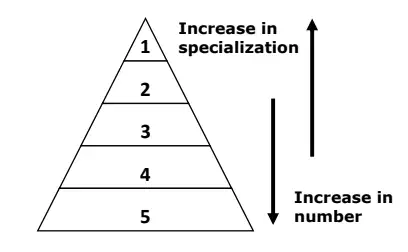
A student drew a pyramid to describe the levels of organization. The student will put the cells at the bottom of the pyramid as the least specialized and the most numerous. Which of these should the student list in level 4 of the pyramid?
Tissue
Organ System
Organ
Organism
Which is NOT a concept of cell theory?
The cell is the basic unit of structure and function of living things
All living things or organisms are made of one or more cells
All cells come from pre-existing, living cells
All cells produce energy the same way
Schwann discovered that all animals are made of cells. Schleiden discovered that all plants are made of cells. Which statement can be developed from their research and is part of cell theory?
The functions of cells occur the same in both types of cells
All living things are composed of cells
Cell contain DNA
Cells only exists in unicellular organisms
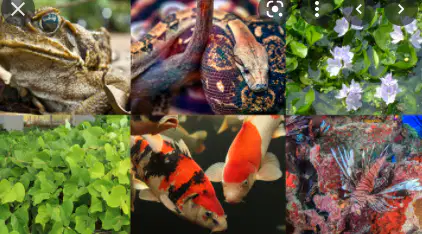
According to the picture below, what do the organisms have in common?
They all reproduce the same way
Each organism creates food from sunlight
The are made from the same type of atoms
the cells are the basic unit of life for each organism

A student was studying the levels of organization on a table. Which answer should the student write in as an example of the organ in the level of organization?
blood
eye
food, water and air
human
A student was studying the levels of organization of a plant. Which level would describe the plant's leaf?
Organ
Tissue
Organism
Organ system
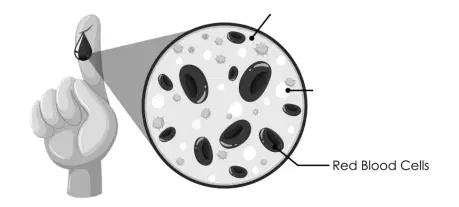
Blood is made of different types of cells. However, each of which play a different role while working together to perform a specific function. Blood is an example of which level of organization?
Organ
Tissue
Organism
Organ system

A student was making a flowchart of the levels of organization to present to the class. He prepares the following illustration. After reviewing the flowchart, he realizes its incorrect. Which change should he make to correct his flow chart from simple to complex?
add the atoms in place of Cells
move Organs to the beginning
swap Organs and Tissues
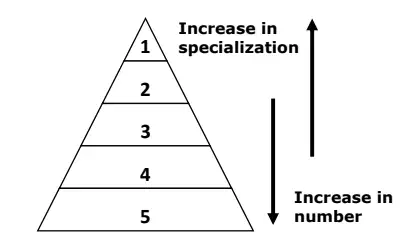
A student drew a pyramid to describe the levels of organization. The student will put the cells at the bottom of the pyramid as the least specialized and the most numerous. Which of these should the student list in level 2 of the pyramid?
Organ system
Organ
Tissue
Organism
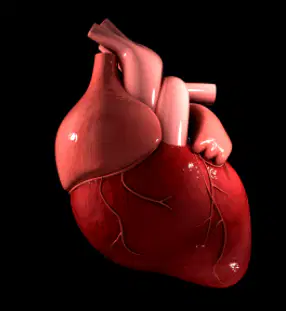
Here is a picture of a heart, which level of organization does it belong to?
Organ system
Organ
Tissue
Organism
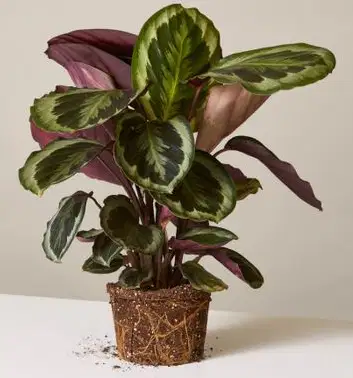
The picture below shows a entire plant or a self contained living thing. Which level of organization does it belong to?
Organ system
Organ
Tissue
Organism

The picture below is of your muscular system, a collection of organs that work together to perform a specific function. What level of organization does it belong to?
Organ system
Organ
Tissue
Organism

The picture shows basic units of structure and function of living organisms. Which level of organization does these little units belong to.
Organ system
Organ
Tissue
Cell
A student was studying the levels of organization from basic to complex. Which level is consider the most complex?
Organ system
Organ
Organism
Cell
Which one of these statements belongs to cell theory?
cells are the most complex unit of life
non-living things are made of one or more cells
all cells come from pre-existing cells
all cells randomly reproduce

According to this picture and cell theory, what do these organisms have in common?
the cell is the most basic unit of life
all living things or organisms are made of one or more cells
all cells come from pre-existing cells
all of the above
According to cell theory, all living things are made of one cell. (true or false)
True
False
Schwann discovered that all animals are made of cells. Schleiden discovered that all plants are made of cells. Which statement can be developed from their research and is part of cell theory?
The functions of cells occur the same in both types of cells
animal cells are the only ones that are part of cell theory
plant cells are the only ones that are part of cell theory
All living things are composed of cells
Many scientist contributed to cell theory, they could not have made their discovers without the invention of?
a beaker
microscope
test tubes
petri dish
Living things play a important role in a ecosystem. Living things are consider-
biotic
abiotic
alive
dead
Non-living things play a important role in a ecosystem. Non-living things are consider-
biotic
abiotic
alive
dead
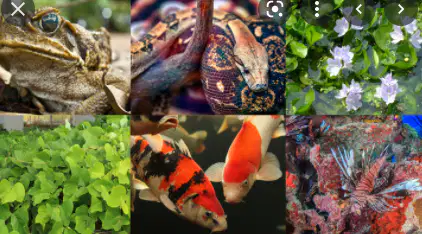
The picture below has plants and animals alike in there ecosystem. These are consider __________ in their ecosystems.
biotic
abiotic
alive
dead
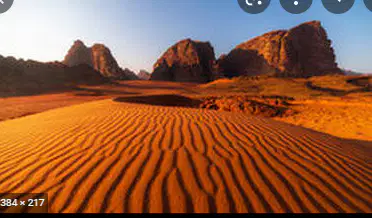
This is the desert, in this pictures we can observe sand, rocks and mountains. These elements are consider ___________ in their ecosystem.
biotic
abiotic
alive
dead
A student was making a list of characteristics of living things. Which of these characteristics is NOT for living things?
is able to reproduce
maintains homeostasis
grows and develops
all organisms have the same genetic code

Alford was giving a presentation to the class over a certain body system. She used the picture below to represent the body system. Which body system is Alford probably presenting to the class?
Digestive
Skeletal
Muscular
Endocrine
The muscular system is made up of:
controls and regulates all voluntary and involuntary activities of the body.
responsible for gas exchange
specialized tissue which allows motor power for all movements of body parts.
bone, cartilage, ligaments and tendons and is the body's internal framework.
Which is NOT a function of the muscular system?
Movement and regulation of the body
Maintenance of posture and muscle tone
Protects the bones and internal organs
provides shape, support and the framework of the body
One property of muscles is that it is CONTRACTIBLE. This mean -
can extend or stretch
can shorten in length
can return to its original shape
is very stiff
Another property of muscles is that it is EXTENSIBLE. This mean -
can extend or stretch
can shorten in length
can return to its original shape
is very stiff
Another property of muscles is that it is ELASTIC. This mean -
can extend or stretch
can shorten in length
can return to its original shape
is very stiff
Luis was study the three types of muscles from his notes. One muscle has voluntary movement, attached to the bones and is 40%-50% of your body weight. Which muscle type was he reading about?
Visceral
Cardiac
Skeletal
Irregular
Harrison was giving a presentation of the types of muscle. She said that cardiac muscle is a involuntary muscle and surrounds the gastro-intestinal tract. Wilson says that is incorrect. Which muscle type should Harrison have used during her presentation?
Visceral
Cardiac
Skeletal
Irregular
The heart is a very important organ in your body. It moves involuntary and pumps blood throughout your body. It is only made up of this type of muscle-
Visceral
Cardiac
Skeletal
Irregular
Swanson was telling Thompson that one function of this particular body system is it produces heat through metabolism. Which body system was Swanson referring to?
Digestive
Muscular
Skeletal
Endocrine

This diagram below represents which body system?
Digestive
Muscular
Skeletal
Endocrine
Cabrera was telling the class how many different bones are in the human body as a adult. Which number of bones should she tell them?
84
300
206
53
Moody was explaining to Watkins the compositions of bones. Which of these below is NOT what bones are composed of?
compact
short
spongy
marrow
Which of the below statements is NOT a function of the skeletal system?
provide shape, support, and the framework of the body.
heat production through metabolism.
the formation of blood cells within bone marrow.
a storage place for minerals such as salts, calcium, and phosphorus.
Tyler was explaining to Kingston the joints are how bones are held together. Is Tyler statement true or false?
True
False
What term is used for where two bones meet?
ligament
joint
marrow
spongy
Briggs was explaining to the 7th period science class that bones fall under four classifications. Which one of below answers is NOT a classification?
long
flat
short
ligaments
The skeletal system and muscle system work together to allow your body -
exchange oxygen and carbon dioxide out of your blood
filters your blood of toxins
control your body function
to have support and movement of the body
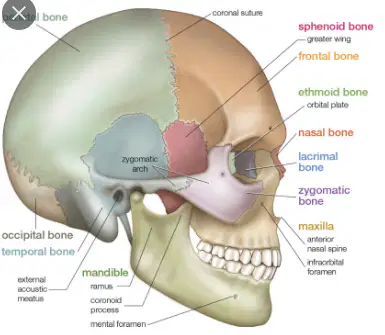
What classification of bones by shape would the skull be under?
irregular
flat
long
What classification of bones by shape would the leg and arm be under?
irregular
short
flat
long
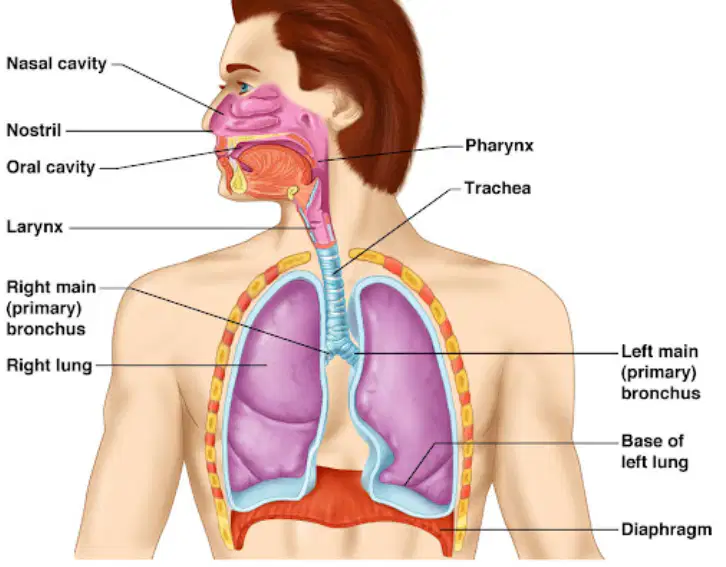
The image represents which body system?
Respiratory
Skeletal
Circulatory
Muscular
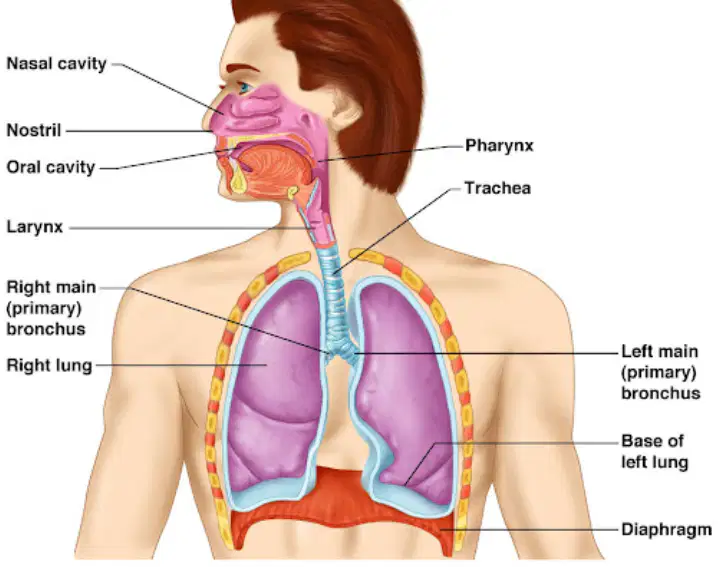
What is the main function of the body system represented in the above image?
provides motor power for the body
exchanges of gases (oxygen and carbon dioxide) between the blood and air
acts as the body's internal framework
transports nutrients and oxygen throughout the body
Travis was heading into football practice this morning. When he got into the locker room he always notices that it smells horrible. What body system is responsible for allowing him to smell different things?
skeletal
digestive
respiratory
muscular
Which one of these functions is NOT a function of the respiratory system?
exchange of gases
Phonation (speaking)
Olfaction(smelling)
help maintain a constant temperature for the body
When you breath in during inhalation, how does the diaphragm responded?
it contracts moving downward
it relaxes moving upward
it doesn't move at all
it remains in a consent state the entire time while breathing
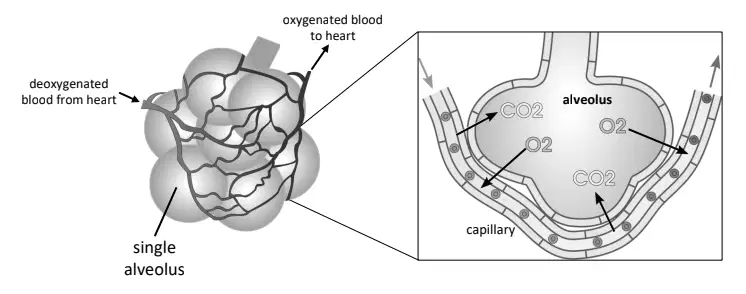
The illustration shows how two different body systems work together. Which two body systems are interacting with each other?
Skeletal and Muscular
Nervous and Endocrine
Respiratory and Circulatory
Digestive and Circulatory
The respiratory system is made up of many organs that work together to provide a specific function for the body. Which organ does not belong in this system?
pharynx
larynx
lungs
heart
The exchange of gases with the external environment through physical breathing is defined as -
internal respiration
external respiration
photosynthesis
movement
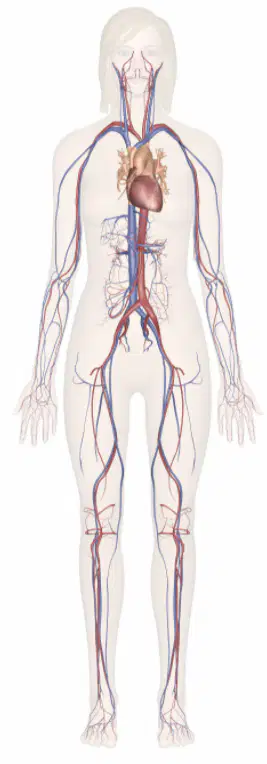
The image below is a picture of what body system?
Respiratory
Skeletal
Digestive
Circulatory
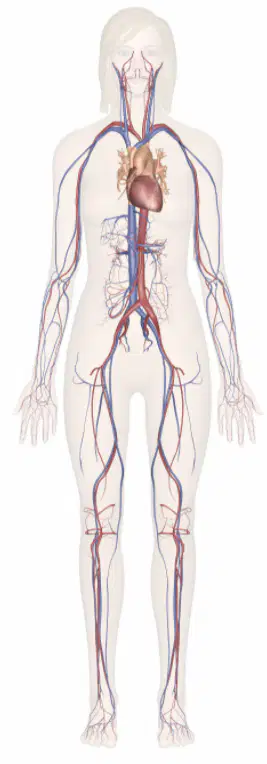
What is the main function of the body system represented in the above image?
exchanges of gases (oxygen and carbon dioxide) between the blood and air
to provide support and movement
transports nutrients and oxygen throughout the body
act's as the body internal framework
What is the main organ in the circulatory system?
bones
lungs
muscles
heart
The circulatory system is very complex and made up of many different things, which is NOT found in the circulatory system?
blood
heart
ligaments
blood vessels
The circulatory system is made up of different types of blood vessels, which one is responsible for bring blood back to the heart?
veins
arteries
capillaries
plasma
The circulatory is responsible for create force to move you blood throughout your body. Which statement is NOT how force is used to transport blood through your body?
Heart muscle contracts causing the heart to pump, which forces blood to move throughout the body.
Blood pressure is the pressure exerted by circulated blood on the walls of blood vessels, due to the pumping action of the heart.
The constant pumping of the heart maintains blood pressure and supply throughout the body.
Heart muscle relaxes causing the heart to pump, which forces blood to flow faster, with high pressure throughout the body.
What are the components that make up blood?
Plasma
Red blood cells
Platelets
White blood cells
All of the above

Which is NOT a function of the muscular system?
Movement and regulation of the body
Maintenance of posture and muscle tone
provides shape, support and the framework of the body
Protects the bones and internal organs

This diagram below represents which body system?
Muscular
Digestive
Respiratory
Skeletal
The skeletal and muscular system interact with one another to allow you to have -
exchange gases in the blood
breakdown nutrients for the body
support and movement
control the functions of all body systems
The main function of the skeletal system is-
exchange of gases
all for movement of body parts
provides shape, support and the frame work for the body
transport nutrients and oxygen to the body
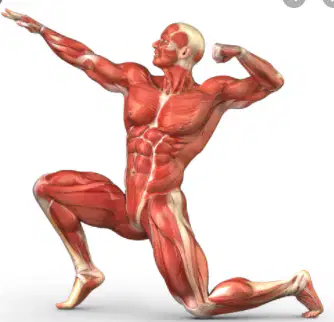
This is a image of what body system?
muscular
skeletal
respiratory
circulatory

