
 Worksheets
Semester 2 Exam
Total questions: 100
Worksheet time: 3hrs 19mins

Which organelle is DNA usually found in?
cell membrane
vacuole
ribosome
nucleus

Scientists have introduced a gene from another organism (like a jellyfish gene) to the DNA of these organisms that causes them to glow. This is an example of what kind of biotechnology?
artificial selection
genetic engineering
cloning

DNA is a polymer made of nucleotides. What are the three components of a nucleotide?
sugar, hydrogen, nitrogen base
sugar, oxygen, nitrogen base
sugar, phosphate, nitrogen base
sugar, phosphate, protein

Which of the following is a phenotype?
scar
red hair
heterozygous
DNA

Put the parts of the cell in order from largest to smallest.
cell, nucleus, chromosomes, DNA, gene, allele
gene, DNA, chromosomes, nucleus, cell, allele
cell, chromosomes, nucleus, DNA, gene, allele
nucleus, chromosomes, DNA, allele, gene

Given these 2 alleles: B = brown fur & b = white fur, what is the probability for white fur? Refer to the Punnett Square.
Hint: there are 4 squares @ 100% and if you associate it with money there are 4 quarters in 1 dollar which is 100 pennies or 100% of the dollar.
So, each square or quarter of the Punnett Square is worth 25% of the 100%.
0%
25%
50%
75%

In the Punnett Square shown, what are the genotypes (pair of alleles) from each of the two parents?
RW and RR
RW and WW
RR and WW
RW and RR

Referring to generation 1: What is the allele combination for the dominant homozygous parent?
Hint: both hetero and homo word parts originated from the Greek Language; hetero means "the other of two" and homo means the same.
PP
Pp
pp
Referring to generation 1: What is the allele combination aka genotype for the recessive homozygous parent?
Hint: both hetero and homo word parts originated from the Greek Language; hetero means "the other of two" and homo means the same.
PP
Pp
pp

Guanine bonds with ______________.
Adenine
Guanine
Cytosine
Thymine

What determines the code or information of a DNA molecule?
the shape (structure) of the nitrogen bases
the order (sequence) of the nitrogen bases
the color of the nitrogen bases
the frequency (number) of nitrogen bases

Which 2 molecules form the sides (backbone) of the DNA ladder?
deoxyribose sugar and adenine
deoxyribose sugar and a hydrogen bond
deoxyribose sugar and the nucleus
deoxyribose sugar and phosphate

What will the matching sequence be on a strand that reads AAGCTAT?
AACGATA
TTCGTTA
CCTGATA
TTCGATA

A gene is made up of a series of amino acids that code for a specific ________________. (there are 2 correct answers)
gene
chromosome
trait
protein

A gene is a section of DNA. It is made up of a series of amino acids that code for a specific protein. These four chemicals are represented by: _______________________ (select 2 answers)
AT CG
AT, CH
adenine + thymine, cytosine + guanine
adenine + thymine, cytosine + hydrogen

What forms a genetic code?
photosynthesis
order of nitrogen bases
deoxyribose sugar
uracil
Who studied different characteristics of pea plants by cross-pollinating plants?
Gregor Mendel
Albert Punnett
Sir Isaac Newton
David Kuster

You might have probably heard about the most common animal hybrid between a female horse and a male donkey, called a mule.
A _____________ organism is offspring that have different alleles for a trait (Bb).
factor
purebred
trait
hybrid
A gene passes from parents to their offspring on ___________________. (select the best answer)
This is also known as "The ____________Theory of Inheritance".
gene(s)
chromosome(s)
trait(s)
protein(s)

How many daughter cells are produced at the end of meiosis?
1
2
3
4

According to the Venn Diagram, Mitosis produces ________ _____ daughter cells and Meiosis produces ______ ________ daughter cells.
2 diploid / 4 haploid
4 haploid / 2 diploid
2 haploid / 4 diploid
4 diploid / 2 haploid

The purpose of __________ is for growth and repair.
meiosis
mitosis

Using the acronym PMAT (prophase, metaphase, anaphase, telophase), please indicate which order the images should be in.
A B D C
C A B D
D A B C
B A D C

Chromosomes are visible, nuclear membrane disappears- nucleolus disappears;
Use the image to indicate which phase of the cell cycle Mitosis is in.
Remember the PMAT acronym.
metaphase
anaphase
prophase
telophase

Spindle fibers attach to chromosomes. Chromosomes line up across the equator or middle of the cell.
Use the image to indicate which phase of the cell cycle Mitosis is in.
Remember the PMAT acronym.
metaphase
anaphase
prophase
telophase

Chromosomes divide into two sets. Each half or set is pulled away to opposite sides of the cell.
Use the image to indicate which phase of the cell cycle Mitosis is in.
Remember the PMAT acronym.
metaphase
anaphase
prophase
telophase

Two nuclear membranes begin to form. Cells begin to separate.
Use the image to indicate which phase of the cell cycle Mitosis is in.
Remember the PMAT acronym.
metaphase
anaphase
prophase
telophase

The graphs show how the number of predators that eat mice predators (animals that eat mice) and the food source of the mice (plants) changed from 1996 to 2002.
Based on this information about predators and food, which year would you predict would have the highest population of mice?
1996
1998
2000
2002

Referring to the graph, what happens to the moose population from 1979 to 1999? Select the best answer.
The moose population increased as the wolf population increased
The moose population increased as the wolf population decreased
The wolf population increased as the moose population increased
The wolf population increased as the moose population decreased
Referring to the graph's year range between 1969 and 1979, what would be a likely reason for the change in population? Select the two that apply.
wolf preyed on moose and decreased their population
the predator decreased the population of it's prey
moose preyed on the wolf and decreased the wolf population
the predator increased the population of it's prey.

Charles Darwin made a voyage known as, "The Voyage of the Beagel". This is when he went to South America to the Galapagos Islands where he identified new species.
Darwin observed that the finches on the Galápagos Islands had little variations from one population to another. Some finches had sharper beaks, while some had thicker beaks.
Darwin collected birds from the Galapagos Islands and nearby islands. He observed that these birds differed slightly form those on the nearby mainland of South America, and the birds on each island were different from the birds on the other islands; he realized they were all finches! Eventually Darwin suggested that these birds may have _________
attacked and eliminated all other species of finches.
evolved (changed over time) from one species of finch.
become extinct
have variations because of genetic engineering.
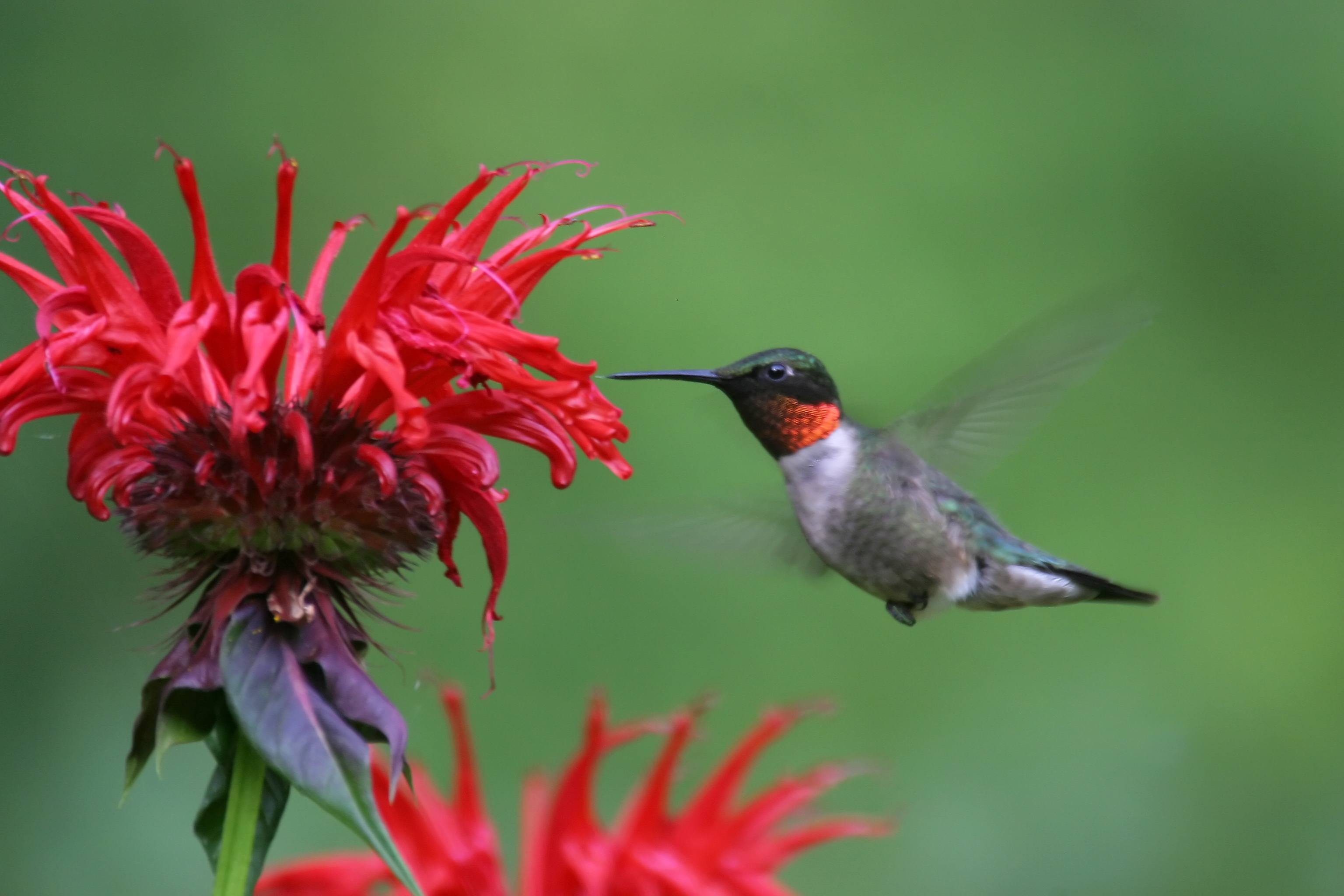
Hummingbirds feed on nectar from flowers. The flowers are pollinated by hummingbirds as they move from flower to flower. This is an example of ____________.
commensalism
mutualism
parasitism
predation
Groups of different populations that live in a given area and interact are called a(n) __________.
Community
Colony
Population
Ecosystem

Which term best describes two predators living in the same habitat who feed on the same prey?
coexistence
competition
mutualism
predatory

A group of organisms of the same species that live in the same habitat is called a (an) ______________.
species
population
community
ecosystem

Overlapping food chains where both abiotic (climate, sunlight, soil, carbon dioxide, … ) & biotic (predator/prey, algae, fungi, plants, …) resources within an ecosystem make up a _______________.
food web
food chain
niche
symbiosis

Preserved remains can be found in ______, amber or tar.
metamorphic rock
igneous rock
frozen in the ice
magma

A petrified fossil is one that was:
frozen in the ice
turned completely into stone
fur and skin
a hollow indention in the rock

If I wanted to make Jell-O eggs for Easter, you would need to pour the Jell-O into a ______ and after a night of chilling, you'd be able to pop out the Jell-O eggs and have a _____ of those eggs.
Hint: think of a cast on a broken arm or leg and, when removed, has the impression of the persons appendage.
preserved remain, petrified fossil
cast, mold
mold, cast
mold, petrified fossil

The remains, imprints, or traces of prehistoric organisms is also known as a _________.
index fossil
fossil
carbon film
relative age

Fossilized tracks and other evidence of the activity of organisms is called __________.
Hint: this is different than a fossil as a fossil is the remains of an organism.
amber
cast
trace fossils
index fossils

Which of the following can be learned by using the fossil record?
When organisms changed or evolved
when organisms appeared on Earth
when organisms became extinct
All the above

Geologists use radioactive dating to ______________.
determine the relative ages of rock layers.
tell the difference between molds and casts.
tell where one soil horizon ends and the next one begins.
determine the absolute ages of rocks.

What are the oldest fossils and why?
B, C- because they are closest to the top
A, B- because they are closest to the bottom
They are all the same age- because they are all found on layer 2
A, B- because they are found closest to the top

What is a mold?
Hint: think about how a person's arm or leg leaves an impression of that appendage if they have a cast and it was removed.
The impression of an organism
Is the preserved evidence of the activity of an organism
A fossil copy of an organism in a rock
A chart that divides Earth’s history into different time units

Humans give off mostly ____________ radiation, which is electromagnetic radiation with a frequency lower than visible light. This effect is not unique to humans. All objects with a non-zero temperature give off thermal radiation, and because a thermal temperature of absolute zero is physically impossible, all objects give off thermal radiation. __________________ waves are only one part of thermal radiation
infrared
ultraviolet
visible
microwave
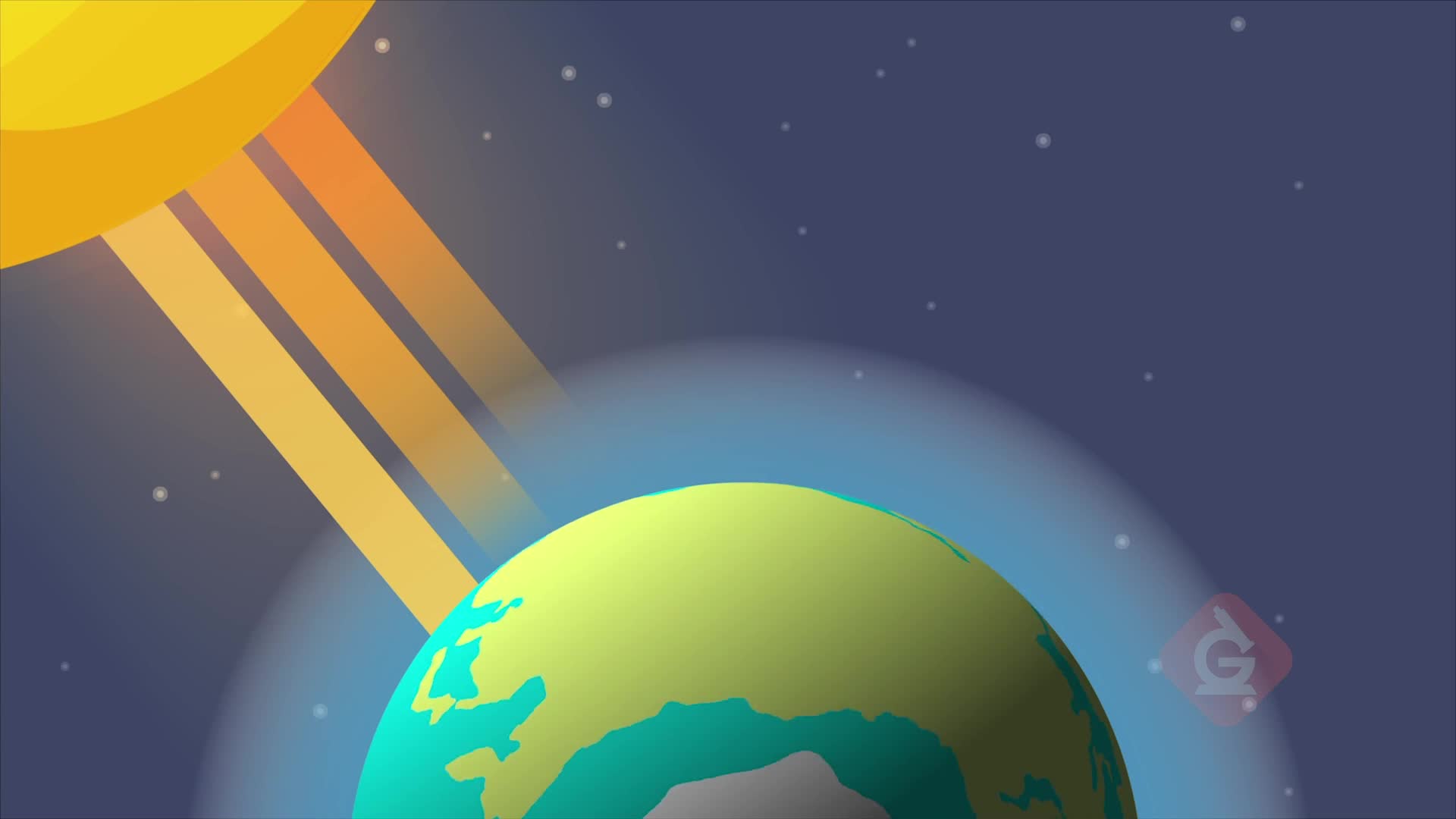
These waves from the sun cause sunburn and skin cancer.
Hint: think of violent rays.
Thanks Meyshia!
Gamma
Microwaves
Radio
Ultraviolet

Increasing the amplitude of a wave _________ the wave's energy.
increases
decreases
does not change


The electromagnetic spectrum is the range of all electromagnetic radiation.
True
False

These waves oscillate in perpendicular planes with respect to each other and are in phase.
The creation of all electromagnetic waves begins with an oscillating charged particle which creates oscillating electric and magnetic fields.
What are electromagnetic waves?
Killer waves to hang ten on brah!
Visible light spectrum
Transversal waves
electric and magnetic fields

In which list are forms of electromagnetic energy arranged in order from longest to shortest wavelength?
Microwave -> Radio wave -> Infrared rays
Visible light -> x-ray -> radio wave
Microwave -> infrared -> visibile light
Infrared -> radio wave -> ultraviolet

Since the primary source of infrared radiation is heat or thermal radiation, any object which has a temperature radiates in the infrared. Even objects that we think of as being very cold, such as an ice cube, emit infrared... . The warmer the object, the more ____________ radiation it emits.
infrared
ultraviolet
visible
microwave

The wavelength of ray waves is..
1012 Hz
1020 Hz
104 Hz
1015 Hz

What happens when light passes through a lens?
It's expanded
It's reflected
It's curved
It's refracted

What is the difference between reflection and refraction?
Light bends when reflected and bounces when refracted
Light travels in curved lines when refracted and travels in straight when reflected
Light no longer travels when refracted
Light bends when refracted and bounces when reflected
Which pictures shows a translucent image?
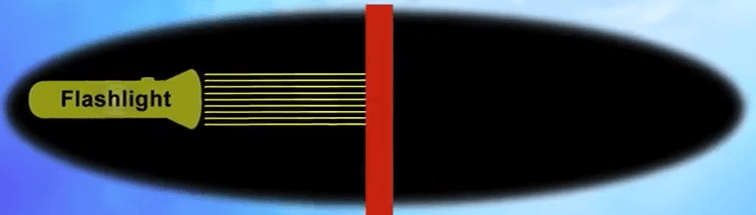
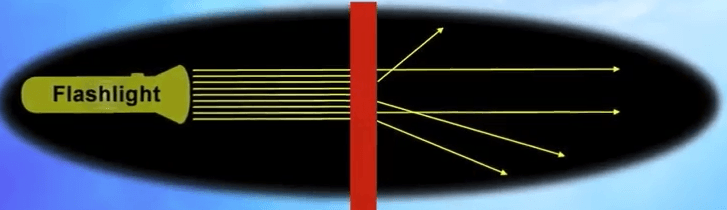
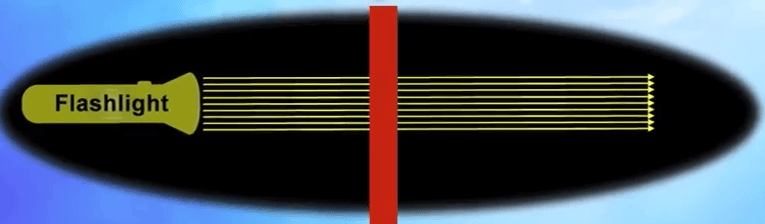
Which pictures shows a transparent image?

What type of object is shown in the picture?
opaque
transparent
translucent

What type of object is a mirror considered?
opaque
transparent
translucent

What does it mean if an object is transparent?
Light cannot pass through the object.
Light is refracted by the object.
Light passes through the object.
Light is absorbed by the object.

Explain what is happening in the picture.
Remember: a prism is a type of lens.
Light is reflected.
Light is absorbed.
Light is diffused.
Light is refracted.

Why is a blueberry blue?
The blue light is absorbed by the blueberry.
The blueberry absorbs all of the light waves. No light is reflected.
The blueberry absorbs all the light waves but the blue light. The blue light is reflected.
The blueberry is opaque and does not allow for the blue to be absorbed.

A wave is a disturbance that transfers ________________ from one place to another.
electrons
protons
energy
water

The material through which a wave travels is called the ___________________
medium
substance
disturbance
vacuum

In a _____________________ wave, particles move back and forth in the same direction that the wave travels, or parallel to the wave.
transverse
surface
mechanical
longitudinal

In a ___________________ wave, particles move perpendicular to the direction that the wave travels
transverse
surface
mehcanical
longitudinal

An earthquake has both _______________ and ________________ waves. Select 2 answers.
transverse
surface
mechanical
longitudinal

____________________ waves are transverse waves caused by a disturbance in electric and magnetic fields.
mechanical
surface
electromagnetic
longitudinal

Identify the crest in the following image.
A
B
C
D
E
Identify the wavelength in the following image.
A
B
C
D
E
Identify the trough in the following image.
A
B
C
D
E
Identify the wave height in the following image.
A
B
C
D
E

Identify the amplitude in the following image.
A
B
C
D
E

What type of waves are in the image?
electromagnetic
mechanical
Theses types of waves require a medium to travel through.
mechanical
electromagnetic
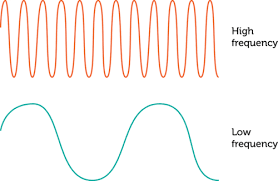
If a wave has a greater frequency, what happens to the wavelength?
increases
decreases
stays the same
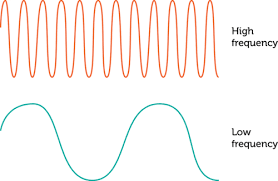
If a wave has a greater frequency, what happens to number of waves per second?
increases
decreases
stays the same
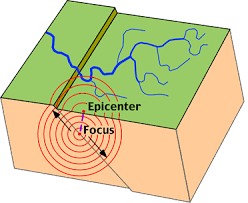
Each wave front expands in a sphere, spreading the energy across a larger area. This means that the energy per unit area of the wave decreases as it moves farther form its source, causing the loudness of the sound wave to decrease. This means that ________________.
Hint: The answer is, literally, in the passage. :)
energy of the wave decreases as it moves farther away from the source.
energy of the wave remains constant as it moves farther away from the source.
energy of the wave increases as it moves farther away from the source.

A ball is projected into the air. Where is potential energy the greatest?


When gasoline is burned in a car engine, ________ energy is converted into _________ energy.
heat, chemical
chemical, potential
mechanical, chemical
chemical, mechanical

Energy cannot be created nor destroyed. It can only be changed from one form to another. This is known as the law of conservation of ___________:
mass
energy
temperature

Mechanical energy is the sum of an object's kinetic energy and potential energy. The energy that a car has while moving is __________________ energy; think of a windmill.
mechanical energy
sound energy
electromagnetic energy
chemical energy
thermal energy and heat

Chemical energy is stored in bonds that hold compounds together. If a molecule's bonds are broken or rearranged, energy is released or absorbed.
Indicate all types of chemical energy:
music
wood giving off light
wood giving off heat
nutrition
photosynthesis

Absolute zero is the temperature at which the motion of particles stops. It is not possible to actually reach absolute zero, though temperatures very close to absolute zero have been reached in laboratories.
What happens at absolute zero?
Remember, the information is in the passage.
All Motions cease
everything turns to a solid
everything dies
who knows?

When you touch something that feels cold,
heat from your hands move into the cold substance.
coldness moves from the cold substance into your hand.
it melts.
it freezes.

Use the chart to indicate the illustrations in order from higher to lower temperatures.
System 1, 2, 1&2
System 2, 1, 1&2
System 1, 1&2, 2

Why do you want to live in a home with good insulation during the cold winter months?
The insulation will keep you cool during winter.
If there is good insulation, the thermal energy will not be able to move easily from inside the warm home to the cool areas outside the building.
If there is not good insulation, the air inside the home will become too hot.
A house with good insulation will keep the warm air in the attic.

Classify: Which type of energy transfer is occurring at each lettered area? Indicate A, B, C order.
conduction, convection, radiation
conduction, radiation, convection
convection, radiation, conduction
convection, conduction, radiation.
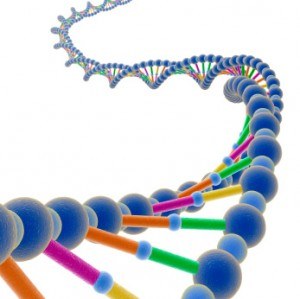
Which of the following best describes a DNA molecule?
double helix
contains ribose
made of amino acids
contains Uracil
In a molecule of double-stranded DNA, the amount of Adenine present is always equal to the amount of __________.
cytosine
guanine
thymine
uracil

Meiosis makes sperm and egg cells. In humans, sperm and egg cells each have _____ chromosomes. Therefore a fertilized human egg cell (sperm and egg cell combined) would create a cell with _____ chromosomes.
23, 46
46, 23
2, 4
50, 100

Which statement is true comparing natural selection and artificial selection?
In natural selection, traits benefit humans and in artificial selection, the traits benefit the species
In natural selection, traits benefit the species and in artificial selection, the traits benefit humans
In natural and artificial selection, the process takes hundreds of years to occur
In natural and artificial selection, nature determines what traits will be passed down to offspring.
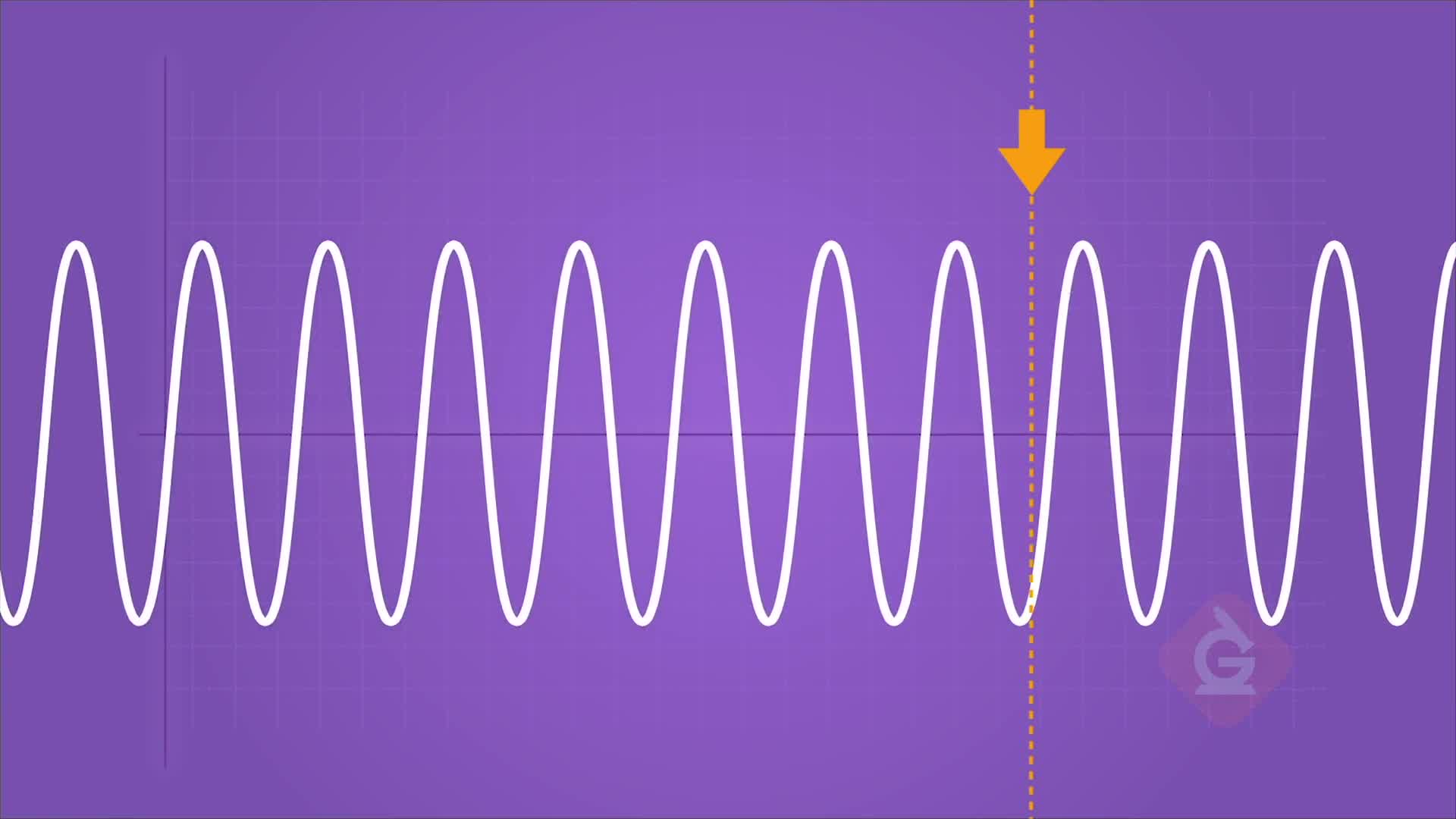
What is the number of waves that pass a point in one second also known as?
Amplitude
Frequency
Period
Wavelength

The moon provides little light at night. How does the moon give us light?
It refracts light from the sun
It reflects light from the sun
It's a source of light
It reflects light from earth

1st. There is molecule movement. Faster molecule movement = higher thermometer reading while slower molecule movement = lower thermometer reading.
2nd. ___________ is created.
3rd. A thermometer measures the ________.
Thermometer
Temperature
Heat
All of them

