wayground logo

Free Printable Worksheets

Font size

S
M
L
XL
Worksheets

Fall Semester Review

Total questions: 58

Worksheet time: 2hrs 56mins

Name
Class
Date
1.
Which type of tropism?
a)
hydrotropism
b)
thigmotropism
c)
phototropism
d)
geotropism
2.
Why do plants wilt?
a)
low turgor pressure
b)
high turgor pressure
c)
too much water
d)
no cell membrane
3.

Select all that are products of Photosynthesis.

a)

Water

b)

Carbon Dioxide

c)

Oxygen

d)

Sunlight (Light Energy)

e)

Glucose (Sugar/food)

4.

What is the green pigment that "traps" sunlight?

a)

Chlorophyll

b)

Chloroplasts

c)

Photosynthesis

d)

ATP

5.

Is Oxygen a Raw Material (Ingredient) or Product of Photosynthesis?

a)

Product

b)

Raw Material

c)

Niether

d)

What's Photosynthesis?

6.
What is the source of energy for photosynthesis?
a)
Carbohydrates (chemical energy)
b)
Light (radiant energy)
c)
Heat (thermal energy)
d)
Wind (kinetic energy)
7.

The reason animals cannot photosynthesize is that they lack...

a)

a nucleus

b)

a cell wall

c)

a chloroplast

d)

a mitochondria

8.

Within plants there are...

a)

Many chloroplasts

b)

Few chloroplasts

9.

The part of the chloroplast that absorbs lights is called...

a)

Thylakoid

b)

Grana

c)

Stroma

d)

Chlorophyll

10.

The roots in this plant are exhibiting (showing)

a)

Hydrotropism & Geotropism

b)

Photoropism

c)

Only geotropism

d)

Thigmotropism & Phototropism

11.
Which terms best describe autotrophs?
a)
Plants; producers
b)
Animals; producers
c)
Plants; consumers
d)
Animals; consumers
12.
From where do autotrophs obtain their energy?
a)
The sun
b)
Other organisms
13.
Which is the correct pathway that food takes through the alimentary canal?
a)
mouth, stomach, esphagus, small intestine, large intestine, rectum
b)
mouth, esophagus, stomach, small intestine, large intestine, rectum
c)
mouth, esophagus, small intestine, large intestine, stomach, rectum
d)
rectum, rectum, rectum.  Anal retentive teacher
14.

What 2 systems: Absorb and deliver the digested nutrients to the cells

a)

Digestive and muscular

b)

Muscular and lymphatic

c)

Digestive and circulatory

d)

Nervous and skeletal

15.

What 2 systems: Allows for movement

a)

Muscular and Skeletal

b)

Endocrine and Skeletal

c)

Nervous and Circulatory

d)

Integumentary and Reproductive

16.

What 2 systems: Controls the production of sex cells

a)

Excretory and Reproductive

b)

Endocrine and Reproductive

c)

Endocrine and Muscular

d)

Endocrine and Respiratory

17.
The haploid number of human chromosomes is
a)
11
b)
12
c)
23
d)
46
18.
What is the largest organ in the human body?
a)
Skin
b)
Hair
c)
Nails
d)
All of the Above 
19.
This function of the skin allows  the body to retain or lose heat.
a)
body temperature regulation
b)
storage
c)
excretion
d)
absorption
20.
The nucleus is the control center of the cell and directs all cell activities. This is similar to which body system?
a)
Integumentary
b)
Excretory
c)
Digestive
d)
Nervous
21.
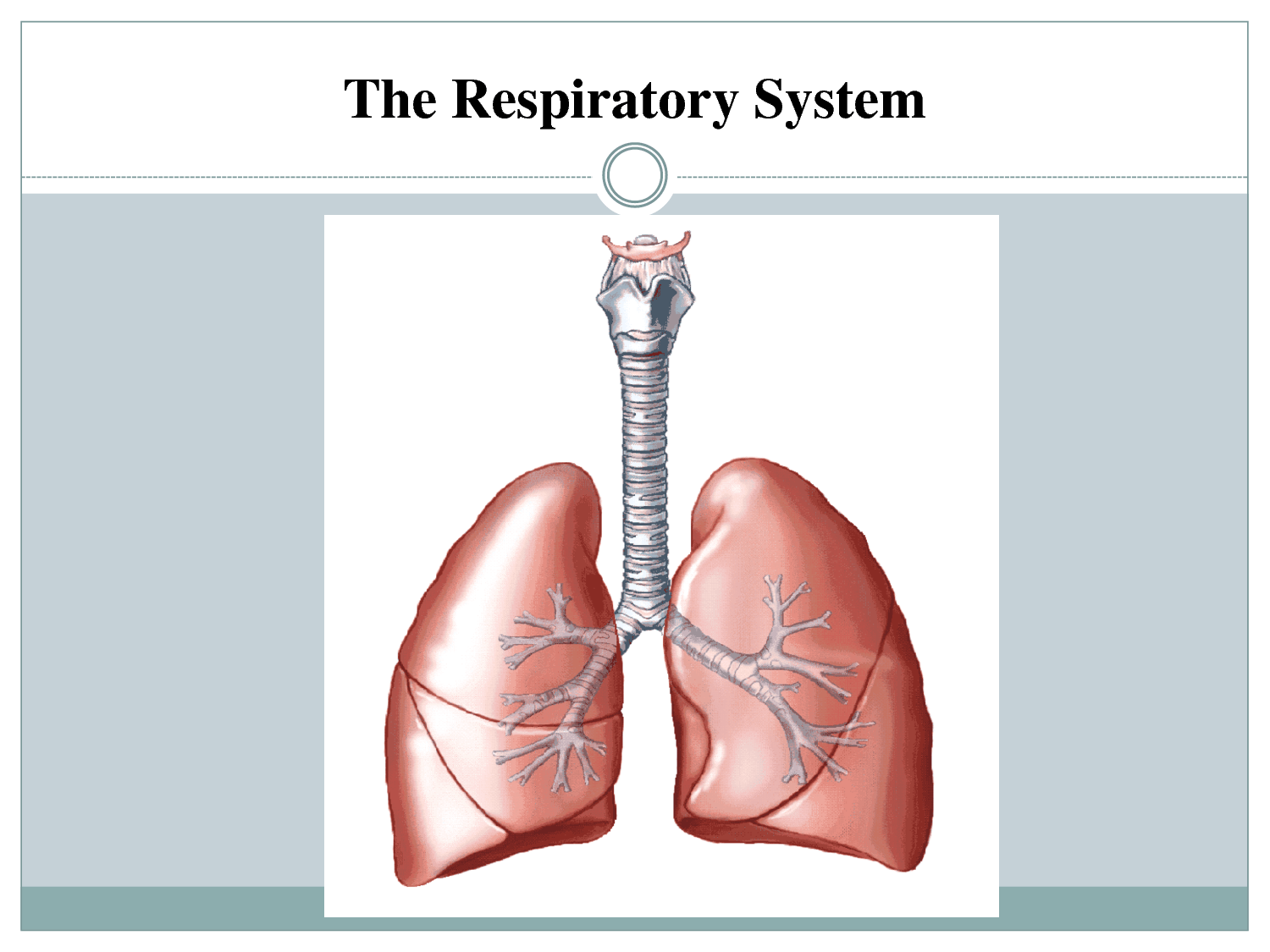
What is the main function of the respiratory system?
a)
to provide oxygen and remove carbon dioxide from the body
b)
to bring oxygen to the body
c)
to break down food and absorb nutrients
d)
to remove oxygen from the body and deliver carbon dioxide
22.
Which organelle belongs in plant cells only?
a)
Cytoplasm
b)
Mitochondrion
c)
Large Central Vacuole
d)
Cell Membrane
23.
What is the main function of the excretory system?
a)
to collect and remove wastes from the body
b)
to strengthen skeletal muscles
c)
to protect the nervous system
d)
to bring oxygen to body cells
24.
What is organ 1.
a)
Kidney
b)
Ureter
c)
Bladder
d)
Urethra
25.
The main job or purpose of the muscular system is to:
a)
Keep the heart beating
b)
Move the body
c)
Protect internal organs
d)
Transfer oxygen
26.

What organelle is responsible for creating energy for the cell?

a)

Golgi Body

b)

Mitochondria

c)

Nucleus

d)

Endoplasmic Reticulum

27.
The powerhouse of the cell is the...It converts energy from food into energy the cell can use
a)
Mitochondrion
b)
Golgi body
c)
Nucleus
d)
Ribosomes
28.
Why do we eat food?
a)
To keep our stomachs full
b)
To put oxygen into the body cells
c)
To get nutrients and energy
d)
To make waste products
29.
The main function of the circulatory system is 
a)
To give the body structure and support
b)
Excrete waste
c)
transport blood, nutrients, and gases throughout the body
d)
to transport messages from the body to the brain
30.
The circulatory system works with the __________ system to obtain energy from nutrients that we eat. 
a)
respiratory 
b)
digestive
c)
skeletal
d)
nervous
31.
Consists of a jellylike substance that contains many organelles.
a)
ribosomes
b)
cytoplasm
c)
chloroplasts
d)
cell wall
32.

The 3 parts of the Cell Theory are...?

a)

All living things are composed of cells

Cells are the basic units of structure and function in living things

All cells are produced from other cells

b)

All living things are composed of cells

Cells are the basic units of dance and vibes in living things

All cells are destroyed from other aliens

c)

All living things are composed of Jell-O

Cells are the basic units of structure and function in living things

All cells are produced from factories in Canada

d)

All living things are composed of cells

Cells do karate and practice eating whole pies in their free time

All cells are produced from other cells

33.
How many parents does asexual reproduction involve?
a)
one 
b)
two
c)
three
d)
four
34.
The offspring from asexually reproduced organisms are?
a)
Different than their parents
b)
Identical to parents
c)
Like a combination from both parents
d)
A different species
35.
If two organisms reproduce sexually, then their offspring will exhibit a genetic makeup that is -
a)
identical to only one parent
b)
identical to all of its siblings
c)
a unique combination of traits
d)
the recessive traits of each parent
36.
All of the offspring of an organism have the same genetic material, which is identical to the parent organism. From this, we can conclude that this organism -
a)
makes its own food
b)
is unicellular
c)
live in a marine habitat
d)
reproduces asexually
37.
The genetic material of an offspring of sexually reproducing organisms is best described as–
a)
identical to that of the other offspring
b)
a copy of the genetic material of the mother
c)
a copy of the genetic material of the father
d)
genes from both parents, in unique combinations
38.
Is the following asexual or sexual reproduction?
A labradoodle is a type of dog that is crossed between a labradoor retriever and a poodle.  The labradoodle puppy takes on the traits of both of its parents.  Female dogs have a pregnancy period of almost 70 days.
a)
Sexual
b)
Asexual
39.

The __________ system carries oxygen and nutrients to all parts of our bodies?

a)

respiratory

b)

circulatory

40.

What do we call the movement of

blood through the heart and around the body?

a)

circulation

b)

transportation

c)

digestion

d)

breathing

41.

When we breathe in, our bodies use _________ to live.

a)

carbon monoxide

b)

carbon dioxide

c)

nitrogen

d)

oxygen

42.

The function of the cell membrane is....

a)

to regulate what enters and leaves the cell.

b)

fight bacteria and viruses that enter the cell.

c)

provide rigid support and protection to the cell.

d)

make sure each cell can move

43.
made up of chromosomes and determines the genetic traits.
a)
cytoplasm
b)
mitochondria
c)
organelles
d)
DNA
44.
Which one of the following organelles is not found in a an animal cell?
a)
cell membrane
b)
nucleus
c)
chloroplast
d)
endoplasmic reticulum
45.

Endocrine glands secrete _

a)

Hormones

b)

Neurotransmitters

c)

A wide range of chemical substances

46.

What is the endocrine system?

a)

A system of vessels that circulates blood around the body.

b)

A group of bones and tissue that provides support and structure for the body.

c)

A group of glands that work together with the nervous system to coordinate all body functions

d)

A group of organs that is responsible for eliminating wastes.

47.
Which of the following describes the main advantages of sexual reproduction
a)
requires lots of time/energy
b)
no new gene combos can arise 
c)
diversity
d)
looks identical to the parent
48.

Where is the genetic material found in the cell?

a)

Cytoplasm

b)

Cell Wall

c)

Nucleus

d)

Vacuole

49.
The ___________ is the basic unit of life
a)
organ
b)
cell
c)
atom
d)
tissue
50.

The information that is passed from parent to offspring:

a)

cell

b)

gene

c)

trait

d)

nucleus

51.

The trait that will always be expressed if one copy of an allele is present.

a)

recessive

b)

dominant

c)

co-dominant

52.

The trait that will be expressed only if two copies of the allele are present.

a)

recessive

b)

dominant

c)

co-dominant

53.
What is the percentage of homozygous recessive offspring?
a)
0%
b)
25%
c)
50%
d)
75%
54.
Green peas are dominant (G) to yellow peas (g). What is the genotype for a hetereozygous dominant offspring?
a)
Gg
b)
gg
c)
GG
55.
What percentage of the offspring will be purebred dominant?
a)
0%
b)
25%
c)
50%
d)
75%
56.
D = dimples        d = no dimples 
What is the genotype for a homozygous recessive offspring?
a)
DD
b)
Dd
c)
dd
57.
Round (R) seeds are dominant to wrinkled (r) seeds.
What is the genotype for a homozygous dominant offspring?

a)
RR
b)
Rr
c)
rr
58.
The passing of traits from parents to offspring
a)
heredity
b)
genetics
c)
trait
d)
alleles