Wayground logo

Free Printable Worksheets

Font size

S
M
L
XL
Worksheets

C7 & C8 Trilogy AQA #ForestHorsham

Total questions: 53

Worksheet time: 56mins

Name
Class
Date
1.
According to which law of energy, energy can't be created or destroyed?
a)
First law of motion
b)
The law of tacos
c)
Laws of Energy
d)
law of conservation of energy
2.
In an exothermic reaction, heat is ...
a)
taken in or absorbed
b)
given out or released
3.
In an endothermic reaction, heat is ...
a)
taken in or absorbed
b)
given out or released 
4.
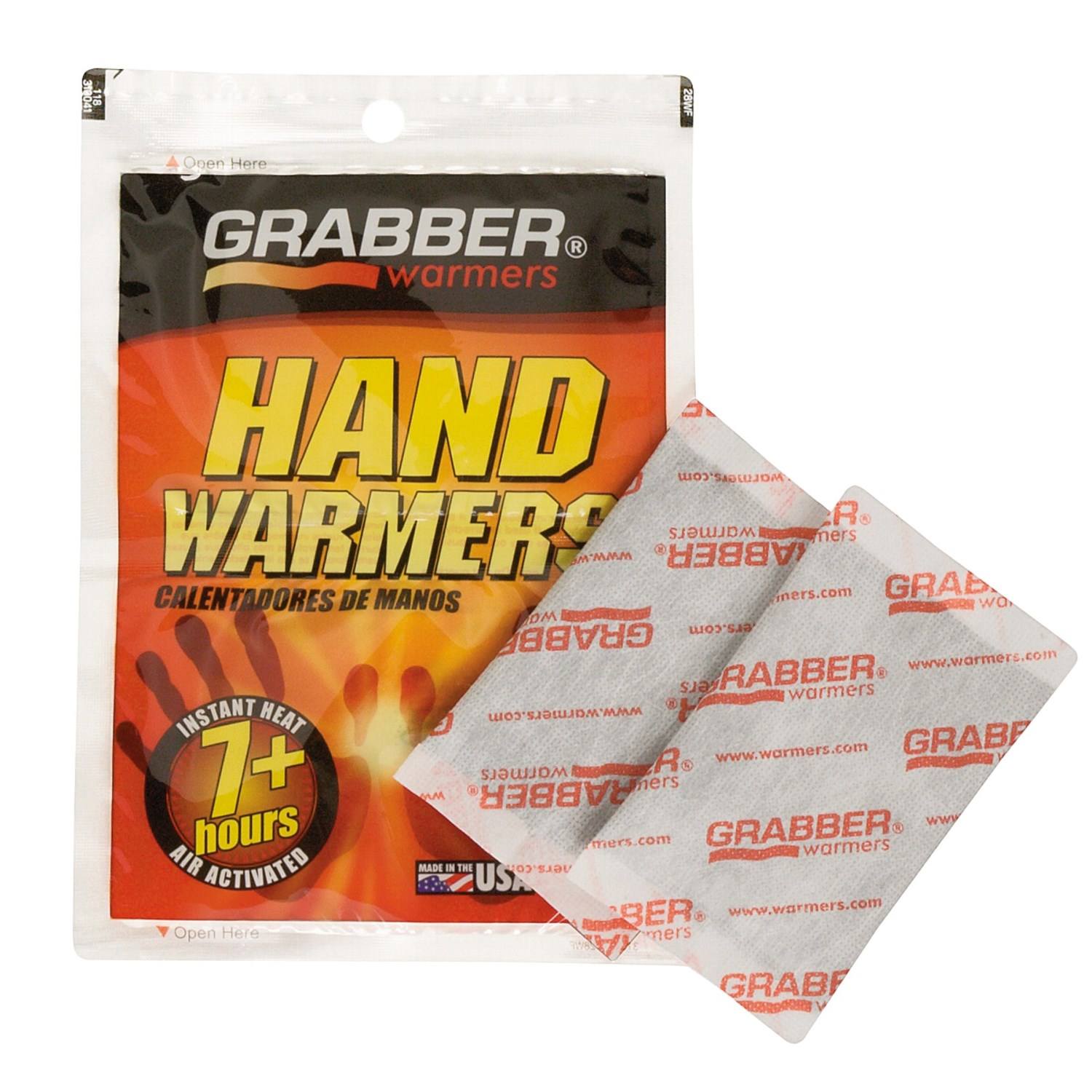
What type of reaction occurs in a hand warmer
a)
exothermic
b)
endothermic
5.
Exothermic reactions...
a)
Absorb energy
b)
Release energy
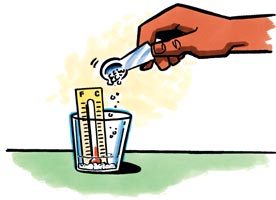
c)
Release Color
d)
Absorb Color
6.
Is photosynthesis an exothermic or endothermic reaction?
a)
Endothermic
b)
Exothermic
c)
Neither
7.
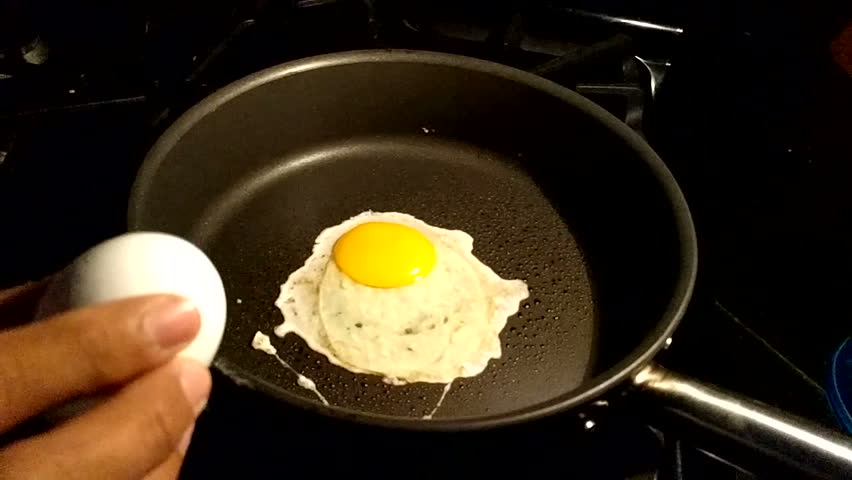
Baking bread and cooking an egg are examples of....?
a)
Endothermic processes
b)
Exothermic processess
c)
None of these 
8.
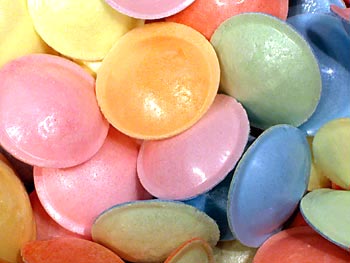
Have you ever eaten sherbet sweets candy? They fizz in your mouth and your tongue feels cold. Why do you think that is?
a)
It is an exothermic reaction
b)
It is an endothermic reaction
c)
It is made of ice
d)
It is dissolving your mouth
9.
When you freeze water, it turns to ice.  What kind of change is this?
a)
 Physical
b)
Chemical
10.
Which letter corresponds to the energy of the products?
a)
A
b)
B
c)
C
d)
D
11.
Which letter corresponds to the energy of the reactants?
a)
A
b)
B
c)
C
d)
D
12.
Which letter corresponds to the activation energy of the forward reaction?
a)
A
b)
B
c)
C
d)
D
13.
According to collision theory, what must the reactants have in order to form products?
a)
The right size
b)
The right shape
c)
Enough energy
d)
Nothing
14.
Increase in temperature of the reactants can do one of the following
a)
Slow collision frequency
b)
Allow less effective collision between the particles
c)
Cause particles to lose speed
d)
Increase collision between the particles thus increasing the rate.
15.
Which factors increase the rate of a reaction.
a)
increasing temperature
b)
increasing concentration
c)
increasing surface area
d)
all of these
16.
Which letter corresponds to the activation energy of the reverse reaction?
a)
A
b)
C
c)
E
d)
F
17.

List four factors that affects the rate of a reaction

a)

temperature

b)

concentration

c)

surface area

d)

volume

e)

catalysts

18.

A temperature increase causes the particles ......

a)

to slow down

b)

move faster

c)

collide higher

d)

in the right order

19.

How does a catalyst work in speeding up a reaction?

a)

By lowering the activation energy or reaction

b)

by giving them more energy

c)

by making them more available

20.
The following graph shows two different reaction pathways for the same overall reaction at the same temperature. Which pathway is slower and why?
a)
Red, because the activation energy is larger
b)
Blue, because the activation energy is lower
c)
both reaction progress at the same rate
21.

Why does a higher concentration increase the rate of reaction?

a)

it increases the amount of reactants

b)

it lowers the activation energy

c)

it increases the energy of particle collisions

d)

it increases the frequency of particle collisions

22.

Why does a higher temperature increase the rate of a reaction?

a)

it increases both the frequency and energy of particle collisions

b)

it only increases the frequency of particle collisions

c)

it only increases the energy of particle collisions

d)

it reduces the activation energy of the reaction

23.

The ______________is required to break the bonds of the reactants.

a)

Carbonic energy

b)

Activation energy

c)

Plutonic energy

d)

Energi Gaib

24.
Why don't all collisions between particles cause a reaction?
a)
the particles also need to collide with a catalyst
b)
not all the particles collide with enough energy
c)
not all the particles collide at a high enough temperature
d)
the particles need to collide with each other twice
25.
Located on the left side of the reaction
a)
reactants
b)
products
26.
Grinding a seltzer tablet into powder increases the rate of reaction due to increased
a)
concentration
b)
surface area
c)
temperature
d)
reactants
27.

What type of reactions can able to change products back to the their original form?

a)

Reversible reactions

b)

Irreversible reactions

c)

Combustion reactions

d)

Combination reactions

28.

Which of the following changes is irreversible change?

a)

Melting of ice cube

b)

Heating hydrated CuSO4

c)

Frying an egg

d)

Thermal decomposing NH4Cl

29.

If a reversible reaction is exothermic in the forward direction, it will be ...

a)

exothermic in the reverse direction

b)

endothermic in the forward direction too

c)

endothermic in the reverse direction

d)

not involve energy in reverse direction

30.

Heating aqueous Copper sulfate gives

a)

Black powder

b)

Orange juice

c)

White powder

d)

Blue powder

31.

What is a closed system

a)

It gives out energy

b)

The reactants and the products do not escape from reaction mixture

c)

It takes in energy

d)

The reactants and the products escape from he reaction mixture to be kept in the system

32.
Define 'Enthalpy'
a)
a) Energy stored in the movement of molecules in a substance
b)
b) The opposite of temperature
c)
c) The temperature of a molecule
d)
d) Energy stored in the chemical bonds in a substance
33.
Describe the energy change that takes place when bonds are broken. 
a)
a) Energy is given out 
b)
b) Energy is taken in 
c)
c) Energy is taken in and then given out 
d)
d) Energy is given out and then taken in
34.
Diagram below shows
a)
Standard lattice enthalpy
b)
Standard enthalpy of precipitation
c)
Standard enthalpy of formation
d)
Standard enthalpy of hydration
35.

Concentration is

a)

the amount of solute in the solvent

b)

the amount of solvent in the solute

c)

density

d)

particle size

36.

Which solution is more concentrated?

Solution 1:

500 mL of water

100 g of salt


Solution 2:

500 mL of water

90 g of salt

a)

Solution 1

b)

Solution 2

c)

They have the same concentration

d)

I have no idea

37.

Increasing pressure means that particles are ___________ together.

a)

Happy

b)

Never

c)

Paired

d)

Closer

38.

As the frequency of ______________ increases, the rate of reaction increases.

a)

Time

b)

Reactions

c)

Collisions

d)

Reactants

39.
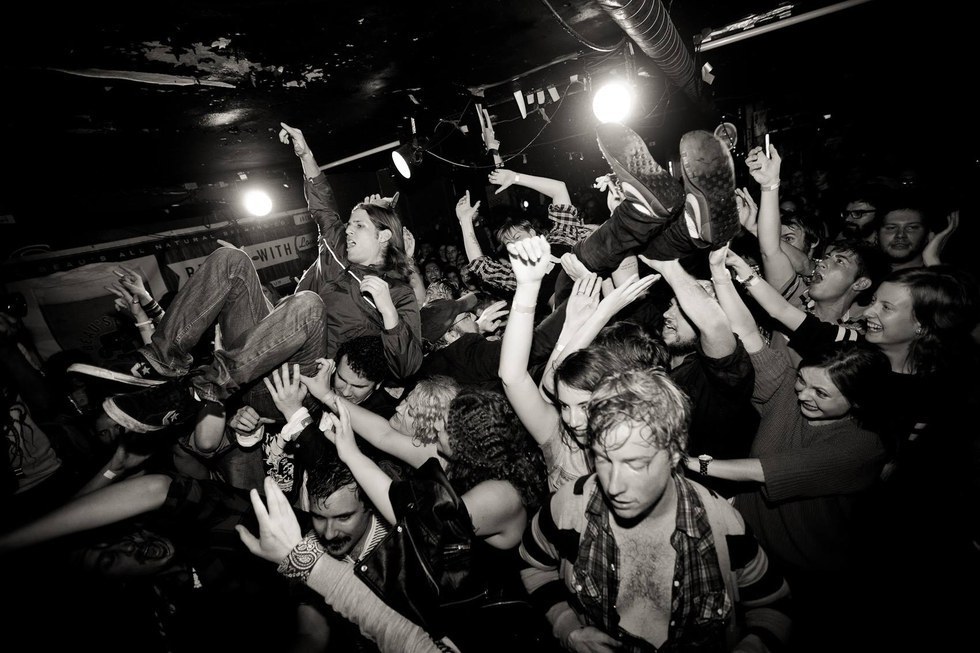
You add more bodies into a "mosh pit" to hope for more collisions.  You have increased-
a)
temperature
b)
concentration
c)
pressure
d)
catalyst
40.
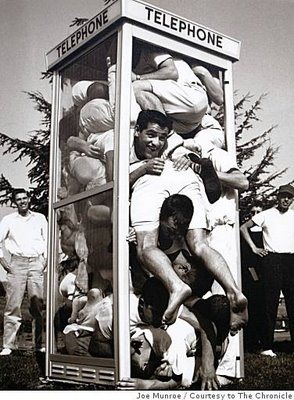
You make a space much smaller hoping to increase the reaction rates.
a)
temperature
b)
concentration
c)
catalyst
d)
pressure
41.
Products will form faster if____________
a)
the particle size of the reactants are larger.
b)
temperature is decreased.
c)
concentration of the reactants are increased.
d)
the reaction is not stirred.
42.
A ______________ is a substance that increases the rate of a reaction without being used up during the reaction. 
a)
catalyst
b)
product
c)
reactant
d)
solute
43.
Catalysts permit reactions to proceed along a ___________energy path.
a)
lower
b)
higher
44.
A catalyst increases the efficiency of collisions between reactants.
a)
true
b)
false
45.
You observe bubbles after adding metal to a solution. Do you assume a chemical reaction took place?
a)
Yes
b)
No
46.
A solution is heated and bubbles form. Do you assume a chemical reaction took place?
a)
Yes
b)
No
47.
Two clear and colorless solutions are combined within a test tube. The result is very cloudy. Do you assume a chemical reaction took place?
a)
Yes
b)
No
48.
Metal is added to a solution in a test tube. The test tube now feels cooler. Do you assume a chemical reaction took place?
a)
Yes
b)
No
49.
When the rate of the forward reaction is equal to the rate of backward reaction, the system is said to be in
a)
Chemical Equilibrium
b)
Chemical Balance
c)
Chemical Constant
d)
Chemical Reaction
50.
Define chemical equilibrium.
a)
A reaction is reversible.
b)
The concentration of the reactants is equal to the concentration of the products.
c)
The rate of a forward reaction is equal to the rate of the reverse reaction.
d)
The reaction stops and no further change in concentration occurs.
51.
The idea that when a system at equilibrium is stressed, it will react to relieve that stress and return to equilibrium is known as:
a)
Boyle's Law
b)
Le Chatelier's Principle
c)
Charles Law
d)
Denninger's Law
52.
For the reaction...
N2 (g) +  3 H2 (g) <−> 2 NH3 (g)

If the pressure in the system is increased,  which substance will increase in concentration?

a)
N2
b)
H2
c)
N2 and H2
d)
NH3
53.
Changes in pressure will only affect substances that are in the __________ state.
a)
gaseous
b)
liquid
c)
solid
d)
plasma