wayground logo

Free Printable Worksheets

Font size

S
M
L
XL
Worksheets

Midterm Review 2020

Total questions: 85

Worksheet time: 7hrs 52mins

Name
Class
Date
1.
How many valence electrons does Barium (Ba) have?
a)
1
b)
2
c)
5
d)
6
2.

An ionic compound forms between a _______ and _______.

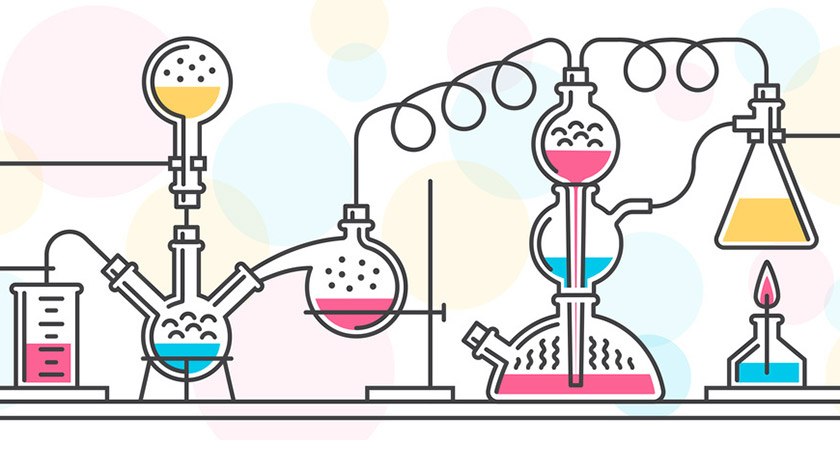
a)

metal and non-metal

b)

two metals

c)

two non-metals

3.

Name the ionic compound, LiCl

a)

lithium chlorine

b)

lithium chloride

c)

lithium chlorate

d)

lithium monochloride

4.
A cation is a ____ ion.
a)
negative
b)
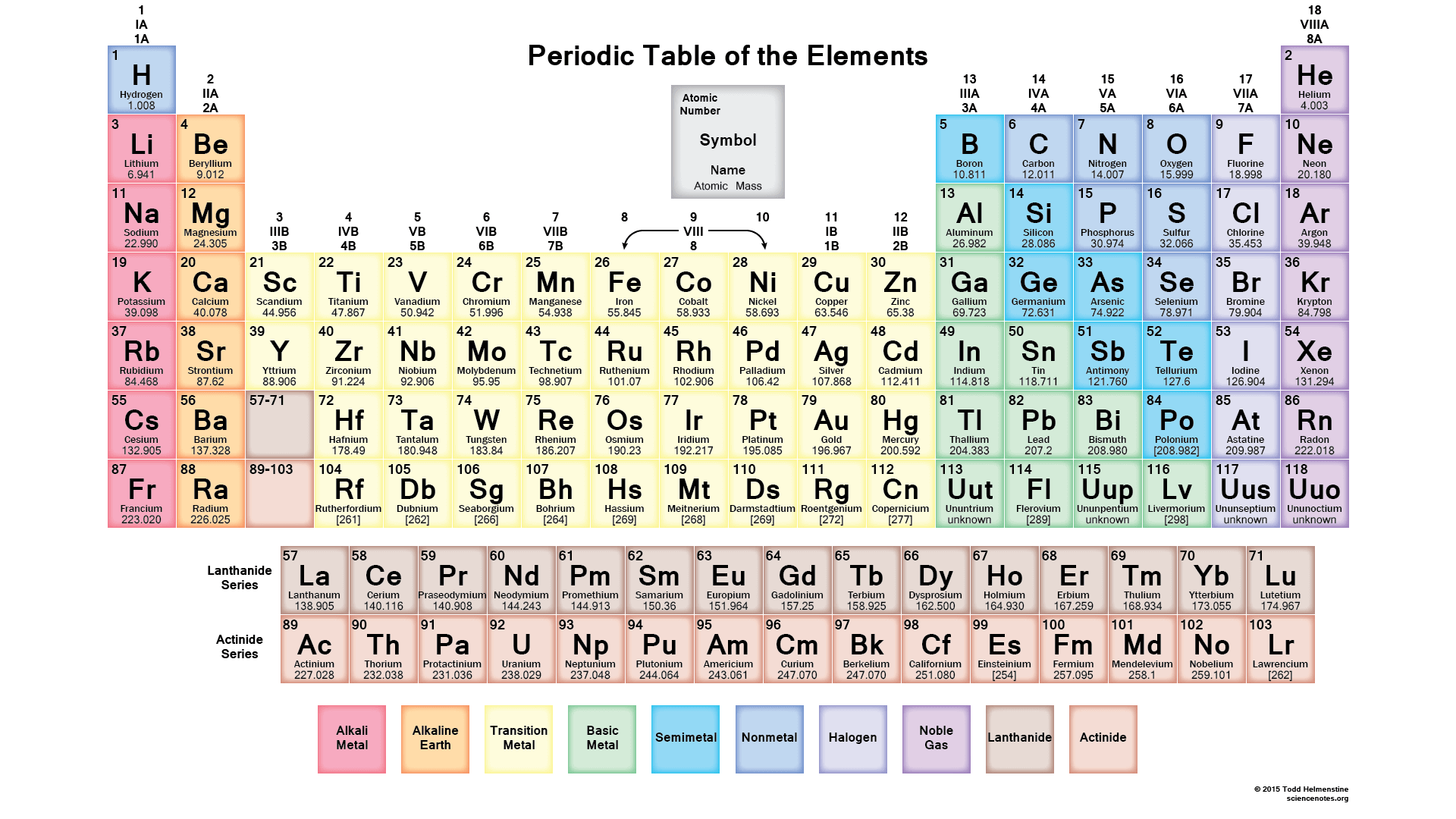
positive
c)
neutral
d)
ficticious
5.
A charged particle that has gained or lost electrons is called a _____.
a)
molecule
b)
ion
c)
isotope
d)
element
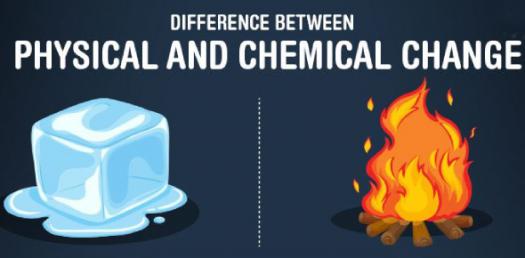
6.
A anion will be a ____ ion.
a)
negative
b)
positive
c)
neutral
d)
ficticious
7.
Nitrogen will form which of the following ions?
a)
N
b)
N-3
c)
N-5
d)
N+5
8.
Beryllium will ____ valence electrons when forming an ionic bond.
a)
lose 4
b)
gain 4
c)
lose 2
d)
gain 2
9.
In the compound aluminum oxide, which is the cation?
a)
Al+3
b)
Al
c)
O-2
d)
O
10.
Ionic bonds form between metals and ____.
a)
metalloids
b)
metals
c)
nonmetals
11.
Name this formula: 
Al2O3
a)
Aluminum Oxide
b)
Aluminum Oxygen
c)
Antimony Oxide
d)
Aluminum (VII) Oxide
12.

K ionizes to a charge of _________.

a)

+1

b)

+2

c)

-1

d)

-2

13.

Be ionizes to a charge of ________.

a)

+1

b)

+2

c)

-1

d)

-2

14.

P ionizes to a charge of _______.

a)

+3

b)

-3

c)

+2

d)

-2

15.
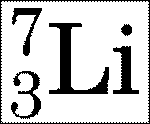
How many protons are in this atom?
a)
3
b)
4
c)
6
d)
10
16.
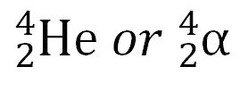
What do these symbols represent?
a)
alpha particle
b)
beta particle
c)
neutron
d)
gamma ray
17.
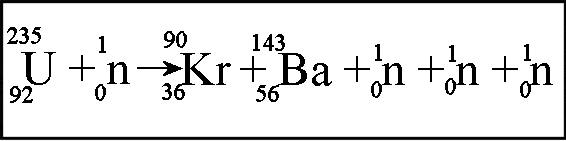
What process is modeled by the equation?
a)
alpha decay
b)
beta decay
c)
fission
d)
fusion
18.
What process is modeled with this equation?
a)
alpha decay
b)
beta decay
c)
fission
d)
fusion
19.
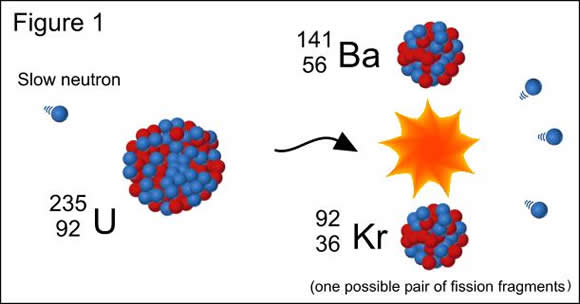
Which nuclear process is shown in the picture?
a)
fission
b)
fusion
c)
alpha decay
d)
beta decay
20.
What is the charge on a lithium atom that looses 1 electron?
a)
+1
b)
0
c)
-1
d)
-2
21.
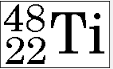
How many protons does this isotope of titanium have? Hint titanium has an atomic number of 22.
a)
48
b)
22
c)
26
d)
70
22.
What element is this?  What is the mass number of this atom?
a)
sodium, 23
b)
magnesium, 23
c)
magnesium, 12
d)
sodium, 11
23.
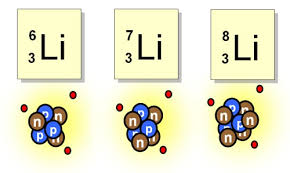
Which atom has  4 neutrons?
a)
Li-6
b)
Li-7
c)
Li-8
d)
they have the same # of neutrons
24.

A negatively charged ion that has gained electrons to satisfy the octet rule (metals do this)

a)

Anion

b)

Cation

c)

Neutral Atom

d)

Isotope

25.

A positively charged ion that has lost electrons to satisfy the octet rule (non-metals do this)

a)

Anion

b)

Cation

c)

Neutral Atom

d)

Isotope

26.

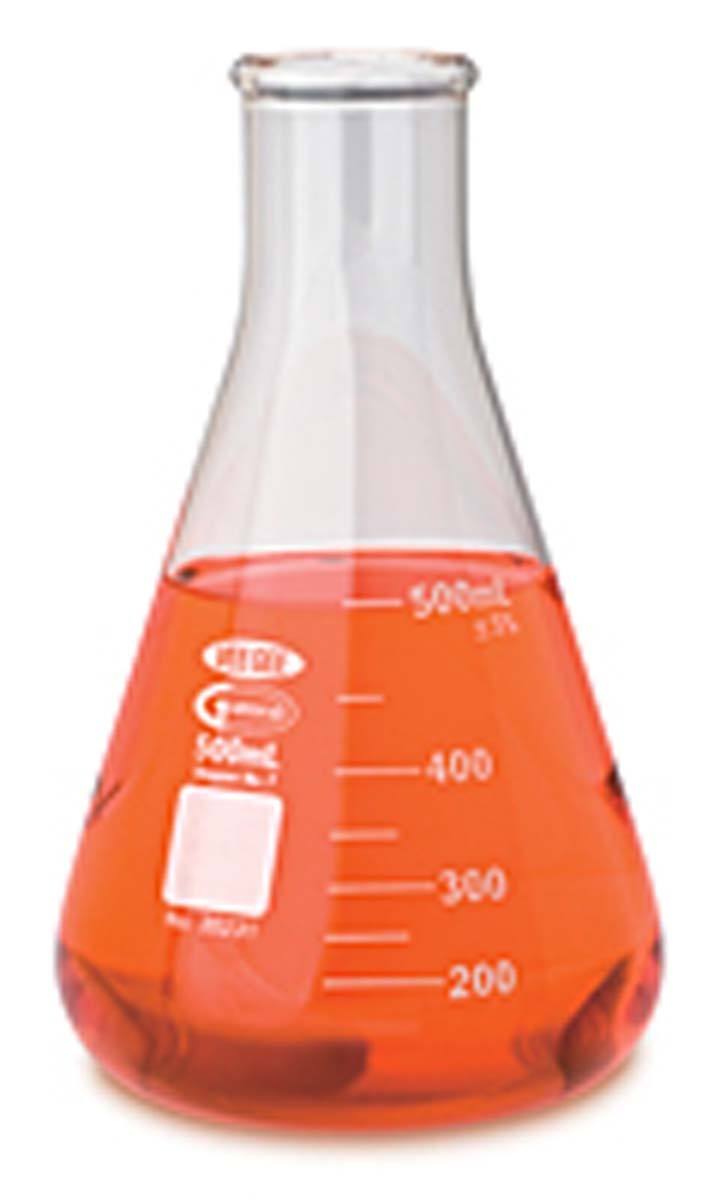
What is used to measure, heat, and mix large amounts of liquids?

a)

Beaker

b)

Flask

c)

Test Tube

d)

Graduated Cylinder

27.

What is used to swirl, mix, or store chemicals?

a)

Beaker

b)

Flask

c)

Test Tube

d)

Graduated Cylinder

28.
What is used to protect your eyes from chemicals, broken glass, and fire?
a)
Fire blanket
b)
Eye wash
c)
Goggles
d)
Flask
29.
What is used to measure the volume of liquids more precisely in milliliters?
a)
Beaker
b)
Flask
c)
Graduated Cylinder
d)
Test tubes
30.
Which is the correct name for CaBr2?
a)
Calcium Bromine
b)
Bromine Calcium
c)
Calcium Bromide
31.
What is the name for LiF?
a)
Lithium Fluoride
b)
Lithium Fluorine
c)
Fluorine Lithide
32.
Nitrogen will ____ valence electrons when forming an ionic bond.
a)
gain 1
b)
lose 1
c)
gain 3
d)
lose 3
33.
Beryllium will ____ valence electrons when forming an ionic bond.
a)
lose 4
b)
gain 4
c)
lose 2
d)
gain 2
34.
Boron will ____ valence electrons when forming an ionic bond.
a)
lose three
b)
gain three
c)
lose 5
d)
gain 5
35.
What will be the compound name of the following chemical formula?
NaCl
a)
Potassium Chloride
b)
Sodium Chloride
c)
Calcium Chloride
d)
Sodium Chlorine
36.
Ionic bonds form between metals and ____.
a)
metalloids
b)
metals
c)
nonmetals
37.
What is at the center of every atom?
a)
An electron
b)
A compound
c)
A molecule
d)
A nucleus
38.
Which two particles make up the nucleus of an atom?
a)
Protons and Electrons
b)
Protons and Neutrons
c)
Molecules and Compounds
d)
Neutrons and Electrons
39.
In an atom, what is the number of protons equal to?
a)
The number of electrons.
b)
The number of neutrons.
c)
The number of molecules.
d)
The number of nuclei.
40.
The particles with no charge in an atom are the _______.
a)
electrons
b)
neutrons
c)
protons
d)
protons and neutrons
41.
The positively charged particles of an atom are the ________.
a)
electrons
b)
protons
c)
neutrons
d)
protons & neutrons
42.
The negatively charged particles of an atom are the ______.
a)
electrons
b)
protons
c)
neutrons
d)
protons & neutrons
43.
What number indicates an electron?
a)
1
b)
2
c)
3
d)
4
44.

Isotopes of an element have a different number of...

a)

Protons

b)

Neutrons

c)

Electrons

d)

Mass

45.

Potassium-39 has how many neutrons?

a)

19

b)

18

c)

20

d)

21

46.

9 protons and 9 neutrons

a)

Fluorine-18

b)

Fluorine-9

c)

Fluorine-16

d)

Fluorine-18.998

47.

The vertical (up and down) columns in the Periodic Table are called

a)

groups

b)

towers

c)

periods

d)

atomic numbers

48.
The Modern Periodic Table of Elements is arranged by
a)
atomic mass
b)
atomic number
c)
valence electrons
d)
number of isotopes
49.
Sodium (Na) is found in period 
a)
3
b)
2
c)
4
d)
1
50.
Sodium (Na) is found in group 
a)
1
b)
2
c)
3
d)
4
51.
The family in the periodic table that contains the most reactive metals is the_______
a)
Alkaline Earth Metals
b)
Transition Metals 
c)
Alkali Metals
d)
Other Metals
52.
Which is a halogen?
a)
Helium
b)
Chlorine
c)
Oxygen
d)
Neptune
53.

Most noble gases have _______ valence electrons.

a)

1

b)

2

c)

7

d)

8

54.

Which two elements on the periodic table are in the same period?

a)

Sn and Rb

b)

K and Ba

c)

F and Cl

d)

Se and Te

55.

The horizontal rows on the periodic table, which indicate the number of energy levels/orbitals that an atom has, are called ___________.

a)

Periods

b)

Element

c)

Atomic Number

d)

Group

56.

Which element would have the same number of energy levels or orbitals as Zinc?

a)

Cadmium

b)

Krypton

c)

Silver

d)

Tin

57.
Is silicon a metal, nonmetal or metalloid?
a)
Metal
b)
NonMetal
c)
Metalloid
58.

Which of the following would be most similar to Phosphorus? (select all that apply)

a)

Nitrogen (N)

b)

Sulfur (S)

c)

Silicon (Si)

d)

Germanium (Ge)

e)

Antimony (Sb)

59.

What group number are the alkaline earth metals?

a)

1

b)

2

c)

17

d)

18

60.
What is true about a neutral atom?
a)
The number of protons equal the number of neutrons
b)
The number of protons equal the number of electrons
c)
The number of neutrons equal the number of electrons
d)
The number of protons, neutrons, and electrons are all different
61.
The nucleus is ____________ charged whereas the electron cloud is ____________ charged. 
a)
negatively, positively
b)
negatively, negatively
c)
positively, positively
d)
positively, negatively
62.

Color is what type of property?

a)

Physical

b)

Chemical

63.

Reactivity is what type of property?

a)

Physical

b)

Chemical

64.

What is a sign of a physical change?

a)

Bubbles forming

b)

Color changing

c)

Stretching

d)

Producing heat

65.

Which of the following changes is a physical change of matter?

a)

water evaporating

b)

paper burning

c)

a nail rusting

d)

a silver spoon tarnishing

66.
What is matter?
a)
a pure substance
b)
anything that occupies space and possesses mass
c)
an element
d)
a compound
67.
Which of the following is not a chemical property? 
a)
rusting 
b)
boiling 
c)
rotting 
d)
burning 
68.
Which units of measurement are used for volume?
a)
grams
b)
centimeters
c)
grams/milliliter
d)
milliliter
69.
K20 - name?
a)
potassium dioxide
b)
potassium oxide
c)
potassium oxygen
d)
dipotassium dioxide
70.
Name this compound.
MgF2
a)
magnesium fluoride
b)
manganese Phosphide
c)
magnesium(III) fluoride
d)
magnesium fluoride(II)
71.
Name the compound Na2O
a)
Sodium Oxide
b)
Sodium Dioxide
c)
Sodium Oxygen
d)
Natride Oxide
72.
Beryllium is in group number______.
a)
Group 2
b)
Group 3
c)
Group 4
d)
Group 7
73.
Elements in the same ________ are more chemically similar.
a)
group
b)
period
c)
club
d)
table
74.
Elements in the same ________ are more chemically similar.
a)
group
b)
period
c)
club
d)
table
75.

Name group 1A on the periodic table.

a)

alkali metals

b)

alkaline earth metals

c)

noble gases

d)

halogens

76.
Name group 2A on the periodic table.
a)
alkali metals
b)
alkaline earth metals
c)
noble gases
d)
transition metals
77.
Name groups 3B - 12B on the periodic table.
a)
noble gases
b)
halogens
c)
metalloids
d)
transition metals
78.
Name group 8A on the periodic table.
a)
alkali metals
b)
alkaline earth metals
c)
transition metals
d)
noble gases
79.
Name group 7A on the periodic table.
a)
transition metals
b)
metalloids
c)
halogens
d)
alkali metals
80.
Which group has the most reactive nonmetals?
a)
alkali metals
b)
noble gases
c)
metalloids
d)
halogens
81.
The atoms along the staircase are called 
a)
metals
b)
nonmetals
c)
metalloids
d)
noble gases
82.
If Thorium-234 undergoes a beta decay, What element will be left in its place?
a)
Actinium-234
b)
Thorium-233
c)
Protactinium-234
d)
Radium-230
83.

finish the equation


22688Ra --> ____ + 22688Ra

a)

42He

b)

0-1e

c)

y

84.

finish the equation


18173Ta --> ____ + 18174W

a)

42He

b)

0-1e

c)

y

85.

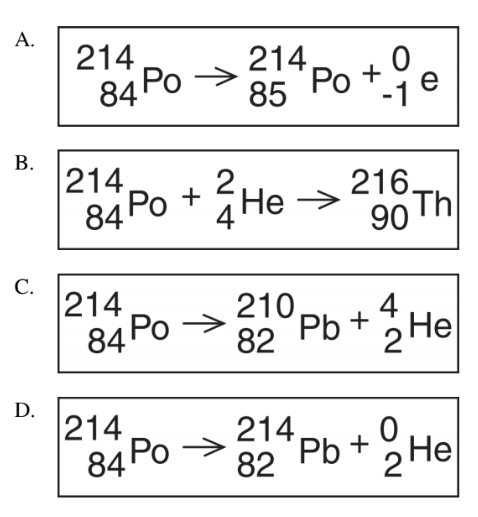
Which equation correctly represents the alpha decay of polonium-214?

a)

A

b)

B

c)

C

d)

D