wayground logo

Free Printable Worksheets

NEW

Font size

S
M
L
XL
Worksheets

DNA, RNA, and Protein Synthesis

Total questions: 50

Worksheet time: 2hrs 31mins

Name
Class
Date
1.
A portion of mRNA is coded CUG. The corresponding DNA is coded
a)
GAC
b)
GTC
c)
CTG
d)
CAG
2.
A portion of DNA reads GAG. The corresponding mRNA would be
a)
GUG
b)
GTG
c)
CTC
d)
CUC
3.
DNA polymerase and RNA polymerase are similar in that they
a)
are both enzymes
b)
both are involved in making new polymers
c)
both can be found doing work in the cell nucleus
d)
all of these things are true
4.
DNA polymerase and RNA polymerase are different in that they
a)
are involved in synthesis of different polymers
b)
DNA is a biological catalyst and RNA is not
c)
DNA polymerase synthesizes proteins and RNA polymerase synthesizes carbohydrates
d)
Stop trying to trick me; none of these are true!
5.
The process of creating RNA using DNA as the template is
a)
translation
b)
transcription
c)
translocation
d)
Transylvania
6.
In RNA, uracil takes the place of the DNA nitrogen base called
a)
guanine
b)
cytosine
c)
thymine
d)
adenine
7.
In eukaryotes, molecule 1 is found in
a)
ribosomes
b)
chloroplasts
c)
cytoplasm
d)
the nucleus
8.
Molecule 3 is synthesized in 
a)
ribosomes
b)
chloroplasts
c)
the cell membrane
d)
the nucleus
9.
I am a single strand.
a)
DNA
b)
RNA
10.
I am arranged as a double helix or "twisted ladder".
a)
DNA
b)
RNA
11.
I include the bases Guanine, Cytosine, Adenine and Thymine.
a)
DNA
b)
RNA
12.
I include the bases Guanine, Cytosine, Adenine and Uracil .
a)
DNA
b)
RNA
13.
I have the sugar ribose.
a)
DNA
b)
RNA
14.

There are 3 types of

a)

DNA

b)

RNA

15.
Where does transcription take place?
a)
nucleus
b)
cytoplasm
c)
ribosome
16.
What is the term for a three-nucleotide sequence that codes for an amino acid?
a)
base
b)
codon
c)
amine
d)
serine
17.
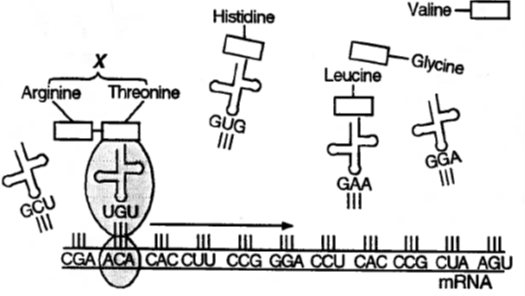
The diagram shows the process of
a)
Transcription
b)
Translation
c)
Replication
d)
Mitosis
18.
The DNA nucleotide is composed of three parts. Which two components make up the nucleotide backbone?
a)
ribose sugar and base
b)
ribose sugar and phosphate group
c)
nitrogen base and deoxyribose sugar
d)
deoxyribose sugar and phosphate group
19.
Which type of RNA delivers the genetic code to the ribosome?
a)
tRNA
b)
mRNA
c)
rRNA
d)
tmRtmRNA
20.
What is the function of transfer RNA?
a)
It is a part of the ribosome.
b)
It bonds to other RNA molecules, leading to their destruction.
c)
It delivers the correct amino acid to the ribosome.
d)
It carries the information coding for the amino acid sequence of a protein.
21.
How are the amino acids linked together during translation?
a)
by creating peptide bonds
b)
by creating hydrogen bonds
c)
by creating covalent bonds
d)
by creating phospate bonds
22.
Which correctly outlined the central dogma
a)
DNA --> mRNA --> rRNA
b)
DNA --> tRNA --> protein
c)
DNA --> mRNA --> protein
d)
DNA --> amino acid --> protein
23.
What will be the resulting mRNA from this DNA sequence:
GAT-TAC-AGA-TTA-CAT?
a)
CTA-ATG-TCT-AAT-GTA
b)
GAU-UAG-UGA-UUA-GUT
c)
CUA-AUG-UCU-AAU-GUA
d)
CAT-ACA-TAC-ATA-TAG
24.
What type of bonds hold the nitrogen bases in the DNA rungs together?
a)
ionic bonds
b)
hydrogen bonds
c)
peptide bonds
d)
james bonds
25.

What will be the complementary DNA sequence resulting from the following:

GAT-TAC-AGA-TTA-CAT?

a)

CTA-ATG-TCT-AAT-GTA

b)

GAU-UAG-UGA-UUA-GUT

c)

CUA-AUG-UCU-AAU-GUA

d)

CAT-ACA-TAC-ATA-TAG

26.
What is made during translation?
a)
transfer RNA
b)
messenger RNA
c)

polypeptide chain

d)
Spanish Rice
27.
a 3 nucleotide sequence of tRNA
a)
codon
b)
anticodon
28.
At what point in the cell cycle does DNA replication occur and why?
a)

before a cell divides (S phase), to provide each of the two resulting cells with a complete set of DNA instructions

b)

before a cell divides (S phase), to ensure that the DNA will fit into the resulting cells

c)
during cell division, to ensure that the DNA will fit into the resulting cells
d)
after a cell divides, to provide each of the two resulting cells with a complete set of DNA instructions 
29.
Which choice describes DNA after replication has taken place?
a)
one molecule with two original strands and one molecule with two new strands
b)
two molecules, each with one original and one new strand
c)
two molecules, each with two new strands
d)
 two molecules, each with two old strands
30.

What mutation has occurred here? 
T-G-A-C-C-A (original)
T-G-A-G-C-A

a)
Substitution
b)
Deletion
c)
Insertion
d)
Frameshift 
31.
ATTTGAGCC- Original
ATTGAGCC - Mutated
The example above is an example of a 
a)
Insertion- Frameshift
b)
Deletion- Substitution
c)
Deletion -Frameshift
d)
All of the above
32.
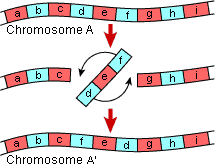
What type of chromosomal mutation is this?
a)
Translocation
b)
Inversion
c)
Deletion
d)
Duplication
33.
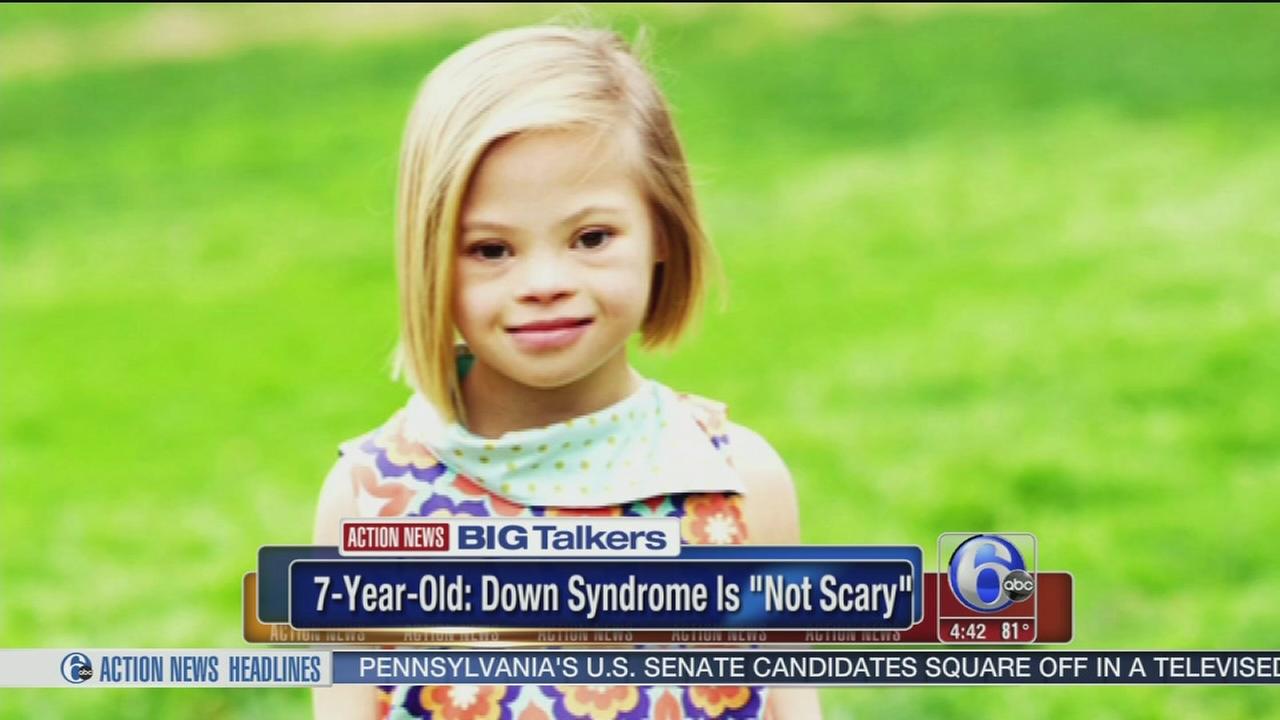
What process is going on in this photo? 
a)
Transcription 
b)
Translation 
c)
Replication 
d)
All the above 
34.
The function of _____ is to transport amino acids in the cytoplasm to the ribosome.
a)
rRNA
b)
tRNA
c)
mRNA
d)
DNA
35.
How many amino acids are coded for by this sequence of nucleotides:
ATG GGA ACT CCA
a)
4
b)
2
c)
6
d)
12
36.
Which of the following would result in a frameshift mutation?
a)
Insertions only
b)
Substitution only
c)
Deletion only
d)
Insertions and Deletions
37.
Any change in the sequence of DNA is...
a)
transgenic shift
b)
Single Genotype
c)
Monohybrid Trait
d)
Mutation
38.
This type of substitution codes for a stop codon
a)
Missense
b)
Nonsense
c)
Silent
d)
Deletion
39.
A type of substitution in which no  amino acids change is called 
a)
Missense
b)
Nonsense
c)
Silent
d)
Deletion
40.
DNA molecule segment is : TTACGCAAG
The mutated DNA segment is TTCGCAAG. This is an example of ___ mutation.
a)
Substitution
b)
Deletion
c)
Insertion
d)
Inversion
41.
If a mutation occurs in a body cell, will the trait be passed onto the organism's offspring?
a)
No, the trait is in a somatic cell
b)
Yes, the trait is in a somatic cell
c)
No, the trait must be in a sex cell
d)
Yes, the trait is in a sex cell
42.
If a cell has an abnormal number of chromosomes, usually from meiosis, what is this considered? Choose the best answer.
a)
Chromosome mutation
b)
Nondisjunction
c)
Sex-linked mutation
d)
Inversion
43.
Are all mutations harmful?
a)
Yes, they are caused by toxic chemicals and radiation
b)
No, all mutations are beneficial
c)
Yes, mutations cause fatal diseases
d)
No, some can be useful in a changing environment
44.

When do genetic mutations get passed from parent to offspring?

a)

When the Gametes (sex cells) are mutated

b)

When the mutation changes the order of DNA

c)

When the mutation occurs randomly

45.
Determine the sex of the individual whose karyotype is displayed in the image.
a)
female
b)
male
46.
What makes this individual's karyotype not normal?
a)

An extra sex chromosome (polyploidy)

b)

An extra autosome (trisomy)

c)

A missing sex chromosome (monosomy)

d)

A missing autosome (monosomy)

47.
Down's syndrome occurs because of a(n)
a)
missing sex chromosome
b)
extra sex chromosome
c)
additional 21st chromosome
d)
additional 18th chromosome
48.

What disorder is being shown and what is it caused by?

a)

Turner's Syndrome; nondisjunction

b)

Turner's Syndrome; deletion

c)

Kleinfelter's Syndrome; nondisjunction

d)

CtL; Translocation

49.

What nondisjunction mutation is being shown?

a)

Klinefelter's (XXY)

b)

Turner's Syndrome (X0)

c)

Downs Syndrome (trisomy 21)

d)

Cat Cry Syndrome (deletion of #5)

50.
Chromosome pairs 1-22 are referred to as
a)
sex chromosomes
b)
sister chromatids
c)
a karyotype
d)

autosomes