
 Worksheets
Body Systems TEST
Total questions: 60
Worksheet time: 3600secs

What is the function of the muscular system?
support
movement
sending messages
remove wastes

What is the function of the digestive system?
support and protect
breakdown food for energy
movement
produce hormones
Where does digestion begin?
small intestine
esophagus
mouth
pancrea
What 2 systems: Absorb and deliver the digested nutrients to the cells
Digestive and muscular
Muscular and lymphatic
Digestive and circulatory
Nervous and skeletal
What 2 systems: Transports white blood cells throughout the body to fight disease
Excretory and nervous
Circulatory and immune
Respiratory and nervous
Digestive and immune
What 2 systems: Allows for movement
Muscular and Skeletal
Endocrine and Skeletal
Nervous and Circulatory
Integumentary and Reproductive
What 2 systems: Allow organs to contract and push food through
Muscular and Skeletal
Excretory and Muscular
Endocrine and Muscular
Muscular and Digestive
What 2 systems: Controls the production of sex cells
Excretory and Reproductive
Endocrine and Reproductive
Endocrine and Muscular
Endocrine and Respiratory
What 2 systems: Controls body temperature (sweating, goose bumps)
Integumentary and Immune
Circulatory and Immune
Skeletal and Integumentary
Integumentary and nervous
What 2 systems: Uterus contracts to give birth
Reproductive and Integumentary
Reproductive and Skeletal
Reproductive and Muscular
Reproductive and Excretory
What 2 systems: Diaphragm controls breathing
Circulatory and Endocrine
Respiratory and Muscular
Muscular and Skeletal
Circulatory and Respiratory
Which two systems interact so the kidneys filter cellular waste out of blood for removal?
circulatory and endocrine
respiratory and circulatory
digestive and respiratory
circulatory and excretory
Which two body systems interact to send oxygen throughout the body?
Nervous and Digestive
Respiratory and Circulatory
Excretory and Endocrine
Circulatory and Skeletal
How do the circulatory system and immune system work together to respond to an injury?
Increased blood flow kills healthy cells which prevents infection at the site of the injury.
Increased blood flow removes infected cells from the body at the site of the injury.
Increased blood flow carries white blood cells to the site of the injury.
Increased blood flow allows for an increase in the exchange of O2 and CO2 at the site of the injury.
When your body comes in contact with a sharp object, an impulse sent you your brain triggers a reflex that causes you to move away from the object. What body systems are interacting to cause this response?
Nervous, Respiratory,
Nervous, Muscular
Nervous, Skeletal
Nervous, Digestive
While working her shift, a nurse is sneezed on by a sick patient. Which system are the first line of defense to prevent the nurse from getting sick?
Immune and Integumentary
Digestive and Nervous
Endocrine and Immune
Immune and Muscular
Kidneys are part of the excretory system in a human body. They purify the impure blood and send it back to the rest of the body. Which system is mainly responsible for the transport of plasma to the kidneys?
Respiratory system
Circulatory system
Muscular system
Nervous system
Which organs make up the circulatory system?
the heart, veins, blood vessels
the brain, spinal cord, and nerves
the kidneys, bladder, and ureters
bones
Which two systems work together to maintain homeostasis while transporting oxygen throughout the body and removing carbon dioxide?
circulatory and respiratory
respiratory and excretory
circulatory and digestive
respiratory and digestive
Homeostasis for living organisms means...
external environment stays the same when internal changes
water diffuses through membrane by osmosis
concentrations move from high to low
internal environment stays the same when external changes
What system eliminates non solid waste from the body?
Integumentary
Digestive
Excretory
Respiratory
Which system includes the kidneys, ureters, urinary bladder, urethra?
Digestive
Muscular
Excretory
Nervous
Which system includes the nose, trachea and the lungs?
Excretory
Respiratory
Circulatory
Muscular
Which system provides shape and support, enables you to move, and stores minerals
Skeletal
Muscular
Integumentary
Respiratory
How does the cardiovascular system and the respiratory system work together?
The cardiovascular system allows the body to have energy while the respiratory system makes cells
The cardiovascular system transports oxygen around the body while the respiratory system gives the body oxygen
The cardiovascular system makes cells while the respiratory system moves them where they are suppose to go
The cardiovascular system transports nutrients around the body while the respiratory system brings oxygen into the body
How does the muscular system and the skeletal system work together?
The muscular system allows the body to stand up while the skeletal system allows the body to move
The muscular system allows the body to move and the skeletal system gives the body a structure
The muscular system gives the body nutrients while the skeletal system gives the body blood
The skeletal system makes blood cells and the muscular system makes nutrients
All your body systems work together to maintain a stable environment which is called __________________.
Hydration
Regular
Gucci
Homeostasis
What is the main function of the excretory system?
transport oxygen and nutrients around the body
remove waste products from the body
support and protect the body
gas exchange

When blood that is high in carbon dioxide exits the heart, it immediately enters which body system?
nervous
respiratory
digestive
muscular

The cilia in the respiratory system are responsible for preventing dirt and mucus from entering the bronchial tubes and lungs. If the cilia are damaged, the person’s bronchial tubes and lungs are MOST likely to
close to prevent further damage
stop producing mucus
become clogged
become efficient

When a person’s arm touches something hot, the muscles in the arm react to pull the arm away. Which body system alerts the muscles to react?
Nervous
Digestive
Circulatory
Respiratory

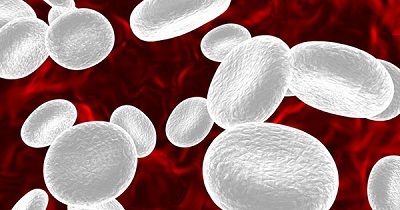
What do we let out when we exhale?
oxygen
Carbon dioxide
lungs
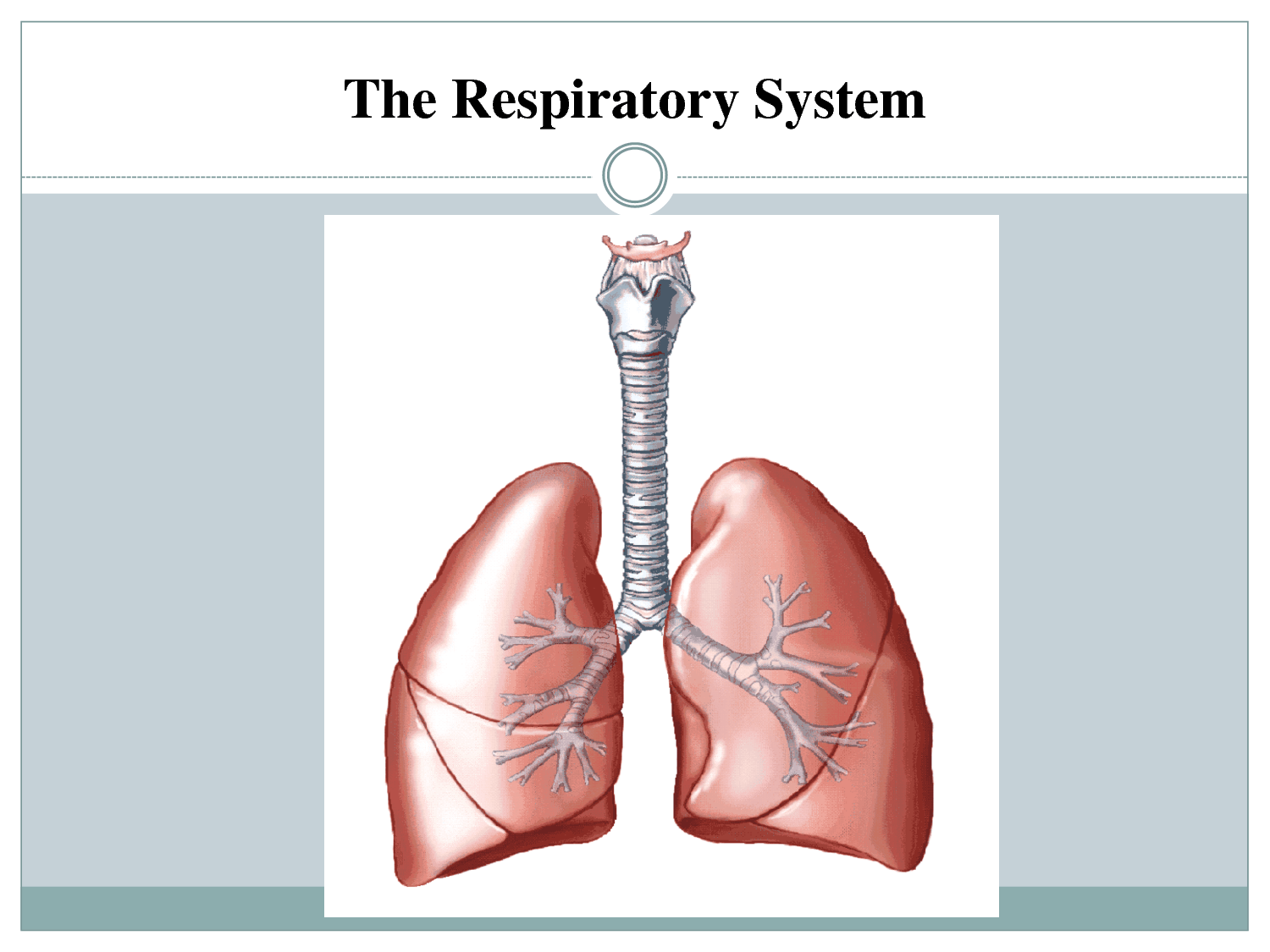
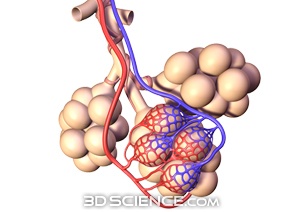
The digestive and respiratory rely on the ___ systems to transport needed materials to the cells.
circlatory and excretory
circulatory and muscular
nervous and digestive
nervous and skeletal
The immune system fights diseases. The circulatory system pairs with the immune system because ___.
blood is made in the bones.
plasma carries nutrients.
red blood cells carry oxygen.
white blood cells fight infection.
How do the skeletal and circulatory systems relate to each other?
Bone marrow produces blood.
The heart is made of cardiac muscle tissue.
The heart is held in place in the chest by ligaments.
The blood brings carbon dioxide and glucose to the cells of the bones.
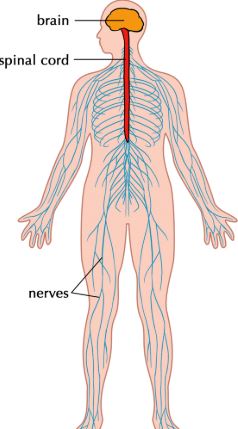
What system is pictured?
Skeletal
Circulatory
Nervous
Muscular
What system helps deliver nutrients and oxygen to all of your body cells?
Circulatory
Respiratory
Digestion
Excretory

Which two body systems are working together to make this type of physical movement from the basketball player?
Circulatory and Excretory
Skeletal and Muscular
Nervous and Digestive
Respiratory and Skeletal
Which body system transports oxygen and nutrients through out the body?
Muscular
Nervous
Digestive
Circulatory
The digestive and respiratory rely on the ___ systems to transport needed materials to the cells.
circlatory and excretory
circulatory and muscular
nervous and digestive
nervous and skeletal
Why are the lungs, the major organ of the respiratory system, also considered an excretory organ?
They get rid of carbon dioxide, a cellular waste
They get rid of oxygen, a cellular waste
They get rid of urea, a cellular waste
They get rid of salt, a cellular waste

