wayground logo

Free Printable Worksheets

Font size

S
M
L
XL
Worksheets

Earth Layers

Total questions: 151

Worksheet time: 2hrs 33mins
Name
Class
Date
1.

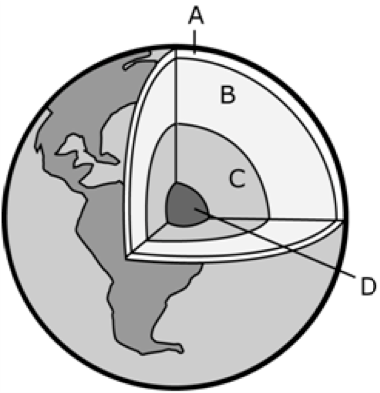
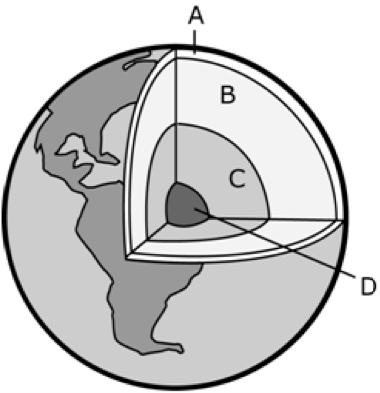
Which letter in the diagram identifies the layer of Earth made up of solid nickel and iron?

a)

layer A

b)

layer B

c)

layer C

d)

layer D

2.

Sally is researching the differences that exist in each layer of the Earth. Which of the following best describes Earth's crust?

a)

Solid, rocky

b)

Liquid, metallic

c)

Semisolid, convecting

d)

Dense, extremely hot

3.

The layers of Earth are the crust, mantle, and care, with the core being divided into inner and outer layers. Which of the following does NOT describe the layers of the solid Earth?

a)

The core makes up the majority of Earth's volume.

b)

The mantle is composed of rocks known as silicates.

c)

The core is made up of dense elements, such as iron and nickel

d)

The crust is extremely thin when compared to the core or mantle.

4.

Which of Earth's layers is best described as liquid metal?

a)

crust

b)

mantle

c)

outer core

d)

inner core

5.

Which of the following is true regarding the composition of the lithosphere?

a)

The lithosphere is mostly liquid, with some medium-density materials, such as silicon.

b)

The lithosphere is more plastic and flows slowly compared to the solid crust of Earth.

c)

The lithosphere includes the core and the lower portion of the mantle.

d)

The lithosphere includes the crust and the uppermost portion of the mantle, which is sold and rigid.

6.

The layers of Earth can be classified by their thickness, composition, and state. Which of Earth's layers is best described as a molten state of medium density made of mostly silicon and oxygen?

a)

crust

b)

outer core

c)

mantle

d)

inner core

7.

What letter in the diagram identifies the layer that is composed of moving continental and oceanic plates?

a)

layer A

b)

layer B

c)

layer C

d)

layer D

8.

What does layer D show?

a)

upper mantle

b)

lower mantle

c)

outer core

d)

inner core

9.

Which layer of Earth is composed of liquid iron and nickel?

a)

crust

b)

inner core

c)

outer core

d)

mantle

10.

Which of the following correctly lists the layers from innermost to outermost?

a)

inner core, outer core, lower mantle, upper mantle, crust

b)

lower mantle, upper mantle, crust, inner core, outer core

c)

lower mantle, inner core, upper mantle, outer core, crust

d)

crust, inner core, lower mantle, upper mantle, outer core
11.

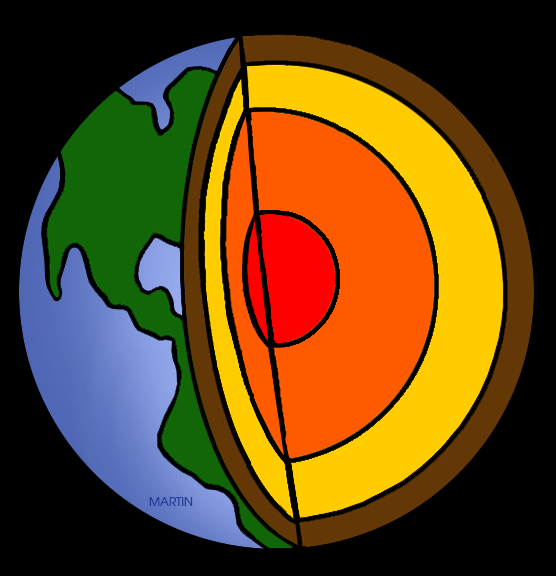
Which layer is shown in red?

a)

crust

b)

mantle

c)

outer core

d)

inner core

12.

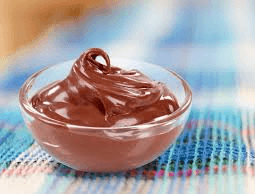
Which layer is made of "flowing" solid rock (think clay or pudding)?

a)

crust

b)

mantle

c)

outer core

d)

inner core

13.

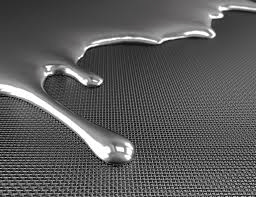
Which layer is made (mostly) of LIQUID iron and nickel?

a)

crust

b)

mantle

c)

outer core

d)

inner core

14.
The layer that lies beneath the mantle and surrounds the inner core. 
a)
mantle
b)
outer core
c)
inner core
d)
crust
15.
This is the outermost, rigid layer of the Earth, made up of two parts, is divided into pieces call tectonic plates.
a)
Inner Core
b)
Asthensophere
c)
Lithosphere
d)
Outer Core
16.

Which layer of the Earth is the THINNEST?

a)

crust

b)

mantle

c)

outer core

d)

inner core

17.

Which layer of the Earth is the THICKEST?

a)

crust

b)

mantle

c)

outer core

d)

inner core

18.

Which layer is the hottest?

a)

crust

b)

mantle

c)

outer core

d)

inner core

19.

Which layer is the coolest?

a)

crust

b)

mantle

c)

outer core

d)

inner core

20.
The core is mostly made up mostly of which elements?
a)
Oxygen and Silicon
b)
Silicon and Magnesium
c)
Nickel and Iron
d)
Iron and Magnesium
21.
Tectonic plates are made up of continental crust and ________ crust.
a)
continental
b)
oceanic
c)
plates
d)
mantle
22.

What is the outermost physical layer of earth?

a)

crust

b)

outer core

c)

mantle

d)

lithosphere

23.
This layer is directly below the crust.
a)
Crust
b)
Mantle
c)
Outer Core
d)
Inner Core
24.
This layer is directly below the mantle.
a)
Crust
b)
Mantle
c)
Outer Core
d)
Inner Core
25.
This layer is the innermost layer of the Earth.
a)
Crust
b)
Mantle
c)
Outer Core
d)
Inner Core
26.
This layer is the thinnest layer and is made of solid rock.
a)
Crust
b)
Mantle
c)
Outer Core
d)
Inner Core
27.
This layer is partly made up of solid rock, and the other part of this layer is thick, liquid rock (kind of like syrup).
a)
Crust
b)
Mantle
c)
Outer Core
d)
Inner Core
28.
This layer is completely made up of liquid metal.
a)
Crust
b)
Mantle
c)
Outer Core
d)
Inner Core
29.
This layer is a solid ball of metal.
a)
Crust
b)
Mantle
c)
Outer Core
d)
Inner Core
30.
This layer includes all dry land and the Ocean floor.
a)
Crust
b)
Mantle
c)
Outer Core
d)
Inner Core
31.
This layer contains a small amount of metal.
a)
Crust
b)
Mantle
c)
Outer Core
d)
Inner Core
32.
This layer surrounds the inner core.
a)
Crust
b)
Mantle
c)
Outer Core
d)
Inner Core
33.
This layer is the hottest layer of the Earth.
a)
Crust
b)
Mantle
c)
Outer Core
d)
Inner Core
34.
Which layer of the Earth is shown in BROWN?
a)
Crust
b)
Mantle
c)
Inner Core
d)
Outer Core
35.
Which layer of the Earth is shown in YELLOW?
a)
Crust
b)
Mantle
c)
Inner Core
d)
Outer Core
36.
Which layer of the Earth is shown in ORANGE?
a)
Crust
b)
Mantle
c)
Inner Core
d)
Outer Core
37.
Which layer of the Earth is shown in RED?
a)
Crust
b)
Mantle
c)
Inner Core
d)
Outer Core
38.
This layer is the outermost (TOP) layer of the Earth.
a)
Crust
b)
Mantle
c)
Outer Core
d)
Inner Core
39.

This type of rock forms when layers of sediment are "glued" together by dissolved minerals.

a)

Igneous rock

b)

Metamorphic rock

c)

Sedimentary rock

d)

Hard rock

40.

This type of rock forms when existing rock is changed to new rock by extreme heat and pressure.

a)

Igneous rock

b)

Metamorphic rock

c)

Sedimentary rock

d)

Hard rock

41.

This type of rock forms when molten (melted) rock from beneath Earth's surface cools and hardens.

a)

Igneous rock

b)

Metamorphic rock

c)

Sedimentary rock

d)

Hard rock

42.

Which layer contains the gases we breathe?

a)

atmosphere

b)

lithosphere

c)

hydrosphere

d)

mesosphere

43.

Which layer contains the ground we walk on?

a)

atmosphere

b)

lithosphere

c)

hydrosphere

d)

mesosphere

44.

Which layer contains the Earth's surface water such as oceans, lakes, streams, and rivers?

a)

atmosphere

b)

lithosphere

c)

mesosphere

d)

hydrosphere

45.

Which layer is shown in orange?

a)

crust

b)

mantle

c)

outer core

d)

inner core

46.

Which layer is shown in yellow?

a)

crust

b)

mantle

c)

outer core

d)

inner core

47.

Which layer is shown in brown?

a)

crust

b)

mantle

c)

outer core

d)

inner core

48.

Which shows the order of the layers from COOLEST to HOTTEST?

a)

crust, mantle, outer core, inner core

b)

inner core, outer core, mantle, crust

c)

crust, outer core, inner core, mantle

d)

Trick question! All of the layers are the same temperature!

49.

Which layer is made (mostly) of SOLID iron and nickel?

a)

crust

b)

mantle

c)

outer core

d)

inner core

50.
Which layer of the earth is in the very center?
a)
Crust
b)
Mantle
c)
Outer Core
d)
Inner Core
51.
Which layer of the earth is between the core and the crust?
a)
Crust
b)
Mantle
c)
Outer Core
d)
Inner Core
52.
Which layer of the earth has the lowest temperature?
a)
Crust
b)
Mantle
c)
Outer Core
d)
Inner Core
53.
What is the name of the layer that contains the uppermost mantle and crust
a)
Asthenosphere
b)
Mesosphere
c)
Lithosphere
d)
Transosphere
54.
Which layer of the earth is under the highest pressure?
a)
Crust
b)
Mantle
c)
Outer Core
d)
Inner Core
55.
What are the two types of crust
a)
continental and oceanic
b)
ocean and upper
c)
lower and upper
d)
pizza and subway
56.
Which crust is thicker
a)
ocean
b)
continental
c)
bread
d)
pizza
57.
What observation can we make about Earth’s lithosphere AND asthenosphere?
a)
The asthenosphere floats on top of the lithosphere.
b)
The crust and the core make up the lithosphere.
c)
The crust and mantle make up the asthenosphere. 
d)
The lithosphere floats on top of the asthenosphere
58.
What is the inner core composed of?
a)
Basalt
b)
Granite
c)
Iron and Nickel
d)
Molten (liquid) Metals
59.
If you traveled from the center of Earth to the surface, the pressure would...
a)
increase
b)
decrease
c)
stay the same
d)
unsure
60.
What was the name given to all the continents when they were joined as one super continent
a)
Supreme Continent
b)
United States
c)
Eurasia
d)
Pangea
61.
The asthenosphere is part of which layer?
a)
Inner core
b)
Outer Core
c)
Mantle
d)
Crust
62.
What heats material in the mantle causing the convection cycle?
a)
Solar Radiation
b)
The Earths Core
c)
Fire
d)
Hard Work
63.
This layer of Earth is the thickest part
a)
crust
b)
outer core
c)
mantle
d)
inner core
64.
Which of these layers is ALL solid iron and nickle?
a)
inner core
b)
outer core
c)
lithosphere
d)
mesosphere
65.
Scientists think that convection currents that move the plates flow in Earth's
a)
Continental crust
b)
Oceanic crust
c)
Asthenosphere
d)
Lithosphere
66.
As you travel from the inner core to the crust, how would temperature, pressure and density of the material change?
a)
The would all increase
b)
The would all decrease.
c)
They would stay the same.  
d)
Temperature would decrease, but pressure and density would increase. 
67.
The physical layer of Earth made of solid rock and soil is called the ___________. 
a)
mesosphere
b)
lithosphere
c)
asthenosphere
d)
mantle
68.
Where does the heat come from that drives this convection current in the mantle? 
a)
The sun
b)
The crust
c)
the mantle
d)
the core
69.
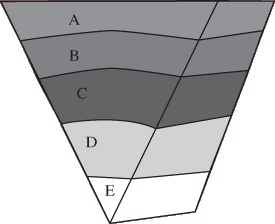
Identify the letter in the diagram.  Identify letter A
a)
Lithosphere
b)
Asthenosphere
c)
Mantle
d)
Outer Core
70.
Identify the letter in the diagram.  Identify letter E
a)
Lithosphere
b)
Asthenosphere
c)
Mantle
d)
Outer Core
71.
Identify the letter in the diagram.  Identify letter F
a)
Lithosphere
b)
Asthenosphere
c)
Mantle
d)
Outer Core
72.
Identify the letter in the diagram.  Identify letter B
a)
Crust
b)
Convection Current
c)
Inner Core
d)
Outer Core 
73.
Identify the letter in the diagram.  Identify letter C
a)
Lithosphere
b)
Asthenosphere
c)
Mantle
d)
Inner Core
74.

the outermost layer of the Earth; solid

a)

Crust

b)

Lithosphere

c)

Asthenosphere

d)

Mantle

75.

the 2 outermost layers of the Earth – crust & upper mantle

a)

Crust

b)

Lithosphere

c)

Asthenosphere

d)

Mantle

76.

The solid layer with plasticity in the upper mantle that is located just below the lithosphere; lithospheric plates “float” and move on this layer.

a)

Crust

b)

Lithosphere

c)

Asthenosphere

d)

Mantle

77.

surrounds the inner core and is made of liquid nickel and iron.

a)

outer core

b)

inner core

c)

plasticity

d)

continental crust

78.

Layer of Earth between crust & core

a)

Crust

b)

Lithosphere

c)

Asthenosphere

d)

Mantle

79.

deepest layer of Earth; solid, mostly made of iron(The sphere of solid nickel and iron at the center of Earth; surrounded by the liquid outer core.

a)

outer core

b)

inner core

c)

plasticity

d)

continental crust

80.

– the solid part of the surface of the Earth that makes up the continents or land

a)

outer core

b)

inner core

c)

plasticity

d)

continental crust

81.

What are Earth's layers?

a)

skin

b)

crust

c)

mantle

d)

core

e)

pit

82.

Inside Earth, _____________________ increases as depth increases. (Select the answers that could fill in the blank.)

a)

pressure

b)

movement

c)

oxygen

d)

temperature

e)

geology

83.

The thickness of the crust is ____________ .

a)

5 - 80 km

b)

almost 3,000 km

c)

almost 3,480 km

84.

The thickness of the mantle is ____________ .

a)

5 - 80 km

b)

almost 3,000 km

c)

almost 3,480 km

85.

Three factors combine to set convection currents in motion, what are they?

a)

heat

b)

magnetism

c)

density

d)

gravity

e)

rock samples from volcanoes

86.

Choose the description that would match "A".

a)

Temperature: hotter

Density: less dense

The rock: rises

b)

Temperature: colder

Density: less dense

The rock: rises

c)

Temperature: hotter

Density: more dense

The rock: sinks

d)

Temperature: colder

Density: more dense

The rock: sinks

87.

Choose the description that would match "B".

a)

Temperature: hotter

Density: less dense

The rock: rises

b)

Temperature: colder

Density: less dense

The rock: rises

c)

Temperature: hotter

Density: more dense

The rock: sinks

d)

Temperature: colder

Density: more dense

The rock: sinks

88.
a)

crust

b)

mantle

c)

outer core

d)

inner core

89.
a)

crust

b)

mantle

c)

outer core

d)

inner core

90.
a)

crust

b)

mantle

c)

outer core

d)

inner core

91.
a)

crust

b)

mantle

c)

outer core

d)

inner core

92.

Inner most layer, mostly made out of Iron.

a)

Outer Core

b)

Asthenosphere

c)

Mantle

d)

Inner Core

93.

Hottest layer of the Earth believe to be about 9,000° - 13,000° Fahrenheit.

a)

inner core

b)

mantle

c)

outer core

d)

crust

94.

Outermost layer of the Earth made up of brittle rock that can crack and break easily

a)

mantle

b)

inner core

c)

crust

d)

outer core

95.

With enough heat and pressure rocks can move in this thick layer

a)

mantle

b)

inner core

c)

outer core

d)

crust

96.

This Earth layer is a solid sphere made up of metals like iron and nickel.

a)

crust

b)

mantle

c)

inner core

d)

outer core

97.

Thinnest and coolest layer of the Earth

a)

outer core

b)

inner core

c)

crust

d)

mantle

98.

This layer is divided into 3 sections.

(solid rock, melted rock, solid rock)

a)

crust

b)

mantle

c)

outer core

d)

inner core

99.

Layer made up of liquid metals

a)

crust

b)

outer core

c)

inner core

d)

mantle

100.

Landforms and bodies of water are found on this layer

a)

crust

b)

mantle

c)

inner core

d)

outer core

101.

The layer of Earth we live on

a)

outer core

b)

crust

c)

mantle

d)

inner core

102.

Which layer is labeled B?

a)

mantle

b)

inner core

c)

outer core

d)

crust

103.

The inner core is represented by what letter?

a)

A

b)

B

c)

C

d)

D

104.

Which layer is labeled A?

a)

crust

b)

mantle

c)

inner core

d)

outer core

105.

The outer core is represented by what letter?

a)

A

b)

B

c)

C

d)

D

106.

Which 2 layers of the Earth are made up of rocks?

a)

crust and inner core

b)

mantle and outer core

c)

crust and mantle

d)

inner core and outer core

107.
What is the correct order (starting from the surface) of Earth's layers?
a)
crust, mantle, inner core, outer core
b)
mantle, outer core, inner core, crust
c)
inner core, outer core, mantle, crust
d)
crust, mantle, outer core, inner core
108.
Earth's inner core is
a)
a layer of hot rock
b)
a solid ball of iron and nickel
c)
a layer of liquid iron and nickel
d)
a layer of rock that forms Earth's outer skin
109.
Which layer of the earth is a pure liquid?
a)
crust
b)
mantle
c)
outer core
d)
inner core
110.
The soft layer of rock in the mantle that can act like a liquid and a solid is called the
a)
core
b)
asthenosphere
c)
lithosphere
d)
crust
111.
The crust and the uppermost mantle make up the solid layer of hard rock called the
a)
inner core
b)
asthenosphere
c)
lithosphere
d)
outer core
112.
How does temperature change as you move from the crust to the core?
a)
it gets cooler
b)
it gets hotter
c)
it stays the same
d)
the core is frozen
113.
What layer is shown by letter A?
a)
Crust
b)
Mantle
c)
Outer core
d)
Inner core
114.
What layer is shown by letter B?
a)
Crust
b)
Mantle
c)
Outer core
d)
Inner core
115.
What layer is shown by letter C?
a)
Crust
b)
Mantle
c)
Outer core
d)
Inner core
116.
What layer is shown by letter D?
a)
Crust
b)
Mantle
c)
Outer core
d)
Inner core
117.
Which letter in the diagram identifies the layer scientists believe to be in a liquid state?
a)
Location A
b)
Location B
c)
Location C
d)
Location D
118.
 Which layer of Earth is the thinnest? 
a)
crust
b)
outer core
c)
mantle
d)
inner core
119.
Which is the best description of the characteristics of the asthenosphere?
a)
Solid , but flowing
b)
Hot, but solid metal
c)
Liquid, but dense
d)
Brittle, but shifting
120.
The lithosphere is composed of rock that can be described as being
a)
liquid
b)
dense
c)
solid
d)
flowing
121.
Which of the following describes a change in moving from Earth’s crust to the outer core?
a)
Pressure would change from very high to none
b)
Density would change from least to most dense
c)
Plasticity would change from flexible to rigid
d)
Heat would change from relatively hot to cool
122.
How many layers of the earth are there?
a)
5
b)
4
c)
3
d)
1
123.
Name the layer of the earth labeled A.
a)
crust
b)
inner core
c)
mantel 
d)
outer core
124.
Name the layer of the earth labeled B.
a)
crust
b)
inner core
c)
mantel 
d)
outer core
125.
Name the layer of the earth labeled D.
a)
crust
b)
inner core
c)
mantel 
d)
outer core
126.
What is the thickest layer of the earth?
a)
inner core
b)
outer core
c)
mantel
d)
crust
127.
What is the inner core of the earth made of?
a)
iron
b)
nickel
c)
iron and nickel
d)
liquid mettle 
128.
What is the earth made of?
a)
rock
b)
mettle 
c)
sand
d)
soil
129.
Water and land are found where on  the earth?
a)
mantel 
b)
crust
c)
inner core
d)
outer core
130.
The thinnest layer of the Earth is the ___________.
a)
mantle
b)
crust
c)
core
131.
There are how many different types of crust?
a)
1
b)
2
c)
5
d)
3
132.
What is the thickest layer of the Earth?
a)
the crust
b)
the mantle
c)
the outer core
d)
the inner core
133.
What is the core made of?
a)
steel
b)
iron 
c)
aluminum
d)
iron and nickel
134.
What describes the outer core?
a)
solid
b)
liquid
c)
viscous
d)
gas
135.
Which layer(s) of the Earth make up the asthenosphere?
a)
Part of the mantle
b)
Crust, mantle, Core
c)
Crust and upper mantle
d)
Only the crust
136.
What is the outermost layer of the Earth?
a)
crust
b)
mantle
c)
outer core
d)
inner core
137.
What layer of the mantle is flexible like plastic?
a)
lithosphere
b)
asthenosphere
c)
lower mantle
138.
Which layer in the image contains the asthenosphere and part of the lithosphere?
a)
1
b)
2
c)
3
d)
4
139.

Which Layer creates the Earth's magnetic field?

a)

The Mantle

b)

The Outer Core

c)

The Crust

140.

Which layer is the thickest?

a)

crust

b)

mantle

c)

outer core

d)

inner core

141.

Which layer is under the most pressure?

a)

crust

b)

mantle

c)

outer core

d)

inner core

142.

Which layer is the thinnest?

a)

crust

b)

mantle

c)

outer core

d)

inner core

143.

What layer of Earth is D?

a)

crust

b)

mantle

c)

outer core

d)

inner core

144.

What Layer of Earth is B?

a)

crust

b)

mantle

c)

outer core

d)

inner core

145.

What Layer of Earth is C?

a)

crust

b)

mantle

c)

outer core

d)

inner core

146.

What Layer of Earth is A?

a)

crust

b)

mantle

c)

outer core

d)

inner core

147.

The middle layer of the mantle, made of molten rock or magma (2)...

a)

lithosphere

b)

asthenosphere

c)

lower mantle

148.

The bottom layer of the mantle, made of solid rock (3) is the...

a)

lithosphere

b)

asthenosphere

c)

lower mantle

149.

In what layer of Earth do convection currents occur?

a)

crust

b)

mantle

c)

outer core

d)

inner core

150.
This layer is directly below the mantle.
a)
Crust
b)
Mantle
c)
Outer Core
d)
Inner Core
151.

What does layer D show?

a)

upper mantle

b)

lower mantle

c)

outer core

d)

inner core