wayground logo

Free Printable Worksheets

Font size

S
M
L
XL
Worksheets

6th Grade 3rd Q Exam

Total questions: 130

Worksheet time: 3hrs 49mins

Name
Class
Date
1.
All of the following would classify an element as a metal except?
a)
Dull
b)
Luster
c)
Malleable
d)
Hard
2.
Some characteristics of a metal are that it is malleable and ductile.
a)
TRUE
b)
FALSE
3.
Which of the following properties refers to the ability of metals to be drawn into wires?
a)
A. malleability 
b)
B. compressibility
c)
C. ductility
d)
D. luster
4.
Metals appear to the _______ of the dark ziz-zag line on the periodic table. 
a)
A. right
b)
B. middle
c)
C. left
5.
Which of these is a property of metals?
a)
It's malleable
b)
It can't conduct electricity
c)
They are used in food
d)
It's very brittle
6.
Which of the following is NOT a characteristic of most metals?
a)
Brittle
b)
Good conductor
c)
Ductile
d)
Malleable
7.

All of the following would classify an element as a metal except?

a)

Dull

b)

Luster

c)

Malleable

d)

Ductile

8.
Which elements are found on the left to middle of The Periodic Table? 
a)
Metals
b)
Nonmetals
c)
Metalloids
d)
Candles
9.
Describe what luster means
a)
How an object reflects light
b)
How soft an object is
c)
If an object floats
d)
If an object can be dug out of the earth.
10.
When an object changes shape when struck by a hammer.
a)
luster
b)
malleable
c)
brittleness
d)
ductile
11.
If you have a material that can conduct electricity well it is probably a...
a)
Metalloid
b)
Matter
c)
Non-metal
d)
Metal
12.
Which of the following is a good conductor of heat?
a)
Metal
b)
Nonmetal
c)
Metalloid
13.
Iron is a good conductor, malleable and magnetic. What type of element is Iron? 
a)
Metal
b)
Nonmetal
c)
Metalloid
14.

Most metals are solid at room temperature

a)

False

b)

True

15.
A student tested the conductivity of four elements using an incomplete electrical circuit. When the element is placed in the circuit, the bulb lights up brightly, lights up dimly, or does not light up at all based on the element’s ability to conduct electricity. The table below shows the results of her investigation. Based on the results of the conductivity test, which element is classified as a metal? 
a)
Hydrogen
b)
Arsenic
c)
Krypton
d)
Copper
16.
If a material can easily be drawn into the shape of a wire, it is
a)
Ductile
b)
Magnetic
c)
Malleable
d)
Reactive
17.

What are properties?

a)

They give us an idea of what the object can do.

b)

They describe the object.

c)

They tell us what an object cannot do.

18.

What does "malleable" mean?

a)

Can be made into a shape.

b)

Brittle

c)

Ductile

d)

Shiny

19.

Which of the following are all examples of METALS?

a)

glass, gold, copper, silver

b)

copper, gold, bronze, plastic

c)

wood, iron, aluminium, steel

d)

copper, silver, iron, gold

20.
What is a conductor?
a)
Heat and electricity move through them easily
b)
able to be drawn into a wire
c)
able to be hammered into different shapes
d)
shiny
21.
If a student observes a silvery solid that is malleable, good conductor, and ductile it is a...
a)
nonmetal 
b)
metal 
c)
metalloid
22.

Able to be drawn into wire is

a)

malleable

b)

insulator

c)

lustre

d)

ductile

23.

Able to be beaten or hammered into shapes

a)

lustre

b)

malleable

c)

brittle

d)

insulator

24.
Thermal conductivity is....
a)
How fast heat passes through something
b)
How hot certain materials get
c)
Something that doesn'treadily allow heat to pass theough
d)
Metals
25.
The ability of a metal to allow heat or electricity to pass through it.
a)
conductivity
b)
insulator
c)
mass
d)
density
26.
Why are metals useful for making electrical wire?
a)
Metals do not bend.
b)
Metals hold much heat.
c)
Metals are insulators.
d)
Metals are conductors.
27.
The amount of energy required to raise the temperature 1ºC for every kilogram is called____?
a)
Thermal Energy
b)
Specific Heat
c)
Temperature
d)
Kinetic Energy
28.
How does heat flow?
a)
Always from cold to warm
b)
Always from warm to cold
c)
Both warm to cold & cold to warm
d)
It depends on the temperature
29.
At room temperature metals are ____________.
a)
plasma
b)
gases
c)
liquid
d)
solid
30.
If a substance is magnetic it is most likely a 
a)
metal 
b)
non-metal
31.

The only metal that is a liquid at room temperature is

a)

Nickel Ni

b)

Mercury Hg

c)

Iron Fe

d)

Copper Cu

32.

Butter is melted in a pan. Which of the following is true about the change?

a)

It is a physical change that absorbs energy

b)

It is a physical change that releases energy

c)

It is a chemical change that absorbs energy

d)

t is a chemical change for which there is no change in energy.

33.

Which of the following is not a chemical change?

a)

food coloring dissolving in water

b)

leaves turning color

c)

fruit ripening

d)

silver tarnishing

34.

New substances are produced by a _______ change.

a)

Chemical

b)

Physical

35.

The energy stored in the bonds between atoms is ______.

a)

Chemical Energy

b)

thermal energy

c)

electrical

d)

endothermic energy

36.

An ______ change releases energy.

a)

exothermic

b)

endothermic

37.

The law of ______ of mass states that in any physical or chemical change, matter is neither created nor destroyed.

a)

conservation

b)

elimination

c)

creation

d)

combustion

38.

Which of the following is not a physical change?

a)

cooking bacon

b)

glass breaking

c)

sugar disolving

d)

ice melting

39.

The form or appearance of matter is altered during a _____ change.

a)

physical

b)

chemical

40.

_______ is related to the energy of motion of the particles of matter.

a)

Temperature

b)

Thermal Energy

c)

Friction

d)

Exothermic

41.

_______ energy naturally flows from warmer matter to cooler matter.

a)

Thermal

b)

mechanical

c)

electrical

d)

electromagnetic

42.
Is wood burning a physical or chemical change?
a)
Physical 
b)
Chemical
43.
Is milk going sour a physical or chemical change?
a)
Physical 
b)
Chemical
44.
Is Gatorade powder dissolving in water physical or chemical change?
a)
Physical 
b)
Chemical
45.
Is mold growing on cheese a physical or chemical change?
a)
Physical 
b)
Chemical
46.
Is making orange juice a physical or chemical change?
a)
Physical 
b)
Chemical
47.
Is sharpening a pencil a physical or chemical change?
a)
Physical 
b)
Chemical
48.
Is copper tarnishing a physical or chemical change?
a)
Physical 
b)
Chemical
49.
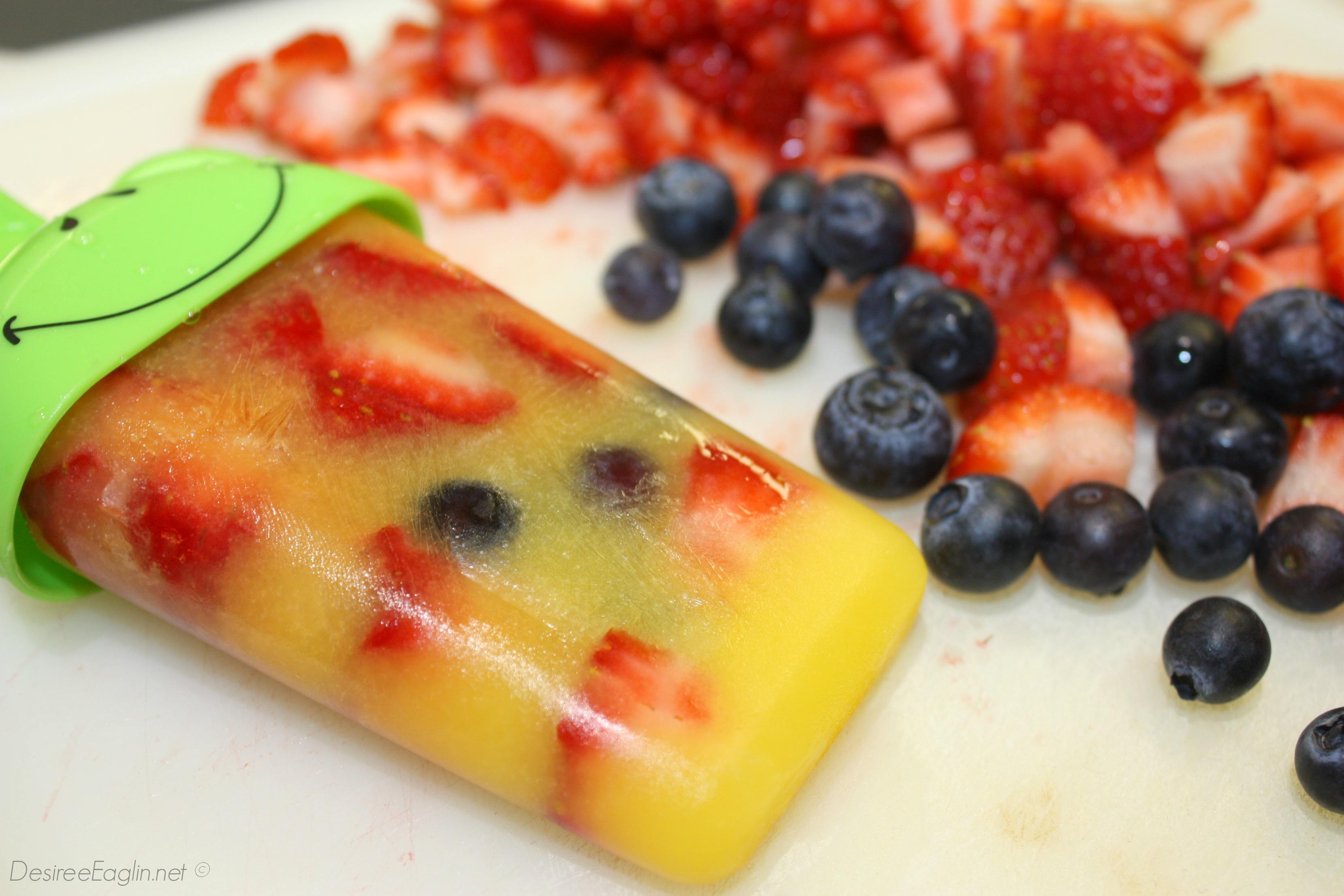
Freezing Juice?
a)
Physical Change
b)
Chemical Change
50.
Which is a physical change?
a)
melting ice
b)
burning wood
c)
rotting food
d)
rusting iron
51.
Which is a physical change?
a)
digesting food
b)
burning natural gas
c)
exploding firework
d)
chopping onions
52.
Exploding Fireworks?
a)
Physical Change 
b)
Chemical Change 
53.

What happens to the movement of the particles in a substance when the thermal energy is increased?

a)

Speed Up

b)

Slow Down

54.

What is an endothermic change

a)

a change which slows down the motion of the particles in the object

b)

a change in which energy is absorbed

c)

a change in which energy is released

d)

a change which releases heat

55.

What's an exothermic change?

a)

It releases energy

b)

It absorbs heat

c)

It speeds up the motion of all the particles in the object

d)

It absorbs energy

56.

Where do endothermic and exothermic changes occur

a)

during physical changes only

b)

during physical and chemical changes

c)

during chemical changes only

57.

A substance that undergoes a physical change is____ after the change

a)

still the same substance

b)

a different substance

58.

What is energy?

a)

moving energy

b)

stored energy

c)

renewable energy

d)

The ability to do work.

59.
What is energy?
a)
The ability to cause a change
b)
A force
c)
Electricity
d)
The ability to transform work
60.
When plants convert the sun's energy into food, which type of energy is it?
a)
kinetic
b)
chemical
c)
thermal
d)
radiant
61.
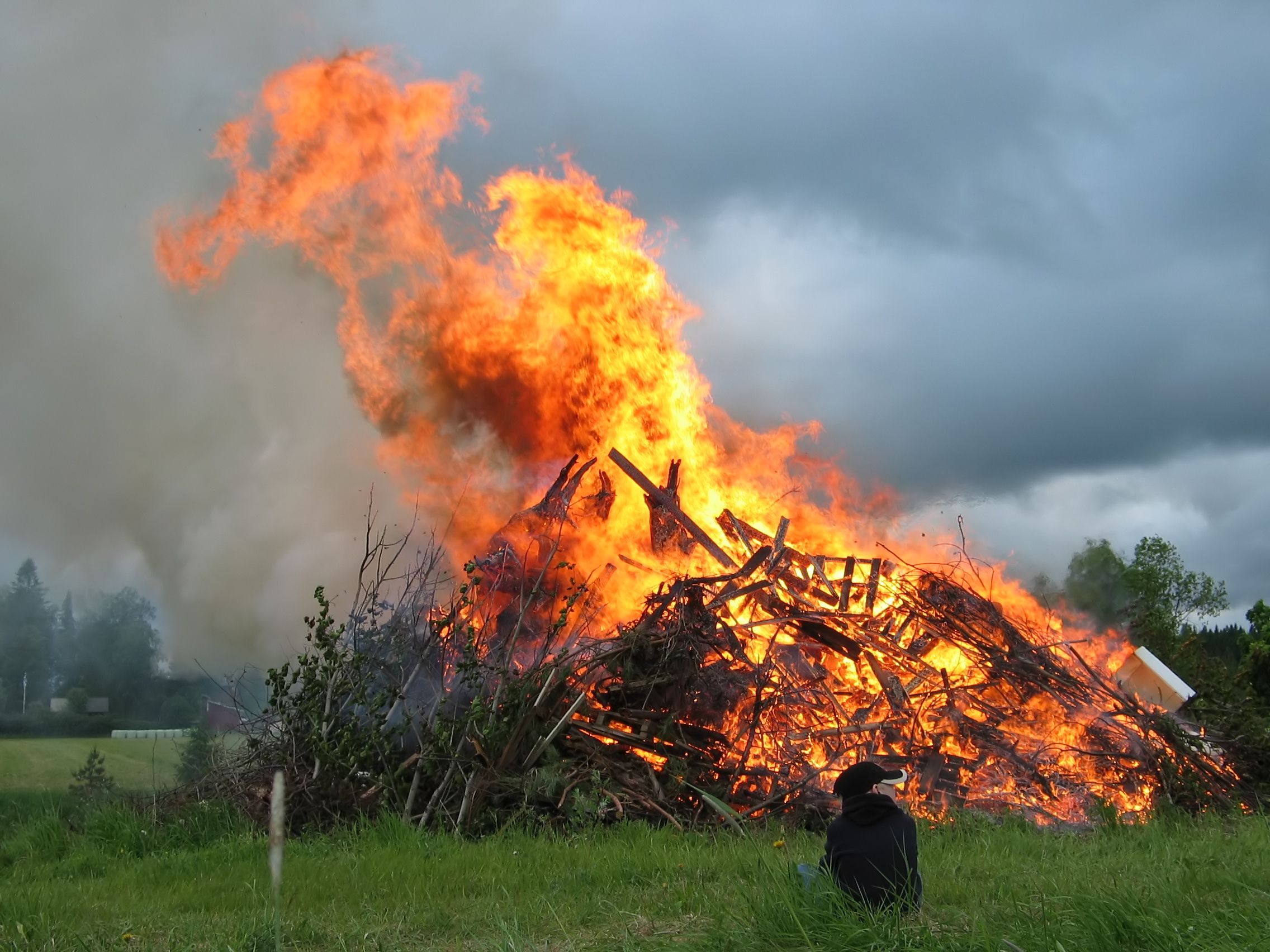
What kind of energy is represented in the picture?
a)
Thermal
b)
Chemical
c)
Sound
d)
Nuclear
62.
What is electrolysis?
a)
breaking down of a compound using a current
b)
making a compound using a current
63.
Another term for burning is
a)
Fire triangle
b)
Magnesium oxide
c)
Combustion
d)
Bustion
64.

What is the scientific term given when something burns?

a)

a fuel

b)

flammable

c)

combustion

d)

heating

65.
The rusting of iron is an example of
a)
a reduction reaction.
b)
an oxidation reaction.
c)
a reaction of iron with water.
d)
a reaction that dissolves iron.
66.

True or false: A change in state is a chemical reaction

a)

True - something melting would be an example of a chemical reaction

b)

False - a change in state is a physical change
67.
when colors of metals causes a color to change
a)
flamabilty
b)
corrosion
c)
precipate
d)
tarnish
68.

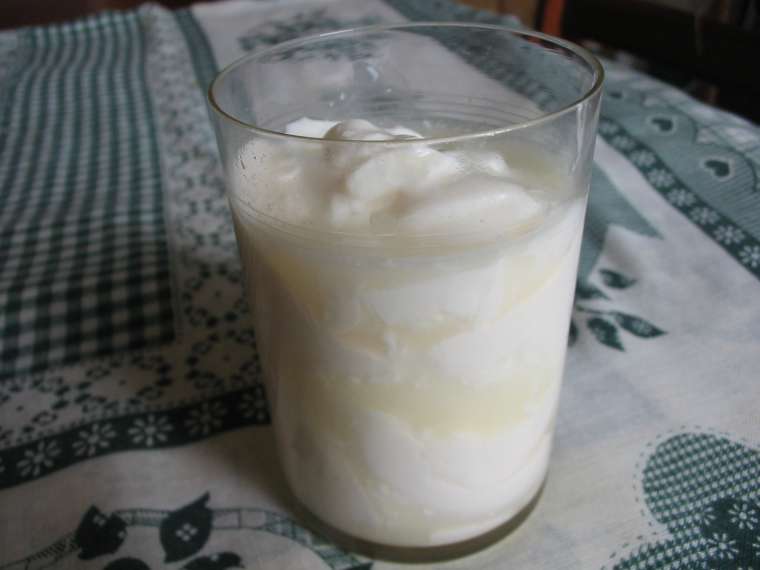
What state of matter?

a)

Solid

b)

Liquid

c)

Gas

d)

Plasma!!!

69.

What state of matter?

a)

Solid

b)

Liquid

c)

Gas

70.

What state of matter?

a)

Solid

b)

Liquid

c)

Gas

71.
What types of reactions absorb and release heat?
a)
acidic and basic
b)
endothermic and exothermic
c)
endothermic and heat transfusion
d)
covalent and ionic
72.

1. How is a chemical change different from a physical change?

a)

there is no difference

b)

a physical change creates a new substance

c)

a chemical change creates a new substance

73.
Which is true about liquids?
a)
The particles are tightly packed together and stay in a fixed position.
b)
The particles are far apart and move very quickly.
c)
The particles are far apart and stay in a fixed position
d)
The particles are close together, but are able to move around each other
74.
In which state of matter do the particles spread apart and fill all the space available to them?
a)
Crystal
b)
Liquid
c)
Gas
d)
Solid
75.
Which form of matter has a fixed shape?
a)
Liquid
b)
Gas
c)
Solid
d)
Water
76.
Which state of matter has no definite size or shape?
a)
Solid
b)
Liquid
c)
Gas
77.
In which state of matter are molecules the closest to each other?
a)
Solid
b)
Liquid
c)
Gas
78.
Which form of matter has a fixed shape?
a)
Liquid
b)
Solid
c)
Gas
d)
Elements
79.
What are the 3 states of matter?
a)
Solid, Water, Gas
b)
Metals, Nonmetals, Metalloids
c)
Solid, Liquid, Oxygen
d)
Solid, Liquid, Gas
80.
In which state of matter do the particles move around the most?
a)
Solid
b)
Liquid
c)
Gas
d)
Light
81.
Which form of matter takes the shape of its container?
a)
Liquid
b)
Solid
c)
Glass
d)
Juice
82.
Which form of matter fills up all the space of its container?
a)
Liquid
b)
Hydrogen
c)
Solid
d)
Gas
83.

The ____ of a gas is the force of its outward push divided by the area of the walls of its container.

a)

pressure

b)

gravity

c)

surface tension

d)

structure

84.

Viscosity is the inward force among the molecules of a liquid.

a)

true

b)

false

85.
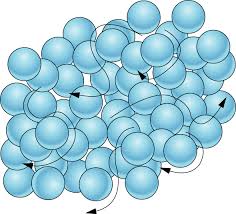
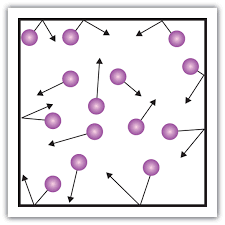
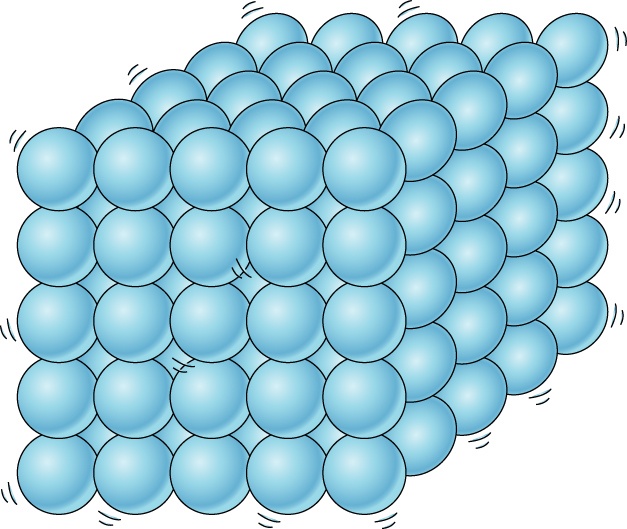
What does this picture represent? 
a)
solid
b)
liquid
c)
gas
d)
plasma
86.
The molecules in the picture are tightly held together with little movement. They have shape and energy.  Therefore, the picture represents _________.
a)
solid
b)
liquid
c)
gas
d)
plasma
87.

Surface tension is when particles inside water are attracted to each other and ______ together.

a)

stuck

b)

stunk

c)

stick

d)

stack

88.
What is viscosity?
a)
A liquid's resistance to flow.
b)
a liquids flow.
c)
a liquid
d)
gas to solid.
89.
When temperature increases...
a)
The particles in a substance move slower
b)
The particles in a substance move faster
c)
The substance turns from a liquid to a solid
d)
The substance turns from a gas into a solid
90.
The steam coming off the pot of boiling water is an example of _________________.
a)
A solid becoming a liquid
b)
A liquid becoming a solid
c)
A liquid becoming a gas
d)
A gas becoming a liquid
91.
When a gas forms directly from a solid, skipping the liquid phase. it is called
a)
deposition
b)
sublimation
c)
evaporation
d)
condensation
92.
The change from a gas to a liquid is called 
a)
condensation
b)
evaporation
c)
sublimation
d)
deposition
93.

The change in state from liquid to gas is called

a)

vaporization

b)

sublimation

c)

condensation

d)

deposition

94.
How do you make matter change state?
a)
Add energy to it
b)
Take energy away from it
c)
Both of these
95.

Both boiling and evaporation are forms of vaporization. What is the difference between them?

a)

Boiling liquids have intense heat added to it, evaporating liquids take heat from their environment.

b)

Boiling happens quickly, evaporation happens slowly.

c)

Evaporation occurs only at a liquid's surface, boiling occurs throughout the liquid

d)

All of these reasons

96.
What is it called when the state of matter changes from a liquid to a solid?
a)
Vaporization
b)
Freezing
c)
Condensation
d)
Melting
97.

A substance's melting point is the same as its

a)

freezing point.

b)

condensation point.

c)

boiling point.

98.
As the energy of the molecules in a substance increases, the temperature of the substance __________.
a)
increases
b)
decreases
99.

On a hot, humid summer day drops of water form on a can of cold soda. What process caused this to happen?

a)

condensation

b)

freezing

c)

vaporization

d)

deposition

100.

It rained yesterday, but today there are no puddles left on the ground. What process caused this to happen?

a)

condensation

b)

vaporization

c)

sublimation

d)

deposition

101.

Condensation is actually...

a)

Drops of water vapor from the air which turned to liquid.

b)

Drops are liquid water coming from inside the glass.

c)

Drops are Mt. Dew seeping from the glass.

102.
Dry ice is an example of what phase change.
a)
freezing
b)
melting
c)
vaporization/boiling
d)
sublimation
103.
When ice melts does kinetic energy decrease (release heat) or increase (absorb heat)?
a)
kinetic energy decreases & heat is released 
b)
kinetic energy increases & heat is absorbed
104.

When thermal energy is increased in a solid, what change in state is happening?

a)

Melting

b)

Evaporation

c)

Freezing

d)

Condensation

105.

When thermal energy is decreased in a liquid, what change in state is happening?

a)

Melting

b)

Freezing

c)

Condensation

d)

Evaporation

106.

When a substance changes from a solid to a liquid, this is called...

a)

Melting

b)

Evaporation

c)

Freezing

d)

Condensation

107.

When a substance changes from a liquid to a gas, this is called...

a)

Melting

b)

Evaporation

c)

Condensation

d)

Freezing

108.

When a substance changes from a gas to a liquid, this is called...

a)

Melting

b)

Evaporation

c)

Condensation

d)

Freezing

109.

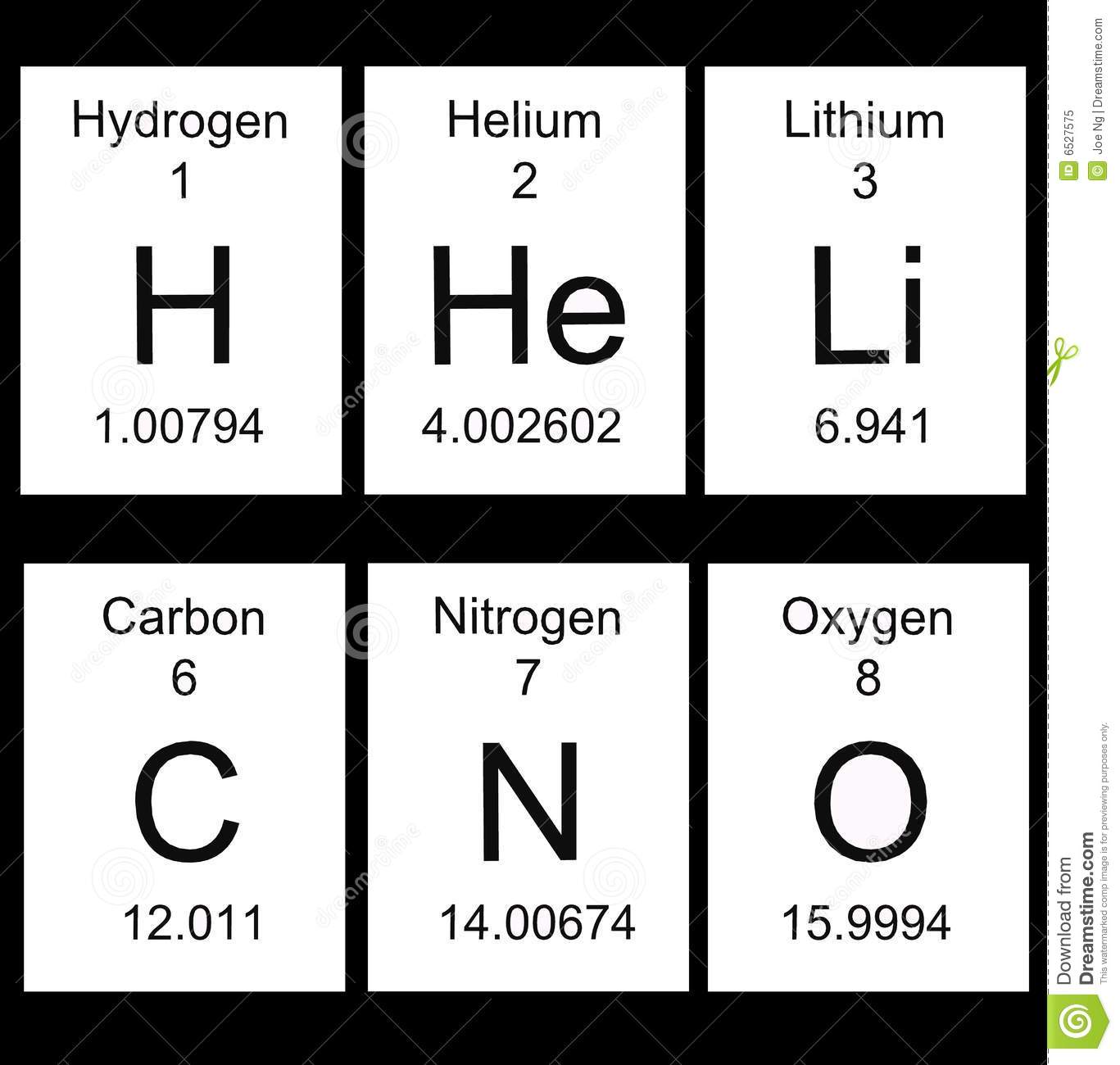
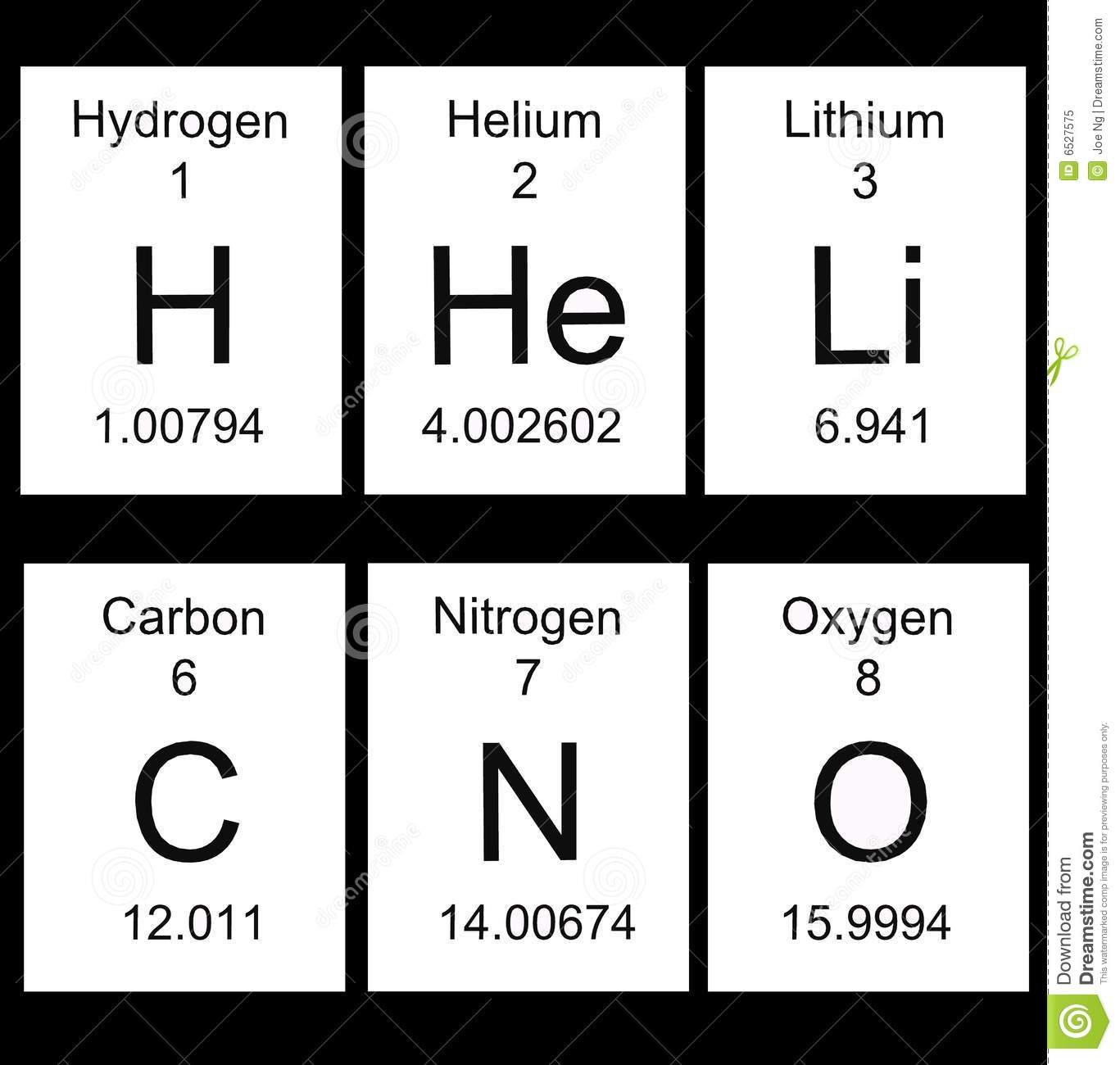
In an element box, the number at top is the

a)

atomic number

b)

atomic name

c)

atomic mass

d)

atomic symbol

110.

___________________ are positively charged particles located in the nucleus of an atom.

a)

Electrons

b)

Neutrons

c)

Protons

d)

Isotopes

111.

Isotopes are atoms of the same element with different numbers of

a)

electrons

b)

neutrons

c)

protons

d)

nuclei

112.

Elements on the Periodic Table are ordered according to their

a)

element name

b)

element symbol

c)

number of atoms

d)

atomic number

113.

Rows in the Periodic Table are called

a)

Periods

b)

Groups/Families

c)

Cousins

d)

Metals

114.

Column in the Periodic Table are called

a)

Periods

b)

Groups/Families

c)

Cousins

d)

Metals

115.

The elements that touch the zigzag line on the Periodic Table are called

a)

metals

b)

nonmetals

c)

metalloids

d)

gasses

116.

The nucleus of an atom is located in its

a)

electron cloud

b)

center

c)

proton

d)

backpack

117.

The smallest particle of an element that has the same chemical properties of the element is

a)

a molecule of that element.

b)

an atom of that element.

c)

a proton of that element.

d)

the nucleus of the element.

118.

Protons have a ____________ charge, neutrons have a ____________ charge, and electrons have a ____________ charge.

a)

positive; negative, neutral

b)

positive, neutral, negative

c)

neutral, negative, positive

d)

negative, neutral, positive

119.
The atomic number tells you what?
a)
number of electrons
b)
number of protons
c)
number of neutrons
d)
both electrons and protons in an atom.
120.
What does the 1.00794 stand for?
a)
Hydrogen
b)
atomic number
c)
atomic mass
d)
atomic explosion
121.
In the modern periodic table elements are arranged by:
a)
atomic mass
b)
atomic number
c)
valence electrons
d)
number of isotopes
122.
Most of the elements on the periodic table are classified as "metal".
a)
True
b)
False
123.
Each element is, usually, given one or two letters known as a chemical symbol.
a)
True
b)
False
124.

The three kinds of elements are

a)

metals, nonmetals, and liquid metals

b)

metals, nonmetals, and metalloids

c)

metals, solids, and liquids

d)

metalloids, asteroids, and nonmetals

125.

The Periodic Table of elements is arranged according to an element's

a)

color

b)

state of matter

c)

place in the alphabet

d)

properties

126.

Mendeleev arranged the elements by their ________________

a)

alphabetical

b)

density

c)

melting point

d)

atomic mass

127.
Most of the elements on the periodic table are classified as _____.
a)
Metals
b)
Nonmetals
c)
Metalloids
d)
Periods
128.
An element's identity is determined by the number of
a)
electrons.
b)
protons.
c)
neutrons.
d)
valence.
129.

The atomic mass of an element is:

a)

the amount of electrons the element has

b)

the element's size

c)

the number of protons and neutrons an element has in its nucleus

d)

the element's name

130.

The atomic number is the

a)

average mass of the element

b)

number of protons an element has

c)

number of valence electrons an element has

d)

group and period an element belongs to