wayground logo

Free Printable Worksheets

NEW

Font size

S
M
L
XL
Worksheets

Watersheds, WED and TX Ecoregions

Total questions: 46

Worksheet time: 38mins

Name
Class
Date
1.
Where are hurricanes most likely to do the most damage?
a)
Near the coast
b)
In the forest
c)
In a desert
d)
On the North Pole
2.
What catastrophic event would be of greatest risk to a grassland?
a)
hurricane
b)
flood
c)
tsunami
d)
wildfire
3.
What catastrophic event results in destruction along a narrow path?
a)
a volcanic eruption
b)
a tsunami
c)
a hurricane
d)
a tornado
4.
The process of breaking up rocks on Earth's surface is called...
a)
sediment
b)
erosion
c)
weathering
d)
deposition 
5.
How does freezing water cause the weathering of rocks?  The freezing water—
a)
keeps the rocks in place
b)
makes the rocks last longer
c)
expands in the cracks and breaks rocks
d)
causes rocks to fall in landslides
6.
Which of the following natural disasters have the MOST impact on TEXAS?
a)
hurricanes
b)
floods
c)
tornadoes
d)
earthquakes
7.
Rain washing away soil from a hillside
a)
Weathering
b)
Erosion
c)
Deposition
8.
A recent flood in the area has caused many short term changes to the ecosystem. Which is a long term change?
a)
Standing water in the streets and sewers
b)
Temporary displacement of organisms
c)
Permanent change in the landscape
d)
Poor water quality in rivers and streams
9.

Over growth of algae in a river could be a result of

a)

Excess fertilizer carried to the river in runoff

b)

too many fish in the river

c)

a drought

d)

chemicals from factories

10.

When rocks and sediment build up, this is called . . .

a)

Weathering

b)

Erosion

c)

Deposition

d)

All of these are correct

11.

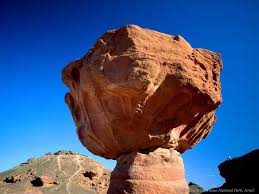
What type of erosion happened here?

a)

Wind Erosion

b)

Water Erosion

c)

Acid Rain

d)

Glacial Erosion

12.
Which of the following would be the "most effective" action that humans could take to keep a barrier island from washing away?
a)
plant lots of trees, bushes, and grass on the island
b)
limit the number of people that can come onto the island
c)
build a bridge from the island to the mainland
d)
stop building houses and roads on the island
13.
Which are examples of non-point pollution?
a)

Oil, grease and toxic chemicals from urban runoff 
b)
Sediment from improperly managed construction sites, crop and forest lands,
c)
Bacteria and nutrients from livestock and pet waste
d)
All the above
14.
Based on the above diagram, which type of pollution has the greatest effect on groundwater?
a)
Self-pollination
b)
Insect pollination
c)
Wind pollution
d)
Human pollution
15.
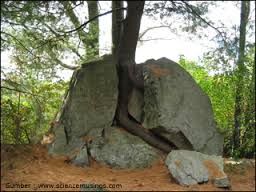
Plants usually break open small cracks in rocks with their
a)
seeds
b)
roots
c)
branches
d)
pollen
16.

What is weathering?

a)

The movement of sediment

b)

The breaking of sediment

c)

The dropping of sediment

17.

What is erosion?

a)

The movement of sediment

b)

The breaking of sediment

c)

The dropping of sediment

18.

What is deposition?

a)

The movement of sediment

b)

The breaking of sediment

c)

The dropping of sediment

19.

Water freezing inside a rock and breaking it into smaller sediment is an example of...

a)

weathering

b)

erosion

c)

deposition

20.

Beach waves dropping sand to create a beach is an example of...

a)

weathering

b)

erosion

c)

deposition

21.

Small pieces of rock that have been weathered from a larger rock are known as...

a)

sand

b)

sediment

c)

soil

22.
What is sediment?
a)
the process of rocks being broken down and carried away
b)
bits of rock, sand, and silt caused by the weathering of rocks
c)
the top layer of the soil
d)
decaying plant or animal material 
23.
The process that breaks down rocks and other materials on Earth's surface is called
a)
Weathering
b)
Erosion
24.
What is the process that picks up and moves weathered rocks?
a)
Erosion
b)
Landslide
c)
Weathering
25.
The process by which water, ice, wind, or gravity moves weathered rock and soil from one place to another.
a)
Weathering
b)
Erosion
c)
Deposition
d)
Crop Rotation
26.
Which of these is an example of erosion?
a)
Light shining onto a mountain.
b)
Rain breaking down rocks on a mountain into smaller pieces. 
c)
Wind blowing away sediment to a new place on the mountain.
d)
All of the above.
27.
How do plants weather rocks?
a)
Plants don't weather rocks.
b)
When roots grow into cracks of rocks and expand the rock breaks.
c)
When the plant moves water from the roots to the leaves, the rock breaks.
28.
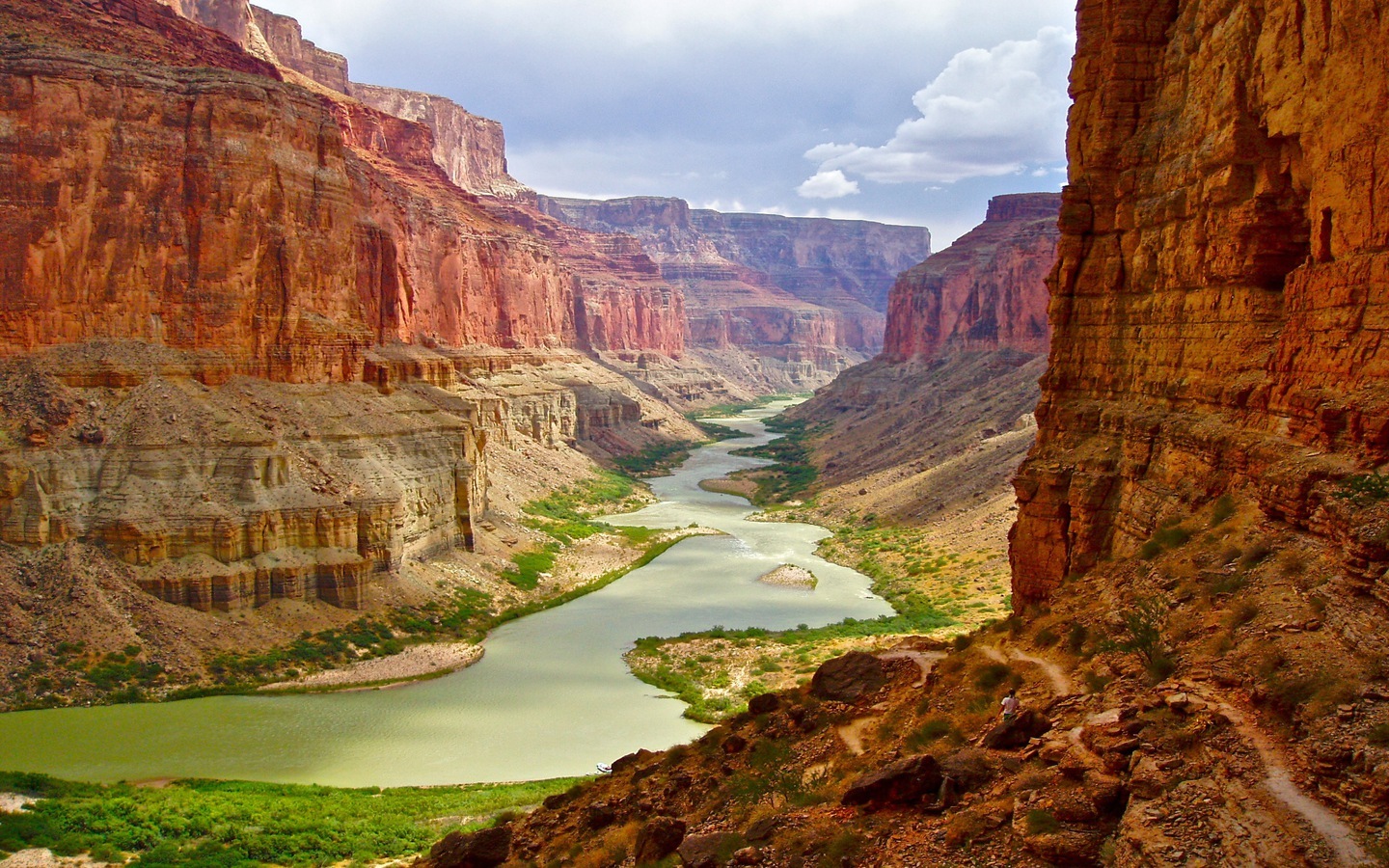
Flood water pounding against a canyon wall and wearing it down is an example of
a)
Weathering
b)
Erosion
c)
An avalanche
29.
The map shows the various ecoregions of Texas. Which ecoregion is most vulnerable to wind erosion from hurricanes originating in the Gulf of Mexico?
a)
Post Oak Savannah
b)
Blackland Prairies
c)
Edwards Plateau
d)
Gulf Prairies and Marshes
30.
The Brazos River is the longest river in Texas, emptying into the Gulf of Mexico. What type of land formation would you expect to find where the river deposits sediments as it
reaches the Gulf?
a)
A cave
b)
A mountain
c)
A delta
d)
A valley
31.
Plants prevent soil erosion by-
a)
holding dirt in place with their roots
b)
providing food for herbivores
c)
the process of photosynthesis
d)
releasing water into the atmosphere through transpiration
32.

Which ecoregion has the least amount of vegetation?

a)

Trans Pecos

b)

Cross Timbers

c)

South Texas Plains

d)

Post Oak Savannah

33.

Which ecoregion has the most abundant water resource?

a)

Trans Pecos

b)

Gulf Coast Prairies and Marshes

c)

Rolling Plains

d)

High Plains

34.
This is a picture of the _________ ecoregion of Texas.
a)
Hill Country/Edwards Plateau
b)
Piney Woods
c)
Gulf Coast Plains and Marshes
d)
High Plains
35.
This is a picture of what ecoregion in Texas?
a)
High Plains
b)
Piney Woods
c)
Gulf Coast Plains and Marshes
d)
Trans Pecos/Chihuahuan Desert
36.

Define Ecoregion

a)

spots in Texas

b)

an area defined by its environment

c)

locations

d)

sections

37.

Dallas is a city in ---------

a)

Trans Pecos

b)

South Texas Plains

c)

Blackland Prairie

d)

High Plains

38.

Biological weathering is done by . . .

a)

Wind

b)

Water

c)

Living Things

d)

Ice

39.
Flood water pounding against a canyon wall and wearing it down
a)
Weathering
b)
Erosion
c)
Deposition
40.
Waves dropping sand on the beach
a)
Weathering 
b)
Erosion
c)
Deposition
41.
Muddy water being carried away by a fast-moving river
a)
Weathering
b)
Erosion
c)
Deposition 
42.
At the beach which agent of erosion affects the coast?
a)
Wind
b)
Water
c)
Animals
d)
Gravity
43.
What agent of erosion works to change the way this land looks in this ecoregion?
a)
wind
b)
water
c)
ice/glaciers
d)
gravity
44.
Deltas forming at the mouths of rivers is called?
a)
Weathering
b)
Erosion
c)
Deposition
45.

Mostly short grass, dry and very windy. high elevation, Palo Duro Canyon.

a)

Texas Gulf Coast

b)

High Plains

46.

Little erosion due to nutrient rich soil and lots of vegetation.

Trees are the main plant life, lumber industry

a)

Piney Woods

b)

Edward's Plateau