
 Worksheets
O&E Biology Test Prep
Total questions: 85
Worksheet time: 2hrs 8mins
I am multicellular, photosynthetic, marine organism with motile sperm. I grow very fast and live my adult life attached to rocks being pounded by waves
Animalia
Plantae
Eubacteria
Fungi
I am a multicellular heterotroph that eats by ingesting grass. My species have males and females., and we CAN'T reproduce asexually.
Animalia
Fungi
Archeabacteria
Protista
I am a fast moving predator. My body has organs and tissues. I have excellent eyesight and my favorite food is ducks. I can fly.
Fungi
Anamalia
Protista
Eubacteria
I am photosynthetic and multicellular. I make my own glucose from sunlight, but get my fertilizer from insects I can catch in my folding leaves.
Fungi
Plantae
Animalia
Eubacteria


Nematodes are acoelomates.
True
False
Ascaris reproduces asexually.
True
False
What is the common name of Phylum Nematoda?
Earthworm
Roundworm
Flatworm
In most nematodes
the sexes are separate
male and female organs are found in the same organism.
they are monecious
none of these.
Which of the following structures is/are not found in roundworms
pharynx
mouth
flagella
rectum
What type of body symmetry does nematodes have?
Bilateral
Asymmetry
Radial
What kind of worm is a platyhelminthes?
Flat worm
Round worm
Special ed worm
School worm
What type of symmetry do Platyhelminthes have?
Bilateral
Asymmetrical
Round
Small
Which Class has Tapeworms
Cestoda
Monogenea
Trematoda
Nematoda

Which phyla has a soft unsegmented body and can be protected by a shell?
Mushroom
Mollusks
Echinoderm
Annelid
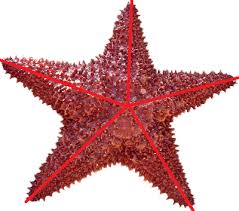
This phylum means spiny skin and lives in water
Echinoderm
Arthropods
Mollusks
Annelids
Cnidarians
This phylum has a medusa and polyp stage, stinging tentacles, and radial symmetry. What phyla is it?
Arthropods
Annelids
Cnidarian
Echinoderms
Mollusks
Which of the following organisms belong to phylum echinoderm?
Snails, octopus, squid, and slugs
Insects, crustaceans, and spiders
Jelly fish, corals, and sea anemones
Brittle stars, sea cucumbers, sea stars, and sea urchins

Select all of the following characteristics that apply to mammals: (select 3 choices)
Give live birth
Produce milk for young
Skin is covered in hair or fur
Have feathers


Which Phylum?
Echinodermata
Mollusca
Cnidaria
This phylum means spiny skin and lives in water
Echinoderm
Arthropods
Mollusks
Annelids
Cnidarians


In Bryophytes zygote develops into
Embryo
Spores
Zoospores
Protonema
If embryo sac in angiosperm represents female gametophyte then which one of the following represents male gametophyte?
Megasporangium
Microsporangium
Pollen grains
Nucellus
Which one of the following belongs to hepatocopsida?


Following is the group of plants called amphibians of plant kingdom
Algae
Pteridophytes
Gymnosperms
Bryophytes
these plants have a system of tubes to carry water and nutrients from the roots to the leaves
mosses
vascular
non-vascular
tropisms
these plants have a system of tubes to carry water and nutrients from the roots to the leaves (choose all that apply)
mosses
ferns
conifers
flowering plants

these plants are non-vascular and seedless
mosses
ferns
conifers
flowering plants
ALL plants are
eukaryotic
prokaryotic
unicellular
mutlicellular

This group of plants is vascular and seedless. They reproduce with spores under their fronds.
mosses
ferns
gymnosperms
angiosperms

This group of plants is vascular and has seeds in cones. The name means "naked seeds."
mosses
ferns
gymnosperms
angiosperms

This group of plants is vascular and has seeds in flowers or fruits.
mosses
ferns
gymnosperms
angiosperms

Flowering plants need pollinators. Pollination is important for what process?
photosynthesis
reproduction
respiration
tropisms
Gymnosperms all have 2 important characteristics that make them very unique. They are:
flowers
cones
needles
seed coats
Which group does NOT have roots?
mosses
ferns
gymnosperms
angiosperms
Tulips, daisies, sunflowers, apple trees, maple trees
mosses
ferns
gymnosperms
angiosperms
spruce, hemlock, fir, and pine trees
mosses
ferns
gymnosperms
angiosperms
Taxonomists define algae as those organisms that
Loosely fit the term
Belong in one of the seven specific phyla in kingdom Protista
Loosely fit the term and belong in seven phyla in domain Archea
Have chlorophyll and aren't plants
Red algae are important to coral reefs because
they help to cement the reef together
they are the coral polyp's primary food
they prevent sharks from feeding on coral
they add desirable colors to underwater photographs
The largest of the brown algae is ________. It is important because __________
irish moss, it is eaten in Japan
Sargassum, it is the foundation of tropical ecosystems
kelp, it is the foundation of temperate coastal ecosystems
the pneumatocyst, it grows 30 meters (98 feet) per day
What makes up the phylum Dinophyta?
Bacteria
Dinoflagellates
Diatoms
Prokaryotes
A(n) _______ plants lives partially in and out of the water. A(n) ______ plants lives entirely underwater.
submergent, mangrove
mangrove, emergent
submergent, emergent
emergent, submergent
Red algae can live deeper than other algae because they produce cellulose, which resists water pressure better.
true
false
How does brown algae attach to the substrate?
Hold on
Roots
Hold fast
Flagella
Most bryophytes are only a few centimetres tall because they lack
vascular tissues
reproductive organs
stems
leaves
Which of the following statement is true?
Bryophytes include moss, club moss, hornworts and liverworts
Bryophytes are pollinated by water.
Gametophyte is the dominant phase of a bryophyte life cycle
The common name for the organism in the phylum Bryophyta is
horsetail
clubmoss
mosses
fern
Which of the following statements are TRUE about the plants in phylum Bryophyta?
They have true roots
They are non-vascular plants
Gametophyte generation is dominant
Sporogonium is the sporophyte generation

These plants are being shown in this life cycle:
Moss
Ferns
Flowering plants
Cone plants

In this life cycle number 1 indicates:
The sporophyte
The gametophyte
Dipolid structures
Gametes

In this life cycle number 4 is the:
Gametophyte
Sporophyte
Gametes
Zygote

In this life cycle number 5 best indicates the:
sporophyte stalk
gametophyte stalk
the haploid stalk
the capsule

In this life cycle number 7 are the:
Gametes
Spores

