
 Worksheets
Plant Structure and Transport LC
Total questions: 41
Worksheet time: 21mins
What is a cotyledon?
the tough outer coat on a seed
the part of the seed that forms the roots of a plant
a food reserve in the leaf
a leaf in the seed that stores food for respiration
Which of the following are dicots?
daffodils
geranium
carrot
All of the above
venation in monocots is parallel
True
False
venation in monocots is parallel
True
False
Xylem appears as an X or cross shape in the stems of dicots
True
False
vascular bundles are scattered in the stem of monocots
True
False
Meristematic tissue
protects the developing plant roots
carries out photosynthesis
transports minerals in a plant
is an area of rapid cell division
Meristem is found in
the tip of the roots
the tip of the shoots
all of the above
Cells in the meristem divide by
mitosis
meiosis
The precise function of xylem is
to transport water from the roots to all parts of the plant
to transport minerals from the roots to all parts of the plant
To transport food from the roots to all parts of the plant
None of the above
The precise function of phloem is
To transport water and minerals around the plant
To transport oxygen around the plant
To transport sugars made during respiration around the plant
To transport sugars made during photosynthesis around the plant
The pores on the underside of leaves are called
Lenticels
Stomata
Stroma
Choose the correct statement(s)
Both carbon dioxide and oxygen diffuse in and out through stomata
Oxygen diffuses in and out, carbon dioxide out only through stomata
Carbon dioxide in and out, oxygen in only through stomata
none of the above
Stomata are the only structures through which gas exchange can occur in a plant
True
False
Which of the following is an adaptation of a leaf for photosynthesis?
It is thin
It has large numbers of chloroplasts
It has a cuticle
Stomata are only on the underside of leaves
All of the above
What happens to the oxygen produced during photosynthesis?
All of it diffuses out of the stomata as waste
All of it is used in respiration
Some diffuses out of the stomata and some is used in respiration
it is broken down to yield high energy electrons and protons used in respiration
Choose the correct statement(s)
All of the glucose produced in photosynthesis is used immediately by the plant cells
All of the glucose produced in photosynthesis is converted to starch
some of the glucose produced in photosynthesis is used immediately by the plant cells sand the rest is converted to starch
Root pressure is caused by
The build up of water molecules in the root cells
The build up of pressure from the soil on the roots
What is transpiration?
The loss of carbon dioxide dissolved in water from a plant
The loss of water from a plant
The loss of oxygen dissolved in water from a plant
Which of the following is not an environmental factor that affects transpiration?
Temperature
Light intensity
Humidity
Amount of soil water
None of the above
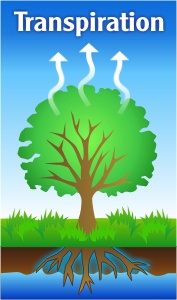

What is this?
Monocot Root
Monocot Stem
Dicot Root
Dicot Stem

What is this?
Monocot Root
Monocot Stem
Dicot Root
Dicot Stem

What is this?
Monocot Root
Monocot Stem
Dicot Root
Dicot Stem

What is this?
Monocot Root
Monocot Stem
Dicot Root
Dicot Stem
What is cohesion?
Water molecules are sticky for each other
Water molecules stick to the side of a tube
Water evaporating through the leaves
Force of water in vacuoles on the cell wall
What is adhesion?
Water molecules are sticky for each other
Water molecules stick to the side of a tube
Water evaporating through the leaves
Force of water in vacuoles on the cell wall
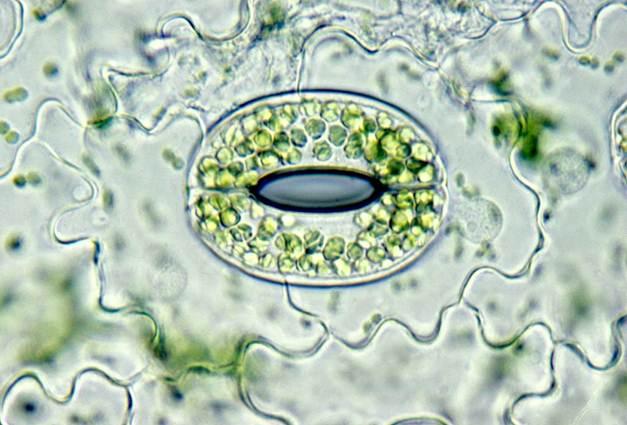
What do the guard cells do?
Control active transport
Control nutrients moving into the cell
Controls the rate of transpiration (loss of water through the leaf)
What do the guard cells do?
Control active transport
Control nutrients moving into the cell
Controls the rate of transpiration (loss of water through the leaf)
Plants lose water through the ________.
roots
stomata
chlorophyll
stem
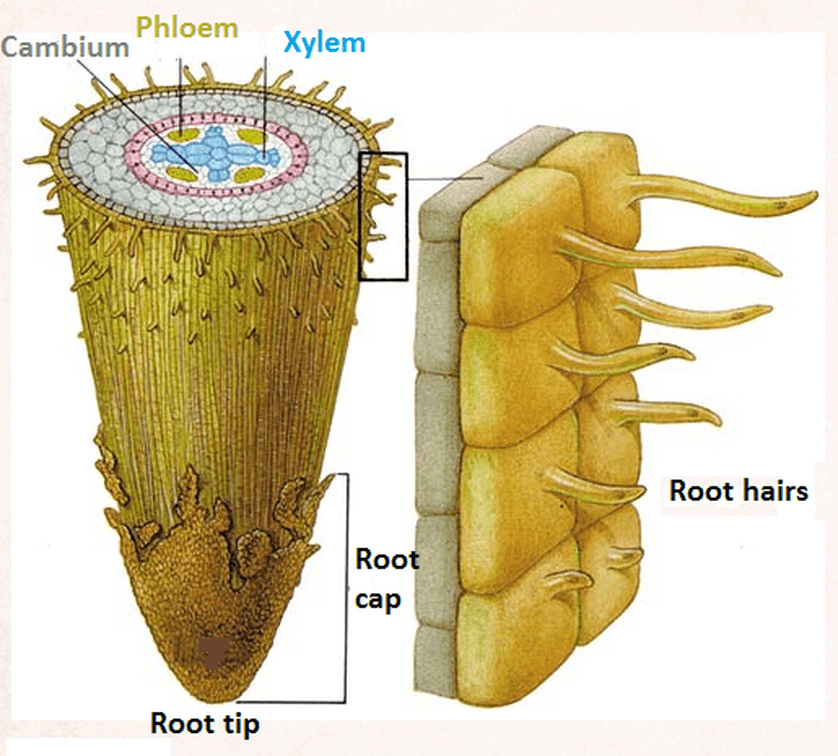
What is the function of root hair?
it is place to store the food
it has large surface area to absorb more water
it increases the root's anchorage
It prevents the loss of water
Is mature xylem alive or dead?
Alive
Dead
Are phloem cells alive or dead?
Alive
Dead
Which of the following is NOT a characteristic of plants?
Being photosynthetic
Being multicellular
Being Eukaryotic
No membrane bound organelles

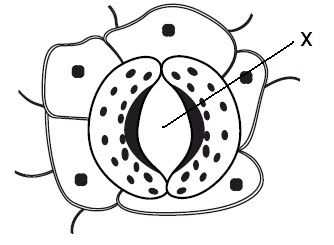
Structures represented in the illustration below are found in the lower epidermis of a plant leaf. The illustration at the right shows the response to a certain environmental condition.
The response represented in the illustration would most likely be caused by-
a reduced supply of oxygen
long periods of rainfall
high concentration of glucose
little available water

