
 Worksheets
Final Review - Entire year
Total questions: 85
Worksheet time: 1hrs 5mins


This system transports oxygen, nutrients, and wastes throughout the body.
circulatory
respiratory
endocrine
integumentary
The brain is mostly made up of ________________ tissue.
muscular
nervous
connective
epithelial
This system protects against diseases that may enter the body.
endocrine
reproductive
immune
excretory

These are all examples of
cells
tissues
organs
organ systems
organisms

This is an example of a
cell
tissue
organ
organ system
organism

Which major macromolecule is composed of simple sugars (like glucose seen here)?
carbohydrate
lipid
protein
nucleic acid


This monomer contains a phosphate, sugar and nitrogen base
nucleic acid
lipid
carbohydrate
protein

The macromolecule pictured is a common lipid known as a...
enzyme
RNA
triglyceride
oil

The monomer of lipids are:
sugars
fatty acids
amino acids
nucleotides

Cell membranes are ___________ ____________
meaning some molecules can cross the membrane while others cannot.
Selectively (or Semi) Permeable
Totally Transparent
Liquid Lattice
Heavily Patrolled
In DNA, Adenine bonds with ______________.
Guanine
Thymine
Cytosine
Adenine
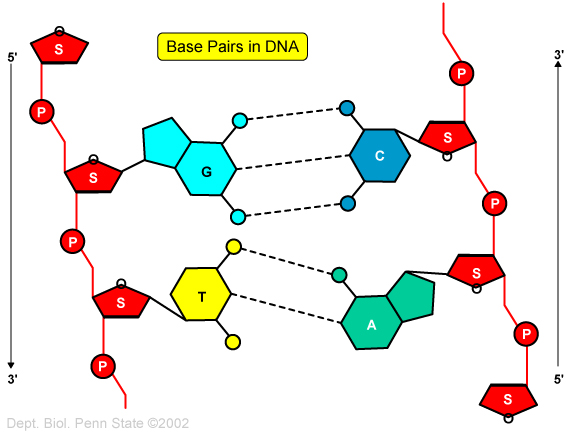

The process of making mRNA from DNA is called?
replication
translation
transcription
duplication
TGGCAAGTACGT
Which type of mutation would likely cause the MOST change in a protein?
A substitution
An insertion of 3 base pairs
A deletion of 1 base
Cells go through mitosis to create cells for.....
growth
repair of damaged cells
replacement of dying cells.
All of the above
A human cell has 46 chromosomes before mitotic division. How many chromosomes will the daughter cells contain after mitosis?
12
23
46
92
What kind of cells are made in MEIOSIS?
Haploid Gametes
Diploid Somatic Cells
Skin Cells
Liver Cells
Where does an offspring get its chromosomes in asexual reproduction?
From both parents
From only one parent
From neither parent
There are no chromosomes handed down
During sexual reproduction, ______% of offspring DNA is from the mother, and ______ % of offspring DNA is from the father.
100, 0
0, 100
50, 50
25, 75

Term for an organism that displays two dominant phenotypes at the same time
codominance
incomplete dominance
multiple alleles
linked genes

(Click the picture to see it without the text)
Which genotype represents a female who is a carrier for hemophilia?

What is the purpose of photosynthesis?
Store the sun's energy in glucose
Store the sun's energy in ATP
Release energy from glucose
release energy from ATP
How do plants get the food they need?
From the soil
They create it through photosynthesis
Plants don't need food
By eating insects
Which organisms perform Cellular respiration?
Only Autotrophs
Only Heterotrophs
Autotrophs and Heterotrophs

What organelle is this?
Mitochondria
Chloroplast
Nucleus
Amoeba

What is this organelle responsible for?
Photosynthesis
Cellular Respiration
Mitosis
Programmed cell death

How does this molecule release energy?
When it adds to another ATP molecule
When it is combined with glucose
When the Adenine is removed from the molecule
When the 3rd phosphate is removed from the molecule
Aerobic respiration uses Oxygen to break down glucose. In the absence of Oxygen, cells can perform __________________ respiration which creates a small amount of ATP.
Anaerobic
Fake
Simple
Photosynthetic
A physical or behavioral trait that helps an organism survive and reproduce in its environment is called a what?
An adaptation
A response to a stimulus
A mutation
Evolution
When looking at two birds of the same species, you notice that one has darker feathers than the other one. You also notice that one has a beak that is just a little longer. These slight differences within members of the same species are called.....
Fossils
Extinction
Meiosis
Variations


The formation of new species is a process known as ____________________, which is typically the product of isolation.
gradualism
speciation
reproductive isolation
subspecies

The diagram shows fossils in different rock layers. Which of these statements about the age of these fossils is most likely correct?
Fossil A and C are the same age
Fossil B is older than fossil C
Fossils A is older than fossil B
Fossil D is older than fossil C

A species is defined as:
a group of organisms that are extremely different.
a group of organisms that have similar characteristics and always live in the same place.
a group of organisms with similar characteristics and can reproduce to make fertile offspring.
any two organisms to make a hybrid.

Which organism will have DNA most similar to the turtle?
tuna
lacelet
leopard
lamprey
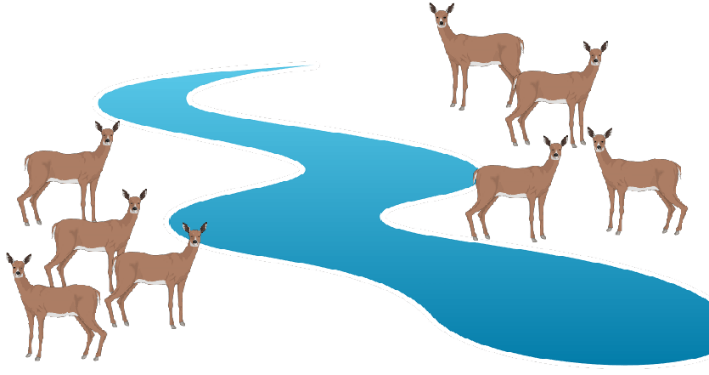
Two populations of the same species are separated by land barriers like rivers or mountains.
geographical isolation
temporal isolation
mechanical isolation
behavioral isolaton

Two populations of the same species do not have the same mating rituals or signals.
geographical isolation
temporal isolation
habitat isolation
behavioral isolaton

Individuals with intermediate traits are more likely to survive and reproduce
stabilizing selection
directional selection
adaptive radiation
disruptive selection
Ground finches born following a severe drought tend to have larger beaks (on average) than the previous generation. This is an example of:
directional selection
stabilizing selection
disruptive selection
artificial selection
Which best describes "fitness"?
An organism's ability to run or jump
The amount of exercise an organism gets in a typical day
An organism's ability to survive and reproduce in its environment
The number of organisms in the population of an environment
Due to a random change in DNA, a butterfly is born yellow in a population of purple butterflies. This butterfly survives and passes the new yellow allele on to many offspring. This is an example of evolution caused by:
Non-random Mating
Gene Flow
Mutation
Founders Effect


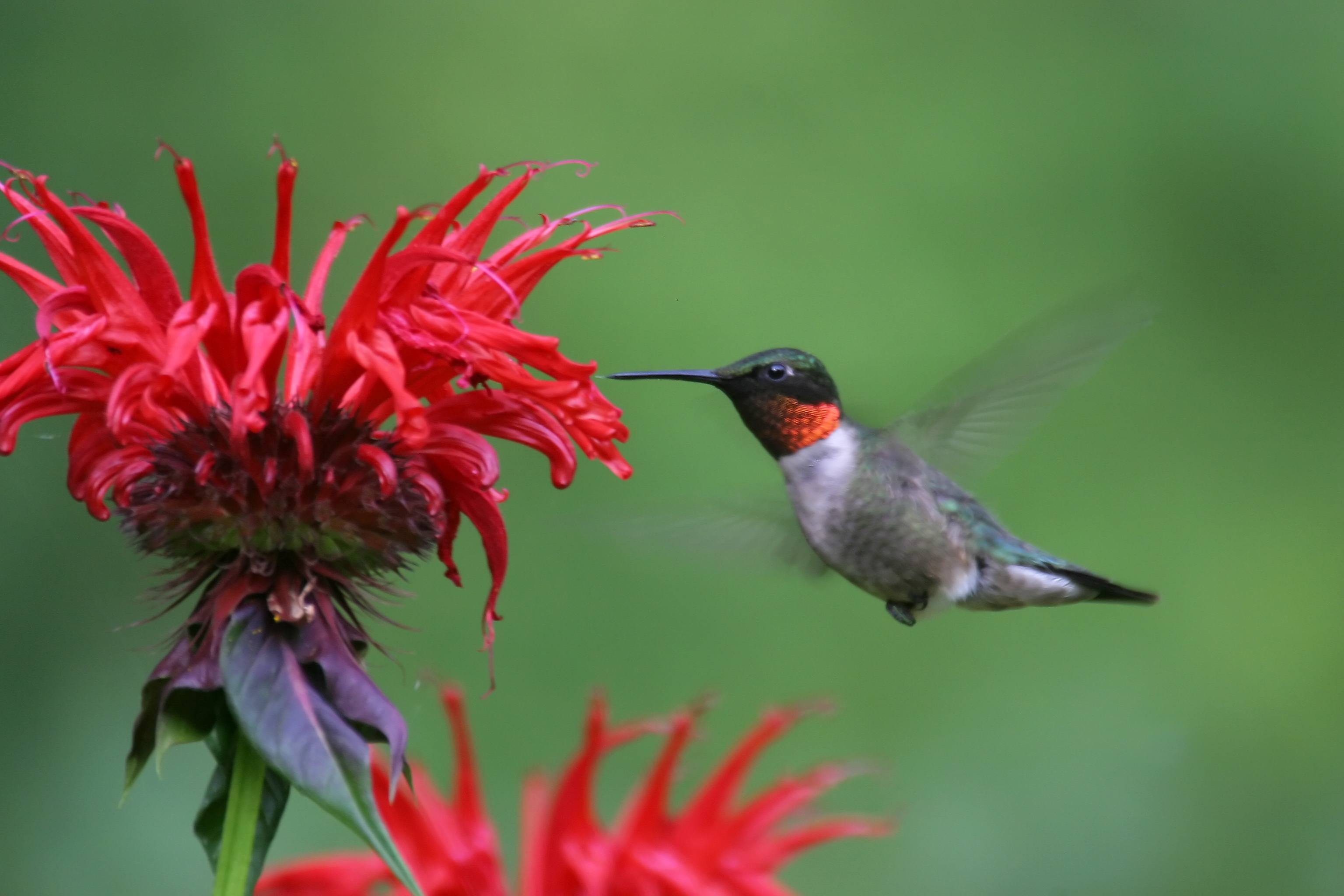
Type of symbiosis: Hummingbirds feed on nectar from flowers. The flowers are pollinated by hummingbirds as they move from flower to flower.
commensalism
mutualism
parasitism
predation

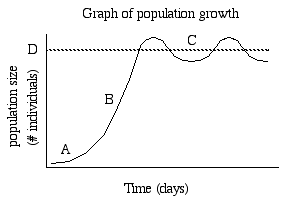
A species that exerts a large, positive impact on its ecosystem is known as a:
Keystone species
Invasive species
Introduced species
Poached species


