wayground logo

Free Printable Worksheets

Font size

S
M
L
XL
Worksheets

M3 Q1 Online Exam

Total questions: 70

Worksheet time: 1hrs 12mins

Name
Class
Date
1.

Which of the following describe a population? (2 answers)

a)

All the squirrels in a forest

b)

All the animals and plants in a field

c)

All the cows in a pasture

d)

All the birds in a forest

2.

What sort of biome is this animal adapted to?

a)

Cold Arctic

b)

Deep jungle

c)

Hot Desert

d)

Ocean shore

3.
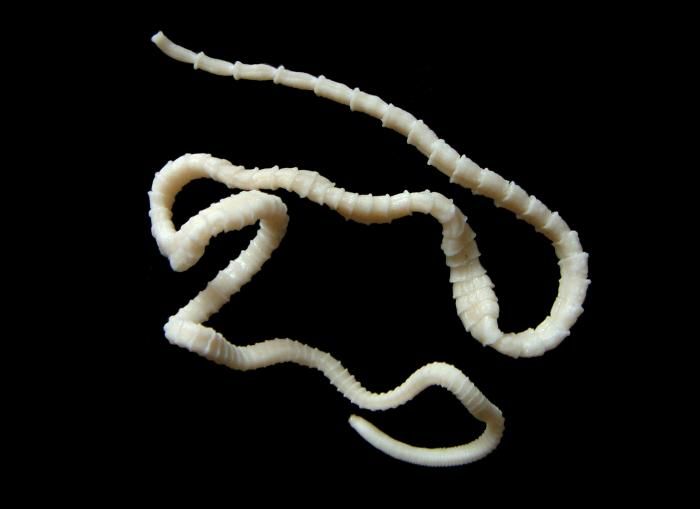
A tapeworm and a cat have this type of relationship.
a)
mutualism
b)
parasitism
c)
commensalism
d)
competition
4.

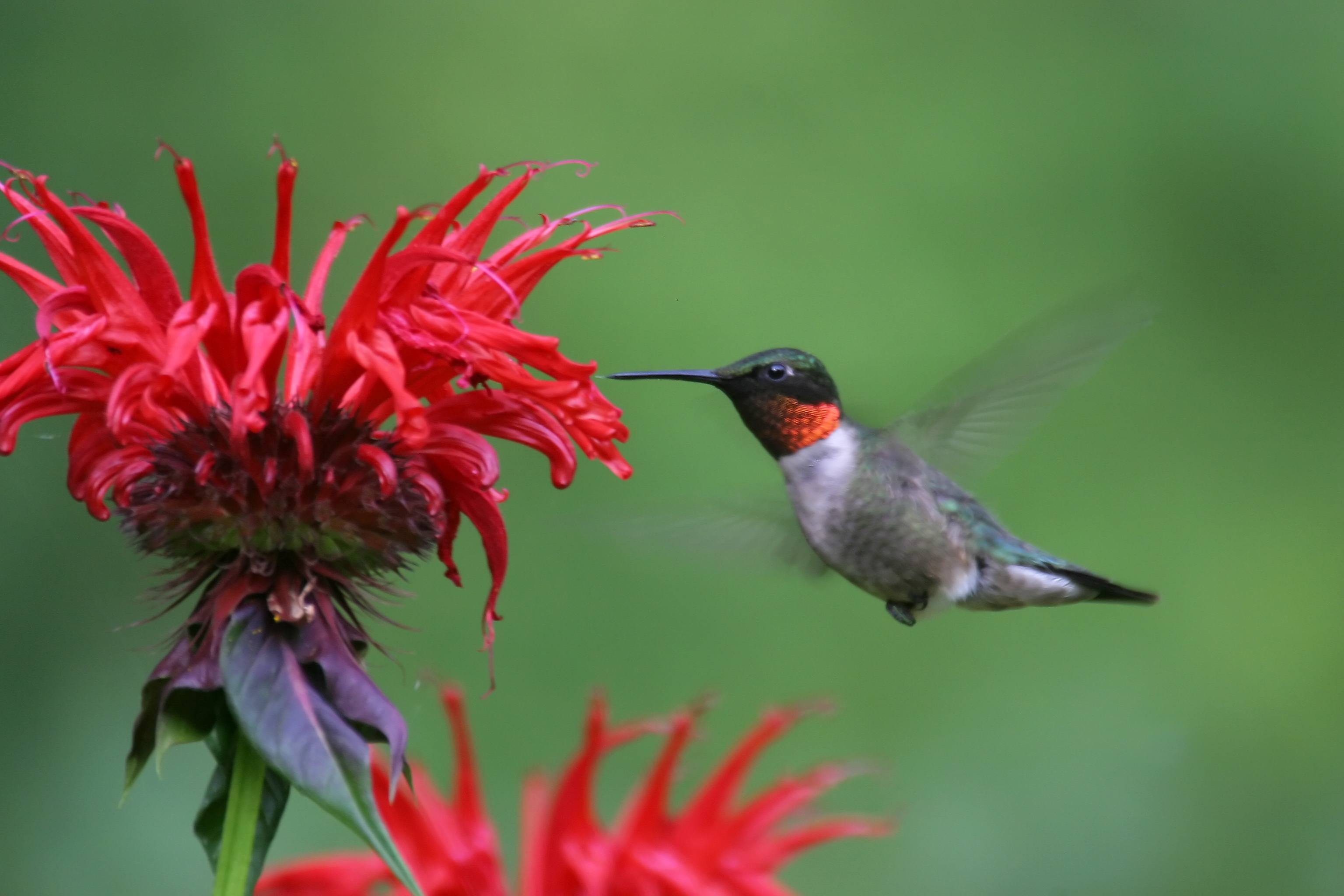
Type of symbiosis: Hummingbirds feed on nectar from flowers. The flowers are pollinated by hummingbirds as they move from flower to flower.

a)

commensalism

b)

mutualism

c)

parasitism

d)

predation

5.

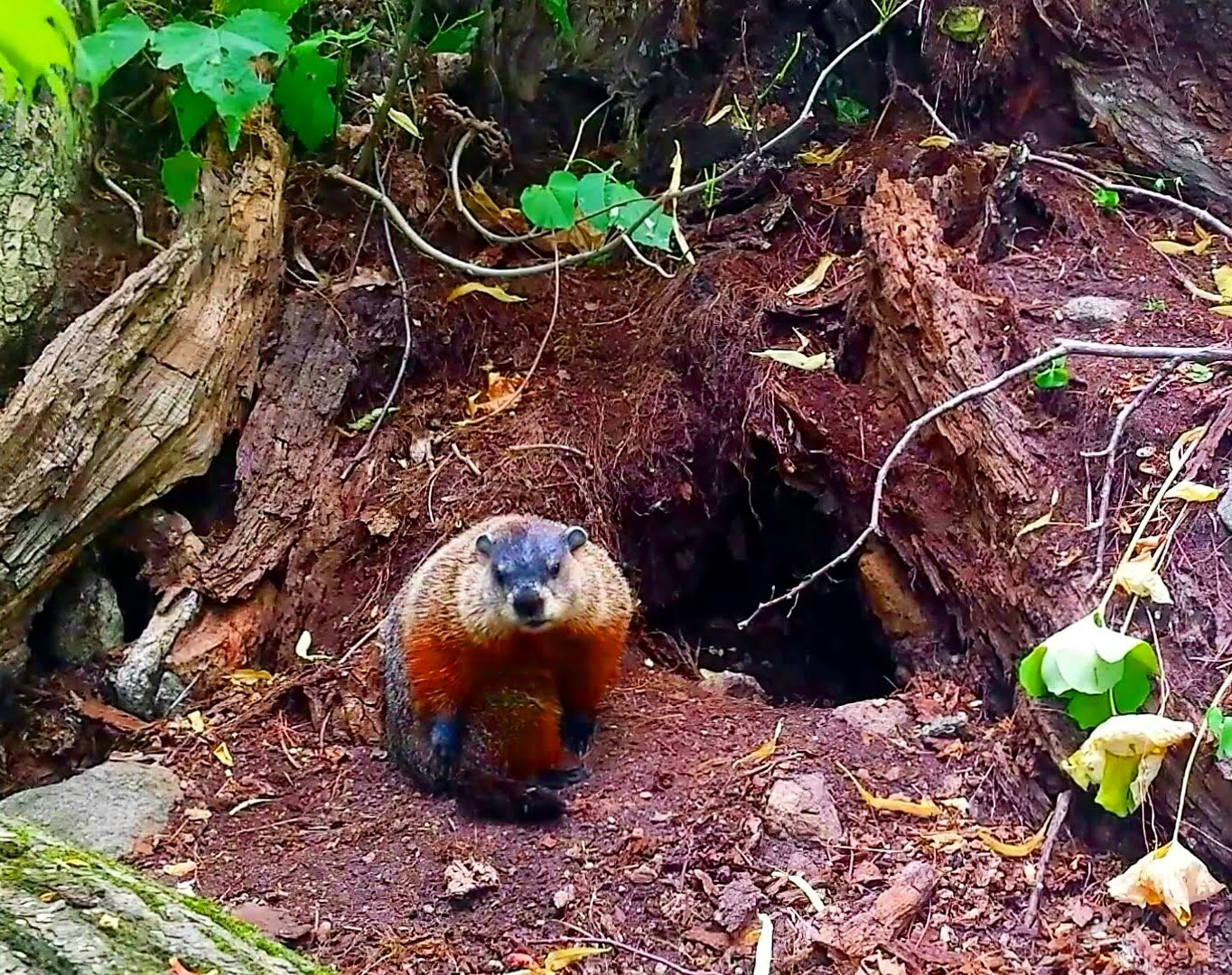
Type of symbiosis: Skunks often live in burrows that have been dug and abandoned by woodchucks.

a)

commensalism

b)

mutualism

c)

parasitism

d)

predation

6.
A relationship in which two species live closely together.
a)
resource
b)
mutualism
c)
succession
d)
symbiosis
7.
What is the name of an animal that is hunted and eaten by other animals?
a)
producer
b)
prey
c)
predator
d)
decomposer
8.

You count all the birds and small mammals in a meadow. What type of count do you complete?

a)

Population

b)

Species

c)

Biodiversity

d)

Community

9.

Several species of warblers can live in the same spruce tree ONLY because they

a)

have different habitats within the tree.

b)

eat different foods within the tree.

c)

occupy different niches within the tree.

d)

can find different temperatures within the tree.

10.

The symbiotic relationship between a flower and the insect that feeds on its nectar is an example of

a)

mutualism because the flower provides the insect with food and the insect pollinates the flower.

b)

parasitism because the insect lives off the nectar from the flower.

c)

commensalism because the insect doesn't harm the flower, and the flower doesn't benefit from the relationship.

d)

predation because the insect feeds on the flower.

11.

Two individuals that can interbreed belong to the same

a)

habitat

b)

species

c)

population

d)

food chain

12.

A student wrote several observations in a field notebook.

• Two grey wolves

• Five moose

• Several species of conifer trees

• Large granite rock

• Shallow pond


Which term best classifies all of the student’s observations?

a)

population

b)

food chain

c)

ecosystem

d)

community

13.
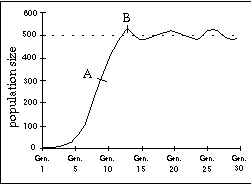
What is the carrying capacity of the graph?
a)
around 500
b)
more than 500
c)
less than 500
d)
around 600
14.
The total number of individuals a habitat can survive with the resources it has available.
a)
Carrying capacity
b)
Limiting factors
c)
Resources
d)
Population
15.

What type of relationship is shown in the photo?

a)

Mutualism

b)

Commensalism

c)

Predator-Prey

d)

Inter-species Competition

16.

A disease kills all the snakes in a closed ecosystem of wheat, mice, snakes and hawks. What happens to the other animals? Check all that apply

a)

The hawks all die off

b)

The hawks get leaner and eat mice

c)

The mice all die out

d)

The mice population grows out of control until hawks start eating them

e)

The wheat grows out of control.

17.

Into a closed ecosystem of grass, birds, snakes, and foxes, a family moved in with cats. What happens to the other members of the ecosystem? Check all that apply

a)

The cats compete with the birds for the grass

b)

The cats eat the birds

c)

The cats eat the foxes

d)

The snakes eat the cats

e)

The snakes and cats compete for the birds.

18.

The loss of which of the following would do the most damage to an ecosystem?

a)

Large Herbivore insects

b)

Insectivore mammals

c)

Snakes

d)

Insectivore birds

e)

Hawks.

19.

Which of the following relationships is unlike the others?

a)
b)
c)
d)
20.

Where does this organism live?

a)
b)
c)
d)
21.

In this photo, what is an abiotic factor?

a)

Deer

b)

Grass

c)

rain

22.
When a population grows past the ecosystem's carrying capacity, what happens to the population?
a)
Continues to grow
b)
The population starts to die off to return to carrying capcity
c)
The population will go extinct due to lack of resources
d)
The population grows then finds a new carrying capacity
23.
In a forest ecosystem, which of the following is the best example of a limiting factor for a rabbit population?
a)
Squirrel Population
b)
Sunlight
c)
Grass available
24.
Which of the following would INCREASE the carrying capacity of an ecosystem?
a)
increase in predators
b)
disease
c)
increase in available food
d)
drought
25.
In this energy pyramid, which organisms have the most energy available?
a)
Producers
b)
Carnivores
c)
Herbivores
d)
Top Predator
26.
How much of the energy in each level of a ecological pyramid gets lost as heat or used by the organism so that it cannot be passed on to the next trophic level?
a)
80%
b)
90%
c)
10%
d)
20%
27.
The number of organisms _________ with each successive (higher) trophic level. 
a)
increases
b)
decreases
28.

Grizzly bears eat seeds, berries, roots, grasses, fungi, deer, elk, fish, and insects. This would make them a(n)...

a)

Detritivore

b)

Carnivore

c)

Herbivore

d)

Omnivore

29.
An organism that eats the secondary consumer.
a)
Primary Consumer
b)
Secondary Consumer
c)
Tertiary Consumer
d)
Consumer
30.

Which of the following organisms does the leopard seal NOT eat?

a)

Fish

b)

Killer Whale

c)

Seagull

d)

Penguin

31.

When you consume an organism, you only receive 10% of the energy, but how much of the toxins do you receive?

a)

All of the toxins

b)

10% toxins

c)

1% toxins

d)

None of the toxins

32.

Which organism would have the most bioaccumulation?

a)

eucalyptus tree

b)

wombats

c)

kookaburras

d)

koalas

33.

Toxin concentrations _____________ as you go up the food chain.

a)

do not change

b)

increase

c)

decrease

34.

What is a toxin?

a)

a chemical or substance that can make you sick or kill you

b)

a chemical or substance that can make you healthy

c)

a predator

d)

a mitochondria

35.
What is the role of decomposers in a food chain?
a)
Use sunlight to make food
b)
Eat other organisms to gain energy
c)
Make the food for the whole food chain
d)
Break down dead organisms and add nutrients to the soil
36.
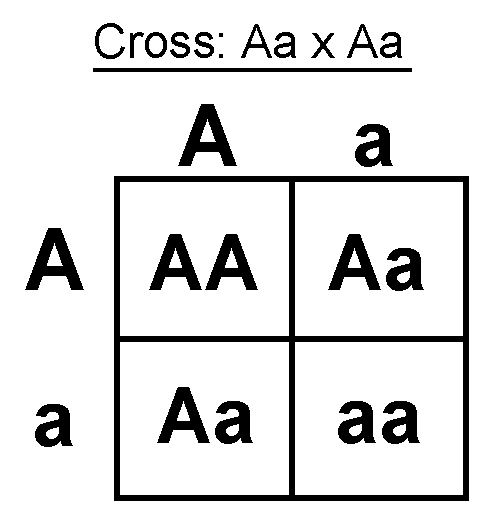
What allele combination should go in the missing box?
a)
AA
b)
Aa
c)
aa
d)
none of these
37.
In rabbits, black fur (B) is dominant over brown fur (b). If a rabbit has brown fur, what can you conclude about its genotype?
a)
It is BB.
b)
It is Bb
c)
It is brown
d)
It is bb.
38.
If B = brown hair and b = blonde hair, what is the probability of brown hair?
a)
25%
b)
50%
c)
0%
d)
75%
39.
What is the phenotype of the offspring? (A-Brown hair; a-blond hair) 
a)
50 % Brown Hair and 50% Blond Hair 
b)
25 % Brown Hair and 75% Blond Hair 
c)
75 % Brown Hair and 25% Blond Hair 
d)
0% Brown Hair and 100% Blond Hair 
40.
What is a phenotype
a)
The genetic make up (code)
b)
The physical trait
41.
What is the probability of heterozygous offspring?
a)
25%
b)
50%
c)
0%
d)
100%
42.

Gretford is heterozygous. If (R) for Round head, and (r) is for Egg head, what is Gretford's genotype?

a)

RR

b)

Rr

c)

rr

d)

rR

43.

A heterozygous tall pea plant (T) is crossed with a short pea plant (t).


Perform a punnett square cross and determine the Genotype & %.

a)

100% Tt

b)

50% Tt, 50% tt

c)

75%Tt, 25%tt

d)

25%TT, 50%Tt, 25%tt

44.
High biodiversity is 
a)
having a lot of the same organism.
b)
having a few of the same organism.
c)
having a lot of variety of different organisms.
d)
only having one of each organism. 
45.

Which shows more biodiversity Image A or Image B. Why?

a)

Image B is more biodiverse, because shows more different species than image A.

b)

Image A is more biodiverse, because shows a greater number of organisms that image B

c)

Both images show the same biodiversity

46.

Which statement best describes an example of high biodiversity?

a)

A pond ecosystem is populated by a single species of frogs

b)

A state park that includes multiple forest and freshwater ecosystems with many different species of fish, birds and frogs in a variety of colors

c)

A desert ecosystem is populated by organ pipe cacti, camels, and armadillo lizards

47.
A drought has hit this grassland biome. How will this effect the rabbit population?
a)
The rabbits will increase in number.
b)
The rabbit population will stay the same.
c)
The rabbit population will decrease.
d)
The rabbit population will become extinct immediately.
48.

Which of the following is a result of a nondisjunction?

a)

Klinefleter syndrome

b)

Sickle cell anemia

c)

Cystic fibrosis

d)

Hemophilia

49.

Which of the following is a sex-linked disorder?

a)

Hemophilia

b)

Sickle cell anemia

c)

Cystic fibrosis

d)

Huntington's

50.
This karyotype is taken from a  ___________.
a)
normal female
b)
normal male
c)
male with Klinefelter's syndrome
d)
female with Turner's syndrome
51.
This karyotype is taken from a  ________.
a)
female with Turner's syndrome
b)
male with Down's syndrome
c)
female with Down's syndrome
d)
normal female
52.
Which genetic disorder is sex-linked?
a)
Huntington's
b)
cystic fibrosis
c)
red-green colorblindness
d)
sickle cell anemia
53.
What process does a multi-cellular organism use to replace its damaged body cells?
a)
mitosis
b)
meiosis
c)
replication
d)
transcription
54.
Identify the stage of mitosis.
a)
interphase
b)
prophase
c)
metaphase
d)
anaphase
55.
Identify the stage of mitosis. 
a)
interphase
b)
prophase
c)
anaphase
d)
cytokinesis
56.

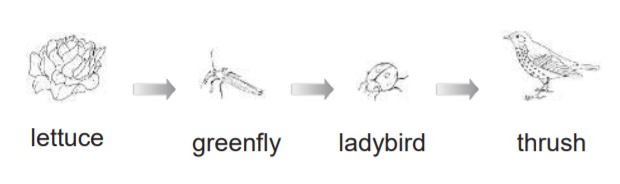
Who is the herbivore?

a)

lettuce

b)

greenfly

c)

ladybird

d)

thrush

57.
The ___% rule states that only ____% of energy is transferred to the next trophic level.
a)
10%
b)
25%
c)
50%
d)
100%
58.
Panda: Producer, consumer or decomposer?
a)
Producer
b)
Consumer
c)
Decomposer
59.
Cats ONLY eat meat. They are ____.
a)
Carnivores
b)
Herbivores
c)
Omnivores
60.

The wolf goes extinct, and the deer population has no predator to worry about. They graze the land. Because there is no more food. Some of the deer begin to bite at each other, while others die of starvation. What is the limiting factor to the deep population?

a)

Competition

b)

Overcrowding

c)

Predator-Prey Relationships

d)

Herbivory Effect

61.

What cycle is shown in the diagram?

a)

The Life Cycle

b)

The Nitrogen Cycle

c)

The Carbon Cycle

d)

The Water Cycle

62.

How do decomposers help the carbon cycle? (2 answers)

a)

Carbon is leaked into the atmosphere when fossil fuels are burned.

b)

Dead, organic matter is broken down and release carbon dioxide into the air

c)

Volcanoes and fires release large amounts of carbon dioxide.

d)

Decaying organisms are needed for carbon to be released

63.
What are the four most important materials needed by living organisms?
a)
water, carbon, oxygen, nitrogen
b)
water, food, oxygen, carbon
c)
water, carbon, nitrogen, phosphorous
d)
water, carbon, food, phosphorous
64.
This is part of nucleic acids, ATP, and helps form animals' bones and teeth.
a)
Nitrogen
b)
Carbon
c)
Water
d)
Phosphorous
65.
The conversion of nitrate to nitrogen gas is called what?
a)
nitrification
b)
renitrification
c)
denitrification
d)
unnitrification
66.
The conversion of ammonium to nitrate is called what?
a)
nitrification
b)
renitrification
c)
denitrification
d)
unnitrification
67.
Which of these is the greatest cause of harmful levels of carbon in the atmosphere?
a)
respiration
b)
combustion
c)
photosynthesis
d)
decomposition
68.
Which of these steps is part of the nitrogen cycle AND the phosphorous cycle?
a)
it starts off inside underwater rocks and dirt
b)
bacteria convert it into organic compounds
c)
animals leaving waste and death and decay release it back into the soil
d)
rain water and ocean waves break off pieces, putting it back into the ecosystem
69.
How many chromosomes do you get from each parent?
a)
22
b)
23
c)
44
d)
46
70.
The different forms of a gene that determine a characteristic are known as
a)
alleles
b)
albinism
c)
phenotype
d)
genes