
 Worksheets
8 Some Body Systems
Total questions: 50
Worksheet time: 25mins
What process burns glucose in oxygen for energy ?
respiration
photosynthesis
circulatory system
digestive system
The sheet of muscle, that separates the chest from the abdomen and helps the lungs to breathe:
diaphragm
epiglottis
alveoli
bronchial tubes
After air moves through the pharynx it continues down the _____, or windpipe, which has rings of cartilage to hold it open.
mucus
trachea
larynx
epiglottis
The ____ are where the exchange of oxygen and carbon dioxide takes place in the lungs.
trachea
bronchial tubes
bronchioles
alveoli
The tubes that go from the trachea into the lungs:
alveoli
diaphragm
epiglottis
bronchial tubes
A flap of tissue that closes when we eat so food doesn't go down the trachea:
larynx
pharynx
epiglottis
oesophagus
The gas _______ is needed to stay alive.
oxygen
carbon dioxide
nitrogen
helium
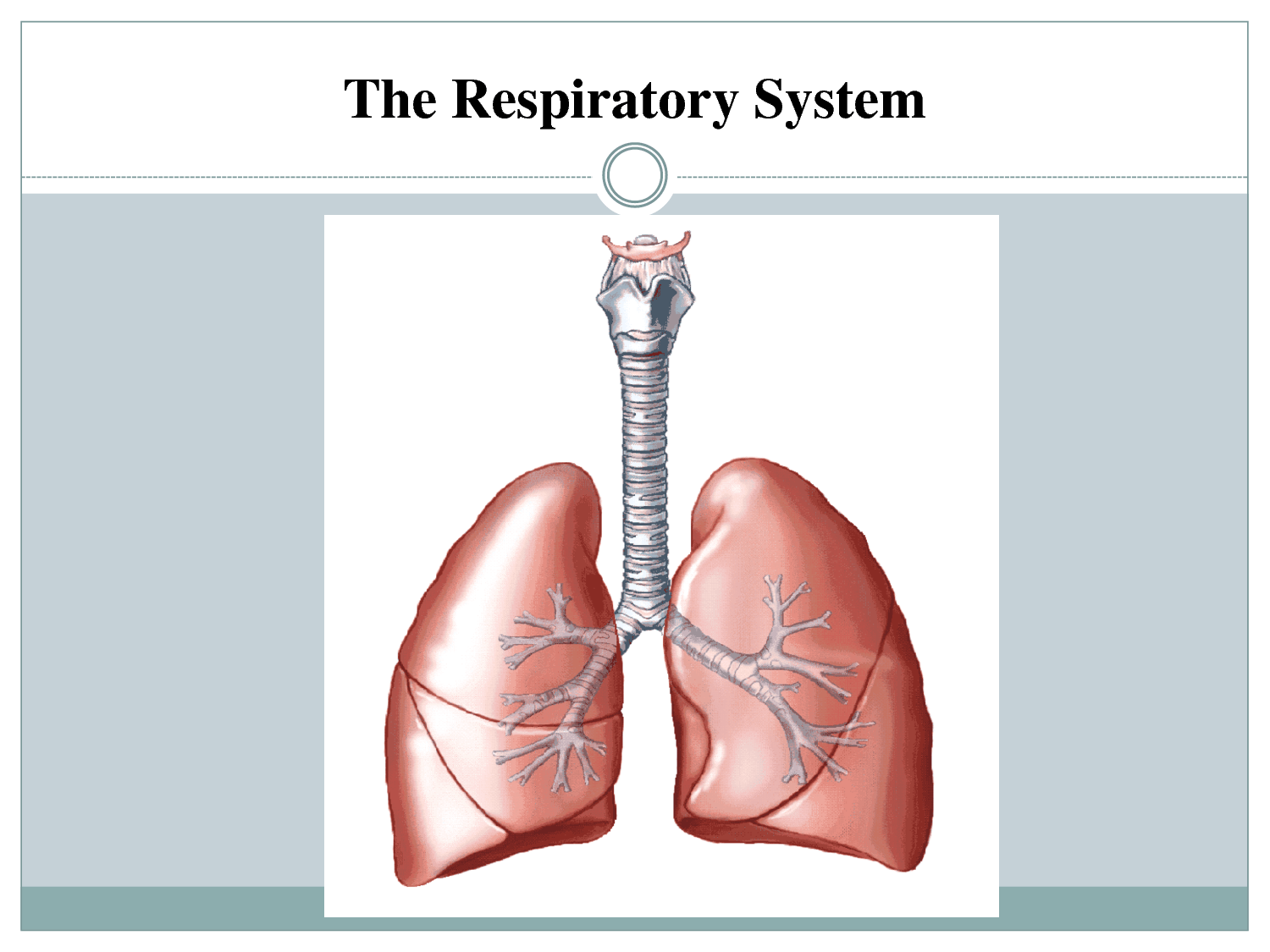
The main function of the respiratory system is to:
provide oxygen and remove carbon dioxide from the body
bring oxygen to the body
break down food and absorb nutrients
remove oxygen from the body and deliver carbon dioxide


What is the function of the bronchi?
Transport air from nose to lungs
Transport air from trachea to bronchioles
Transport air from nose to alveoli
The alveoli diffuse oxygen and carbon dioxide with the ______________, which are tiny blood vessels that carry the oxygenated blood to the rest of your body.
Capillaries
Arteries
Veins

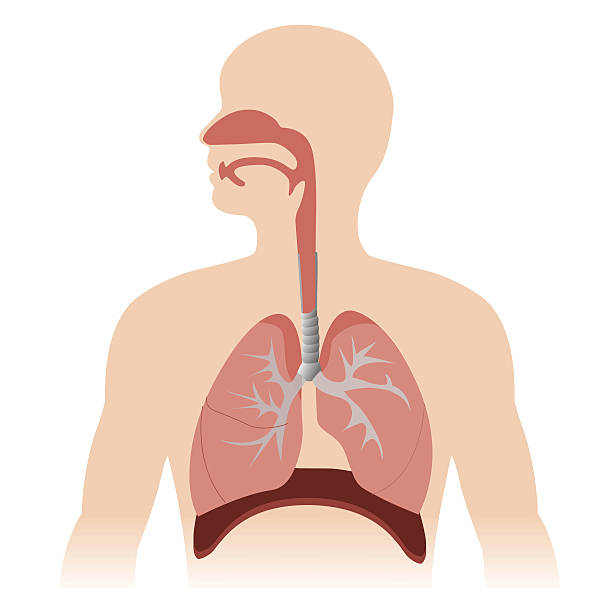
What system is shown in the picture?
Nervous System
Respiratory System
Muscular System
Circulatory System
Which is NOT a function of the circulatory system?
Deliver oxygen and nutrients to cells
Remove carbon dioxide and wastes from cells
Break down carbohydrates into glucose
Transport other materials through body
The thickest chamber of the heart is the:
left ventricle
right ventricle
left atrium
right atrium
The blood vessels that normally carry oxygenated blood from the heart to the body cells are:
arteries
capillaries
veins
alveoli

Name part N.
Right atrium
Left atrium
Right ventricle
Left ventricle

Name part A.
Pulmonary artery
Pulmonary vein
Superior vena cava
Aorta
The blood vessels that normally carry de-oxygenated blood back to the heart from body cells are:
arteries
capillaries
veins
alveoli
Arteries, veins, and capillaries are three types of __________
heart valves
blood vessels
cells
veins
Tough question, think about it: What is the type of circulation for blood flow from the heart to the lungs and back to the heart again?
Systemic circulation
Renal circulation
Portal circulation
Pulmonary circulation

What do red blood cells do?
Carry oxygen from the lungs to the body cells and transport carbon dioxide from the cells back to the lungs
Keep blood flowing in one direction to the heart and prevent blood from flowing backwards
Collect blood from the capillaries and drain it into the veins
Bring nutrients to the cells and carries away waste materials.
The component of blood that helps with clotting is:
red blood cells
white blood cells
plasma
platelets
Careful of this one: The type of blood vessel where exchange of gases, nutrients, and wastes occurs:
arteries
capillaries
veins
alveoli
Tough one, think it through: After blood has passed through the main body vein, which main blood vessel will it go through next?
hepatic vein
celiac artery
pulmonary artery
pulmonary vein

What body system is shown in the picture?
Nervous System
Skeletal System
Respiratory System
Digestive System

The part of the digestive system at number 3 is the:
oesophagus
stomach
small intestine
liver
The part of the digestive system at number 4 is the:
oesophagus
large intestine
small intestine
liver

Identify this part of the digestive system.
Throat
Oesophagus
Neck
Body
The main accessory organs for the digestive system are:
stomach, liver, pancreas
liver, gall bladder, rectum
liver, pancreas, gall bladder
anus, gall bladder, pancreas
What inside of your mouth helps to digest food?
Tongue
Saliva
Teeth
All of these
The stretchy tube that connects the mouth to the stomach is the:
epiglottis
oesophagus
trachea
small intestine
The organ that filters waste and produces bile is the:
esophagus
gall bladder
pancreas
liver
The organ that regulates the body's sugar and helps produce insulin is the:
stomach
gall bladder
pancreas
large intestine
After the stomach where does the digested food go next?
Into the esophagus
Into the large intestine
Into the small intestine
into the liver
The organ that STORES the green bile is the:
liver
pancreas
gall bladder
heart
The type of digestion that takes place in the stomach is:
physical
chemical
both physical and chemical
The enzyme found in saliva that starts digesting carbohydrates is:
amylase
chyme
pepsin
bile
The enzyme that digests proteins is:
amylase
chyme
protease
lipase
Where does the digestive system mechanically and chemically break down food?
Mouth
Stomach
Both the mouth and stomach
What chemically breaks down food into smaller molecules?
Teeth
Muscles of the stomach
Enzymes
Peristalsis
What are the rhythmic muscular contractions of your oesophagus that help food move along?
Swallowing
Peristalsis
Villi
Diffusion
Where is faeces (poo) stored until it is time to be released from the body?
large intestine
rectum
liver
anus
What type of food turns blue-black when iodine solution is added to it?
Sugar
Protein
Starch
Fat

