wayground logo

Free Printable Worksheets

Font size

S
M
L
XL
Worksheets

Grade 7 practice paper

Total questions: 123

Worksheet time: 2hrs 26mins

Name
Class
Date
1.
These can only be separated by chemical means. 
a)
element 
b)
compound 
c)
mixture 
d)
stuff 
2.
These contain only one kind of atom. 
a)
element 
b)
compound 
c)
mixture 
d)
water 
3.
The air is a _________. 
a)
element 
b)
mixture 
c)
compound 
d)
energy 
4.
Water is a ___________. 
a)
element 
b)
mixture 
c)
compound 
5.
The things in a mixture always retain their........
a)
smell properties 
b)
physical and chemical properties 
c)
shape 
d)
color 
6.
Elements can be broken down into simpler substances. 
a)
false 
b)
true 
c)
sometimes 
7.
Compounds contain a _____ set of elements.
a)
fixed
b)
random 
c)
sweet 
d)
inaccurate 
8.
These are mixtures that are the same throughout. 
a)
homogeneous mixtures 
b)
heterogeneous mixtures 
c)
mixed mixtures 
9.
These are mixtures that are not the same throughout. 
a)
homogeneous mixtures 
b)
heterogeneous mixtures 
c)
solutions 
d)
water 
10.
A compound is made of ________ atoms. 
a)
big 
b)
similar 
c)
different 
11.
Sand at the beach is a _______. 
a)
homogeneous mixture 
b)
heterogeneous mixture 
c)
compound 
d)
element 
12.

Carbon is a(n) ______

a)

compound

b)

element

c)

mixture

13.
DIFFERENT kinds of atoms chemically combined to form a substance are
a)
Mixture
b)
Element
c)
Compound
d)
Substance
14.
You are eating a pizza. What type of mixture are you consuming?
a)
homogeneous
b)
heterogeneous
c)
pure substance
d)
The Periodic Table
15.
A mixture that appears to be evenly mixed throughout:
a)
an atom
b)
a compound
c)
a homogeneous mixture
d)
a heterogeneous mixture
16.
Salt is a(n)
a)
element
b)
compound
c)
mixture
17.
This contains a variety elements and compounds that ARE NOT chemically combined.
a)
Water
b)
Mixture
c)
Elements
d)
Compounds
18.
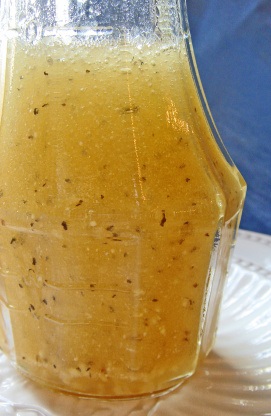
Italian Salad Dressing is a . . .
a)
heterogeneous mixture
b)
homogeneous mixture
c)
Pure Substance
d)
Compound
19.
Of these mixtures, which one is a solution?
a)
A
b)
B
c)
C
d)
D
20.
A combination of particles of one or more substance that are distributed uniformly throughout another substance is a/an
a)
Mixture 
b)
Substance
c)
Solution
21.
A pure substance that cannot be broken down into other substances by chemical or physical means. 
a)
compound          
b)
atom
c)
mixture 
d)
element
22.
A pure substance...
a)
is an element or a compound
b)
is an element or a mixture
c)
is a compound or a mixture
d)
is a mixture
23.
If a spoonful of sugar is mixed in a glass of water, what is the water called? 
a)
solute
b)
solution
c)
solvent
d)
element 
24.
Milk is a 
a)
solution
b)
suspension
c)
colloid
25.
A mixture made of parts that separate upon standing is what type of mixture?
a)
suspension
b)
solution
c)
alloy
d)
colloid
26.
type of mixture that doesn't separate on its own but still contains undissolved particles
a)
solution
b)
colloid
c)
suspension
27.

The chart below lists some substances and their symbols. How many of these substances are examples of elements?

a)

1

b)

2

c)

3

d)

4

28.

What makes elements and compounds different from mixtures? Elements & compounds-

a)

have a constant composition (pure substances)

b)

are made of gases

c)

Will not change when heated

d)

conduct electric current

29.

What is the relationship between molecules and atoms?

a)

Molecules are combinations of two or more atoms.

b)

Molecules are the parts that make up atoms

c)

Molecules are the gaseous parts of atoms

d)

Molecules are atoms that have a positive charge
30.

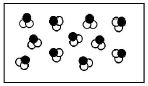
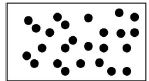
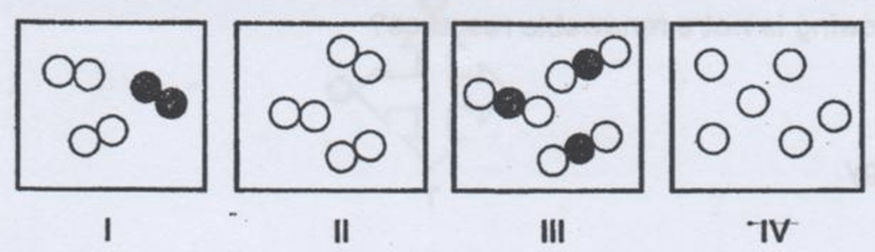
In the diagrams provided, the circles of different colors represent the atoms of different elements. Which diagram represents a mixture?

a)

I

b)

II

c)

III

d)

IV

31.

Mixtures are different than pure substances because mixtures-

a)

have lower boiling points

b)

can be separated physically

c)

are less dense than pure substances

d)

contain only one type of atom

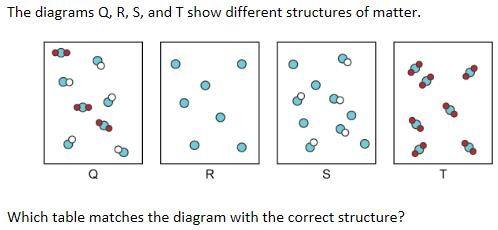
32.

Which answer correctly matches the diagram with the correct description?

a)

Q- Multiple compounds R-A single element S-An element and a compound T- A single compound

b)

Q- A single element, R- An element and a compound S-A single compound T-Multiple compounds

c)

Q- A single compound, R- A single element, S- Multiple compounds, T- An element and a compound

d)

Q- An element and a compound, R- a single compound, S- a single element, T- multiple compounds

33.

Which of the following is true of oxygen?

a)

Oxygen is an element because its most basic unit is a single type of atom

b)

Oxygen is a compound because its most basic unit is a single type of atom.

c)

Oxygen is a mixture because its most basic unit contains more than one particle.

d)

Oxygen is a compound because its most basic unit contains more than one type of particle.

34.

Beatriz wants to make a mixture out of her bowl of blueberries. Which of the following would turn her bowl of blueberries into a mixture?

a)

adding more blueberries to the bowl

b)

adding raspberries to the bowl

c)

cutting up the blueberries

d)

mashing the blueberries

35.

Humans absorb oxygen from the air they breathe in and exhale carbon dioxide gas, CO2. Carbon dioxide gas is

a)

an element made of carbon and oxygen atoms.

b)

a solution made of carbon and oxygen atoms.

c)

a compound of carbon and oxygen atoms.

d)

a mixture of carbon and oxygen atoms.

36.

Sam's mother is cooking breakfast in a cast-iron frying pan. If the pan is made only of iron, what can Sam conclude?

a)

The pan is a pure substance with the chemical symbol Ir.

b)

The pan is a pure substance with the chemical symbol I.

c)

The pan is a pure substance with the chemical symbol F.

d)

The pan is a pure substance with the chemical symbol Fe.

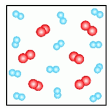
37.
This diagram represents a _____.
a)
pure substance that is a compound
b)
mixture of elements
c)
pure substance that is an element
d)
mixture of compounds
38.
This diagram represents a _____.
a)
pure substance that is a compound
b)
mixture of elements
c)
pure substance that is an element
d)
mixture of compounds
39.
a)
Element
b)
Compound
c)
Mixture of compound and element
d)
Mixture of elements
40.
a)
Element
b)
Compound
c)
Mixture of compound and element
d)
Mixture of elements
41.
a)
Element
b)
Compound
c)
Mixture of compound and element
d)
Mixture of elements
42.
a)
Element
b)
Compound
c)
Mixture of compound and element
d)
Mixture of two elements
43.
To change a solid to a liquid, what do you add?
a)
heat
b)
water
c)
cold
d)
mass
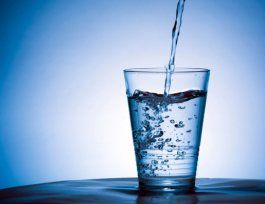
44.
Based off of the image, what type of matter is shown?
a)
gas
b)
solid
c)
liquid
45.
What is CO2 and example of?
a)
element
b)
mixture
c)
compound
46.

Granite forms when magma cools slowly, deep underground, into large crystals composed of the minerals quartz, feldspar, and mica. How would granite be classified?

a)

compound

b)

heterogeneous mixture

c)

homogeneous mixture

d)

solution

47.

Each ball shown in the diagram represents a type of atom. Balls of the same shade and size represent the same kind of atom. Which diagram shows a mixture?

a)

1

b)

2

c)

3

d)

4

48.

Which substance is comprised of more than one element?

a)

helium

b)

aluminum

c)

silver

d)

steel

49.

Ammonia is made up of two pure substances: nitrogen and hydrogen. What can be true for ammonia, nitrogen, and hydrogen?

a)

Ammonia is a mixture, and nitrogen and hydrogen are elements.

b)

Ammonia is a mixture, and nitrogen and hydrogen are compounds

c)

Ammonia is a compound, and nitrogen and hydrogen are elements.

d)

Ammonia is an element, and nitrogen and hydrogen are compounds.

50.

The image shows the atomic arrangements of four different substances. Which are compounds and why?

a)

hydrogen because it contains only one kind of atom

b)

methane because it contains the maximum number of molecules

c)

water and carbon dioxide because each contains a similar number of molecules

d)

water, carbon dioxide, and methane because each contains more than one element

51.

Study the flow chart showing the organization of matter. What term is missing as indicated by the question mark in the flow chart?

a)

compounds

b)

metals

c)

molecules

d)

solutions

52.

Two students are working in the laboratory with a mixture of sand and water. Which piece of equipment should the students use to separate the mixture?

a)
b)
c)
d)
53.

The table shows two sets of substances. Which terms best identify both sets?

a)

Set 1: compounds; Set 2: elements

b)

Set 1: elements; Set 2: compounds

c)

Set 1: elements and compounds; Set 2: elements

d)

Set 1: compounds; Set 2: elements and compounds

54.

What composes an element?

a)

atoms of the same structure

b)

compounds of the same structure

c)

mixtures of different substances

d)

molecules of different structures

55.

Jamie poured a mixture of sand and salt water into a beaker through a funnel lined with filter paper. What will be found in the beaker after filtering?

a)

salt only

b)

sand only

c)

salt and water

d)

salt and sand

56.
The six most abundant elements of of life are...
a)
Carbon, Helium, Nitrogen, Oxygen, Phosphorous, Sulfur
b)
Carbon, Hydrogen, Nitrogen, Oxygen, Polonium, Sulfur
c)
Carbon, Hydrogen, Nitrogen, Oxygen, Phosphorous, Sulfur
d)
Carbon, Hydrogen, Nitrogen, Oxygen, Phosphorous, Silicon
57.
Name the compound Na2O
a)
Sodium Oxide
b)
Sodium Dioxide
c)
Sodium Oxygen
d)
Natride Oxide
58.
Name this formula: 
Al2O3
a)
Aluminum Oxide
b)
Aluminum Oxygen
c)
Antimony Oxide
d)
Aluminum (VII) Oxide
59.
Name this compound.
MgF2
a)
magnesium fluoride
b)
manganese Phosphide
c)
magnesium(III) fluoride
d)
magnesium fluoride(II)
60.

An ionic compound forms between a _______ and _______.

a)

metal and non-metal

b)

two metals

c)

two non-metals

61.

Name the ionic compound, LiCl

a)

lithium chlorine

b)

lithium chloride

c)

lithium chlorate

d)

lithium monochloride

62.

Name the molecular compound CO

a)

carbon monoxide

b)

monocarbon monoxide

c)

carbide

d)

oxygen carbide

63.
K20 - name?
a)
potassium dioxide
b)
potassium oxide
c)
potassium oxygen
d)
dipotassium dioxide
64.
H2SO- name?
a)
hydrogen sulfide
b)
hydrosulfuric acid
c)
hydrogen sulfide
d)
sulfuric acid
65.
H20 - name?
a)
hydrooxic acid
b)
hydroxic acid
c)
water
d)
hydrogen oxide
66.

Name the following compound:

CO2

a)

monocarbon dioxide

b)

carbon oxide

c)

carbon dioxide

d)

oxygen carbonide

67.

What is the name for AlBr3?

a)

aluminum bromide

b)

aluminum tribromide

c)

aluminum bromine

d)

monoaluminum tribromide

68.

CaF2- name?

a)

calcium fluorate

b)

calcium fluoride

c)

fluoride calcite

d)

fluorine calciumate

69.

Na2SO4- name?

a)

sulfur sulfate

b)

sodium sulfide

c)

sodium sulfate

d)

sodium oxygenate

70.

HCl- name?

a)

hydrogen chloride

b)

chlorine hydrogen

c)

hydrogen chlorine

d)

hydrogen chlorate

71.

LiNO3- name?

a)

lithium oxygenate

b)

nitrogen lithate

c)

lithium nitride

d)

lithium nitrate

72.

MgO- name?

a)

oxygen magnesium

b)

magnesium oxide

c)

magnesium oxate

d)

magnesium oxygenate

73.

BaClO3- name?

a)

barium chlorate

b)

barium chloride

c)

chlorine bariate

d)

chlorine baride

74.

KH- name?

a)

potassium hydrate

b)

potassium hydrogen

c)

potassium hydride

d)

hydrogen potassiate

75.

LiOH- name?

a)

hydrogen lithium

b)

lithium oxyhydride

c)

lithium oxide

d)

lithium hydroxide

76.
What is the correct name of the compound with the formula KCl?
a)
potassium chloride
b)
potassium chlorine
c)
potassium monochloride
d)
potassium monochlorine
77.
What is the correct name of the compound with the formula CaO?
a)
calcium oxide
b)
calcium oxygen
c)
calcium monoxide
d)
monocalcium monoxide
78.
What is the correct name of the compound with the formula KH?
a)
potassium hydrogen
b)
potassium peroxide
c)
potassium hydride
d)
potassium monohydride
79.
What is the correct name of the compound with the formula MgO?
a)
magnesium oxygen
b)
magnesium oxide
c)
manganese oxygen
d)
manganese oxide
80.

KOH

a)

Carbon oxide

b)

potassium oxide

c)

potassium hydride

d)

potassium hydroxide

81.

Which formula shows potassium iodide?

a)

KI

b)

Ki

c)

KIO3

d)

KIO2

82.

HI

a)

-ide

b)

-ate

83.

HI - name?

a)

iodine hydrogenide

b)

hydrogen iodine

c)

hydrogen iodide

d)

hydrogen iodate

84.

H2SO4

a)

-ide

b)

-ate

85.

H2SO4- name?

a)

hydrogen sulfate

b)

hydrogen sulfide

c)

sulfur hydrogen

d)

sulfide hydrogen

86.
The majority of elements are classified as ________ and are located on the left side/middle of the periodic table.
a)
Metals
b)
Noble Gases
c)
Nonmetals
d)
Metalloids
87.
Most of these elements are gases and are located on the right side of the periodic table
a)
Metalloids
b)
Compounds
c)
Nonmetals
d)
Metals
88.
The horizontal rows on the periodic table #1-7.
a)
Periods
b)
Element
c)
Atomic Number
d)
Group
89.
These elements are found along the zig-zag line on the periodic table.
a)
Metal
b)
Group
c)
Metalloid
d)
Nonmetal
90.
This number is  the top number in the box on the periodic table and ALWAYS equals the number of protons
a)
Neutrons
b)
Atomic Mass Number
c)
Group
d)
Atomic Number
91.
Each column in the periodic table is called a 
a)
period
b)
group
c)
cluster
d)
unit
92.
The atomic number tells you what?
a)
number of electrons
b)
number of protons
c)
number of neutrons
d)
both electrons and protons in an atom.
93.
Which group of the periodic table is composed of inert (not reactive)  gases?
a)
alkali metals
b)
alkaline earth metals
c)
halogens
d)
noble gases
94.

Which element is not a metal?

a)

Li

b)

Y

c)

Al

d)

N

95.
Which is a halogen?
a)
Helium
b)
Chlorine
c)
Oxygen
d)
Neptune
96.
Which is an alkali metal?
a)
Magnesium
b)
Iron
c)
Sodium
d)
Europium
97.
A horizontal row of elements in the periodic table.
a)
column
b)
group
c)
period
98.
Elements in a ..................have similar chemical properties.  
a)
period
b)
group
c)
row
99.

The simplest substance is..?

a)

A mixture

b)

An element

c)

Water

d)

A simple compound

100.
A proton is....
a)
A negatively charged subatomic particle
b)
A positively charged subatomic particle
c)
A neutrally charged subatomic particle
d)
The only subatomic particle located in the nucleus
101.
A neutron has a charge of
a)
+2
b)
No charge
c)
-1
d)
+1
102.
The periodic table has __ periods.
a)
18
b)
8
c)
2
d)
7
103.
An element's identity is determined by the number of
a)
electrons.
b)
protons.
c)
neutrons.
d)
valence.
104.
Elements in the same ________ are more chemically similar.
a)
group
b)
period
c)
club
d)
table
105.
Which elements have the most similar chemical properties?
a)
K and Na
b)
K and Ca
c)
K and Cl
d)
K and S
106.

How many valence electrons are in the group that includes elements N, P, and As.

a)

5

b)

1

c)

8

d)

15

107.

The elements in this group only have 1 valence electron.

a)

Noble Gases

b)

Alkali Metals

c)

Alkaline Earth Metals

d)

Halogens

108.
Which of the following is not a property of metals?
a)
brittle
b)
malleable
c)
lustrous
d)
conductive
109.

How many electrons do (most) atoms need to be stable?

a)

1

b)

2

c)

6

d)

8

110.
How many protons are in Beryllium?
a)
4
b)
9
c)
5
d)
2
111.
What's a valence electron?
a)
electrons in the second energy level
b)
electrons in the outermost energy level
c)
the atomic number
d)
electrons in the first level
112.

Traveling across a period to the right, the atomic radii ______________.

a)

Increases

b)

Decreases

c)

Stays the same

113.
Traveling down a family the atomic radii ______________.
a)
Increases
b)
Decreases
c)
Stays the same
114.
Sodium (Na) is found in period 
a)
3
b)
2
c)
4
d)
1
115.
Sodium (Na) is found in group 
a)
1
b)
2
c)
3
d)
4
116.
What does the atomic mass tell you? 
a)
Basically,the number of electrons and protons
b)
The number of neutrons
c)
Basically, the number of protons and neutrons
d)
The number of protons.
117.
The atoms we study in 6th grade are neutral, which means they have the same number of
a)
protons and electrons
b)
protons and neutrons
c)
electrons and neutrons
118.
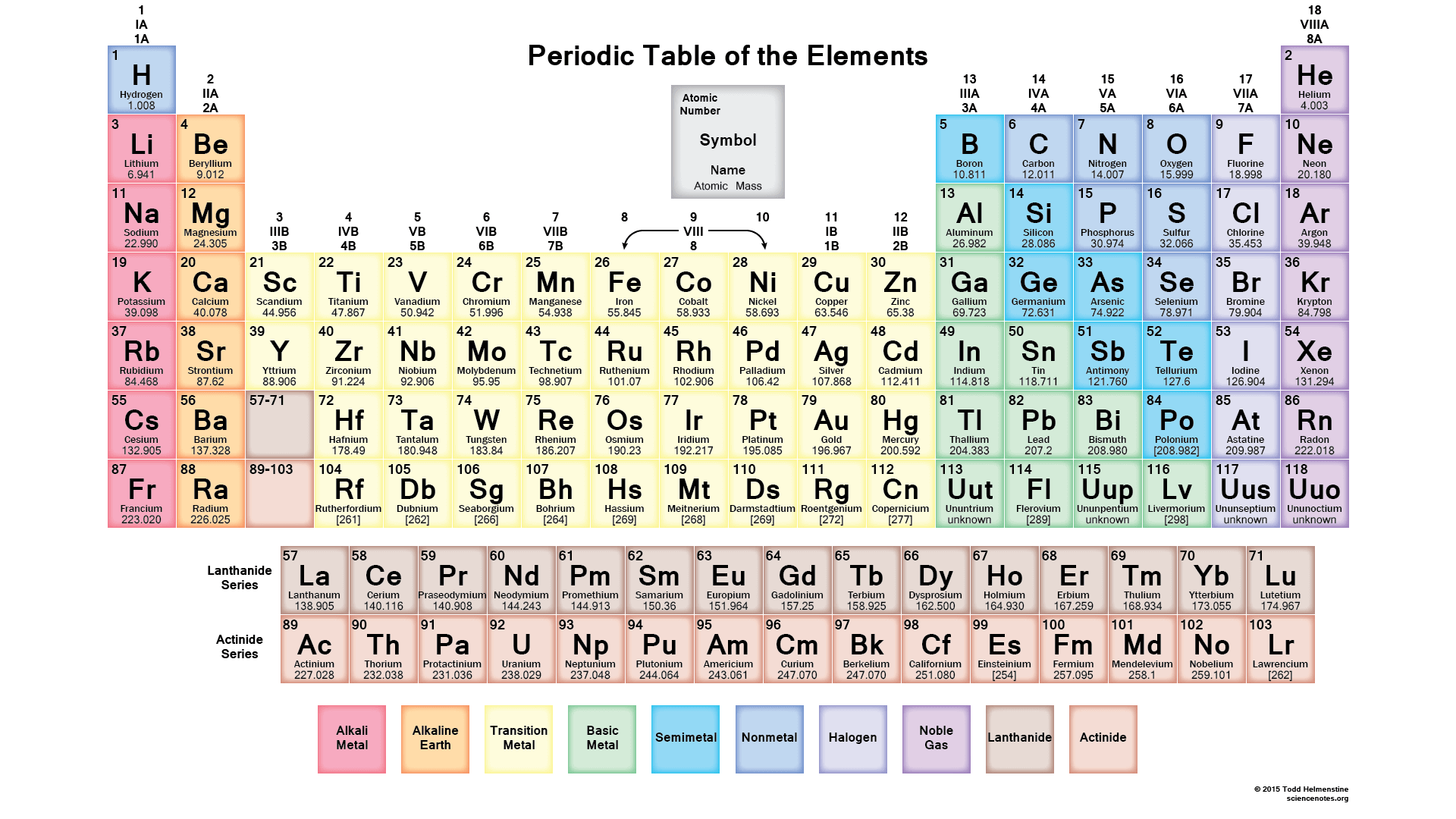
What does the 6 represent?
a)
atomic mass
b)
atomic number
c)
element name
d)
chemical symbol 
119.
What does 12.011 represent?
a)
atomic mass
b)
atomic number
c)
element name
d)
chemical symbol 
120.
What does the C represent?
a)
atomic mass
b)
atomic number
c)
element name
d)
chemical symbol 
121.
Which item on this element square is the chemical symbol?
a)
Copper
b)
29
c)
Cu
d)
63.546
122.
An atom of the element with atomic number 6 always has _____.
a)
six protons in its nucleus
b)
an atomic mass of six
c)
more than six neutrons
d)
six electron clouds
123.
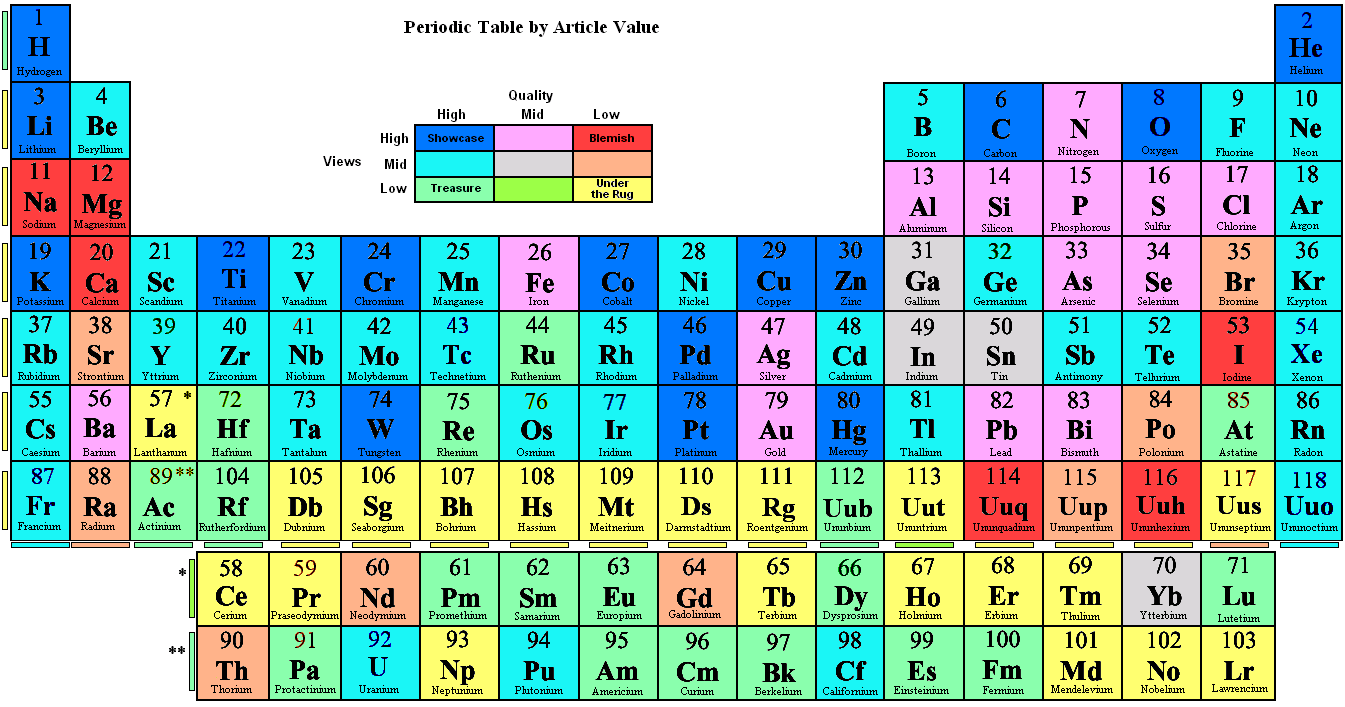
What is the atomic mass of "F"
a)
9
b)
18
c)
17
d)
19