
Font size
 Worksheets
Properties of Water & Polymerization
Total questions: 62
Worksheet time: 41mins
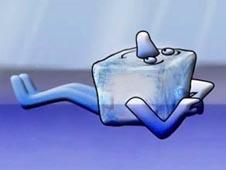
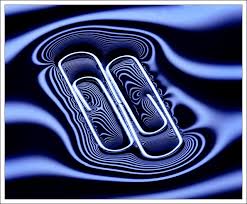
Surface tension is the property of water in which...
water molecules at the surface tend to stick together.
water spills easily.
water tends to be see-through.
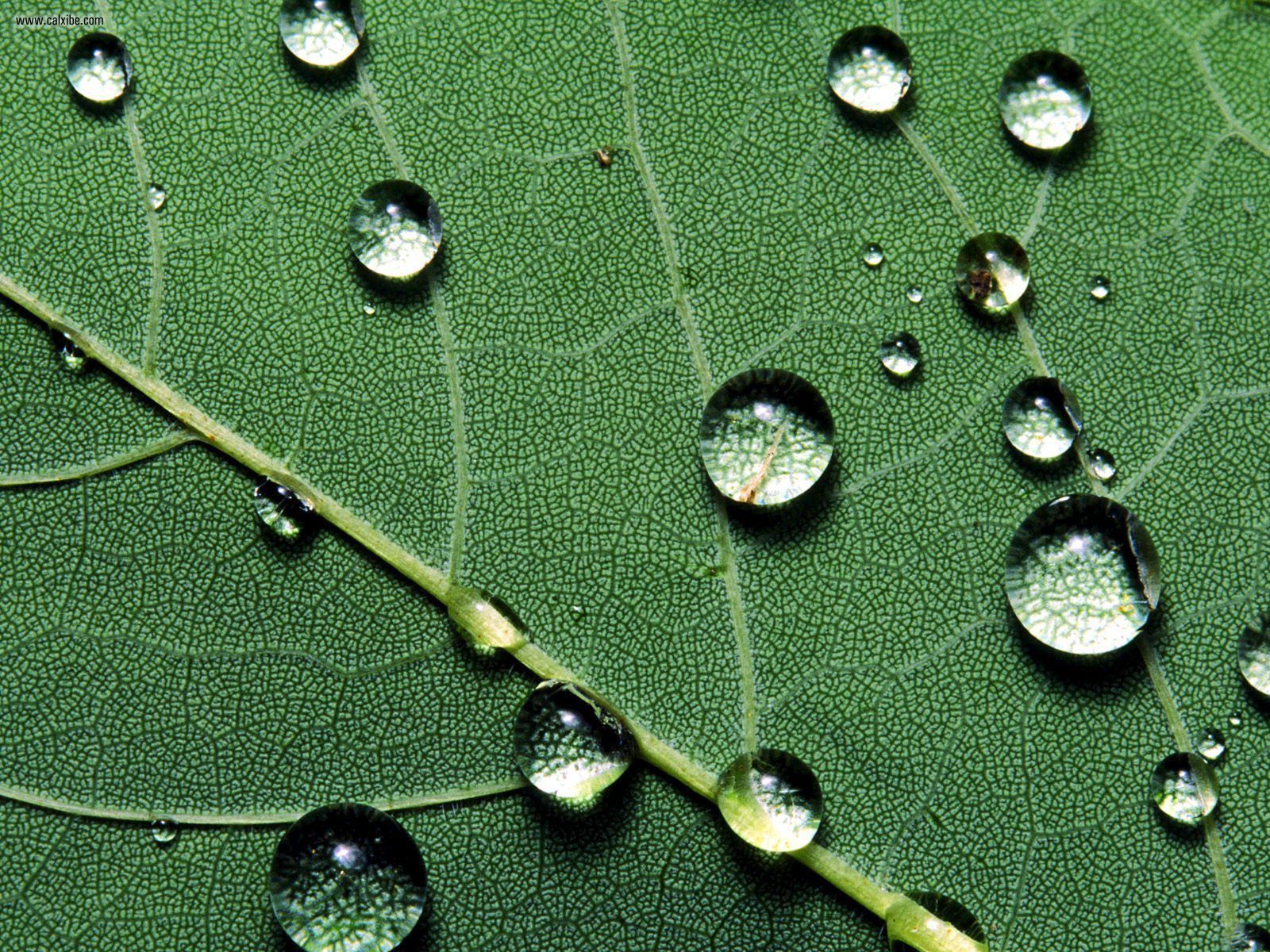
Refer to the picture of water sticking to a leaf; this is occurring because of:
Adhesion
Cohesion
Describe COHESION.
Water molecules attracted to other substances.
Water molecules climbing upwards against the force of gravity.
Water molecules dissolving many substances because of its polarity.
Water molecules attracted to other water molecules.


Is this molecule polar or non-polar?
Polar
Non-polar
In a water molecule _____________ has the negative charge.
Hydrogen
Oxygen
Nitrogen
Helium
Some insects and small organisms can walk on water due to
Adhesion
Capillary Action
Surface Tension
Specific heat
The tendency of water molecules to attract to one another is known as
Adhesion
Cohesion
Specific heat
Capillary Action
The _____________ is the part of the solution that is dissolved.
Smaller molecule
Larger molecule
Solute
Solvent
The ______________ is the part of the solution that dissolves the other substance.
Large molecule
small molecule
Solvent
Solute
The ________________ is the amount of heat it takes to raise the temperature of one gram of a substance by one degree Celsius.
Heat of vaporization
Specific Heat
Capillary Action
Surface tension
Ice floats on water because it ___________ when it freezes, and becomes __________ dense than water.
Contracts; more
Contracts; less
Expands; more
Expands; less
Water is able to dissolve _________ substances due to its ____________
Polar; Polarity
Non-polar; Polarity
Polar; Non-polarity
Non-polar; Non-polarity
Due to its polarity, water doesn't mix with ____________ substances like _____________.
polar; oil
polar; salts
Non-polar; oil
Non-polar; salts
When a lake freezes over in the winter,
the ice only forms on the top layer and acts as insulation for the rest of the lake.
the ice freezes the entire lake into one giant ice cube.
the ice freezes on the top layer, but then sinks to the bottom because ice is more dense than water.
the ice only forms on the bottom layer, and melts quickly.
Large bodies of water tend to resist large temperature changes due to water's __________________ which allow it to
heat of vaporization; store cold air
heat of vaporization; keep the water from evaporating
high specific heat; reflect heat
high specific heat; absorb and store heat.
When water moves up a piece of paper, or up a tree against gravity, it is displaying the property of water known as
Adhesion
Capillary action
Cohesion
Density
A single unit that can bond to other single units to form a polymer is a:
Lego
Monounits
Monopoly
Monomer
Many monomers bonded together form a:
Multimer
Polygon
Polymer
Manymer
Monomers bond to other monomers through this process:
Hydrolysis
Dehydration synthesis
Gluation
Freezing
Which of the following is true in a dehydration synthesis reaction?
hydroxyl forms as a product as H is removed from one monomer and O is removed from the other
water is added to the reactants as H is added to 1 monomer and OH is added tothe other
water forms as a product as H is removed from 1 monomer and OH is removed from the other
carboxyl forms as a product as CO is removed from one monomer and OH is removed from the other

This image illustrates a _________________ reaction.
hydrolysis
dehydration synthesis
ionic bond
reverse

This image represents a _______ reaction.
over
condensation
dehydration synthesis
hydrolysis
A polymer is broken down into its monomer through:
condensation
dehydraton synthesis
hydrolysis
nonreaction
ANALOGY: If a house were a polymer, the monomers would be:
The people living there
The neighborhood in which it is located
The bricks used to build it
The team responsible for building it
Which of the following is true in regard to these ANALOGIES?
The links of a chain are like polymers
A full strand of pearls represents a monomer
The cars of a train represent monomers
A Lego of a Lego castle represents a polymer

Which of the following represents the monomer of this image?


A chain of repeating units (called monomers)
monomer
dimer
replicate
polymer
Define polymer
circular molecule made with many repeating units
short molecule made of a few repeating units
long, chain-like molecule made of repeating units
chain-like molecule that contains hydrogen and oxygen


Starch + Water -------> Glucose
Starch + Water -------> Glucose

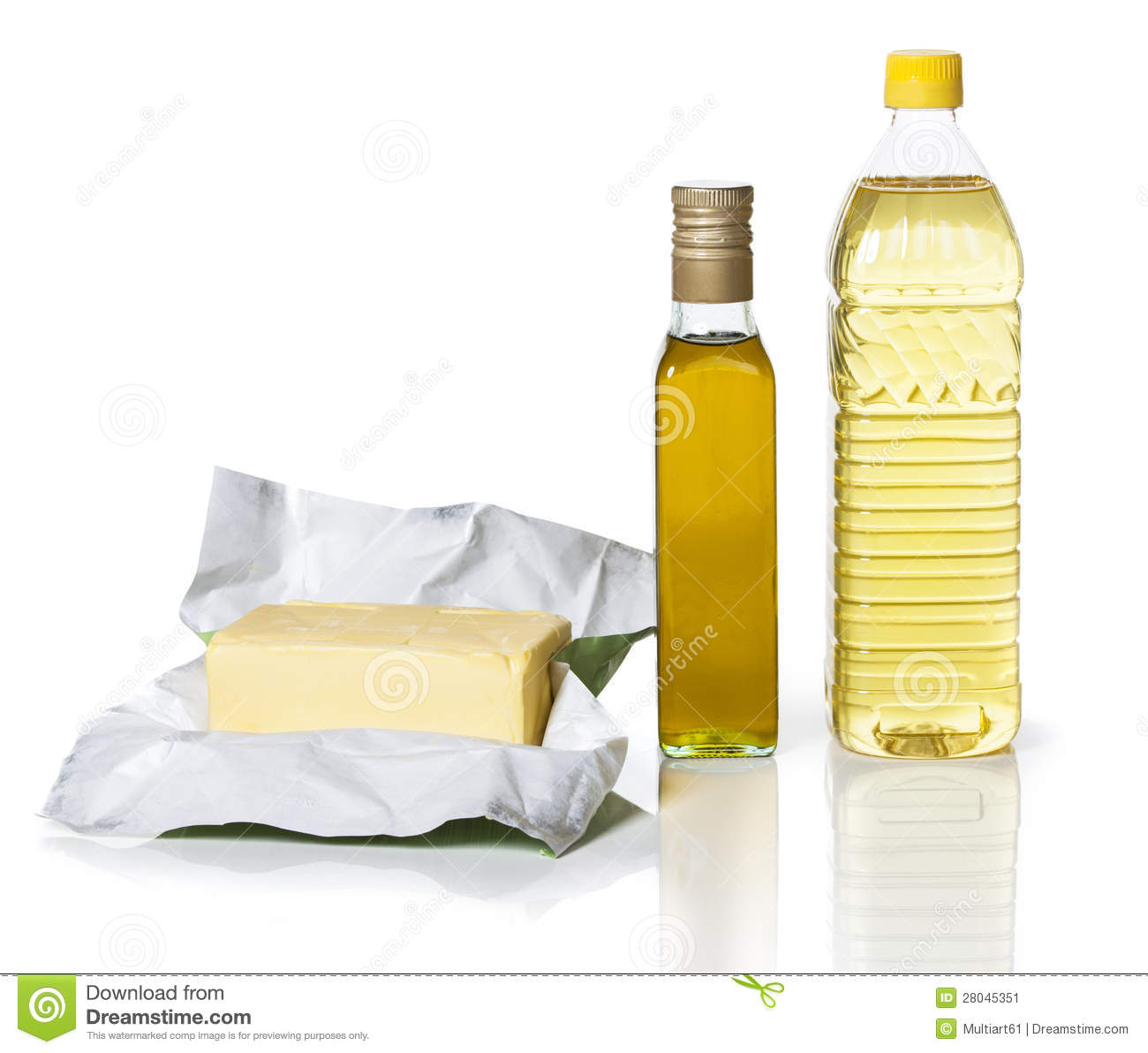
What is a biomolecule?
The dissolved particle in a solution
One of the by-products of respiration
Large molecule that is present in living organisms
None of the above
Which of the following are biomolecules?
RNA, DNA, proteins, lipids
Proteins, lipids, carbohydrates, polymers
Nucleic acid, lipids, carbohydrates, monomers
Proteins, lipids, carbohydrates, nucleic acids
What is the monomer for carbohydrates?
Amino acid
Nucleotide
Fatty acid
Monosaccharide

