
 Worksheets
Circulatory and Respiratory Systems Review
Total questions: 60
Worksheet time: 30mins
In what part of the body are red blood cells made?
arteries
veins
bone marrow
heart
How many chambers does the heart have?
1
2
3
4
What do we call the movement of
blood through the heart and around the body?
circulation
transportation
digestion
breathing
What do we call the tiny tubes that carry blood away from the heart?
valves
arteries
atria
bones
What do we call the tiny tubes that return blood back to the heart?
arteries
chambers
veins
ventricles
The yellowish fluid that is in the blood that contains nutrients is called __________.
plasma
white blood cells
red blood cells
platelets
The part of the blood that helps you stop bleeding when you cut yourself is called __________.
red blood cells
platelets
plasma
white blood cells
The part of the blood that carries oxygen is called ________.
red blood cells
white blood cells
platelets
plasma
The part of the blood that fights off harmful bacteria and viruses is called ________.
red blood cells
white blood cells
platelets
plasma
The large artery that brings blood from the heart to the lungs is called the ___________.
vein
ventricle
pulmonary artery
capillary
When we breathe in, our bodies use _________ to live.
carbon monoxide
carbon dioxide
nitrogen
oxygen
The main organ of the respiratory system is the _______.
lungs
heart
liver
arteries and veins
Your lungs have tiny air sacs called _______.
capillaries
diaphragm
bronchioles
alveoli
Cellular Respiration's goal is to
make wastes
make energy
make glucose
make oxygen
Two processes that take place while an animal breathes are ___________________ and __________________.
Inhalation (Inhale) and Exhalation (Exhale)
Intermediate Reaction and Beginning reaction
Light Reactions and the Calvin Cycle
The Krebs Cycle and Glycolysis
The products of cellular respiration are:
Carbon Dioxide, Energy (ATP) and Water
Oxygen and Glucose
Water and Glucose
Oxygen and Water

you breathe in oxygen for
photosynthesis
fermentation
mitosis
cellular respiration
The job of the heart is to . . .
pump blood around the body.
send food to the small intestines.
break down food.
give energy to the body.
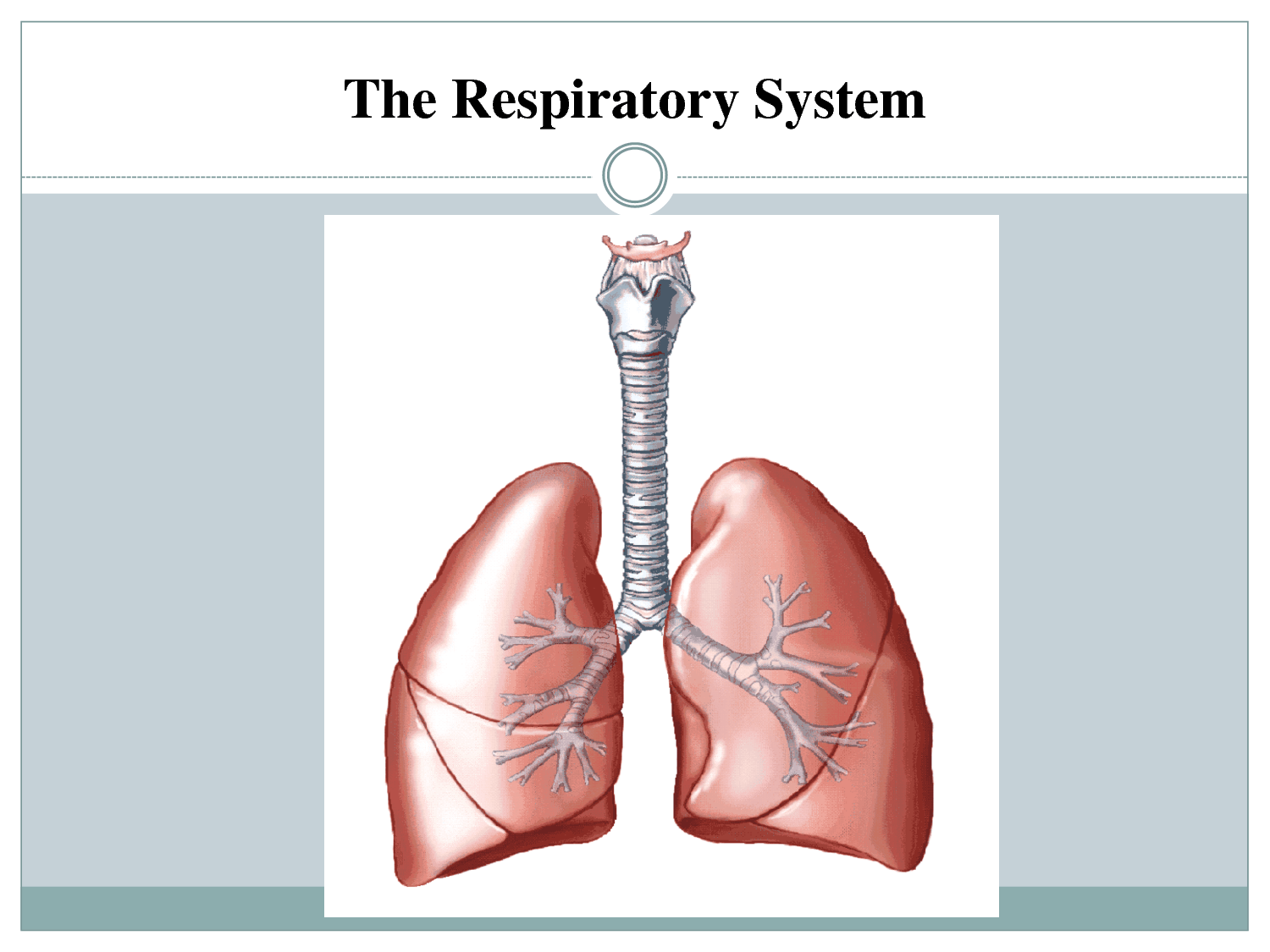
What is the main function of the respiratory system?
to provide oxygen and remove carbon dioxide from the body
to deliver oxygen to the entire body
to break down food and absorb nutrients
to remove oxygen from the body and deliver carbon dioxide
What is Heart Rate?
The number of times your heart beats.
The number of times your heart beats per minute.
The maximum amount of times your heart should be.
The amount of times your heart should beat while exercising.
Which statement is MOST TRUE about the movement of oxygen molecules between the lungs and cells of the body?
A. Oxygen molecules enter and leave the body by way of lungs, but they do not move between the lungs and the blood.
B. Most oxygen molecules move from cells of the body to the lungs by moving through the circulatory system and then leaving the circulatory system by way of capillaries at the lungs.
C. Most oxygen molecules move from the lungs directly to the body by way of special respiratory tubes where the oxygen molecules mix with the blood.
D. Most oxygen molecules move from the lungs to cells in the body by entering microscopically small blood vessels (capillaries) and then move to the heart which pumps it to the cells of the body.
Which statement best describes why your heart rate increases while exercising?
Her bones needed more oxygen because they were moving faster.
Her stomach needed more oxygen because it was digesting food faster.
Her brain needed more blood to coordinate her rapid exercise movements.
Her muscles needed more glucose and oxygen because they were working harder.

The atria are the “upstairs” chambers of the heart and these parts are the “downstairs” chambers ___________.
veins
valves
ventricles
blood
Which list below correctly describes the sequence that blood takes as it travels through the body?
heart-lungs-body-heart
heart-body-lungs-heart
heart-lungs- body-lungs
heart-lungs-heart-body
How is the function of arteries different from that of veins?
Arteries carry red blood; veins carry blue blood.
Arteries carry blood to the body cells; veins carry blood to the lungs.
Arteries carry blood away from the heart; veins carry blood to the heart.
Arteries carry blood to the heart; veins carry blood away from the heart.

Why is breathing necessary for humans?
A. Breathing allows us to take in oxygen needed for cellular respiration
B. Breathing allows us to take in oxygen needed for photosynthesis
C. Breathing allows us to take in CO2 needed for cellular respiration
D. Breathing allows us to take in nitrogen needed to maintain homeostasis
What are the functions of the respiratory system?
Select ALL that apply.
provides oxygen for your cells
removes CO2 and H2O when you exhale
carries oxygen and nutrients
provides shape and support for muscles
What is included in the circulatory system?
Select ALL that apply.
veins
capillaries
heart
arteries
What is included in the respiratory system?
Select ALL that apply.
nasal cavity
trachea
lungs
diaphragm
What are the functions of the circulatory system?
Select ALL that apply.
carries oxygen and nutrients to cells
carries waste away from cells
works with respiratory system to provide oxygen and get rid of wastes
removes CO2 and H2O when you exhale
What are arteries?
Thin-walled vessels that carry blood away from the heart
Thin-walled vessels that carry blood towards the heart
Thick-walled vessels that carry blood away from the heart
Thick-walled vessels that carry blood towards the heart
What are veins?
Thin-walled vessels that carry blood away from the heart
Thin-walled vessels that carry blood towards the heart
Thick-walled vessels that carry blood away from the heart
Thick-walled vessels that carry blood towards the heart
Capillaries are...
Narrow
1 cell thick
The site of nutrient and gas exchange
All of the above
Why do ventricles have thick, muscular walls?
They must pump blood up the atria
They are made of skeletal muscle
They must pump blood to the lungs and out to the body
What are the atria in the heart?
Thin-walled, upper receiving chambers
Thin-walled, lower receiving chambers
Thick-walled, upper receiving chambers
Thick-walled, lower receiving chambers
Valves are important in the heart because they...
Create the heart beat
Are vessels that carry blood
Prevent back flow as blood moves through the heart
House white blood cells
An average person's blood pressure is around 120/80. What does the "120" represent?
Diastole, when the ventricles relax
Systole, when the ventricles relax
Diastole, when the ventricles contract
Systole, when the ventricles contract
Hemoglobin is a protein in red blood cells that...
Helps carry lipids
Helps carry oxygen
Helps carry DNA
Helps carry nitrogenous waste
Someone with Type A blood also has...
Type A antibodies
Type B antibodies
both Type A & B antibodies
neither Type A nor B antibodies
Someone with both Type A & B antibodies is which blood type?
A
B
AB
O
Someone with Type A blood has...
A antigens
A antibodies
B antigens
A & B antigens
A substance on the surface of red blood cells that can trigger the production of antibodies
agglutinates
antigens
anemia
Rh Factor
Proteins produced by the immune system that destroy foreign substances...
antigens
agglutinates
platelets
antibodies
This determines whether a person's blood type is positive or negative...
Rh factor
platelets
D antibodies
plasma



