wayground logo

Free Printable Worksheets

Font size

S
M
L
XL
Worksheets

Earth's Environmental Systems

Total questions: 62

Worksheet time: 2hrs 2mins

Name
Class
Date
1.

Wolves and deer interact to keep stable populations of each through ___________ feedback.

a)

positive

b)

negative

c)

predator-prey

d)

none of the above

2.

Algae on a pond keeps increasing until eventually the pond begins to fill in. This illustrates _____________ feedback.

a)

negative

b)

positive

c)

photosynthetic

d)

natural

3.

The geosphere is also known as the

a)

lithosphere

b)

magmasphere

c)

cryosphere

d)

anthroposphere

4.
What is the mostly solid, rocky part of earth, composed of solid and molten rock, soil and sediments?
a)
Biosphere
b)
Atmosphere
c)
Hydrosphere
d)
Geosphere
5.
This part of the Earth System includes the gases that surround the earth.
a)
Geosphere
b)
Atmosphere
c)
Hydrosphere
d)
biosphere
6.
Mount Everest is:
a)
Geosphere
b)
Biosphere
c)
Hydrosphere
d)
Atmosphere
7.
This picture best describes which connection?
a)
Atmosphere-Biosphere
b)
Atmosphere-Biosphere
c)
Hydrosphere-Geosphere
d)
Geosphere-Biosphere
8.
Which of the following does NOT belong in the atmosphere?
a)
Rain
b)
Winds
c)
Clouds
d)
Helium
9.
Polar Bears hunt seals on ice:
a)
Biosphere-Hydrosphere
b)
Biosphere-Atmosphere
c)
Hydrosphere-Atmosphere
d)
Hydrosphere-Geosphere
10.
An example of a connection between HYDROsphere and GEOsphere is:
a)
Waves eroding rocks on beach
b)
Fish swimming in water
c)
Water evaporating to make clouds
d)
Boats transporting goods
11.
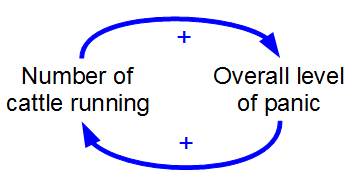
The following is an example of what type of feedback loop?
a)
Negative Feedback Loop
b)
Neutral Feedback Loop
c)
Positive Feedback Loop
d)
Hypothermia Feedback Loop
12.
What kind of plate boundary occurs where two plates grind past each other without destroying or producing
lithosphere?
a)
convergent 
b)
transform
c)
divergent
13.
According to the theory of plate tectonics, ________.
a)
the asthenosphere is divided into plates
b)
the lithosphere is divided into plates
14.
What type of boundary occurs where two plates move together?
a)
convergent
b)
transform
c)
divergent
15.
This part of the Earth System includes the crust, mantle, and core.
a)
Geosphere
b)
Atmosphere
c)
Hydrosphere
d)
Biosphere
16.
This part of the Earth System includes the gases that surround the earth.
a)
Geosphere
b)
Atmosphere
c)
Hydrosphere
d)
Biosphere
17.
This part of the Earth System includes all living things, including plants and animals.
a)
Geosphere
b)
Atmosphere
c)
Hydrosphere
d)
Biosphere
18.
This part of the Earth System includes the planet's water, including the oceans, lakes, rivers, ground water, ice, and vapor.
a)
Geosphere
b)
Atmosphere
c)
Hydrosphere
d)
Biosphere
19.
A monkey is:
a)
Atmosphere
b)
Biosphere
c)
Geosphere
d)
Hydrosphere
20.
This picture shows:
a)
Biosphere
b)
Atmosphere
c)
Geosphere
d)
Hydrosphere
21.
This picture best describes which connection?
a)
Atmosphere-Biosphere
b)
Atmosphere-Biosphere
c)
Hydrosphere-Geosphere
d)
Geosphere-Biosphere
22.
Which of the following does NOT belong in the hydrosphere?
a)
Lakes 
b)
Rivers
c)
Fish 
d)
Rain
23.
Which of the following does NOT belong in the biosphere?
a)
Coral 
b)
Grass
c)
Starfish
d)
Clouds
24.
Bats find shelter in caves:
a)
Atmosphere-Biosphere
b)
Biosphere-Geosphere
c)
Geosphere-Hydrosphere
d)
Atmosphere-Hydrosphere
25.
The following is an example of what type of feedback loop?
a)
Negative Feedback Loop
b)
Neutral Feedback Loop
c)
Positive Feedback Loop
d)
Cowboy Feedback Loop
26.
The following is an example of what type of feedback loop?
a)
Negative Feedback Loop
b)
Neutral Feedback Loop
c)
Positive Feedback Loop
d)
Cowboy Feedback Loop
27.
The following is an example of what type of feedback loop?
a)
Negative Feedback Loop
b)
Neutral Feedback Loop
c)
Positive Feedback Loop
d)
Animal Feedback Loop
28.
Which of the following contains the genetic code for protein synthesis?
a)
carbohydrate
b)
lipid
c)
protein
d)
nucleic acid
29.
Why are lipids insoluble in water?  
a)
lipids are polar
b)
lipids are non-polar
c)
lipids have a negative charge
d)
lipids are building blocks of protiens
30.
Which of the four major biological macromolecules can be easily identified by the nitrogen base and phosphate found in its structure?
a)
carbohydrate
b)
lipid
c)
protein
d)
nucleic acid
31.
Fats, oils and cholesterol are all types of what?
a)
cell membranes
b)
hormones
hormones
c)
lipids
d)
fatty acids
32.
RNA and DNA are which type of macromolecules?
a)
carbohydrate
b)
lipid
c)
nucleic acid
d)
protein
33.
Nucleotides are monomers of
a)
Carbohydrates
b)
Lipids
c)
Proteins
d)
Nucleic Acids
34.
Which of the following organic compounds is the main source of energy for living things?
a)
carbohydrates
b)
lipids
c)
nucleic acids
d)
proteins
35.
All polymers are made up of...
a)
monosaccharides
b)
monomers
c)
proteins
d)
None of these
36.
A water strider can skate along the top of a pond because:
a)
covalent bonds result in water cohesion
b)
hydrogen bonds result in water cohesion (surface tension)
c)
water striders have adapted to take advantage of water cohesion
d)
low surface tension of water
37.
What word describes when water is attracted to other substances?
a)
cohesion
b)
adhesion
c)
capillary action
d)
surface tension
38.
What two elements make up water?
a)
Helium and oxygen
b)
Hydrogen and oxygen
c)
helium and carbon
d)
oxygen and carbon
39.
Why can water have no net charge but have slight charges in different parts of the molecule?
a)
The oxygen end is slightly negative and the hydrogen end is slightly positive
b)
The hydrogen end is slightly negative and the oxygen end is slightly positive
c)
The hydrogen and oxygen ends change in polarity
d)
Because it is hydrophobic
40.
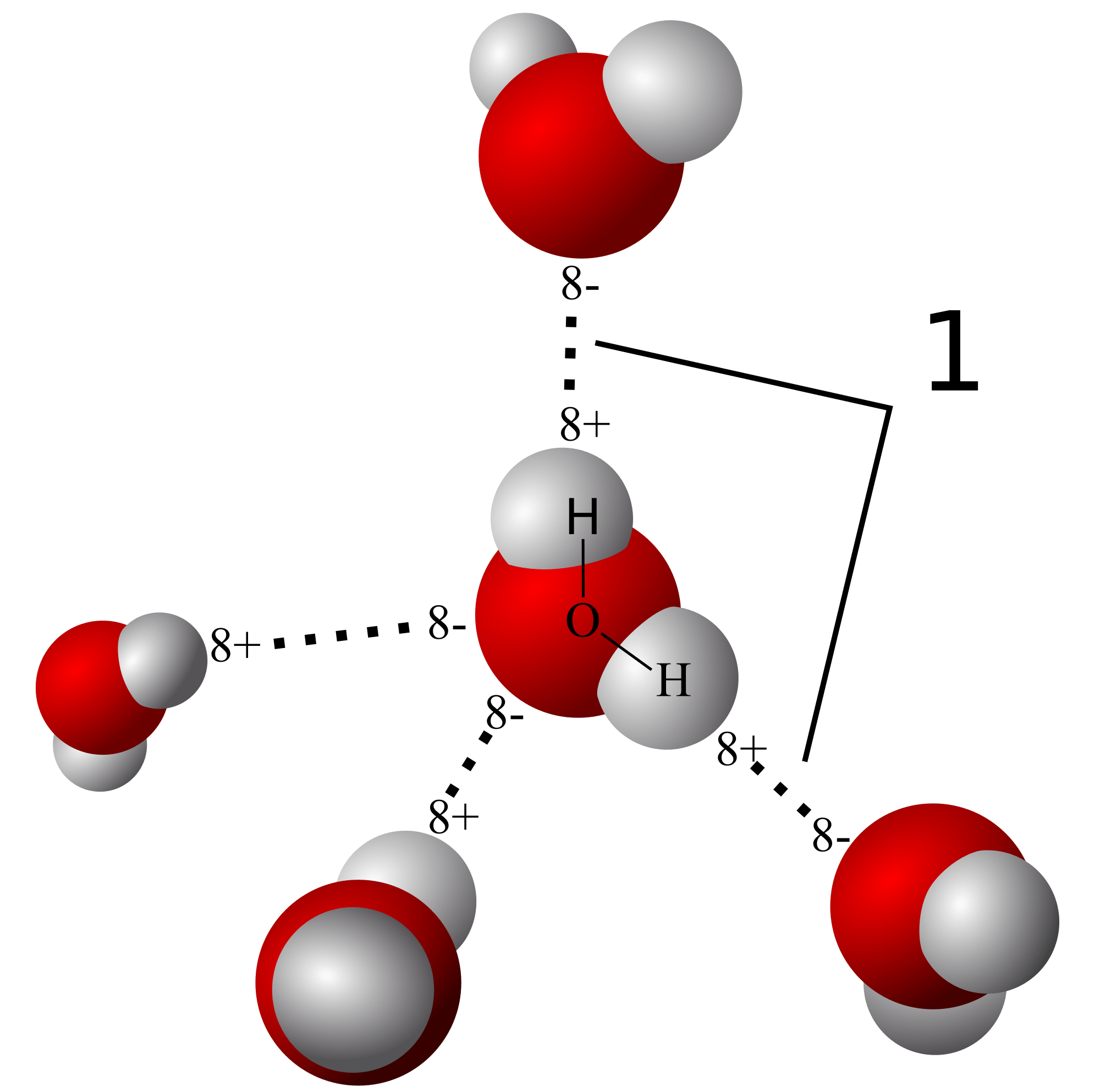
Attractions between water molecules are called
a)
Covalent bonds
b)
Ionic bonds
c)
Polar bonds
d)
Hydrogen bonds
41.
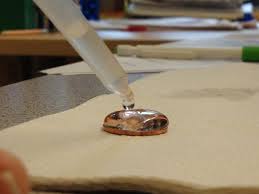
The attraction that causes water and other liquids to form drops on thin films is called ________________. This is also water’s ability to be attraction to other water molecules.
a)
adhesion
b)
capillary action
c)
cohesion
d)
surface tension
42.
Which is NOT a unique property of water?
a)
Frozen water floats on liquid water.
b)
Water covers most of the Earth’s surface and retains a large amount of heat.
c)
Water molecules stick to each other through hydrogen bonds.
d)
Water cools very rapidly.
43.
Why does ice float?
a)
As water freezes, it expands and its density decreases.
b)
As water freezes, it takes up more hydrogen from the atmosphere, causing it to have a greater buoyancy.
c)
As water freezes, air becomes trapped between the hydrogen bonds of water molecules.
d)
As water freezes, it takes up more oxygen from the atmosphere, causing it to have a greater buoyancy.
44.
Water is a universal solvent because it...
a)
It can be found anywhere
b)
It freezes when it gets cold
c)
floats when frozen
d)
Dissolves most substances
45.
Which of the following is LEAST likely to dissolve in water?
a)
nonpolar fats and oils
b)
polar sugar molecules
c)
salt made of a positive sodium ion and a negative chloride ion
d)
all of the substances will dissolve easily in water
46.
Which of the following is LEAST likely to dissolve in water?
a)
nonpolar fats and oils
b)
polar sugar molecules
c)
salt made of a positive sodium ion and a negative chloride ion
d)
all of the substances will dissolve easily in water
47.
The pH scale is a range from:
a)
1-7
b)
0-14
c)
1-5
d)
1-20
48.
A(n) ______ is a substance with a pH less than 7
a)
Acid
b)
Alkaline
c)
Base
d)
Buffer
49.

A(n) _______ is a substance with a pH greater than 7.

a)

Base

b)

Acid

c)

Alkaline

d)

Water

50.
What is the only substance with a neutral pH of 7?
a)
Milk
b)
Orange Juice
c)
Water
d)
Blood
51.

An acid

a)

is a substance that releases H+ ions when dissolved in water

b)

is a substance that does not release any ions when dissolved in water

c)

is a substance that releases OH- when dissolved in water

d)

releases an equal amount of OH- and H+ ions when dissolved in water

52.

A base is a substance

a)

That releases OH- ions when dissolved in water

b)

That releases H+ ions when dissolved in water

c)

Does not release any ions when dissolved in water

d)

None of the above

53.

Erosion decreases the soil's ability to hold water which leads to more erosion. Erosion is an example of a

a)

biogeochemical cycle

b)

negative-feedback loop

c)

positive-feedback loop

d)

all of the above.

54.
Which is NOT a process of the water cycle?
a)
precipitation
b)
freezing
c)
transpiration
d)
evaporation
55.
What is the most abundant gas in the atmosphere?
a)
hydrogen
b)
oxygen
c)
helium
d)
nitrogen
56.
Where are nitrogen-fixing bacteria found?
a)
In the soil
b)
Root nodules
c)
In dead things
d)
In the atmosphere
57.
What is the only process that removes carbon from the atmosphere?
a)
combustion
b)
cellular respiration
c)
photosynthesis
d)
decomposition
58.
Where is carbon stored in the environment?
a)
Fossil fuels
b)
Wood of trees
c)
Calcium carbonate (shells and bones)
d)
All of the above
59.
Carbon dioxide is added to the atmosphere by
a)
Burning fossil fuels 
b)
Cellular respiration
c)
Decomposing organic matter
d)
All answers are correct
60.

This is NOT a part of the phosphorus cycle.

a)

Phosphate is incorporated into sedimentary rocks

b)

Phosphate bound to soil

c)

Atmospheric phosphate

d)

Phosphate is absorbed from the soil by plants

61.
Phosphorous is passed from plants to ____ who eat them
a)
plants
b)
animals
c)
scavengers
62.
What role do decomposers play in the phosphorous cycle?
a)
absorb phosphorous 
b)
release phosphorous into atmosphere
c)
return phosphorous into the soil
d)
combustion