Worksheets
Biology PMA 1 Review
Total questions: 82
Worksheet time: 56mins

Which of the brain regions marked on the diagram below is the frontal lobe?
A
B
C
D
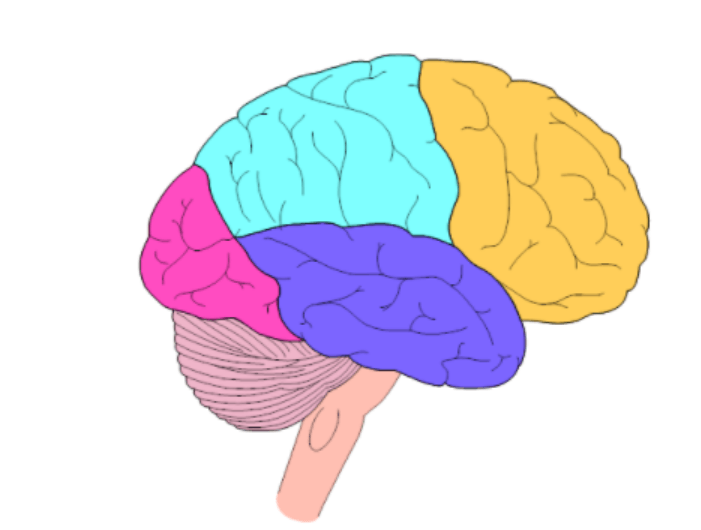
What lobe is bright pink in this picture?
Frontal
Parietal
Temporal
Occipital
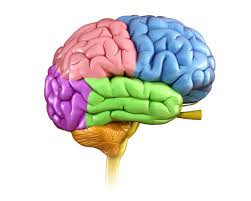
What lobe is green in this picture?
Frontal
Parietal
Temporal
Occipital
What lobe is pink in this picture?
Frontal
Parietal
Temporal
Occipital
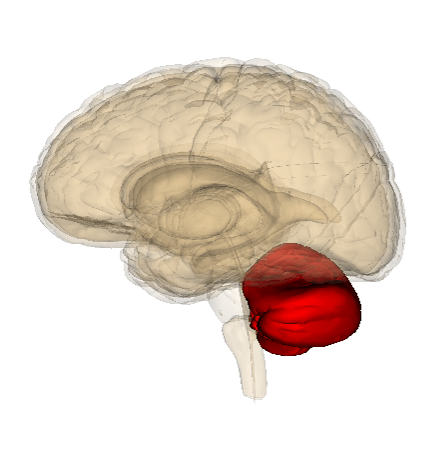
The red portion is the ________
Cerebrum
Cerebellum
Brain Stem
Diencephalon

The cerebellum is labeled
1
4
5
7
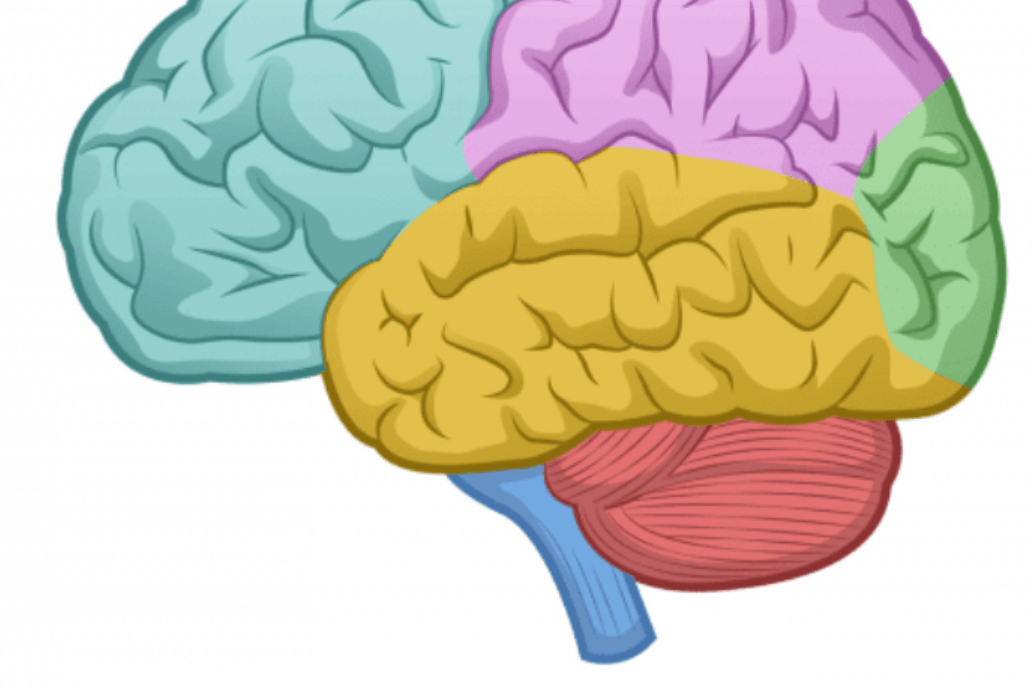
What structure is blue in this picture?
Cerebrum
Cerebellum
Brain Stem

Scientists studied the effect of water temperature on how fast a sugar cube dissolves. What was the independent variable?
Time to Dissolve
Amount of Water
Water Temperature
Beaker Size
Scientists tested the effect of water temperature on how fast a sugar cube dissolves. What was the dependent variable?
Amount of Water
Temperature of Water
Time for Sugar cube to Dissolve
Type of Beaker
What is a factor or condition in a scientific experiment that is purposefully kept the same?
Independent Variable
Dependent Variable
Controlled Variable
Hypothesis
What is a factor, usually being measured or observed, that responds to, or depends on, another factor.
Independent Variable
Dependent Variable
Controlled Variable
Hypothesis
What is the reproduction of a scientific investigation by another person to ensure accuracy.
Replication
Repetition
The invention of the microscope allowed scientists to see which of the following?
Cells
Bacteria
Microorganisms
All of the Above

This is an image of a Vespula vulgaris, wasp. What microscope would be used to look at this image?
Transmission Emission Microscope
Light Microscope
Scanning Emission Microscope
Dissecting Microscope

This is an image of the epidermis of an onion root. What microscope would be used to look at this image?
Dissecting Microscope
Light Microscope
Transmission Emission Microscope
Scanning Emission Microscope
I am a microscope that can only view organisms that are no longer living. I am best used to see surface objects in great detail and magnification that result in 3-D images of the specimens. What microscope am I?
Light Microscope
Scanning Emission Microscope
Transmission Emission Microscope
Dissecting Microscope
If blood volume decrease, then there's less blood available to pump causing blood pressure to
Increase
Stay the same
Decrease
Atherosclerosis is the buildup of cholesterol or other substances in blood vessels that causes
low blood pressure
high blood volume
low blood volume
high blood pressure
A student gets hit by a car and it causes extreme blood loss. What will happen to blood pressure?
Increase
Stay the same
Decrease
Which of the following factors affects your body's blood flow in negative ways?
Good Diet
Smoking
Alcohol
Medications


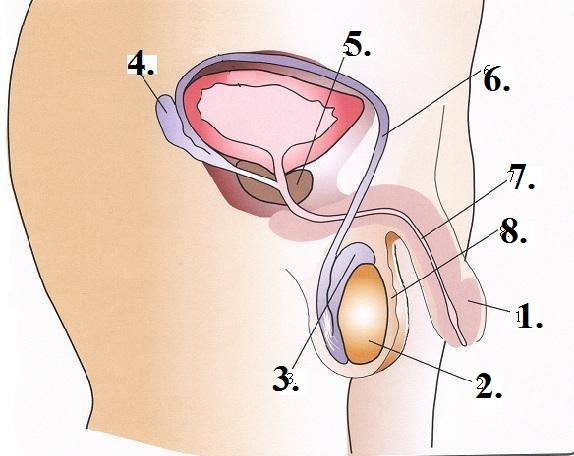
Our bodies and cells try to keep the conditions in our body the same by a process called
Homeostasis
Cellular Respiration
Photosynthesis
Oxidation

Which of the following was the result of an increased cranial capacity (brain size)?
Communication
Lower Common Sense
Development of Computers
Ability to create hunting tools

Which of the following sped up Hominid evolution by allowing us to stand up right and have better posture?
Cranial Capacity
Spinalism
Bipedalism
Homidism
Which of the following terms describes the evolution of humans and their most recent ancestors?
Endosymbiotic Theory
Hominid Evolution
Convergent Evolution
Arachnid Evolution
According to hominid evolution, which of the following structures increased in size?
Brain Size
Jaw Size
Skull Size
Teeth Size

According to hominid evolution, which of the following decreased in size?
Jaw Size
Brain Size
Skull Size
Hip Size
How does size and function of structures provide evidence for evolution?
Increase in function shows that two species are related
Increase in size/function shows that organisms evolve
Reduced size & function show that organisms change over time
Decrease in function shows that two species are related
According to the endosymbiotic theory, which organisms came first?
Prokaryotic and Aerobic
Prokaryotic and Anaerobic
Eukaryotic and Anaerobic
Eukaryotic and Aerobic
When Earth first formed, which gas was missing?
Oxygen
Carbon Dioxide
Methane
Monoxide

According to the endosymbiotic theory where did early eukaryotes come from?
Meteorites
Prokaryotic Mutations
Bacteria eaten by prokaryotes that underwent symbiosis
Primitive forms of plants

Chimpanzees and rats are closely related. According to the cladogram, why?
They have few derived characters
They share no derived characters
They both derive from a recent common ancestor
Natural Selection

Which are structures that are inherited from ancestors but have lost their function?
Homologous Structures
Analogous Structures
Vestigial Structures

Organisms that have identical DNA and share anatomical structures most likely what?
Are unrelated
Have a common ancestor
One evolved from the other
They are siblings
Which is the idea that life can come from nonliving components?
Nonspontaneous Generation
Spontaneous Generation
Evolution
Ecology

Miller-Urey experimented on compounds. What's the BEST resulting explanation of the experiment?
Methane and ammonia will always create organic molecules
Organic compounds came from inorganic compounds in the past
Life could not develop without natural processes
We do not know the true mechanism of life
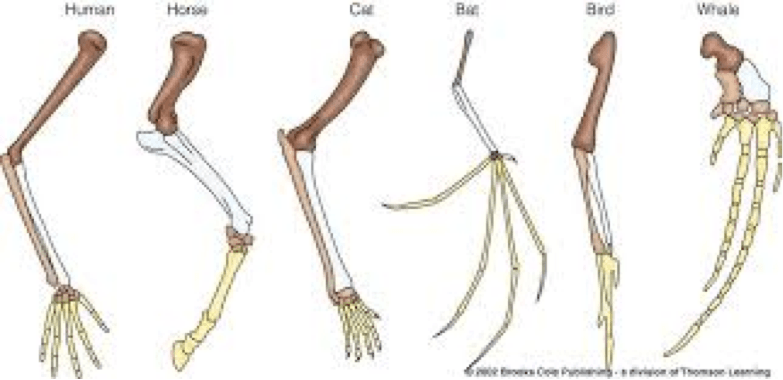
Which of the following are structures that are similar in different species of common ancestry?
Homologous
Vestigial
Analogous
Which of the following are structures that are different but have the same function?
Analogous
Homologous
Vestigial

Which of the following BEST explains the presence of vestigial structures in sperm whales?
Used for embryonic development
In the process of evolving
Same bones as other living mammals
Once were used for walking on land in past ancestors

Which is the concept that life can only arise from another living organism?
Biogenesis
Nonspontaneous Generation
Spontaneous Generation
Meiosis
Which describes how well an organism survives and reproduces?
Fitness
Finesse
Survival Rate
Genetic Drift
When an organism of a species has an adaptation, it will compete for resources better, survive longer and pass that adaptation on to it's offspring. This process is called
Natural selection
Artificial selection
Inbreeding
Outbreeding
What is the advantage of having different shaped beaks?
To look different from other species.
To be able to eat the food readily available in the environment.
To protect itself against predators.
To protect itself against prey.

The genetic code is essentially the same for all organisms. From this, one can logically assume which
of the following?
A gene from one organism can theoretically be expressed by another organism.
Each species has its own unique set of amino acids that is different from all other species.
The same codons in different organisms translate into different amino acids.
Proteins were the first genetic material.

What is the name of the purple shaded part of the brain diagram?
Cerebrum
Cerebellum
Medulla Oblongata
Which of the following is the most specific level of the classification system?
Genus
Kingdom
Family
Species
Which of the following kingdoms have Photosynthetic organisms?
fungi and plants
fungi and protists
protists and plants
plants and animals
Which of the following best describes a characteristic that distinguishes Fungi from other kingdoms?
They have cell walls and specialized tissues
They are eukaryotes with complex organ systems
Fungi are able to reproduce both sexually and asexually
They are multicellular and break down dead plant/animal matter
What are the two main sources of genetic variation?
Mutation and succession
Mutation and recombination
Succession and recombination
Natural selection and biodiversity
Which domain has organisms with a nucleus and membrane-bound organelles?
Eukarya
Bacteria
Archaea
Which of the following kingdoms have a nucleus?
Plantae
Animalia
Bacteria
Archaebacteria
Which of the following advances in technology would allow us to change the classification system?
Microscope advancements
DNA Sequencing advancements
Telescope advancements
The random change in allele frequency due to chance causing an allele to be more/less common is
Gene Flow
Genetic Drift
Gene Pool
The movement of genes into/out of population is referred to as which process?
Genetic Drift
Genetic Migration
Gene Control
Gene Flow
An earthquake in Africa kills off half of a giraffe population. Which mechanism of evolution is responsible?
Gene Flow
Genetic Drift

A brown beetle moves from its population to a green beetle population to interbreed. Which of the following mechanisms of evolution will occur?
Genetic Drift
Gene Flow
A scientist claims that after the first single-celled organisms formed on Earth, conditions would not sustain multicellular organisms for millions of years. Which statement provides the STRONGEST evidence to support this claim?
Earth's early atmosphere lacked nitrogen, which multicellular organisms need to synthesize protein
Earth's early atmosphere lacked oxygen, which multicellular organisms need to produce more energy from food.
Earth's surface was much too hot to support liquid water, which multicellular organisms need to survive.
Earth's surface was much too cold to support liquid water, which multicellular organisms need to survive.
Edwin is studying a population of rabbits in the neighborhood that surrounds his home. He observes a variety of fur colors among the rabbits, including gray, white, and brown. The rabbit fur also has a variety of markings, including spots and bands.
Edwin argues that natural selection will occur on the rabbit population. It will result in a change in the distribution of fur colors and markings.
Which observation would provide the STRONGEST evidence in support of Edwin's argument?
Neighborhood plants can support a large increase in the rabbit population.
Fur color and markings do not affect the running speed of a rabbi
A new predator tends to hunt more white rabbits than gray or brown rabbits
Most of the rabbits are wildlife, while some are pets
Artificial selection has produced a wide variety of crop plants, livestock, and pets. Which characteristic of artificial selection makes it different from natural selection?
Humans, not the environment, select which organisms survive and reproduce.
Adaptations develop gradually over many generations
The stock that are reproduced are genetically identical
All offspring are allowed to survive and reproduce.

Which of the following microscopes would be used for viewing the image shown?
Transmission Electron Microscope (TEM)
Scanning Electron Microscope (SEM)
Light Compound Microscope
Dissecting Microscope

Which of the following microscopes would be used for viewing the image shown?
Transmission Electron Microscope (TEM)
Scanning Electron Microscope (SEM)
Light Compound Microscope
Dissecting Microscope

The table shows the number of differences observed when the DNA sequences of different organisms are compared. Which of the following conclusions is best supported by this data?
Humans & Rats
Chimpanzees & Mice
Snakes & Lizards
Cats & Hippos

Using a light microscope, a student identified the following characteristics of 4 organisms found. Based on their observations, which organisms would be bacteria?
Organisms 1 & 2
Organisms 2 & 3
Organisms 3 & 4
Organisms 1 & 4
Polar bears, unlike their closest relative the Black Bear, have white fur. A genetic mutation has changed the gene that codes for fur color. This change in fur color has allowed this species to migrate to more northern regions, where it was camouflaged in the snow. Based on this example, which of the following most appropriately describes genetic mutations?
Mutations are unnatural processes that reduce genetic diversity.
Mutations are natural processes that can increase genetic diversity.
Mutations are unnatural processes that are always harmful to genetic diversity.
Mutations are natural processes that always affect the physical traits of organisms.
It has been revealed that millions of years ago, hominids have undergone various changes over time. Which of the following correctly describes the general trend in hominid evolution?
Decrease in brain capacity, loss of bipedalism, and use of tools
Increase in jaw size, increase in brain capacity, and use of tools
Increase in jaw size, development of bipedalism, and use of tools
increase in brain capacity, development of bipedalism, and use of tools
The Florida Panther was once considered to be a subspecies of cougars and given a special trinomial taxonomy of Puma concolor coryi. Current scientists, however, have studied the Florida Panther and removed the subspecies classification to only Puma concolor. Which of the following would most likely explain why the classification of the Florida Panther changed?
New genetic evidence suggests a much closer relationship between the Florida Panther and other cougars.
Advanced technologies have shown a large difference in cell structure between the Florida Panther and other cougars.
Shared features between the Florida Panther and other cougars were also found in newly discovered organisms in the world.
Technology allowed scientists to need less evidence to support their understanding of organisms