
 Worksheets
Unit 2 Review
Total questions: 48
Worksheet time: 54mins
Which is the process that breaks up rock on Earth’s surface?
deposition
melting
compaction
weathering
Geologists have classified rocks into three major groups of rocks which are:
inorganic, organic and chemical rocks
igneous, sedimentary and metamorphic rocks
metamorphic, chemical and non chemical rocks
sedimentary, inorganic and igneous rocks
Any rock that forms from another rock as a result of changes in heat or pressure (or both) is a:
chemical rock
igneous rock
sedimentary rock
metamorphic rock
A rock that forms from many small fragments of other rocks is a(n)
igneous rock
metamorphic rock
sedimentary rock
extrusive rock
The process by which metamorphic rock changes to igneous rock begins with
melting
erosion
deposition
crystallization
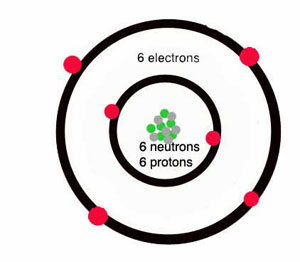
The element of carbon is a substance composed of
many particles
only carbon atoms
a crystal arrangement
many layers


What percentage of Earth’s water is freshwater?
75%
97%
3%
1%
Where is most water found on Earth?
glaciers
oceans
rivers
lakes


What is it called when WATER is FORMED from an LIQUID to a WATER VAPOR Oor an [GAS]?
EVAPORATION
PRECIPITATION
TRANSPIRATION

________________________ is part of the air, rocks, soil, and all living things.
Nitrogen
Carbon
Water
Silver
When humans EXHALE, we release ____________________.
Oxygen
Nitrogen
Water
Carbon Dioxide
What is CO2?
Carbon Monoxide
Carbon Dioxide
Carbon Trioxide
Oxygen
Which of the following are fossil fuels?
Coal, Water, Oil
Oxygen, Coal, Oil
Coal, Oil, Natural Gas
None of these
Where can you find carbon?
Only in the Earth's atmosphere.
Inside all water molecules.
Inside the sun.
Inside every living thing on Earth.
What are fossil fuels made from?
Plants and animals that are buried underground for millions of years.
They absorb it from the atmosphere.
Water
Wind
Plants use _______________________ to make their own food.
Carbon Dioxide
Oxygen
Materials
Gravity
If the plant population decreased, the amount of carbon in the atmosphere would ____________________.
Increase
Decrease
Stay the same
Carbon dioxide is a gas produced by ___________________ and used by _________________
Plants and Animals
Carbon and Photosynthesis
Animals and Plants
Photosynthesis

Which type of rock is formed from the solidification of magma or lava?
igneous
sedimentary
metamorphic
bioclastic

Where is magma located?
above ground
below ground
in the stratosphere
in the thermosphere

Where is lava located?
above ground
below ground
in the core
in the mantle
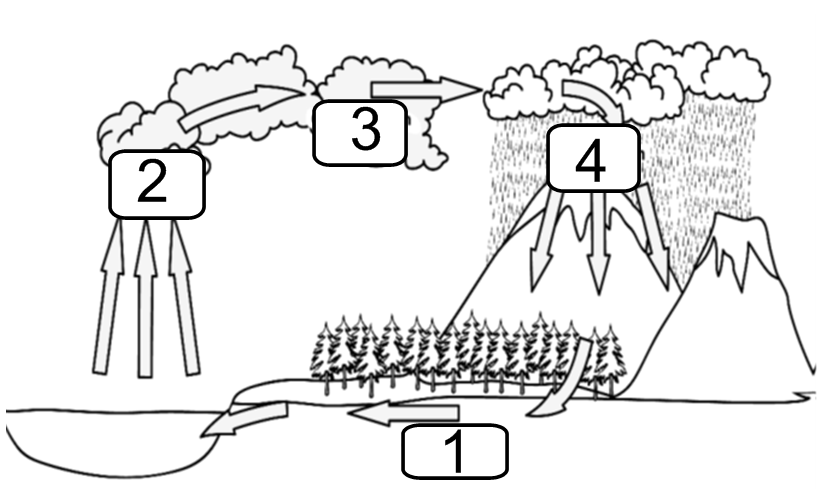
What is the water cycle?

The circulation of the element Carbon among Earth's atmosphere, land, oceans, and organisms is called _____________.
the Carbon Cycle
the Oxygen Cycle
the Carbon dioxide Cycle
the Water Cycle
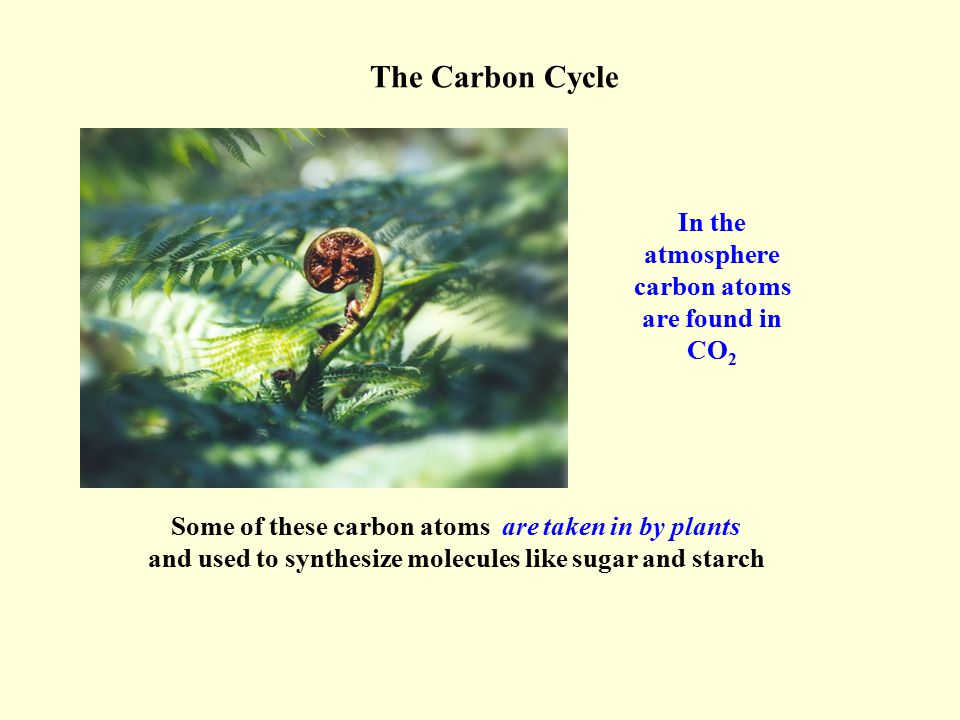
Carbon is used in the process called __________ by plants and algae to make food and the building blocks for growth.
carbon cycle
life
photosynthesis
decomposition

The place where the earthquake is felt on the Earth's surface is called the...
Epicenter
Hypocenter (focus)
Surface
Crust
When and where is a wildfire most likely to happen?
If a wild fire is started in a forest, how will the fire affect the carbon cycle?
If there is too much runoff in the water cycle what happens? (there are multiple right answers)
How is the sun important to the carbon and water cycles?
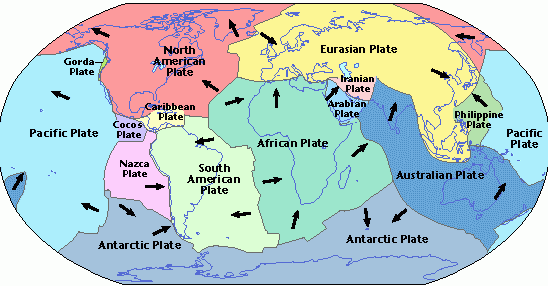
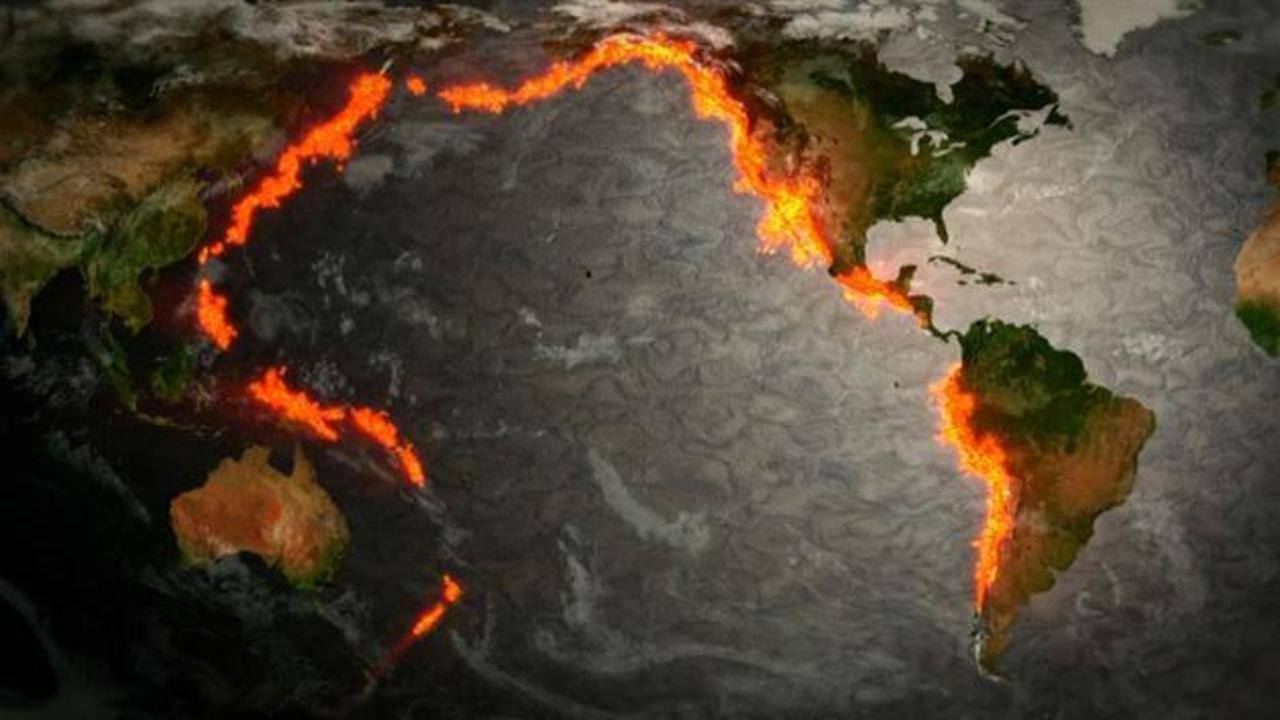
Which tectonic plate boundary causes most earthquakes?
How do humans impact the carbon cycle? (both positively and negatively, fulls sentances)

