wayground logo

Free Printable Worksheets

Font size

S
M
L
XL
Worksheets

Body Compostion

Total questions: 70

Worksheet time: 47mins

Name
Class
Date
1.

the ratio of fat, bone, and muscle that naturally make up a person's body

a)

skinfold test

b)

obesity

c)

body composition

d)

overweight

2.

a number calculated from a person's height and weight; an indicator of excess body fat

a)

skinfold test

b)

underweight

c)

body composition

d)

body mass index (BMI)

3.

a condition characterized by having excess body fat; for adults, a BMI of 30 or higher

a)

body mass index (BMI)

b)

overweight

c)

body composition

d)

obesity

4.

a condition characterized by having too little body weight for a particular height

a)

body mass index (BMI)

b)

underweight

c)

body composition

d)

obesity

5.

Body Composition is ______ vs ______?

a)

Height vs Fat

b)

Weight vs Muscle

c)

Fat vs Muscle

d)

Height vs Weight

6.

We measure our height and weight to calculate ___________.

a)

Flexibility

b)

Cardiorespiratory Endurance

c)

Muscular Strength

d)

Body Composition

7.

Which 2 helps to improve our Body Composition?

a)
b)
c)
d)
8.

What does food provide our body?

a)

vitamins, nutrition, and energy

b)

muscle, fat, and vitamins

c)

height, weight, and nutrition

9.
What  component would be most important to a long distance runner?
a)
Reaction time 
b)
Cardiovascular endurance
c)
Agility
d)
Muscular Strength
10.

The ability of a muscle to work for an extended period of time.

a)

Body composition

b)

Muscular Strength

c)

Muscular Endurance

d)

Flexibility

11.

A joints ability to move through its full range of motion.

a)

Body Composition

b)

Muscular Strength

c)

Muscular Endurance

d)

Flexibility

12.
What is the ability to use muscles for a long period of time without getting tired?
a)
Muscular Strength
b)
Cardiovascular Endurance
c)
Muscular Endurance
d)
Balance
13.
What is the ability of the heart, lungs, blood vessels, and blood to work efficiently and to supply the body with oxygen?
a)
Muscular Endurance
b)
Body Compostion
c)
Cardiovascular Endurance
d)
Speed
14.
Which component of fitness can be developed by lifting heavy weights with few repetitions?
a)
Muscular Fitness
b)
Cardiovascular Fitness
c)
Muscular Endurance
d)
Muscular Strength
15.
The PACER test measures_________?
a)
Flexibility
b)
Cardiorespitory Endurance
c)
Muscular Strength
d)
Body Composition
16.
The push-up test measures_________?
a)
Flexibility
b)
Cardiovascular Endurance
c)
Body Composition
d)
Muscular Endurance and Muscle Strength
17.
The components of fitness are....
a)
Muscular strength, muscular endurance, cardiovascular endurance, flexibility, body mass index
b)
Emotional Health, social health, heart health.
c)
Mental health, emotional health, spritual health
d)
Muscular mass,  Muscular endurance, body fat
18.
The right mix of healthy eating and exercise will help control weight this is called...
a)
Body Composition
b)
Muscular Strength
c)
Power
d)
Agility
19.
What is the ability to use your joints fully through a wide range of motion
a)
Speed
b)
Balance
c)
Flexibility
d)
Coordination
20.

What is the ability of muscles to lift a heavy weight or exert a lot of force.

a)

Reaction Time

b)

Muscle Strength

c)

Power

d)

Flexibility

21.
What is the ability to use muscles for a long period of time without getting tired?
a)
Muscular Strength
b)
Cardiovascular Endurance
c)
Muscular Endurance
d)
Balance
22.
What is the combination of all the tissues that make up the body such as bones, muscles, organs, and body fat?
a)
Body Composition
b)
Muscular Strength
c)
Agility
d)
Coordination
23.
How many push-ups you can do is an example of which component of physical fitness? 
a)
Flexibility
b)
Muscular Strength
c)
Heart Rate
d)
Muscular Endurance 
24.
Yoga helps improve which component of fitness the most...
a)
Flexibility
b)
Speed
c)
Muscle Strength
d)
Agility
25.

What happens after you put food in your mouth?

a)

You swallow it.

b)

Your teeth grind it then you mix it up with spit and the spit helps dissolve it as you swallow.

c)

You throw it up.

d)

You chew it.

26.
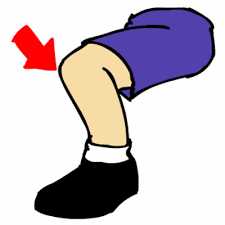
What's this?
a)
a shoulder
b)
a nee
c)
a kee
d)
a knee
27.

What are these?

a)

fingers

b)

a shoulder

c)

shoulders

d)

knees

28.
This system is made up of stretchy tissue called muscles.
a)
Nervous System
b)
Skeletal System
c)
Muscular System
29.
Which system is the stomach in?
a)
respiratory
b)
digestive
c)
nervous
30.
Where does digestion start?
a)
stomach
b)
mouth
c)
esophagus
31.

How is body composition tested?

a)

Height and weight

b)

Skinfold Test

c)

BMI

d)

All of above

32.
What does the digestive system do?
a)
Breaks down and handles food

b)
Pumps blood throughout the body
c)
Helps you breathe
d)
Helps your arms and legs move
33.
Which of the following is not part of the digestive system?
a)
mouth
b)
esophagus
c)
heart
d)
intestines
34.
Where does digestion begin?
a)
mouth
b)
esophagus
c)
stomach
d)
intestines
35.
The main function of this organ is to break down and digest food to extract necessary nutrients.
a)
liver
b)
stomach
c)
esophagus
d)
lungs
36.
When you breathe in air, you inhale oxygen into your lungs and exhale ____.
a)
carbon dioxide
b)
oxygen
c)
nitrogen
d)
carbon monoxide
37.
What bone protects the brain?
a)
Rib Cage
b)
Skull
c)
Femur
d)
Face
38.
Which organ pumps blood?
a)
Kidney
b)
lungs
c)
Heart
d)
Veins
39.
The heart is a strong _______________
a)
muscle
b)
bone
c)
fat
d)
blood
40.
The _____________ are protected by the ribs.
a)
Lungs and brain
b)
Heart and lungs
c)
Heart and brain
d)
Stomach and Brain
41.
Your heart beats faster when you 
a)
rest
b)
exercise
c)
sleep
d)
think
42.
What's this?
a)
a harm
b)
an arm
c)
a arm
d)
a leg
43.
What's this?
a)
an ear
b)
an eye
c)
head
d)
a ear
44.
What's this?
a)
an ear
b)
an eye
c)
a eye
d)
a nose
45.
What are these?
a)
shoulders
b)
toes
c)
fingers
d)
eyes
46.
What's this?
a)
a hand
b)
an arm
c)
an foot
d)
a foot
47.
What's this?
a)
a head
b)
toes
c)
an arm
d)
a hand
48.
What's this?
a)
a arm
b)
a leg
c)
an arm
d)
an leg
49.

What's this?

a)

an arm

b)

heads

c)

a head

d)

a hand

50.
What's this?
a)
a mouth
b)
an ear
c)
an eye
d)
a nose
51.
What's this?
a)
a nose
b)
a mouth
c)
an ear
d)
an eye
52.
Which body system lets you breathe oxygen in and carbon dioxide out?
a)
respiratory system
b)
circulatory system
c)
excretory system
d)
none of the above
53.
Which body system helps you remove waste products from your body that you do not need?
a)
muscular system
b)
excretory system
c)
skeletal system
d)
none of the above
54.
What is it?
a)
liver
b)
waist
c)
kidney
d)
brain
55.
What is it?
a)
cheek
b)
chin
c)
mouth
d)
lips
56.
One of your fingers is called a ... .
a)
rib
b)
cheek
c)
thumb
d)
finger
57.
You normally wear a belt around your .... .
a)
jaw
b)
chest
c)
waist
d)
arm
58.

Which part of our body gives orders to the body?

a)

Nerves

b)

Veins

c)

Brain

d)

Heart

59.

Which part of our body pumps blood to other organs of the body?

a)

Brain

b)

Heart

c)

Lungs

d)

Trachea

60.

our legs and feet help us to

a)

write

b)

walk

c)

Paint

61.

Which is not a part of our body?

a)

Nose

b)

Ice- cream

c)

Tongue

62.

You breathe with them.

a)

lungs

b)

kidneys

c)

nose

d)

bones

63.

We have 650 of them. They are elastic fibers.

a)

skin

b)

intestines

c)

muscles

d)

kidneys

64.

They are structures that supports the body and protects organs.

a)

skull

b)

bones

c)

skin

d)

muscles

65.
a)
TEETH
b)
NOSE
c)
LEG
d)
FEET
66.

All the bones form the...

a)

MUSCLES

b)

JOINTS

c)

SKELETON

67.

We have...

a)

4 senses

b)

7 senses

c)

5 senses

68.

Which sense do we use?

a)

HEARING

b)

TASTE

c)

SMELL

69.

A bird has...

a)

wings

b)

arms

c)

hands

70.

It has got...

a)

four arms

b)

four legs

c)

four tails