
 Worksheets
HUMAN &SOCIAL BIOLOGY DIAGNOSTIC TEST
Total questions: 51
Worksheet time: 32mins
Enzymes are sensitive to poison
true
false

Which 2 factors can affect the rate of enzyme activity?
Light intensity
Temperature
pH
Oxygen concentration
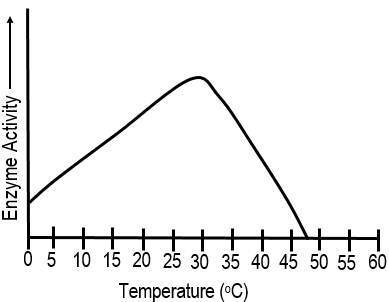
Based on the graph, what temperature does this enzyme work best?
15 C
40 C
30 C
50 C
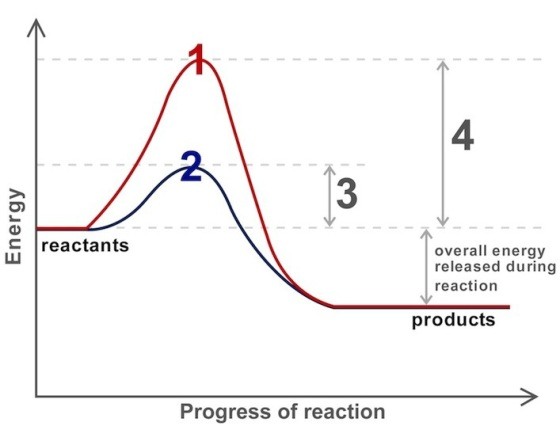
Which color line represent a reaction with an enzyme present?
Blue
Red
Both
Neither

Identify the part of the tooth labelled A.
Dentine
Pulp
Enamel
Root

Identify the structured labelled F
Dentine
Blood Vessels
Pulp
Root Canal

Identify the structure labelled K
Crown
Root
Enamel
Dentine
What should you do to take care of your teeth
Eat sugary foods
Avoid Water
Drink lots of water
Brush your teeth once a day
How often should you try to brush your teeth
Once a day
Twice a day
Three times a day
Never
How many teeth are there in the human body
33
34
32
43
Which type of tooth is designed to grind food
Canine
Molar
Incisor
I dont know
How many teeth do children have.
32
23
20
12
The incisor is used to
Grind food
Cut food
Tear food
I dont know
What is the type of the teeth used to tear food apart ? *
(a)
Choose for the correct statement. Tick 2 box only. *
Example of teeth an adult is the milk teeth set
The milk teeth set consists of 20 teeth
The life span of the permanent teeth is shorter than the milk teeth
Both the milk teeth and the permanent teeth sets have the canine, incisors and molars.
which of the following is not type of teeth
canines
molarity
molar
incisor
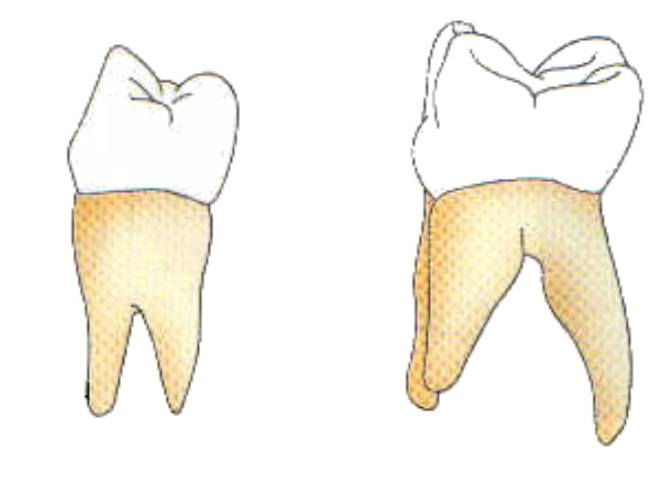
what is the function of these two teeth
grinding
holding
biting
cutting
following are mechanisms of mechanical digestion except
chewing food by teeth
churning by stomach
enzyme
emusification of fats by bile
what is produce by bacteria as by product of respiration and can cause tooth decay
alkaline
acid
tartar
plaque
following are dental care suggested by dentists except
do not brush your teeth
brush your teeth regularly
using floss to remove food particles
use fluoride toothpaste
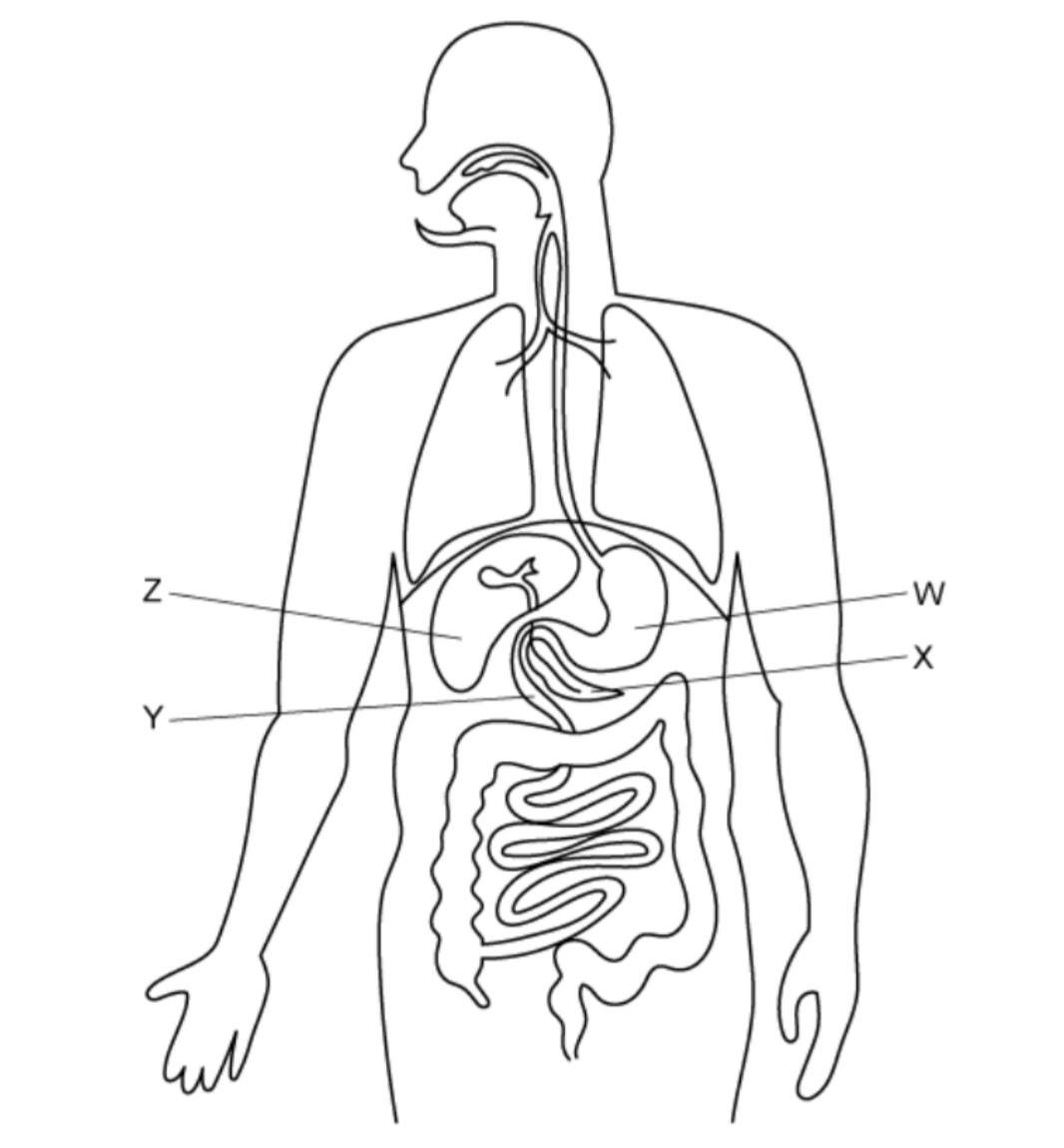
diagram show human digestive system. in which organs does digestion of protein take place
w and y
w only
x and z
y and x
which of the following is the correct function of bile
to emulsify protein
to provide enzyme
to neutralize alkaline condition of foods that entering duodenum
to increase the surface area for lipid digestion
a student ate a meal contain biomolecule X. the digestion of biomolecule X starts in the mouth and finish at the small intestine. what is the product of digestion of biomolecule X
amino acid
glycerol
glucose
fatty acid
contraction of circular and longitudinal muscle at the oesophagus is known as
ingestion
digestion
peristalsis
churning
what is the function of hydrochloric acid in the gastric juice
to stimulate growth of bacteria
providing acidic medium for the action of pepsin
to prepare alkaline medium for the action of pepsin
to digest protein
what is the product of protein digestion in the stomach
dipeptide
amino acid
glyceride
polypeptide
what is the optimum pH for pepsin
pH 5
pH 9
pH2
pH7
Our digestive system consists of
I. alimentary canal
II. glands
III. digestive juices
I and II only
I and III only
II and III only
I, II and III
The process of breaking down food substances into small, simple forms in our body is called
absorption
ingestion
digestion
Ways to prevent tooth decay and periodontal disease:
I. use tooth paste containing fluoride
II. Brush teeth twice a day
III. clean adjacent tooth surfaces with dental floss
I and II only
I and III only
II and III only
I, II and III
____________ is found in gastric jucie which helps for killing the micro-organism.
hydrochloric acid
sulphuruic acid
carbonic acid
cetric acid
The alimentary canal starts at _________ and ends at _______.
mouth, large intestine
mouth, small intentine
mouth, anus
mouth, oesophagus
Which of the following is/are involved in absorption?
diffusion
filtration
hydrolysis
active transport
Which of the following are the structural adaptations of villi for absorption?
The small intestine is very long that more time is provided for absorption of digested food.
Microvilli are present on cell surfaces of epithelial cells to further increase surface area for absorption of digested food.
The epithelial cell is one cell thick to shorten the diffusion distance of digested food.
The epithelium is one cell thick to shorten the diffusion distance of digested food.
The main site of absorption of water is
stomach
duodenum
ileum
colon
Which of the following is/are absorbed into the network of blood capillaries of villi?
Glycerol
Glucose
Glycogen
Sucrose
Which of the following is/are absorbed into the lacteals of villi?
Glycerol
Fat
Fatty acids
Vitamin A
Which of the following is/are the function of colon?
Digest food materials
Absorb digested food
Absorb water from indigestible materials
Stores indigestible materials
Which of the following is/are the function(s) of liver?
Break down excess fatty acids
Break down excess amino acids
Storage of bile
Storage of glycogen
Egestion/defaecation refers to the removal of
undigested food.
indigested food.
undigestible food.
indigestible food.

