
 Worksheets
Worms, Mollusks, and Arthropods
Total questions: 45
Worksheet time: 11hrs 15mins
Simple worms have body plan with_____.
asymmetrical form
bilateral symmetry
radial symmetry
spherical symmetry
A system where blood is not in vessels, but spreads over the organs in some areas is called a(n)______ system.
closed circulatory system
fluid-filled
open circulatory
water vascular
Gastropods have a ______, a tongue-like organ that works like a file.
crop
radula
setae
spiracle
The class of mollusks with the most specialized members are the ______.
bivalves
cephalopods
pseudopods
gastropods
Segmented worms have bristle-like structures called ______ to help them move.
gills
radula
setae
tube feet
Like mollusks, segmented worms have a ______.
body cavity for organs
crop
mantle
muscular foot
The blood of earthworms is contained in vessels, thus they have a(n) ______.
closed circulatory system
fluid-filled system
open circulatory system
water vascular system
______ are NOT examples of appendages.
Antennae
Arms
Claws
Intestines
All arthropods DO NOT have ______.
a body cavity
a mouth and anus
a nervous system
three body segments
A(n) ______ resembling a spinning top with cilia in the middle is the best evidence that mollusks and segmented worms share a common ancestor.
appendage
gill
larva
spiracle
______ make up the largest group of complex invertebrates.
Arachnids
Crustaceans
Insects
Worms
Unlike other arthropods, arachnids have ______ legs.
4
6
8
10
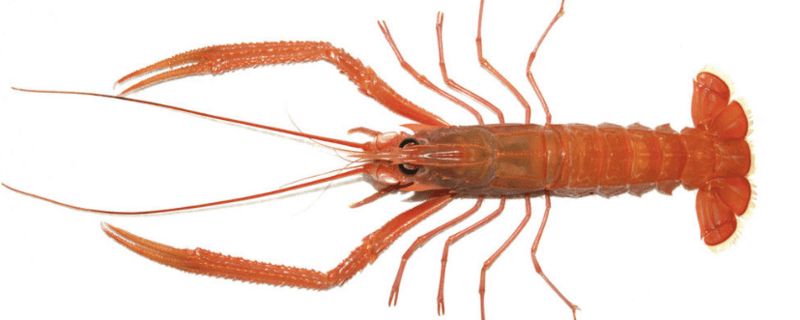
Arthropods have ____________ symmetry.
radial
none
jointed
bilateral
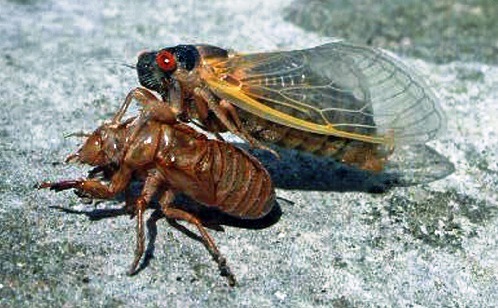
This term means arthropods lose their exoskeleton to grow larger
molt
melt
break
slide
Which of the following correctly describes a crayfish's body regions?
head, thorax, abdomen
head, abdomen
cephalothorax, abdomen
head, cephalothorax
Which of the following are considered to be "true jaws" that chew food?
Mandibles
Maxillae
Maxillipeds
Which of the following crayfish structures is used for gas exchange?
Malpighian tubules
Green glands
Gills
Book lungs


How does a host become infected with Trichinella?
eating under cooked seafood
eating under cooked pork
drinking contaminated drinking water
eating under cooked chicken

The knob-shaped head of tapeworms that contains hook/suckers to attach to host.
proglottid
mastax
scolex
choanocytes

What is a group of cells that can detect light called?
eye spots
sun dial
ocular cells
pigmental segment

Body sections that form behind the scolex that contain male and female reproductive structures.
mastax
flame cells
diffusion
proglottid
What are the three main groups of Mollusks?
Gastropods
Cephalopods
Annelids
Myriapods
Bivalves
Mollusks have
bilateral symmetry
radial symmetry
no symmetry
When all else fails, some mollusks use this to confuse their prey and escape
siphon
ink sac
pen
chitin
How do you idenify a Mollusk.
There pattern on a shell
Presence of a shell
The Type of shell
Type of foot
If there on land or water
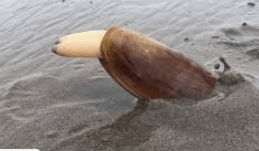
Which part of the Mollusk body is specialized for burrowing, feeding, and movement?
shell
visceral mass
mantle
foot

